|
||||
|
||||
 |

June 15 - July 3, 2017
| China Travelogue 2 |
After spending some time touring Japan with my parents, it was time to go to China to visit Connie's side of the family. We flew directly to Nanjing this time, rather than going to Shanghai like I've done in the past. It looked like a pretty big airport, but it was also mostly empty when we arrived so we made it through quickly and Connie's parents were there to pick us up. From there, we drove to her home town.
A few initial observations... Yep, the smog and gray skies are still pretty much ever present. There were some farms on the road side selling melons and grapes. We didn't stop, but they looked good. Driving in China is still crazy. Lots of honking horns and dubious maneuvering. Seatbelts seem to be mostly ignored as well, to the point where people often put in seat covers that seem to block access to them entirely. Also, car seats (for babies) aren't just not required here, they're not commonly used either. I'm kind of glad that we probably won't be driving much...
Anyway, Connie's parents are nice and we'll be staying at their place for a while. Well, Connie and Zack will be staying here for the entire trip (except for one night in Shanghai before we depart). I'll be heading off on my own sometime next week (still working out the details) to do some sightseeing and then rejoining them at the end of the month. While staying with her parents, I'm not sure if I'll be doing daily travelogue entries, since I think we're mostly going to be hanging around her home town and relaxing. More likely, there will be the occasional entry and some Random China Comments, but we'll see what happens.
As previously mentioned, I'm staying with Connie's parents in Maanshan, a "small town" according to Connie and a moderate sized city by any non-Chinese standards. It's a fairly new city a bit outside of Nanjing and not really on the radar for any non-Chinese tourists. Though it does seem to be a somewhat popular spot for day trippers from Nanjing itself.
Her parents are very nice, though the fact that they can't speak English and I can't speak Chinese complicates things a bit. They also seem to love constantly giving me more and more food at meal times. Connie's mom is a pretty good cook, but there's only so much I can eat...
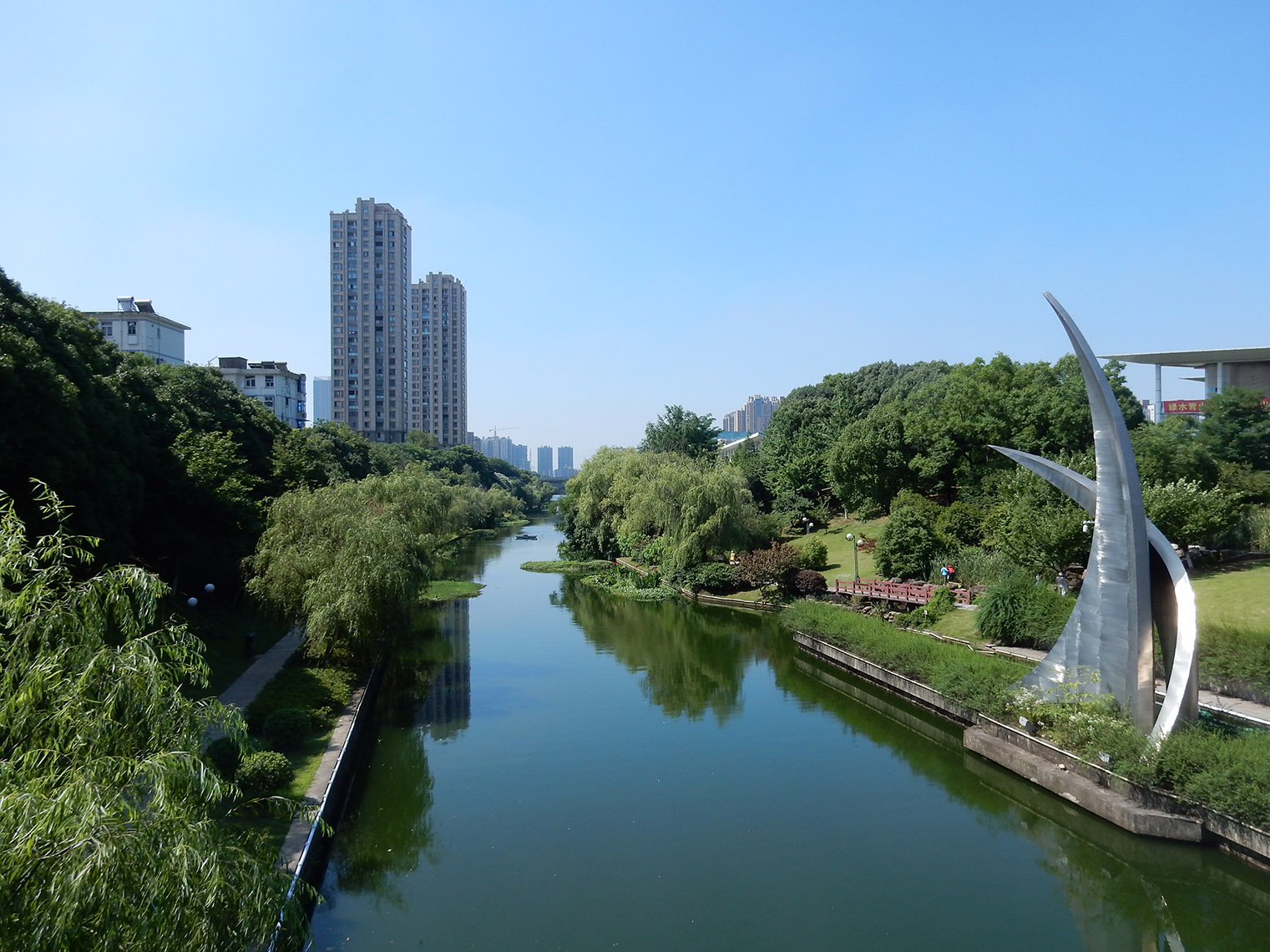
Anyway, I didn't do much over the last couple of days other than get acclimated and catch up on some things I'd been putting off while in Japan. Unfortunately, her parents are having some internet issues right now. At first it wasn't working at all and now that it is, it's running at a speed that could at best be described as dial-up. Though I get the feeling my old 56k modem might have been faster... The only touristy thing I really did worth mentioning was walking around a nearby park, which was fairly large and rather scenic. Pretty well maintained too. I think Maanshan is supposed to be known for its parks and such. If you follow the stream long enough (it has a walking trail which extends past the park in both directions) you'll even reach another, bigger park. Though I haven't gone that far yet.
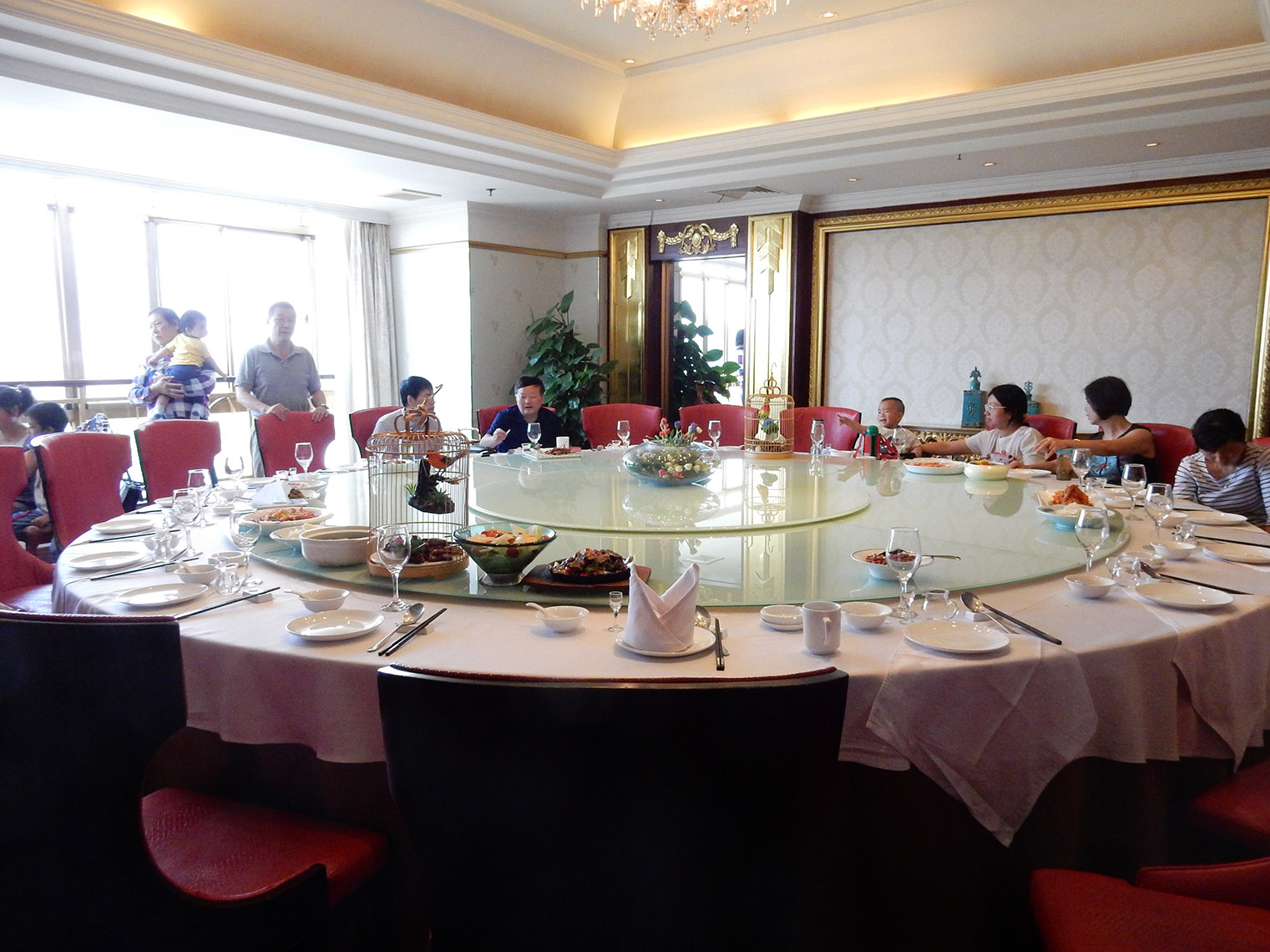
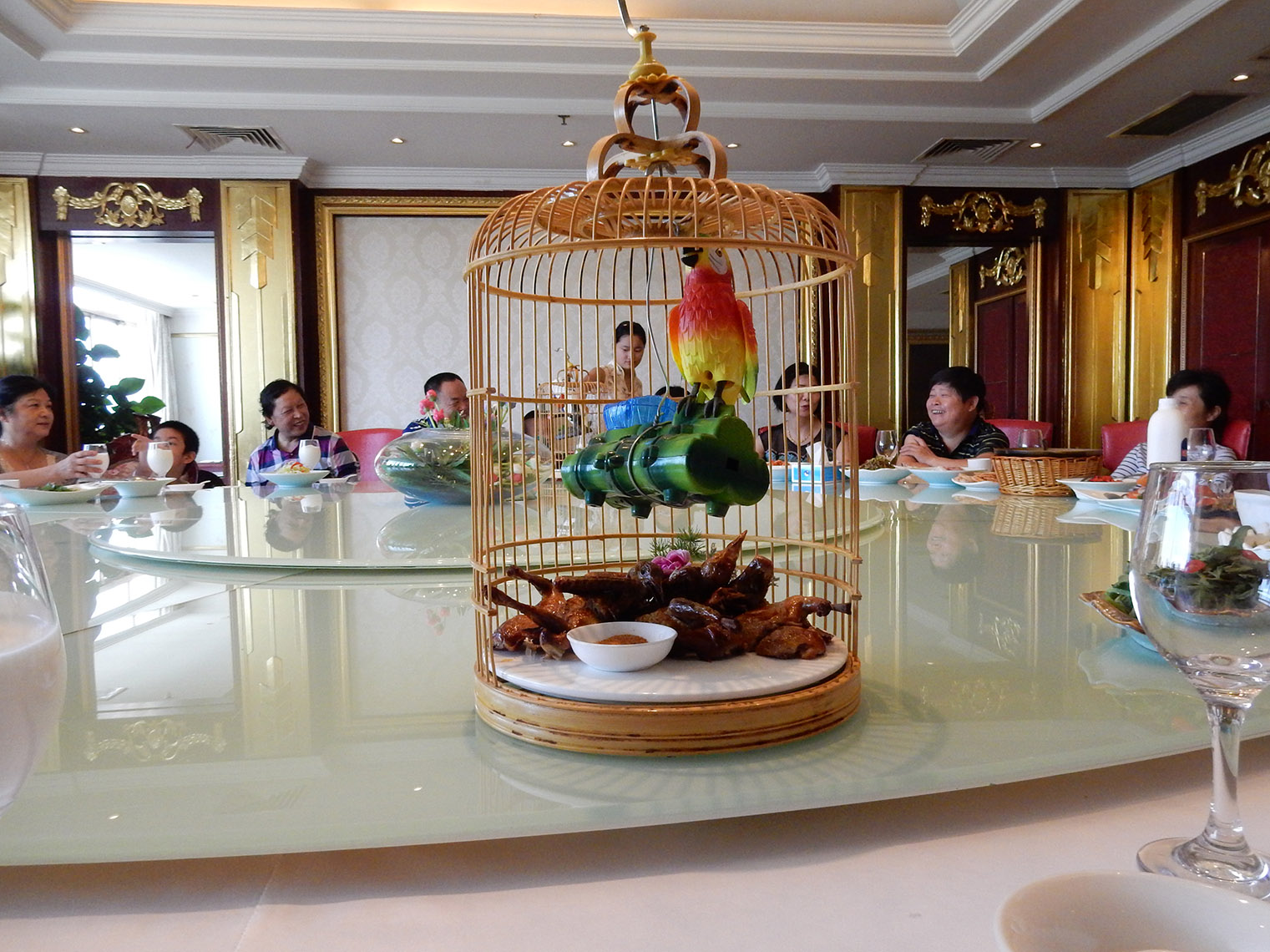
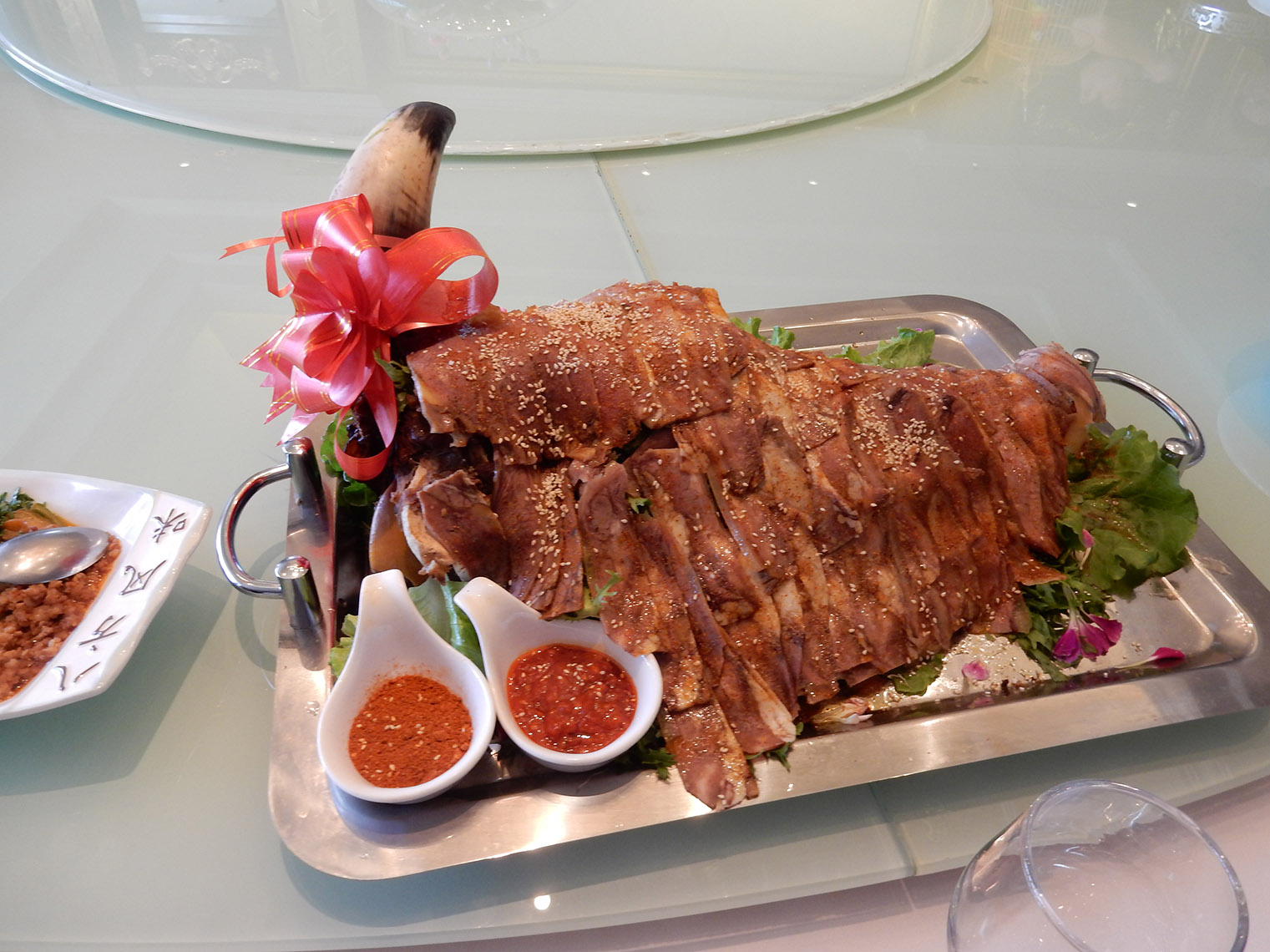
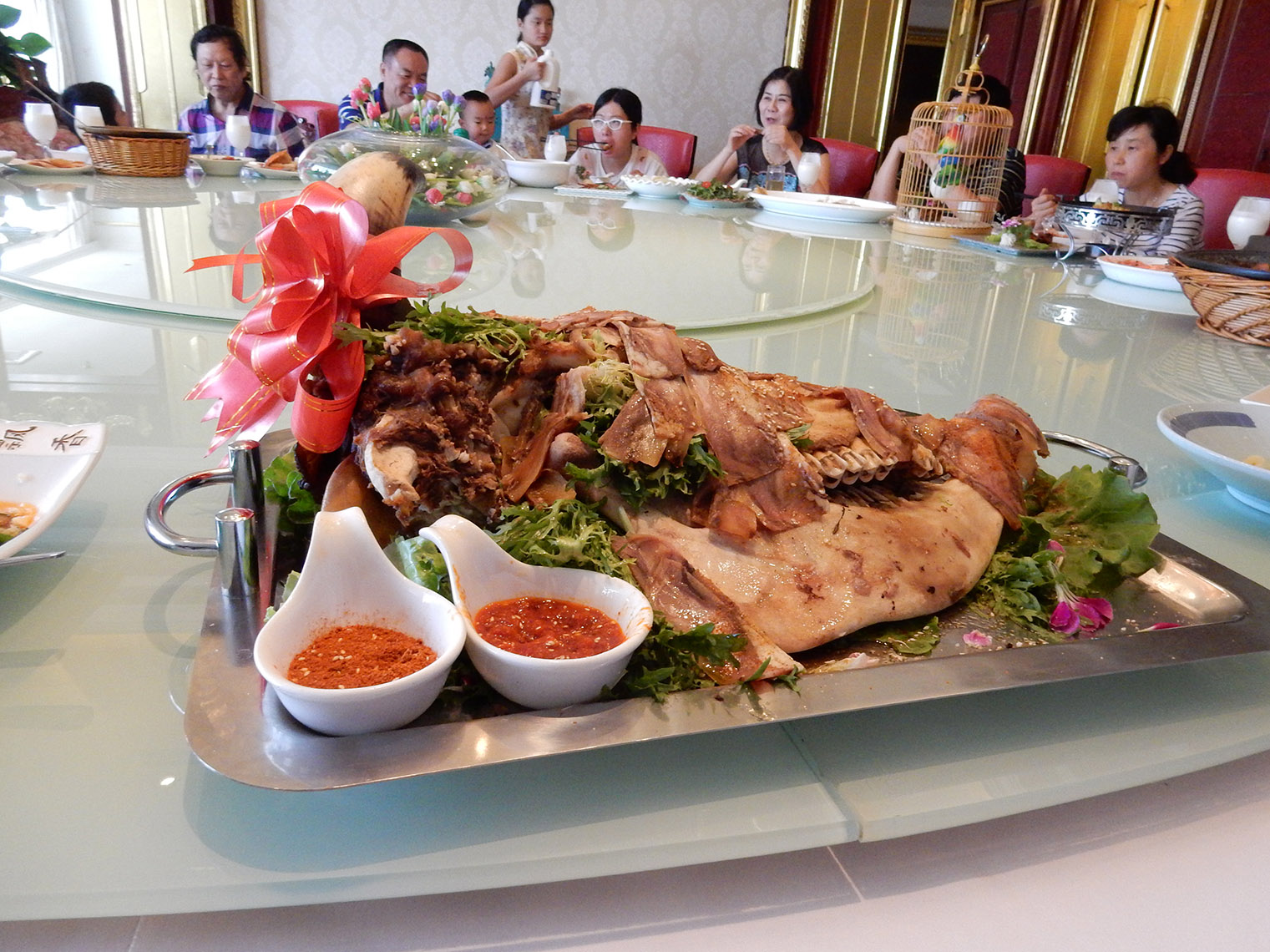
We also had a big meal with Connie's uncle's family and a bunch of family friends so they could meet me and Zack. It took place in a restaurant that was all private rooms. It had a nice view and a huge table for everyone to sit around. The food was arrayed on that raised glass bit, which rotated automatically so you could grab what you wanted as it passed by. I think I mentioned this before but meals in China tend to involve a whole lot of dishes which everyone shares, even at restaurants. Apparently, it's also a thing for just about every person at the table to make their way around and drink a toast with everyone else along the way. Fortunately, they had a yogurt drink for those of us who didn't drink alcohol. Since there was a lot of people, there was a lot of food. Beef, fish, poultry, vegetables... There was a lot of really good stuff, though the ones that stick in my memory the most do so because of their presentation. For example, the pigeon served in a bird cage, complete with toy bird. And then there was the strips of thinly sliced beef served on top of a cow skull. Never seen anything like that before. The beef strips were actually very good, though the dish got progressively creepier the more we ate... It was a fun and good meal, even though I couldn't understand 99.9% of what was being said.
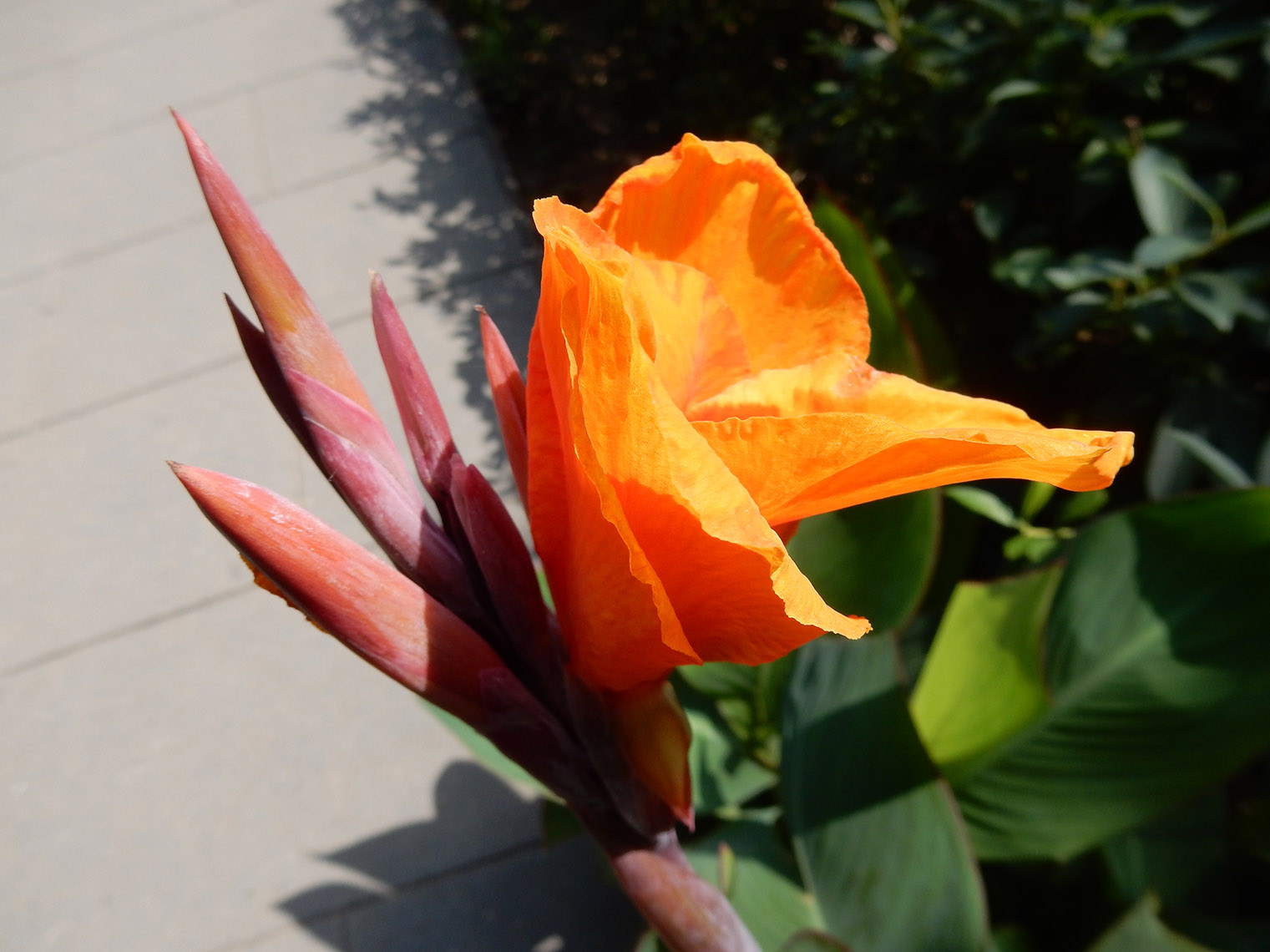
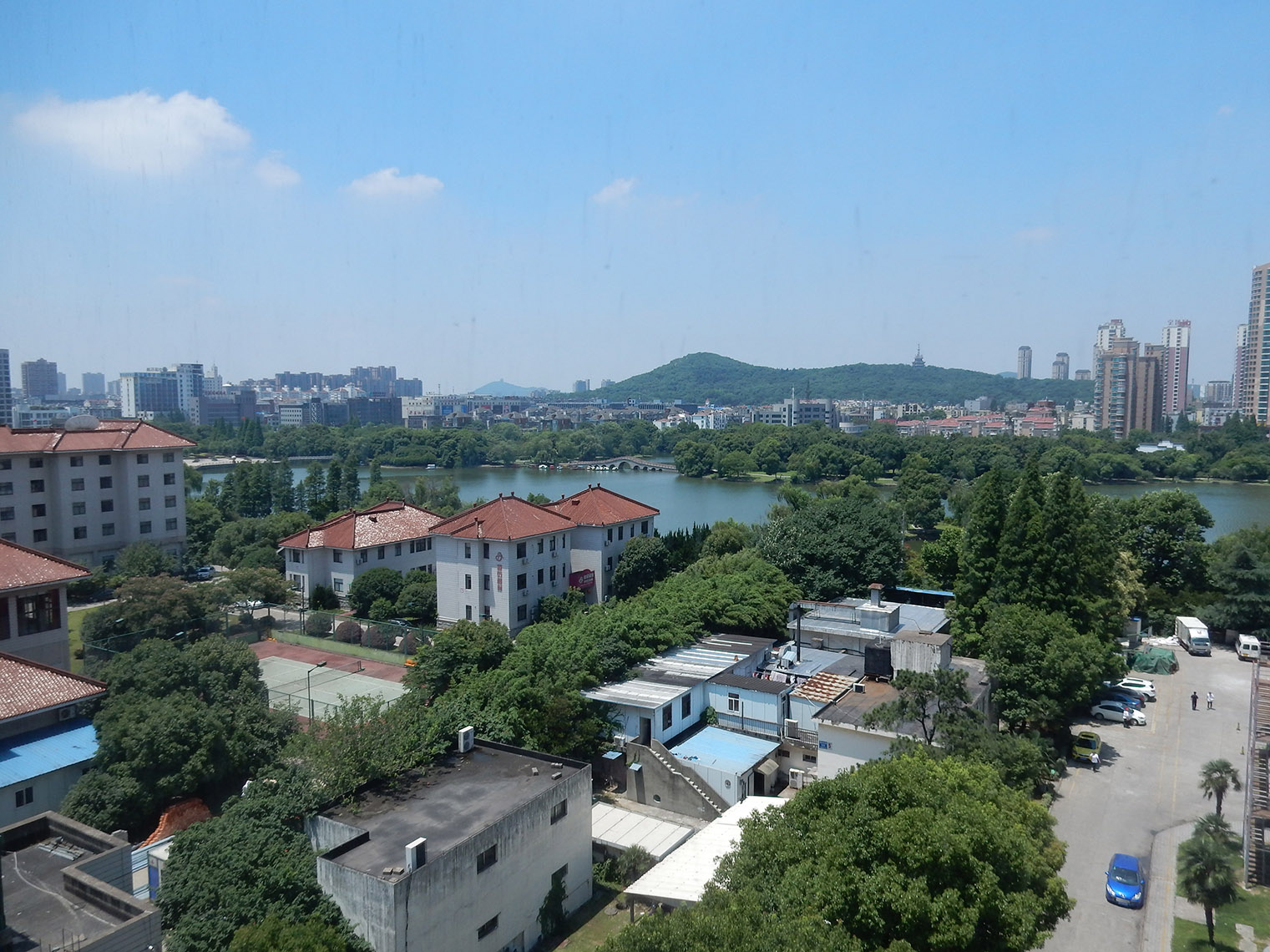
As you might have noticed from the earlier photos, there was even a moderately blue sky. Still plenty of smog, but much better than I expected, especially after Thursday, which was dismal and gray. I asked, and it's not always like this, but they do get some good days in the summer. Considering that I wasn't expecting to see a blue sky until returning to Virginia, I'll be grateful for what I can get.
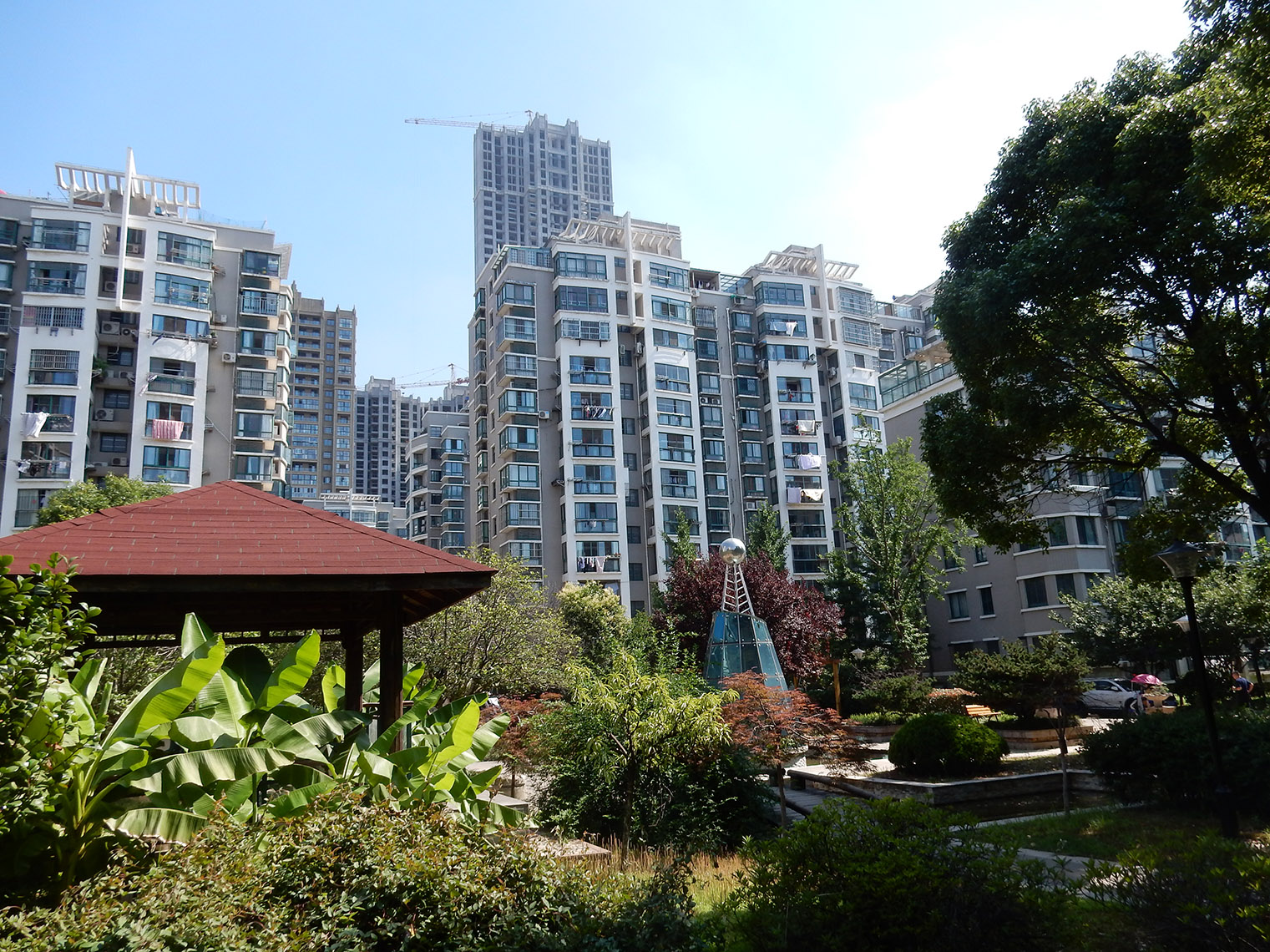
Random China Comment: Condos
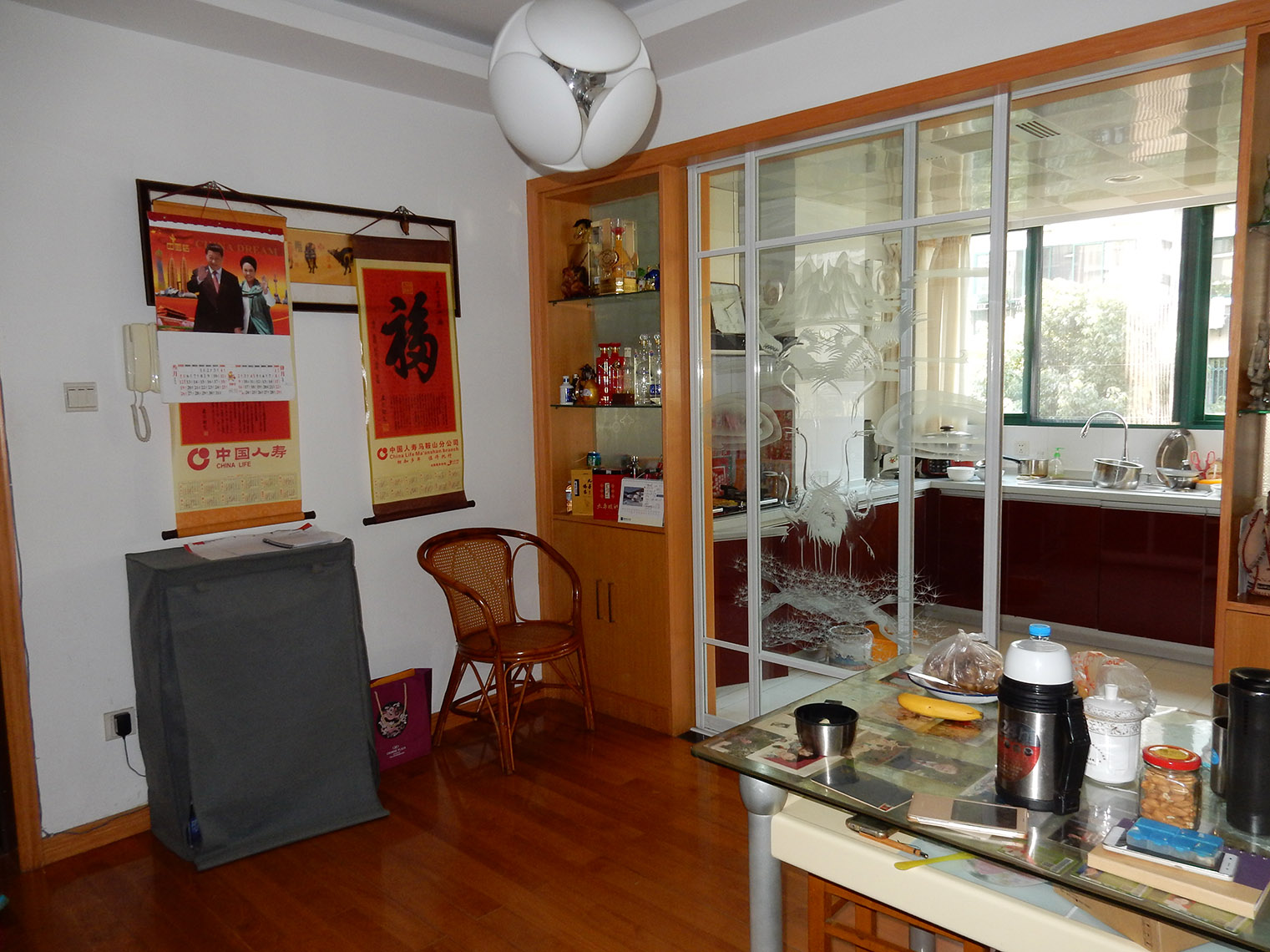
As a note, most Chinese people don't understand the difference between the English words apartment and condo, so what many English speaking Chinese refer to as apartments are actually condos. Anyway, go to any city in China and you'll see tons of high rises filled with condos. They're generally grouped into developments with some landscaping and the like (though not all the amenities you'd normally get in the US). The outside of the buildings tends to range from very fancy to serviceable (not terrible, but a bit dirty and old fashioned). At least unless you're looking at the old cheap places, which can look like something out of a third world country. Anyway, the condos are sold extremely unfinished so the interiors tend to be highly customized to match the owner's personal tastes. As a result, they can be a bit eccentric, but are often quite nice (at least from my very limited experience). Though they often will be somewhat quirky by Western standards (fewer restrooms, no central AC or heat, hot water heaters that need to be turned on and off before and after use, and the like). The complexes also aren't always designed with enough parking in mind (don't expect the minimum one space per unit like you'd find in the US), turning the grounds into a maze of tightly packed cars. I'm not sure if that's intentional to save space/money or encourage residents not to own cars, or if it's just poor planning and/or very incorrect assumptions about car ownership on the builders' part.
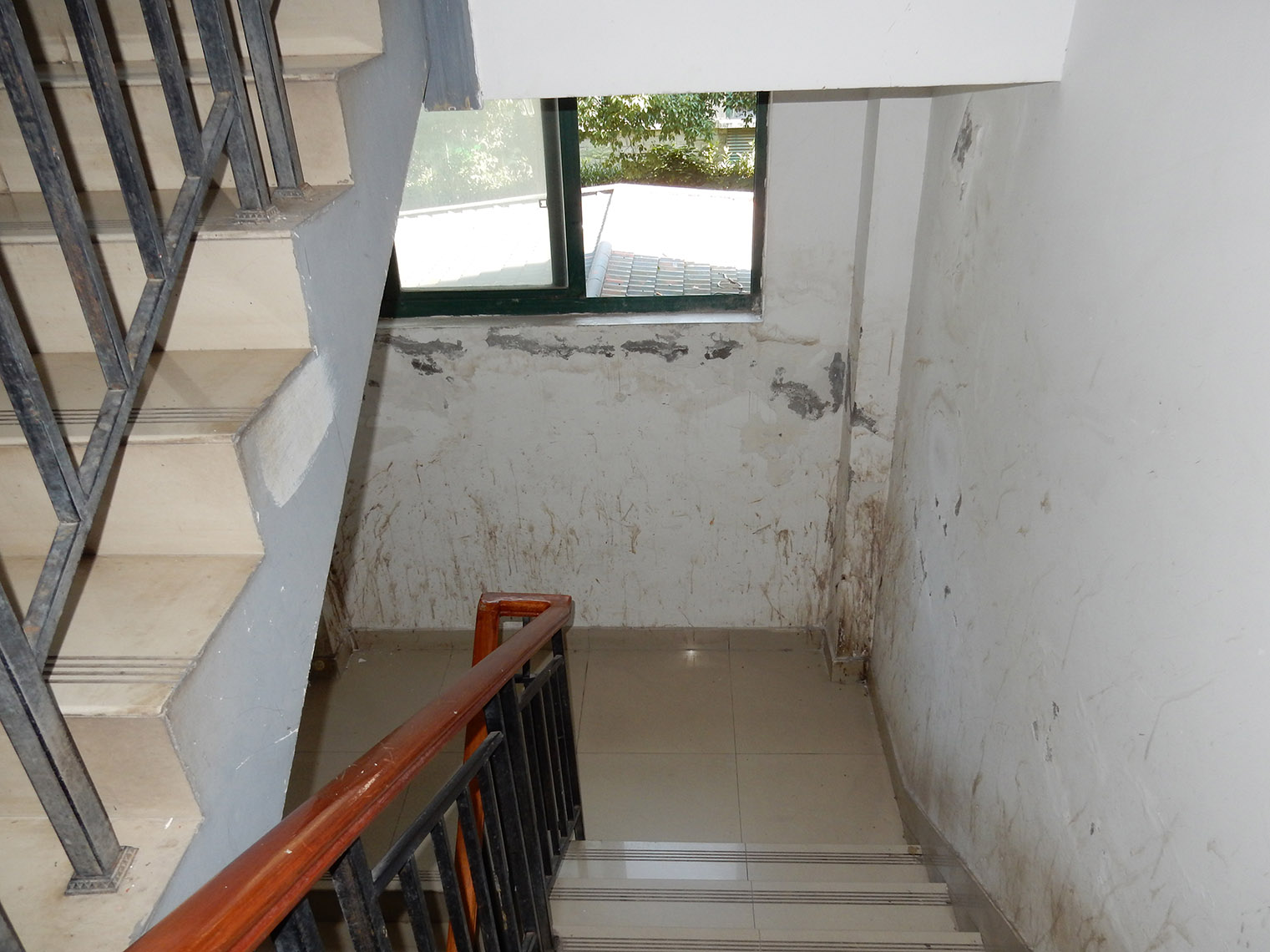
I asked Connie, and she said that her parents pay an annual HOA type fee (as opposed to the typically monthly fee in the US). I'm not sure how much they, or other Chinese condo owners, typically pay, but I'm not sure they get their money's worth. Here, I would assume it goes towards the security guards at the entrance. Though, from what I've seen, they pretty much let anyone in or out without comment and even sleep on the job. There's also some people trimming the plants, sweeping up leaves, and the like (though probably not quite as often as they should). But there's clearly a lot of exterior maintenance tasks that should have been addressed years ago (a broken fountain, rotting bench, etc.). Over all though, the grounds aren't bad, they just seem a little neglected. The main issue is that, in every Chinese condo complex I've visited, no one seems to be in charge of cleaning or maintaining the halls, stairways, and elevators (if there are any, which is an issue of its own) inside the buildings themselves. Which leads to creepy, decaying interiors that would make you think the place had been abandoned for ages, and provides a very strong and odd contrast to the nice condos.
Oh, on a side note, you know how in the US marketers sometimes sneak into apartment buildings or complexes and stick flyers for restaurants or something under your door? I always thought that was a little annoying (though much better than the door to door salesmen I'd occasionally get in Arizona), but not too big of a deal. Here, they do the same thing...except that instead of flyers they put a difficult to remove sticker right on the door. So it's quite common here to see apartment doors with a half dozen or more advertisement stickers plastered to them. That would drive me crazy...
Random China Comment: Signs
As I looked around Maanshan, something struck me as very different about the signs for the various shops and businesses lining the street when compared to Japan. Took me a couple of minutes to work out what was bugging me. But what I realized is that, while you have streets lined with colorful signs in both countries, China lacks Japan's verticality (where's it common to have a 8+ story building with signs stacked all the way up) and the signs are generally plainer. While there are certainly exceptions, the majority of store and business signs here seem to consist entirely of the name (written in a rather plain font) on a bright but solid single color background. And that's it. No logos, fancy designs, or anything. I suppose that's practical (if a little dull and repetitious) but, if you can't read Chinese, the average sign doesn't give you any idea about what type of business is there, making it kind of hard identify useful and/or interesting ones at a glance.
While Maanshan itself is too new of a city to have any historical tourist attractions, it borders on the much older Caishiji. Connie's parents had wanted to take me there last time I visited, but the weather wasn't good. Today though, the weather was pretty great so we set out in the morning for a relatively short drive to the area.
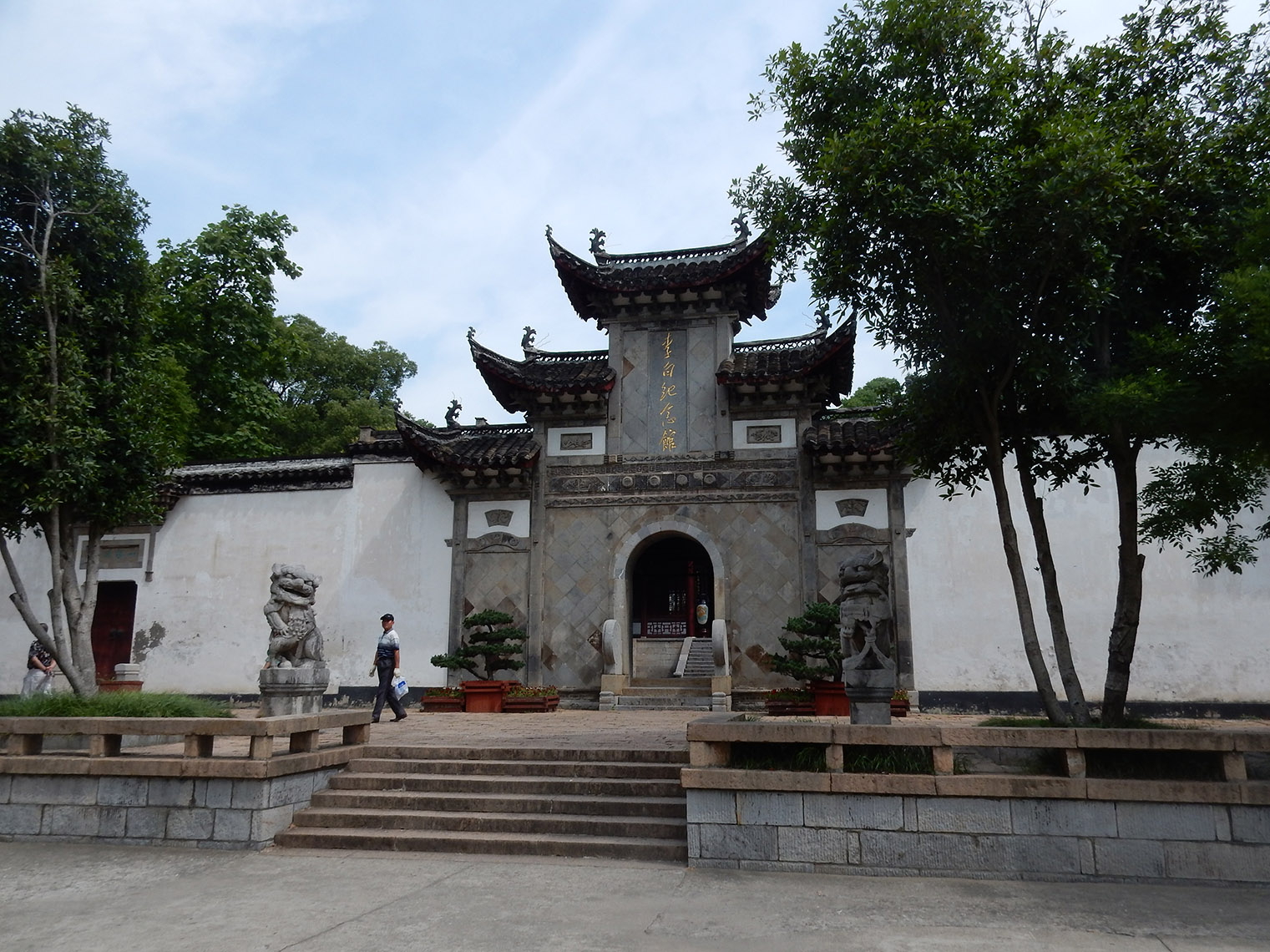
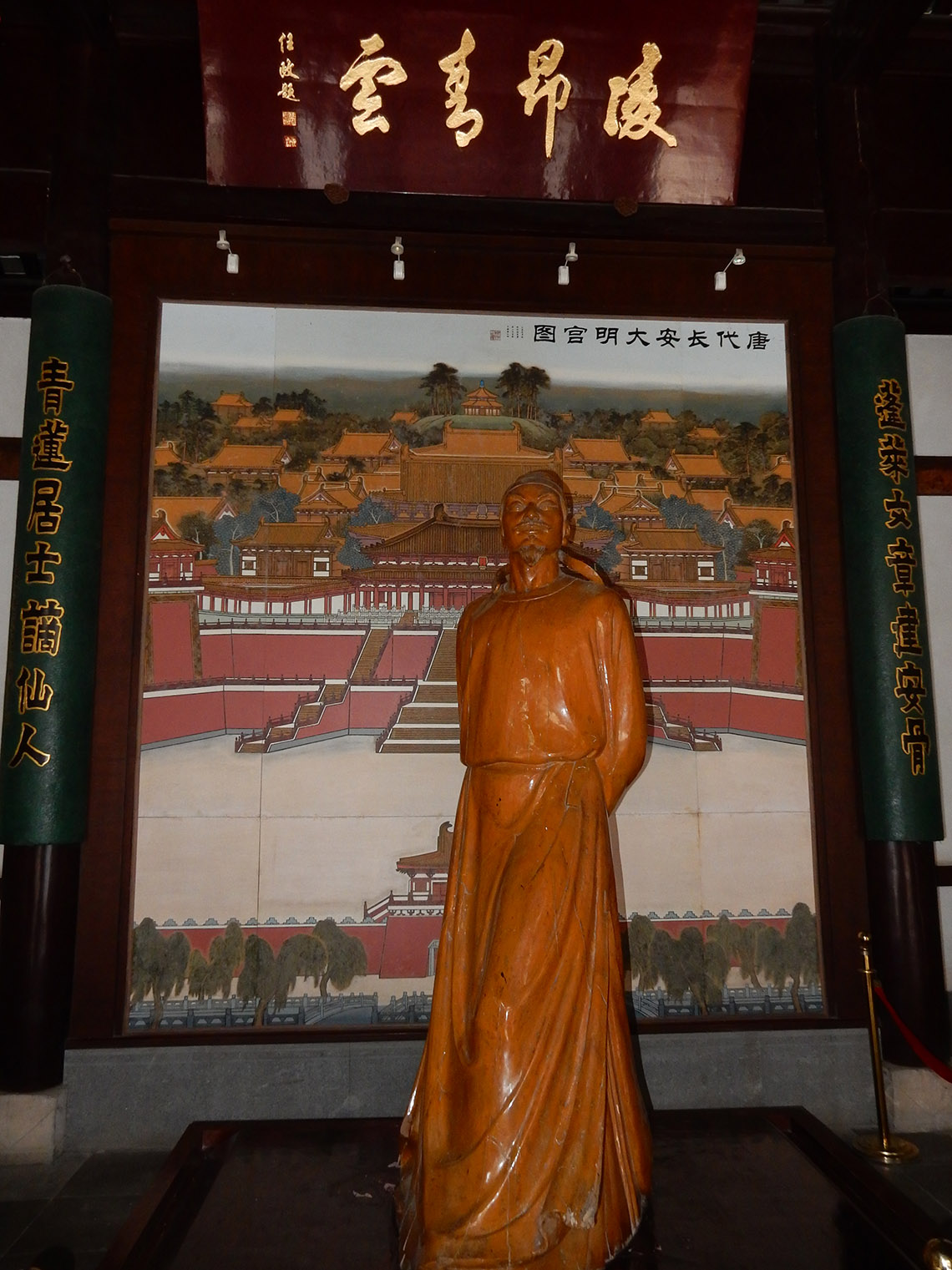
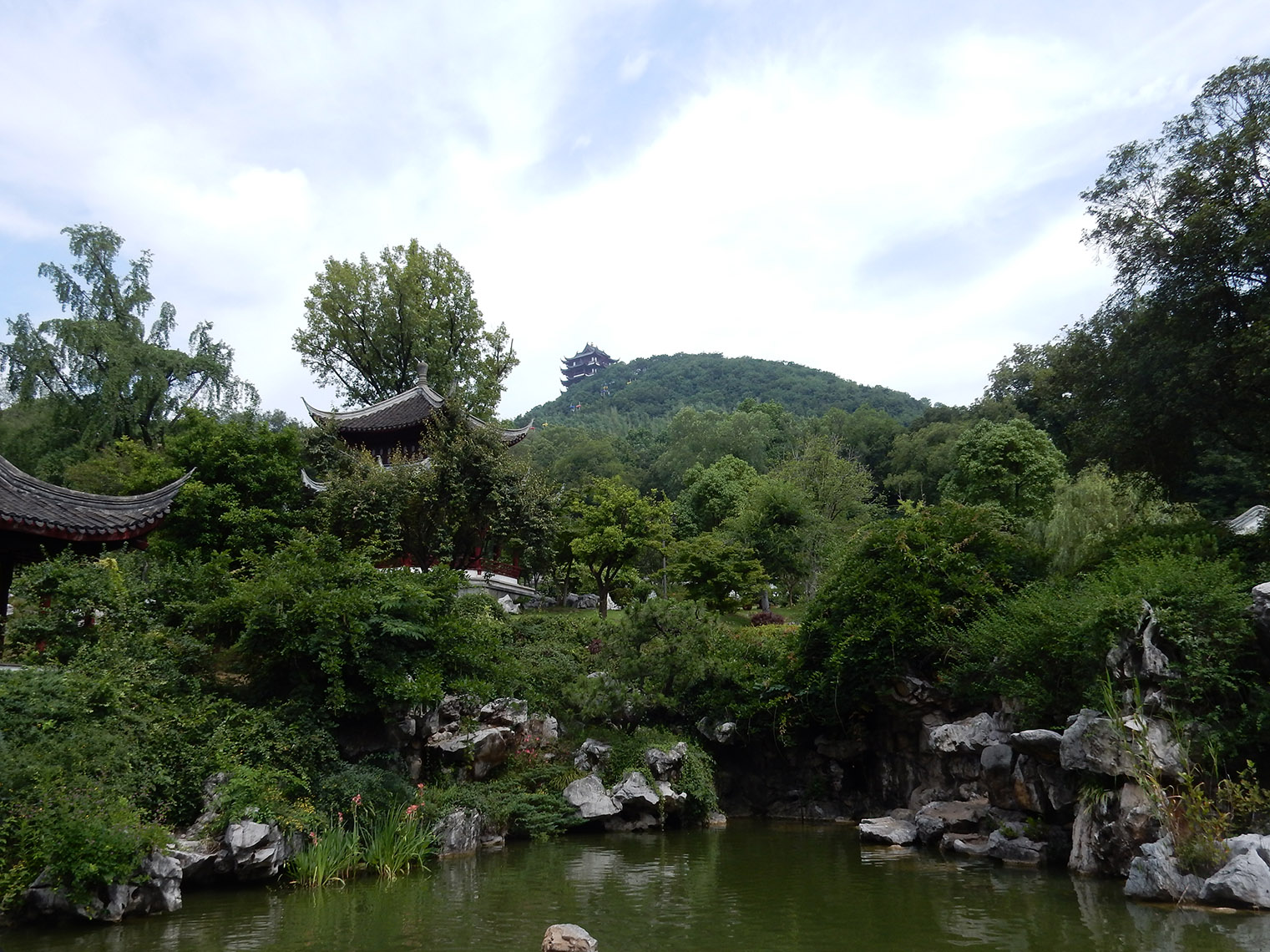
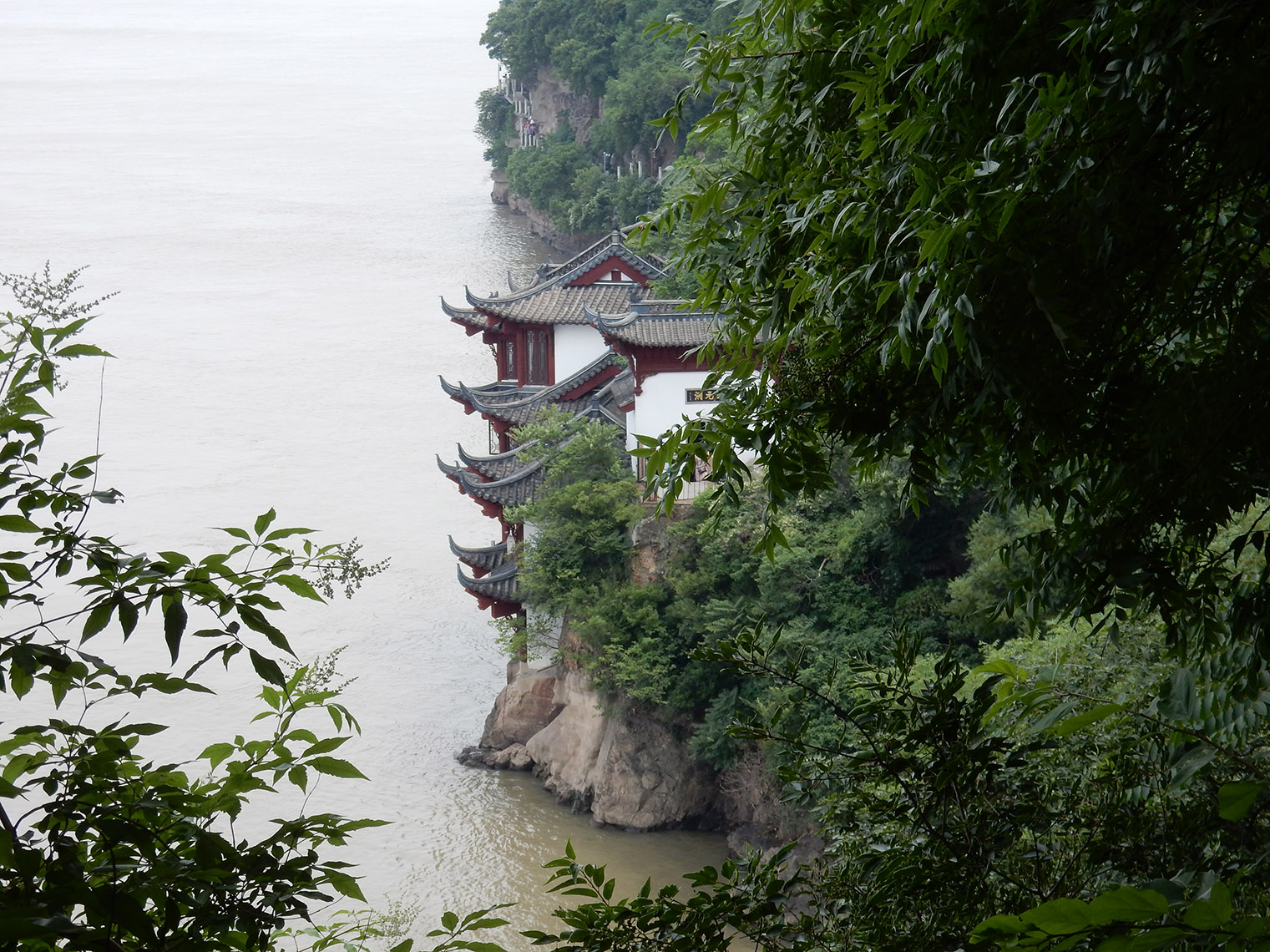
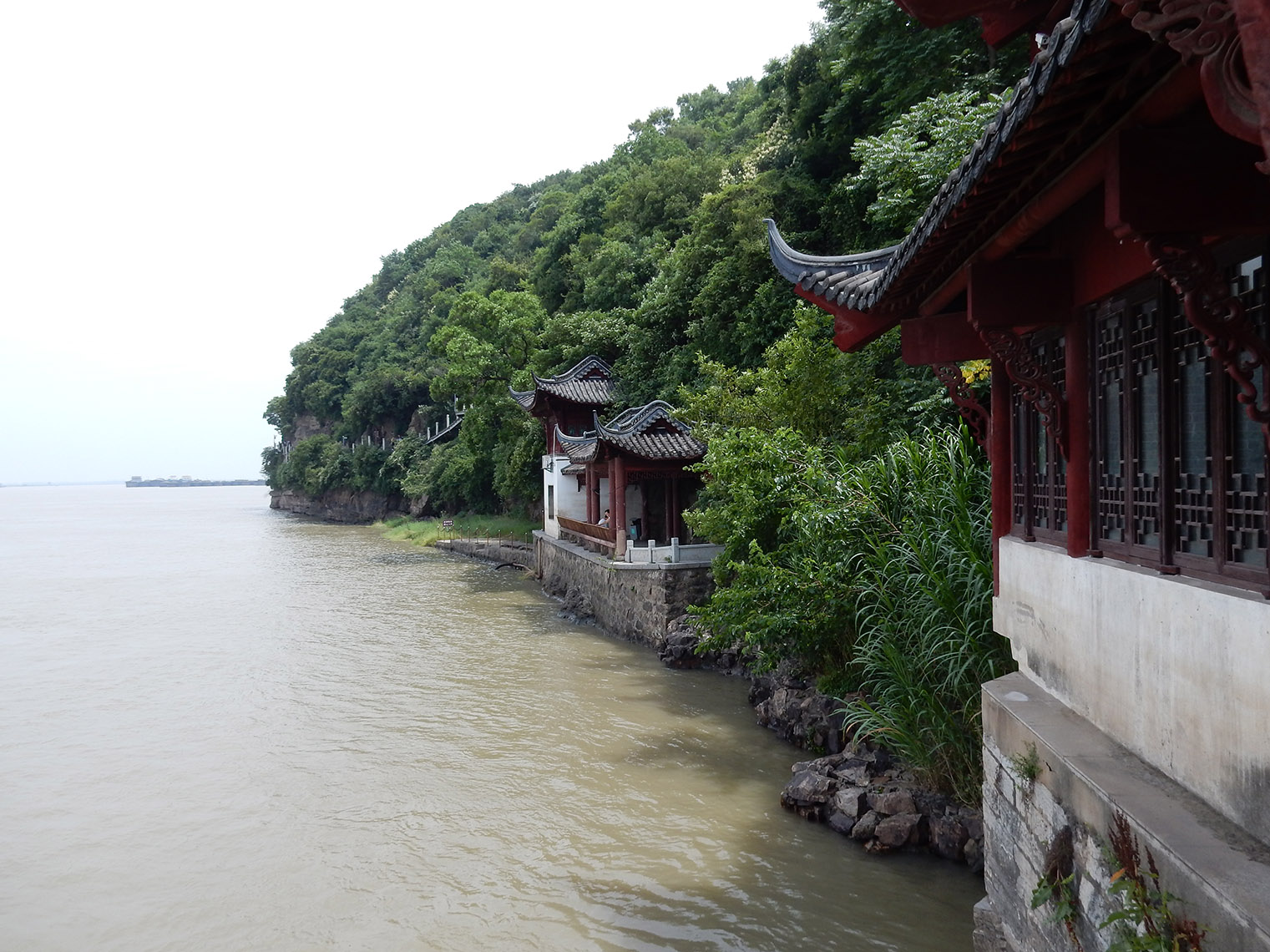
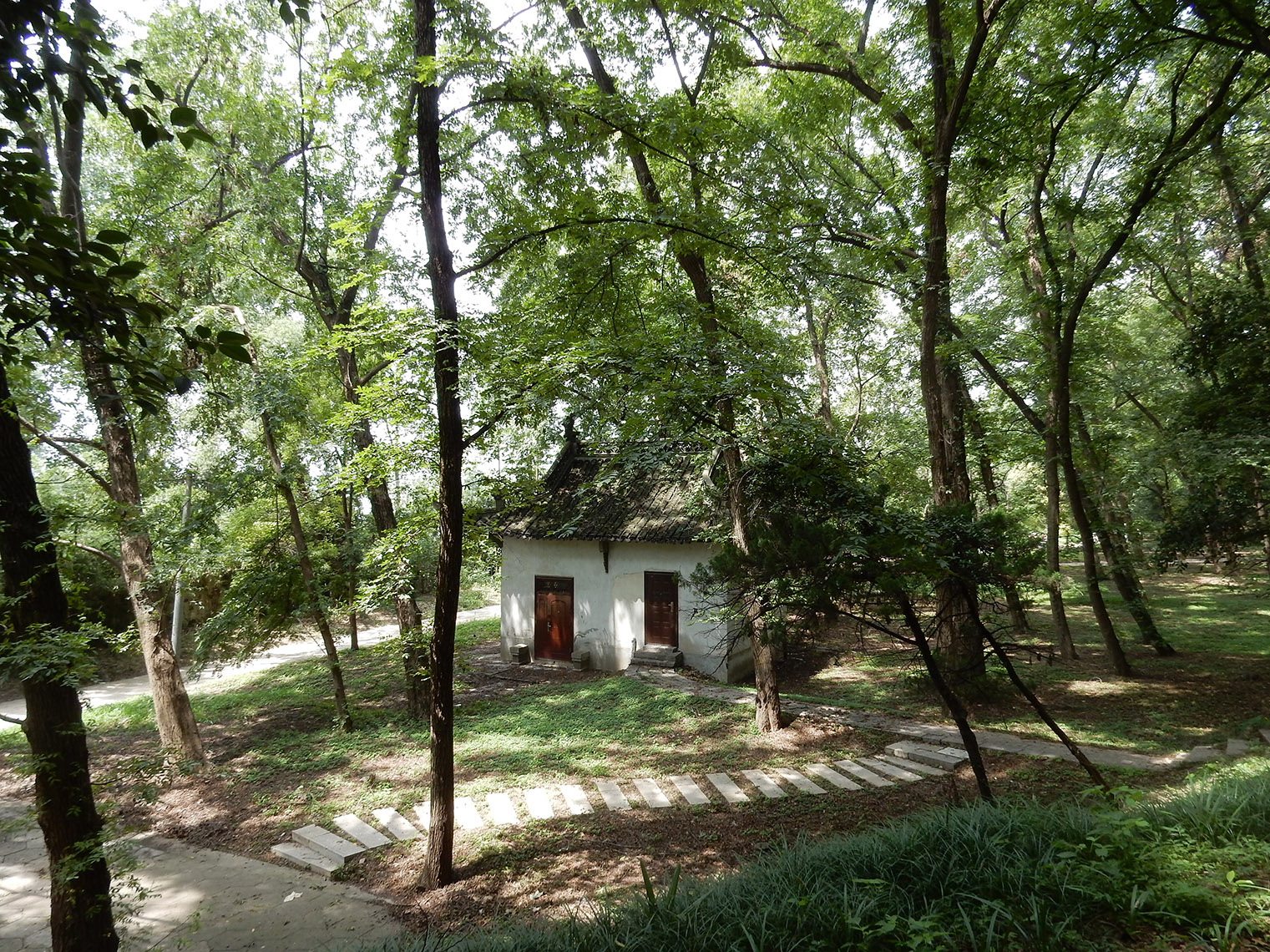
Caishiji is one of the oldest Buddhist sacred lands and is also the place where Li Bai (a famous Chinese poet from the Tang Dynasty) died and is buried. Well, there's actually some dispute over whether or not that's true (there are a few places which claim to house Li Bai's tomb), but it is certain that he visited the area and wrote about it. Now, Caishiji is a large park with a number of old buildings, many of which serve as memorials to Li Bai, with exhibits about his life and accomplishments (there's some English, though the majority of the signs are untranslated). Some highlights include the garden and a pavilion and trail built into the cliff on the side of the river. There are also a lot of trails which meander through the forest to various buildings, statues, and the like. There was also a cable car up to a pagoda on top of the hill, but I didn't get a chance to go up there.
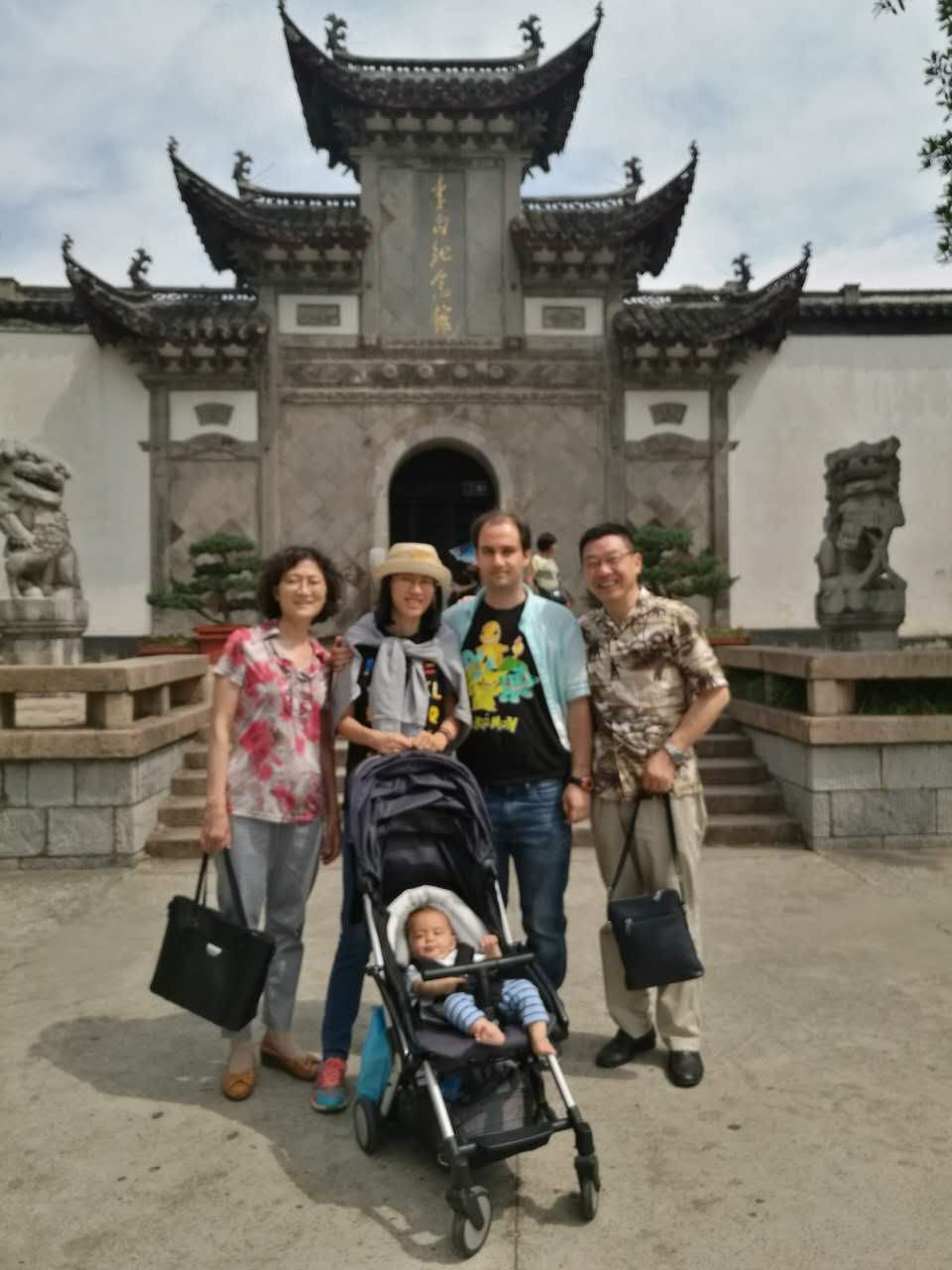
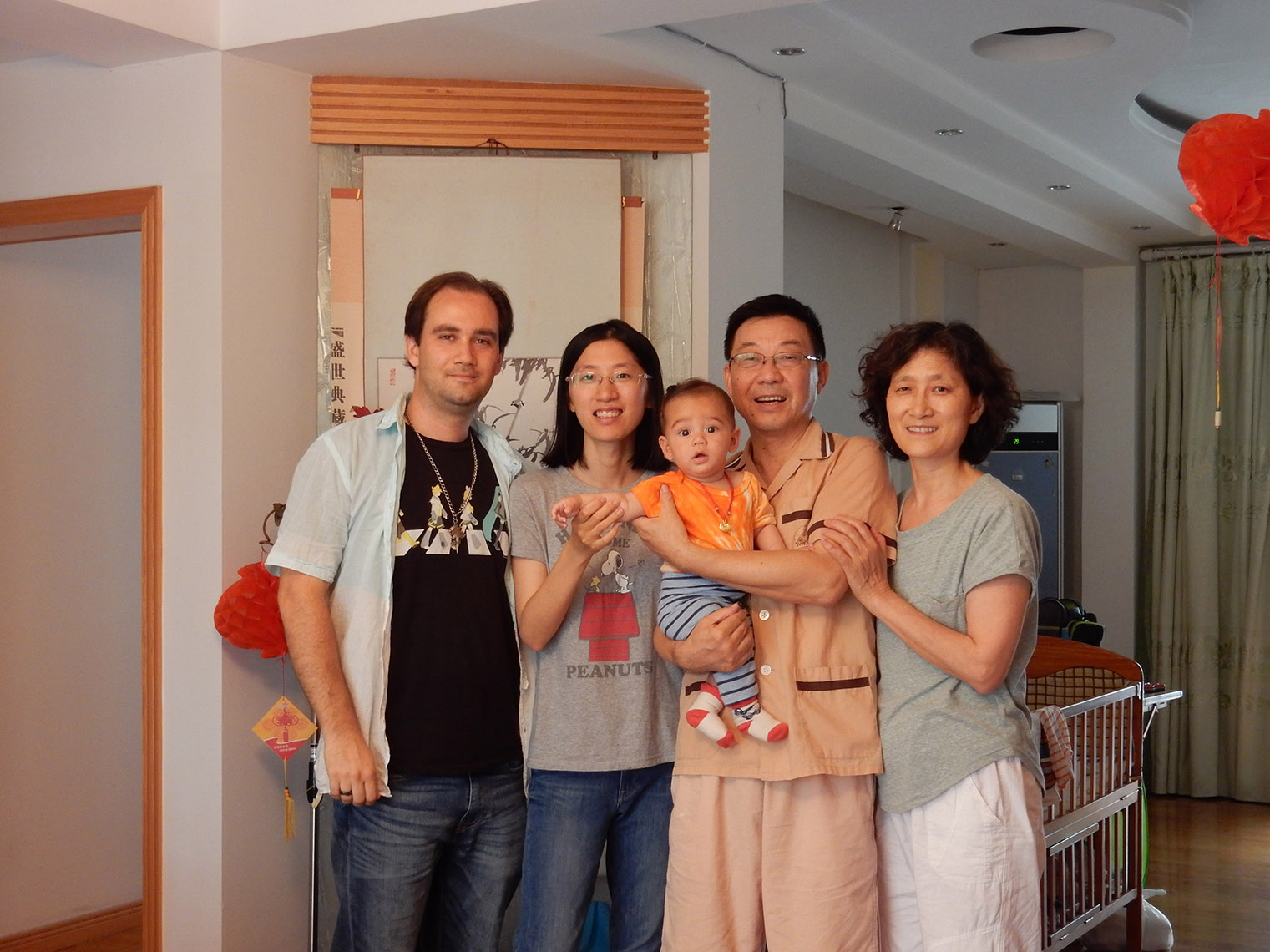
We spent a while walking around and seeing some of the notable buildings and other sights. Though I feel like we spent at least half the time posing for photos. Connie's dad really really loves taking photos of everyone in different places and poses (and frequently getting passersby to take the pictures so he can join in). (Sorry about the low quality, by the way, the photo was taken with a cell phone then sent to me through a chatting app which compressed it a ridiculous amount.) I think he went a bit overboard, but it was a fun trip and I certainly wouldn't mind going back to Caishiji in future to explore some more of the area.
After spending a while at Caishiji, went drove to the small town right outside the park. It's a bit of a tourist area (though many of the buildings are a bit on the old and rundown side) and ate at a fancy restaurant that specialized in fish from the river. Though we also got some other dishes including a bamboo and goose soup. I think this was my first time eating actual goose and it was pretty good. Sort of halfway between duck and turkey. The first was good too, though I liked one of the two fish dishes we got (which was a variation on flower fish, a Chinese favorite of mine) a lot better than the other.
Random China Comment: Driving Speed
I've already written about how crazy driving in China is. The limited regard for traffic lights and other signals, the lack of a pedestrian right-of-way, the crazy turns and lane changes drivers make, all the horn honking, etc. With all that, it always surprised me that I wasn't seeing an accident on every street corner. But I think I might have figured out the reason. In general, people in China seem to drive at a slower speed than in the US. I'm not quite sure if that's due to a speed limit (haven't been paying enough attention to the signs) or if people just drive that way of their own volition. But I'd say that slower speed goes a long way towards preventing all the accidents that their crazy driving style seems like it should cause. Trying to react to all this stuff while driving at 45 or 50 mph (or whatever that is in kilometers) would be near impossible at times. Doing so at around 30 seems a bit more reasonable.
Random China Comment: Ctrip
Ctrip is a hotel booking web site for China. The majority of Chinese hotels aren't on major US booking sites (like Expedia and the like) so, if you want the best deals and best selection, you need a site that specializes in Chinese hotels. My first time in China, I used a site called Agoda. It worked, but there were a lot of things I didn't like about it, so next time I tried Ctrip instead. Overall, I like it better, though it still has its issues. For example, it lacks some filters I'd like to have (such as hotels with non-smoking rooms) and its mapping system uses Google Maps...which is totally fine so long as you're not actually in China, where everything Google is banned. I used it on my last trip here and it worked fairly well. So I've been using it again on this trip...or trying, at least. I booked a hotel a couple of days ago for the first of my solo excursions, only to receive an e-mail a little later saying that the reservation had been cancelled because my card hadn't gone through so I should try again. Well, my success rate with my credit card in China has never been perfect (maybe 80% - 90%), so I decided to give it another shot, only to have the site tell me I could no long book that hotel on my account. No reason was given. That was weird. Out of curiosity, I logged out and tried booking the hotel as a guest user (using the same info and credit card), it worked fine. So I went ahead and booked my second hotel as a guest and it also went through perfectly. The next day, I needed to book one last hotel. I decided that the last time had probably been a fluke so I logged into my account and gave it a try. However, shortly after making the reservation I received a call saying that the hotel was full so it it didn't go through. Weird, but not impossible. So I found a different hotel and booked that...only to get a call saying that not only was that hotel also full, but my credit card had been declined. At this point, I was getting a little suspicious, so I logged out and tried to book the first hotel as a guest...and it worked. Naturally, this made me wonder if they had put some kind of secret flag on my account and were automatically canceling every booking I made with it. No idea why they'd do that (I never had a problem with Ctrip or the hotels I booked through them in the past), but it seems unlikely to be a coincidence either. I was actually tempted to have Connie call them up and yell at them in Chinese to get to the bottom of things (the phone calls I got were in English, but the operators were clearly Chinese), but decided I didn't want to risk my successful bookings getting canceled as well. So, the moral of the story? Ctrip, despite its faults, is probably one of your best options for booking hotels in China. However, I recommend not making an account and booking everything as a guest, since it seems to work better. That's what I'll be doing in the future.
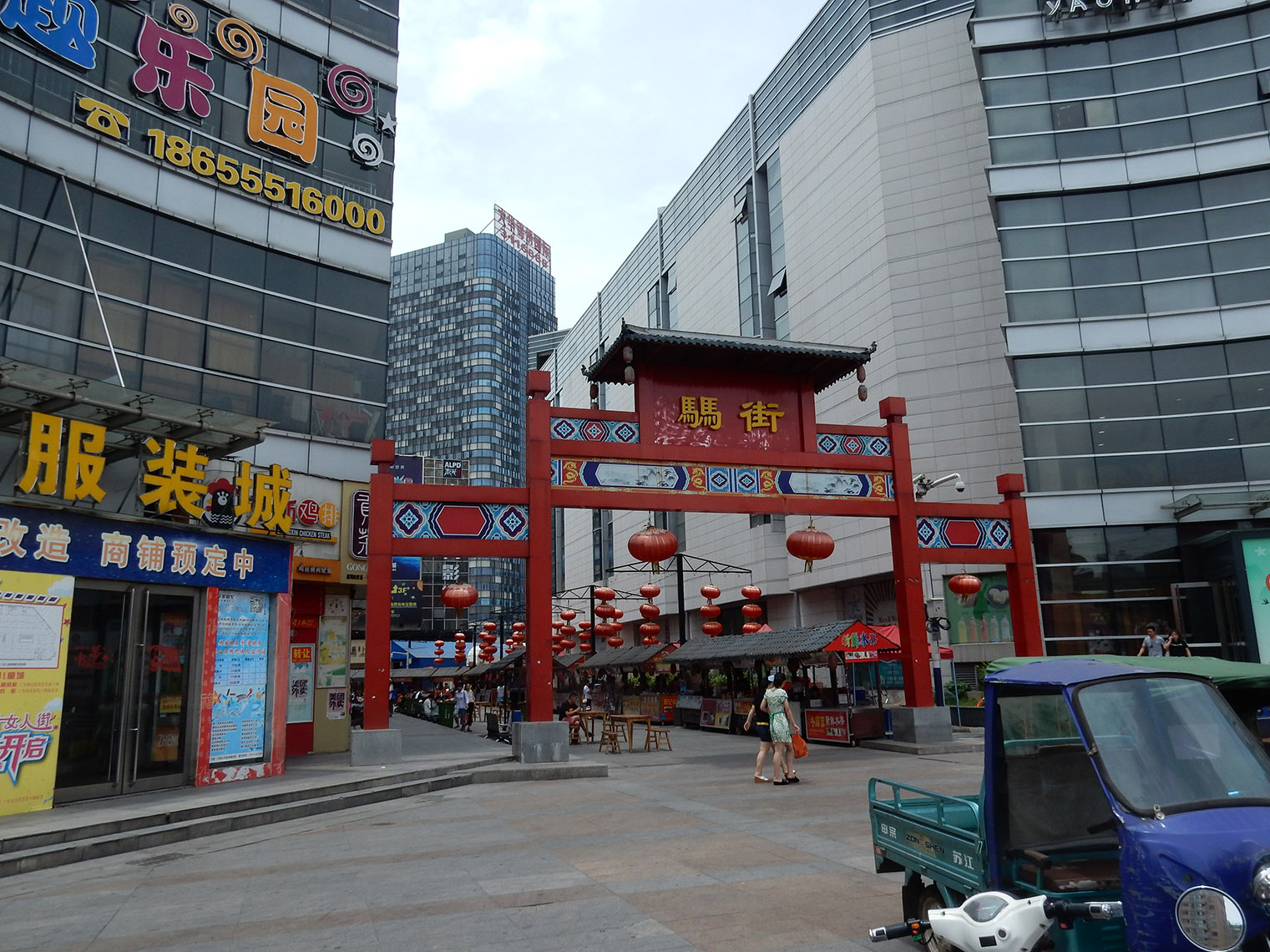
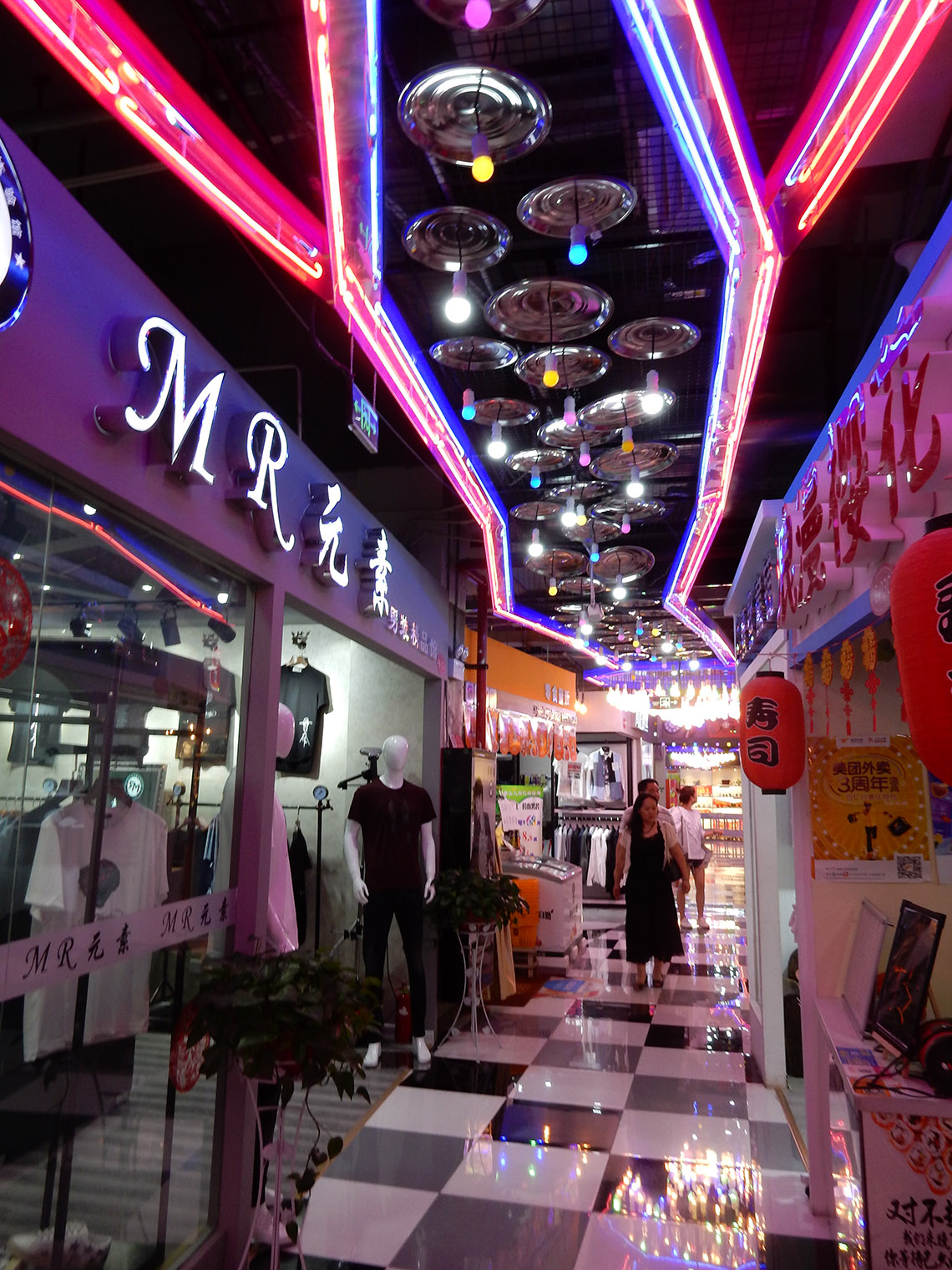
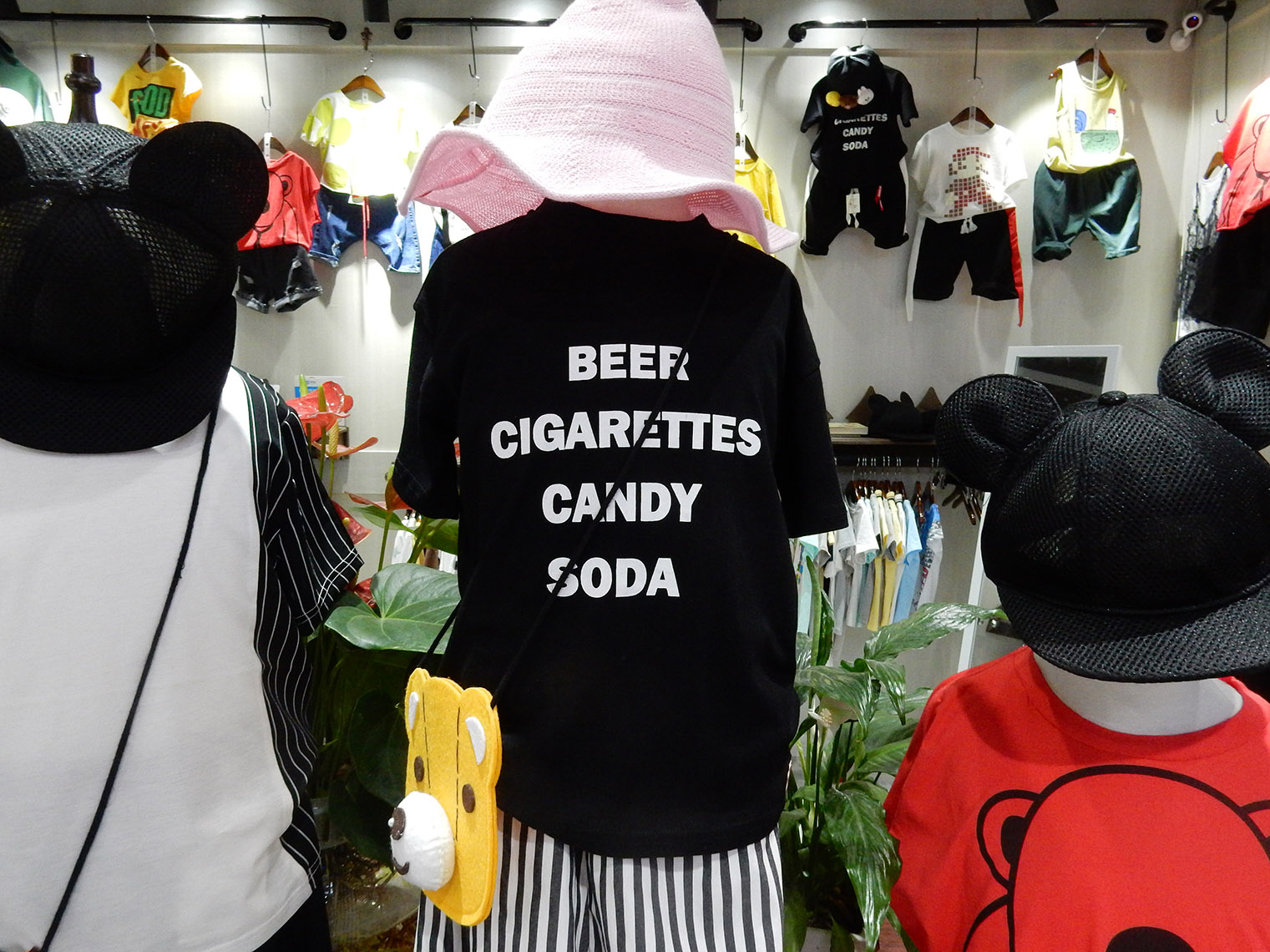
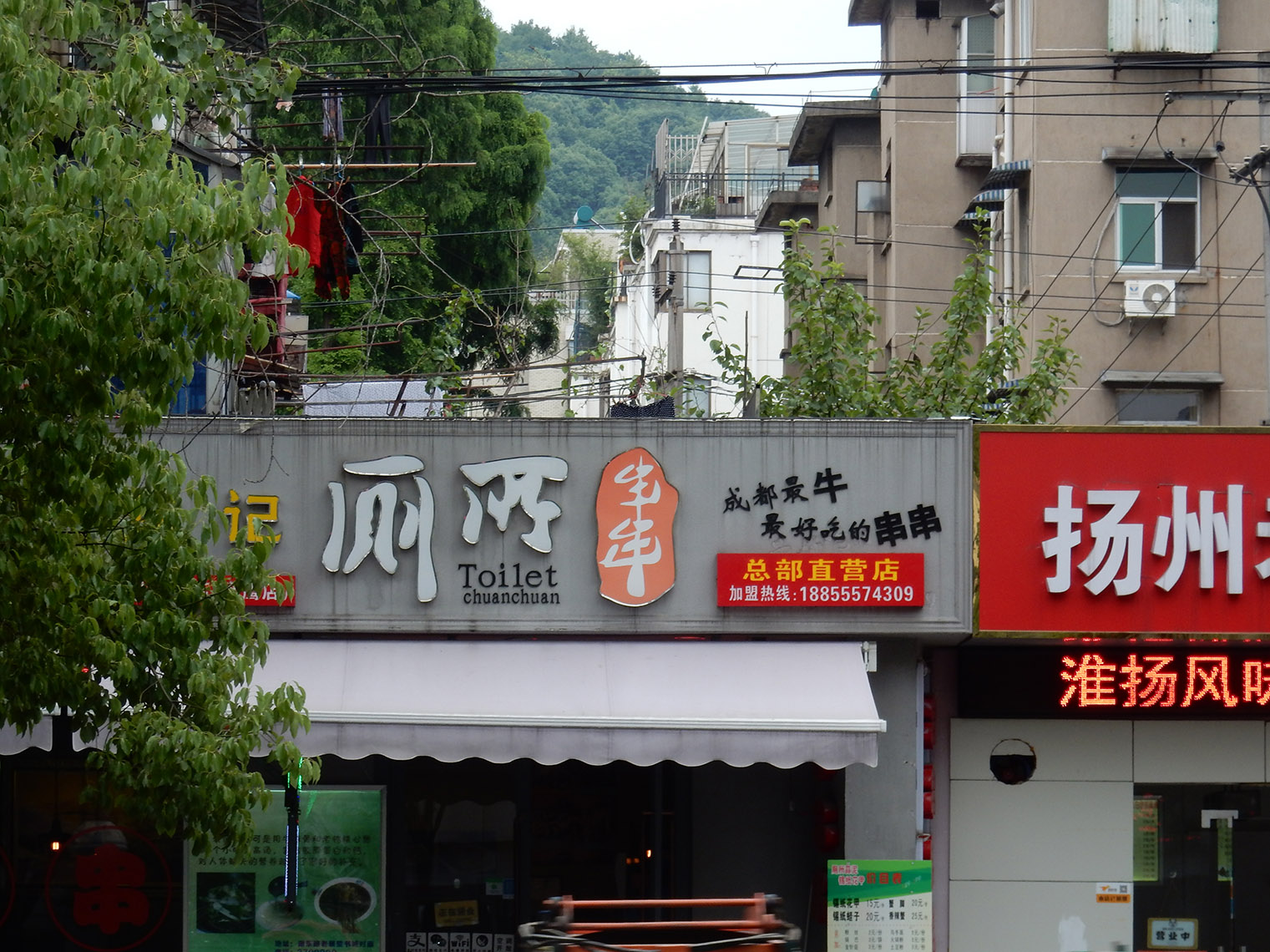
I eventually got tired of looking around and headed back, though this place caught my attention. If you're wondering, no, it's not plumbing related, it's a restaurant (and with a perfectly decent looking menu). Yes, seriously. Figuring they were the victim of a really bad translation mistake, I asked Connie to read the Chinese characters but the name is the same in Chinese as well. Weird... I mean, it's attention getting, sure, but doesn't really make me want to eat there...
Tuesday, we had another lunch at the fancy restaurant from before. This time it was a smaller group consisting of some of Connie's dad's old friends and their families. It was enjoyable, and I got to try some foods that I hadn't at the previous meal, though once again I couldn't really understand anything that was being said.
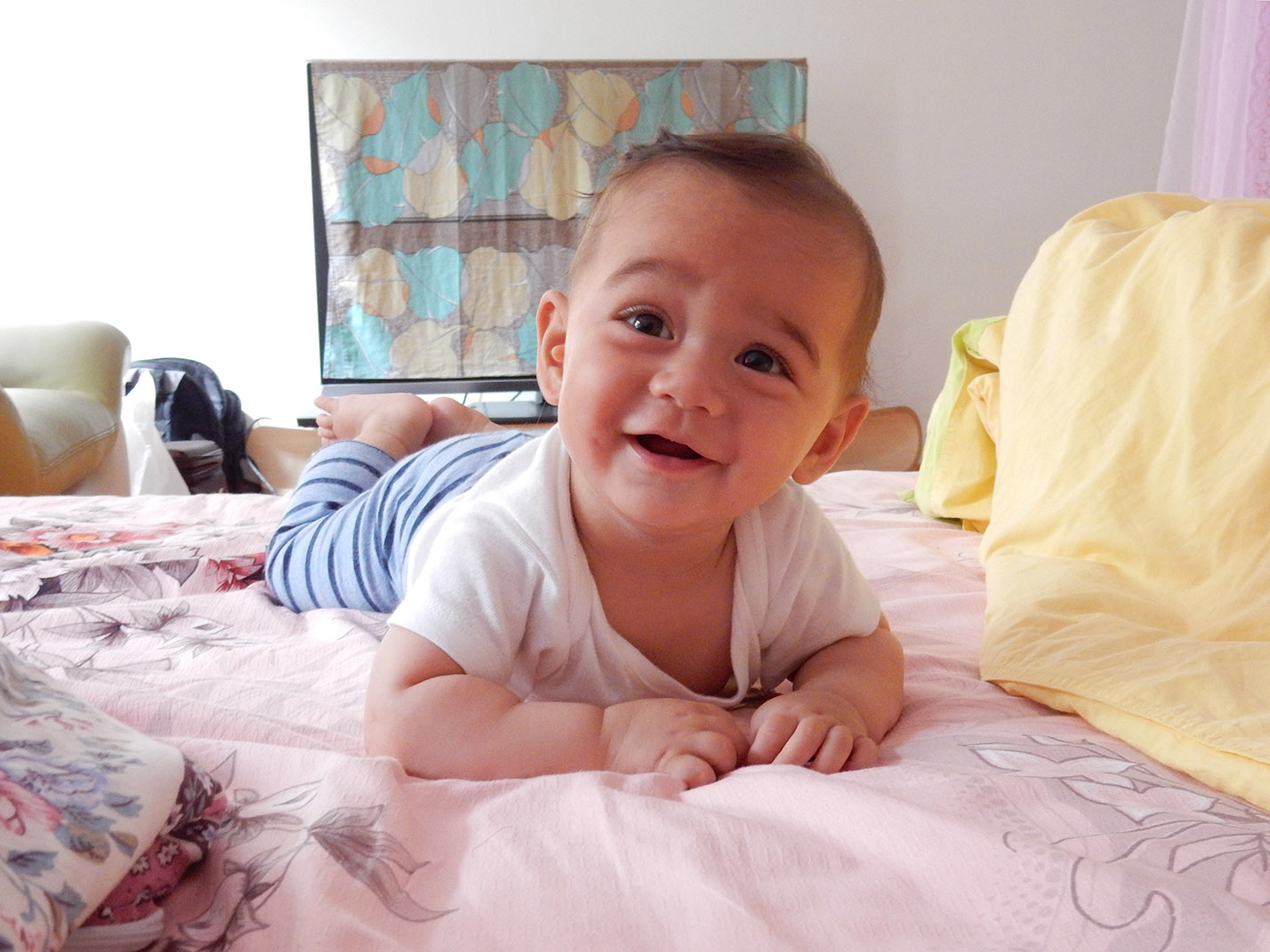
And, while not directly related, I haven't posted a good photo of Zack in a while so...
Connie's dad drove me to the train station in the morning, from where it was a very short trip (around 15 minutes) to Nanjing. Of course, I had to wait in the train station for over an hour because the first train was already full. Though, from past experience, that seems to almost always happen in China if you don't buy your ticket at least a few hours in advance. Which is also why my first task upon arriving in Nanjing was to buy a ticket for tomorrow's excursion.
Nanjing is one of China's former capital cities and was also a major trade hub. It's now a huge metropolitan area known as one of the country's nicer cities. I previously toured Nanjing with Connie for a few days on my first trip to China and I saw most of the major tourist attractions then, but there were a couple things I missed, and it also made a convenient hub for another destination.
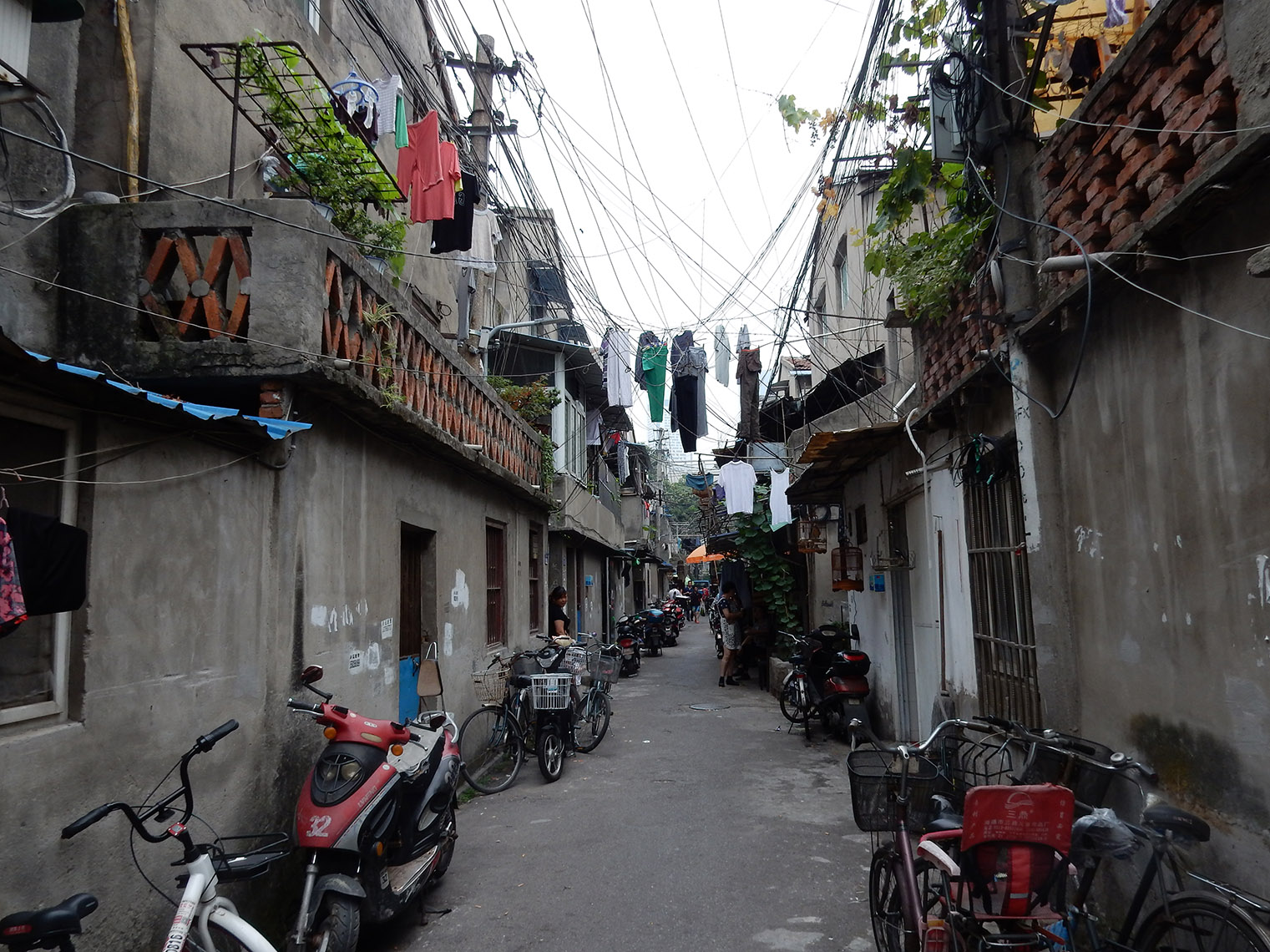
Anyway, I was originally planning to go to my hotel first and drop off my backpack, but figured I could deal with it for a few hours and decided to go straight to my first destination, the Nanjing Museum. While I'd made some notes about the museum's location in my travel plan, I decided to forget about them and use Google Maps to plot the quickest way to get there. Said route took me through some very old and run down alleyways, which were interesting to see, but left me thinking that there had to be a better route. Note that said alleys never really felt dangerous, but they're a strong reminder that modern day China is a rather odd mix of first world and third world living conditions (and a lot inbetween the two (is there such a thing as "second world"?)). It's kind of hard to believe that alley and this street (that photo was, obviously, taken much later in the day) really aren't very far apart. But, getting back on track, as I neared the location on the map, the area just didn't look right so I checked my notes and discovered that I was nowhere near the museum. Turns out that Google had led me to the Chaotian Palace, which houses the Nanjing Municipal Museum. But Google apparently lists both it and the Nanjing Museum as just "Nanjing Museum". I was a bit annoyed but figured that, since I had come all the way, I might as well check out the palace while as I was there. And I'm glad I did. It's certainly worth visiting, but I'd never heard of before (it's not in my tour book and no one told me about it) so, had it not been for the mix-up, I never would have known it even existed.
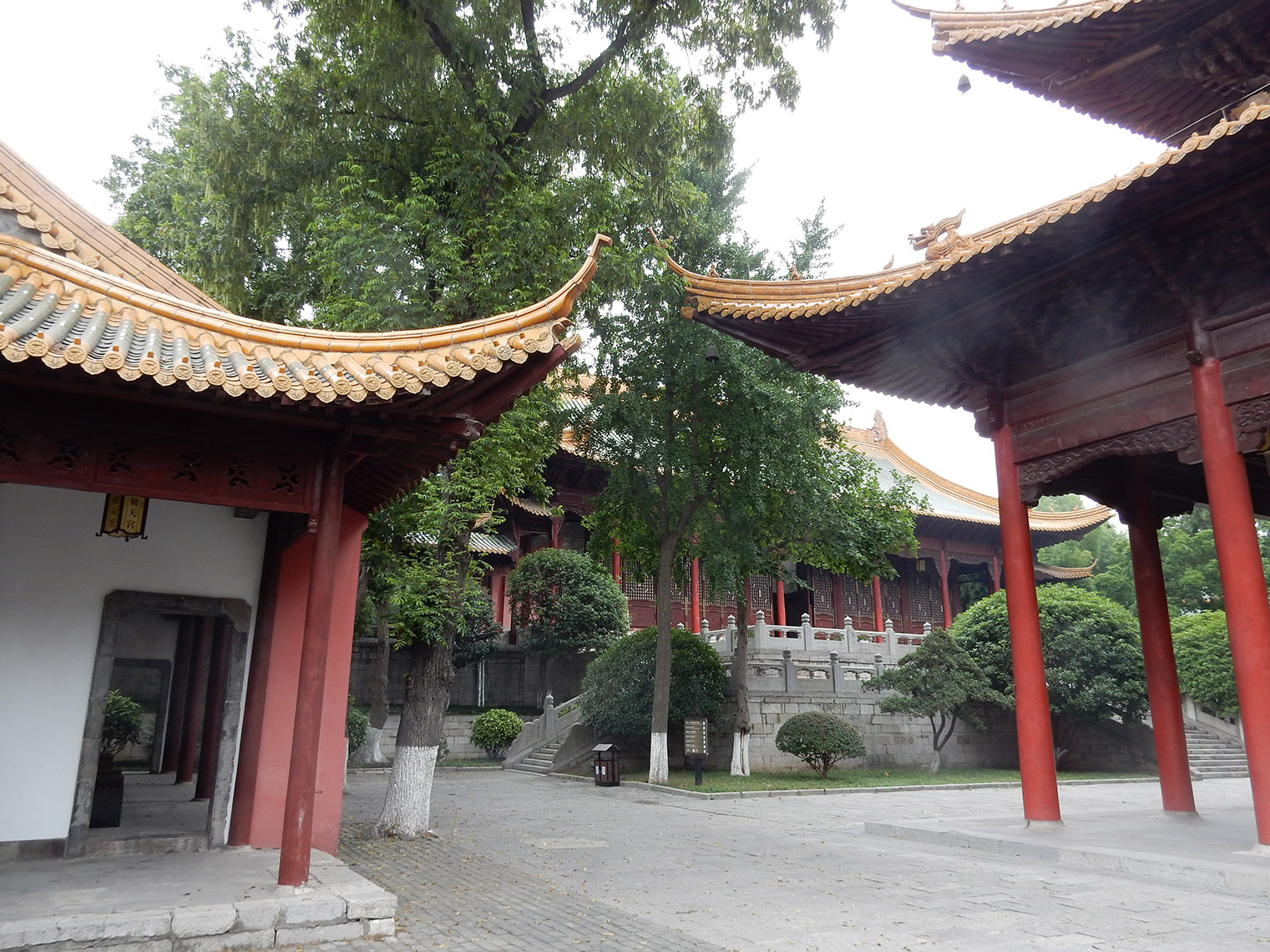
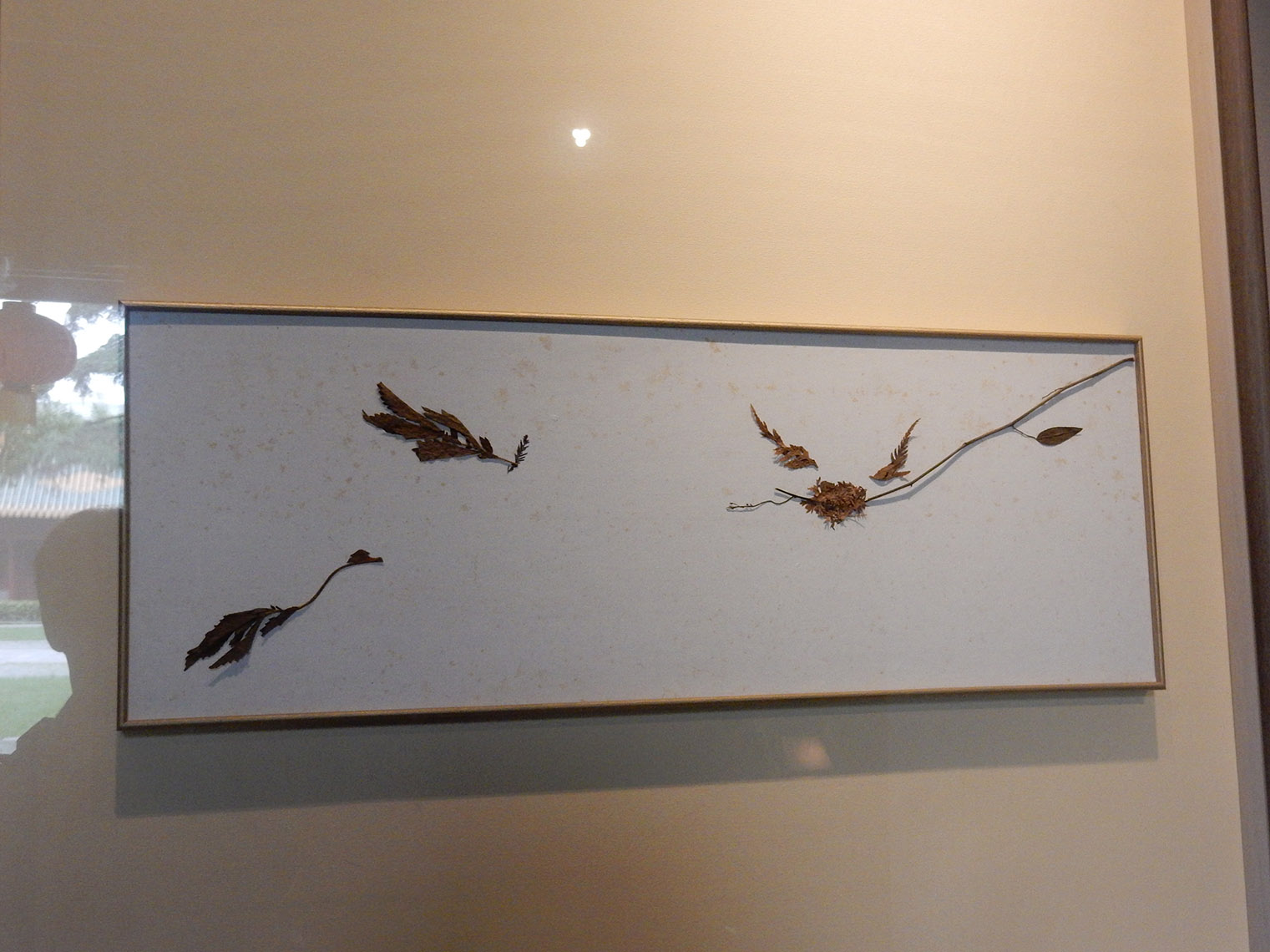
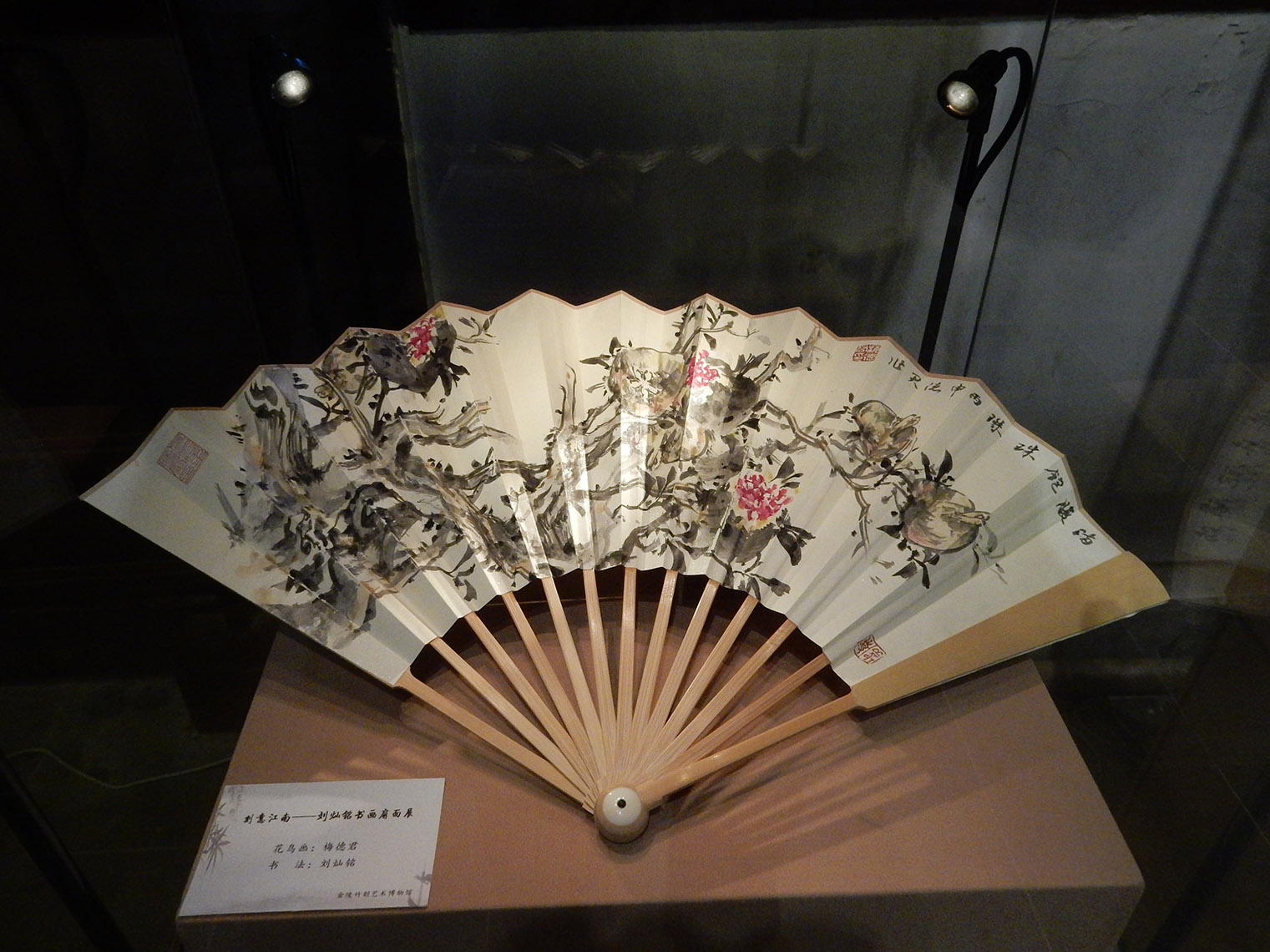
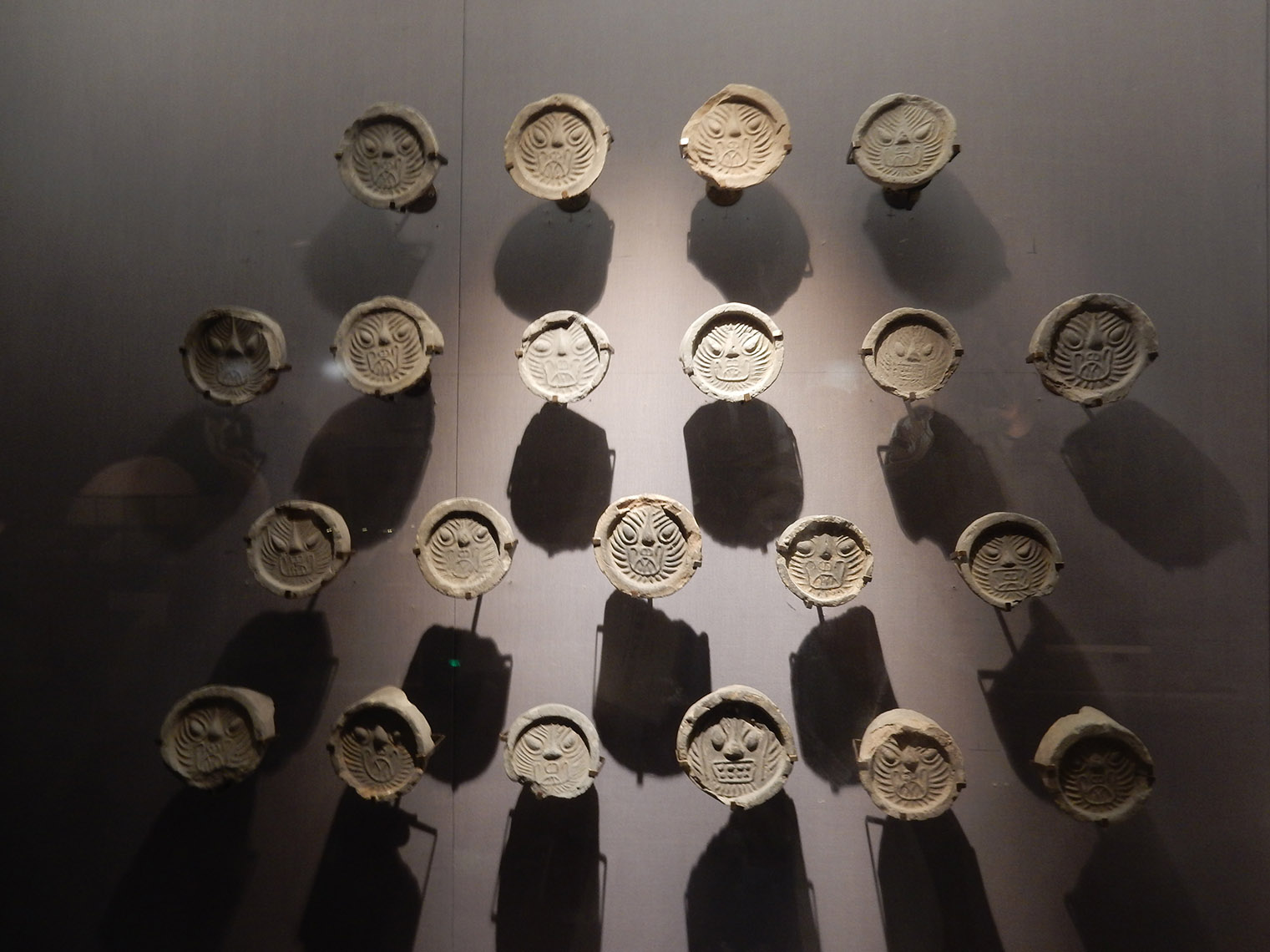
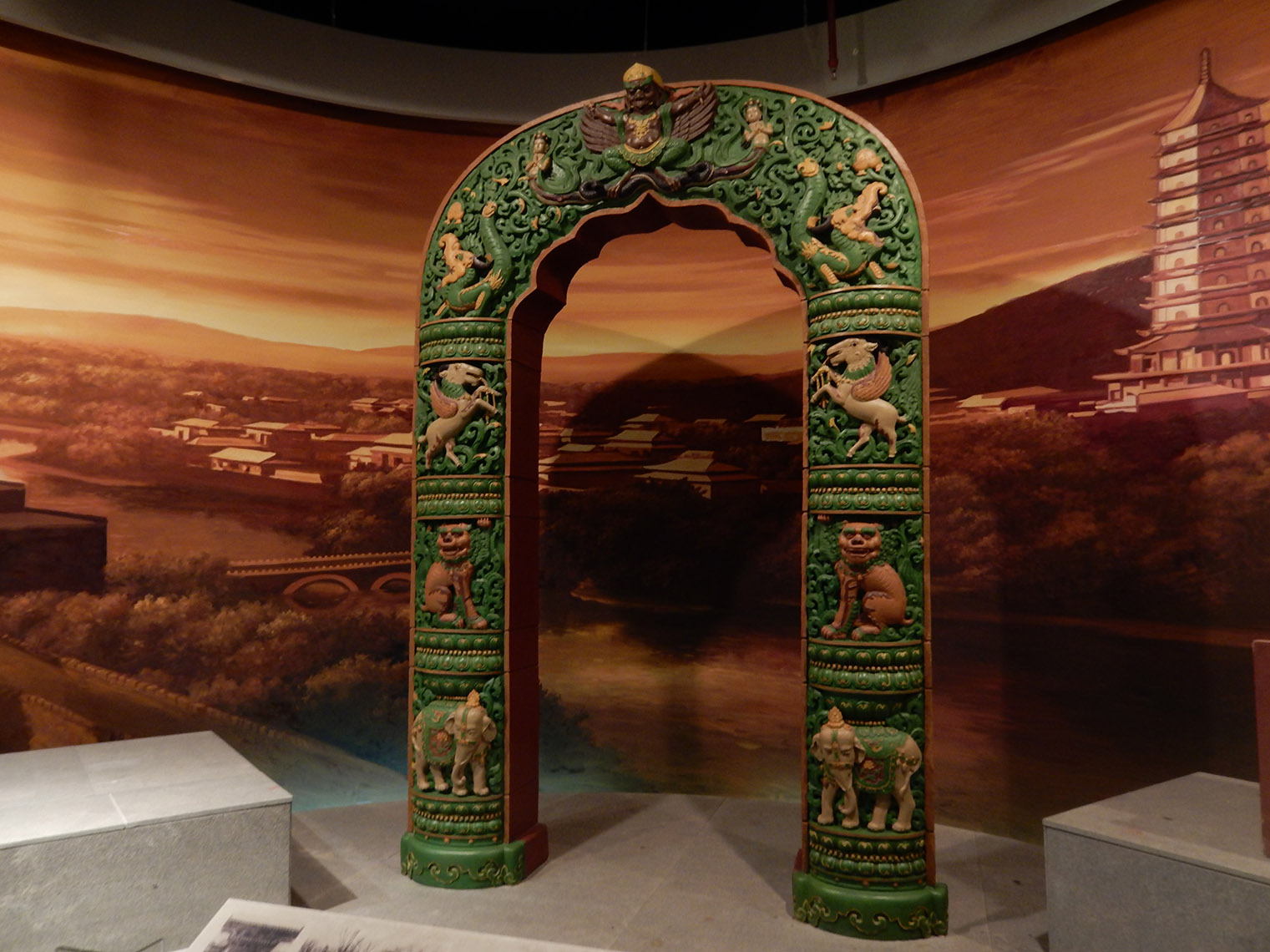
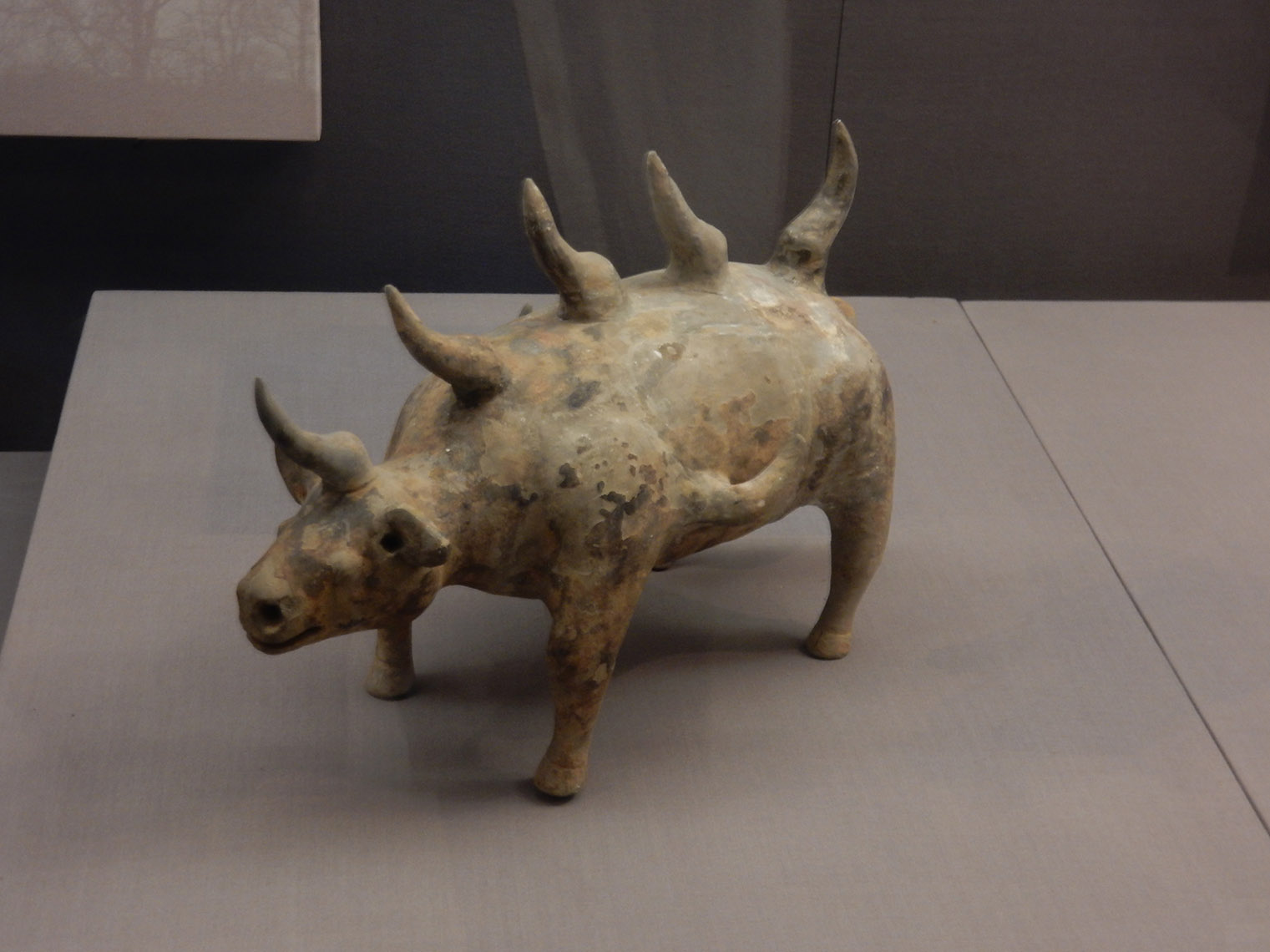
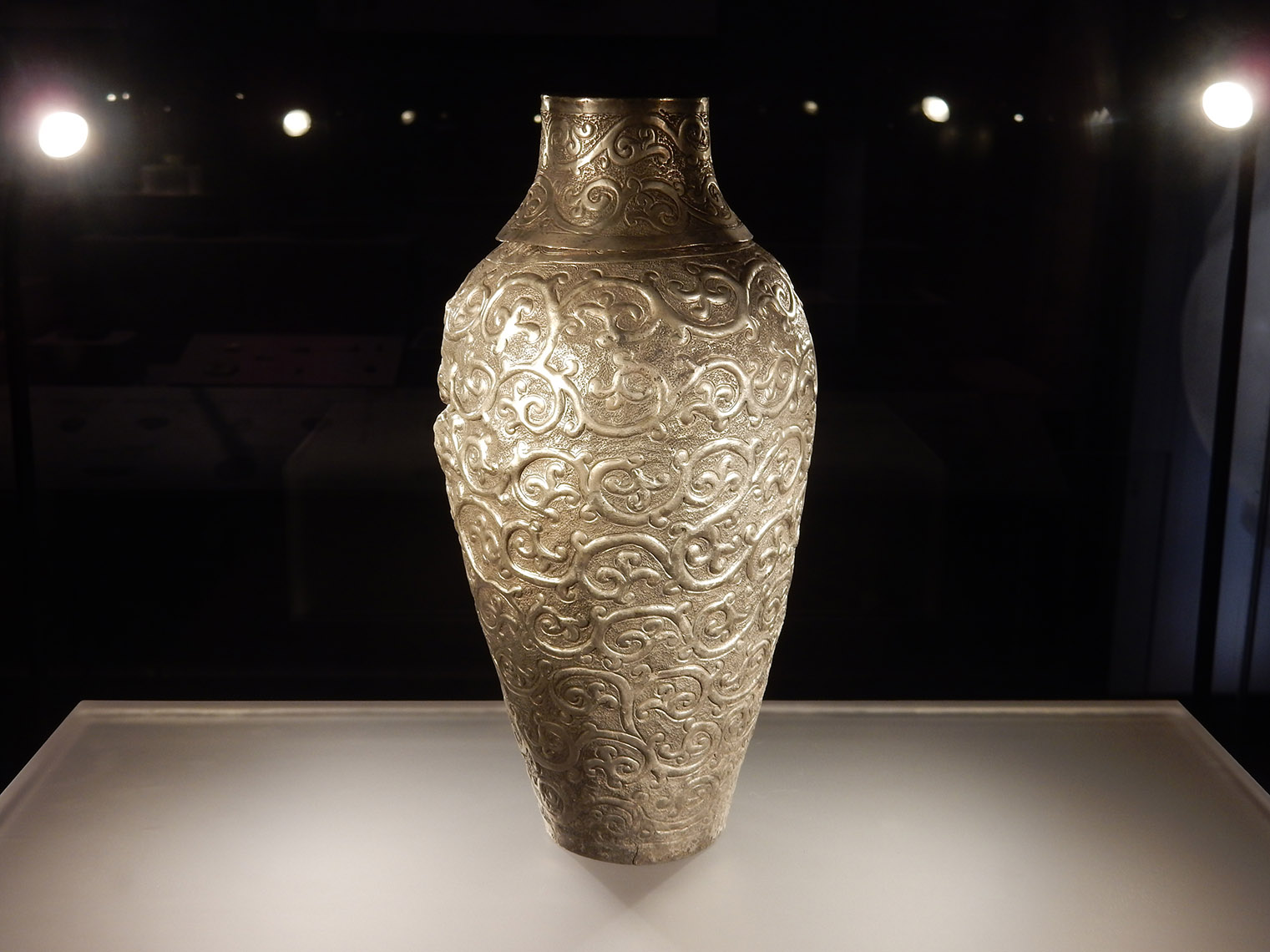
The Chaotian Palace was named (and created?) by the first emperor of the Ming Dynasty in 1385 (which I believe is when Nanjing was the capital). Much of it had to be rebuilt in 1866, but it's still considered to be the largest and best preserved group of ancient buildings south of the Yangtze. Many of the palace buildings held small themed exhibits including dried plants (often incorporated into hand written poems), fancy clocks, and painted fans. Then there was the Nanjing Municipal Museum, which covered the history of Nanjing from its earliest beginnings to the present, complete with a large number of artifacts from various points in the city's history, such as roof tiles and other building parts, pottery (not sure why that bull has a bunch of spikes on its back), porcelain, and metal work. It was a nice museum, and rather interesting, at least from what I could understand. Only a handful of the signs were translated, so I only picked up the basic gist of things. After leaving the museum, I soon came across the palace garden, which was small but pleasant, and slowly worked my way back to the entrance.
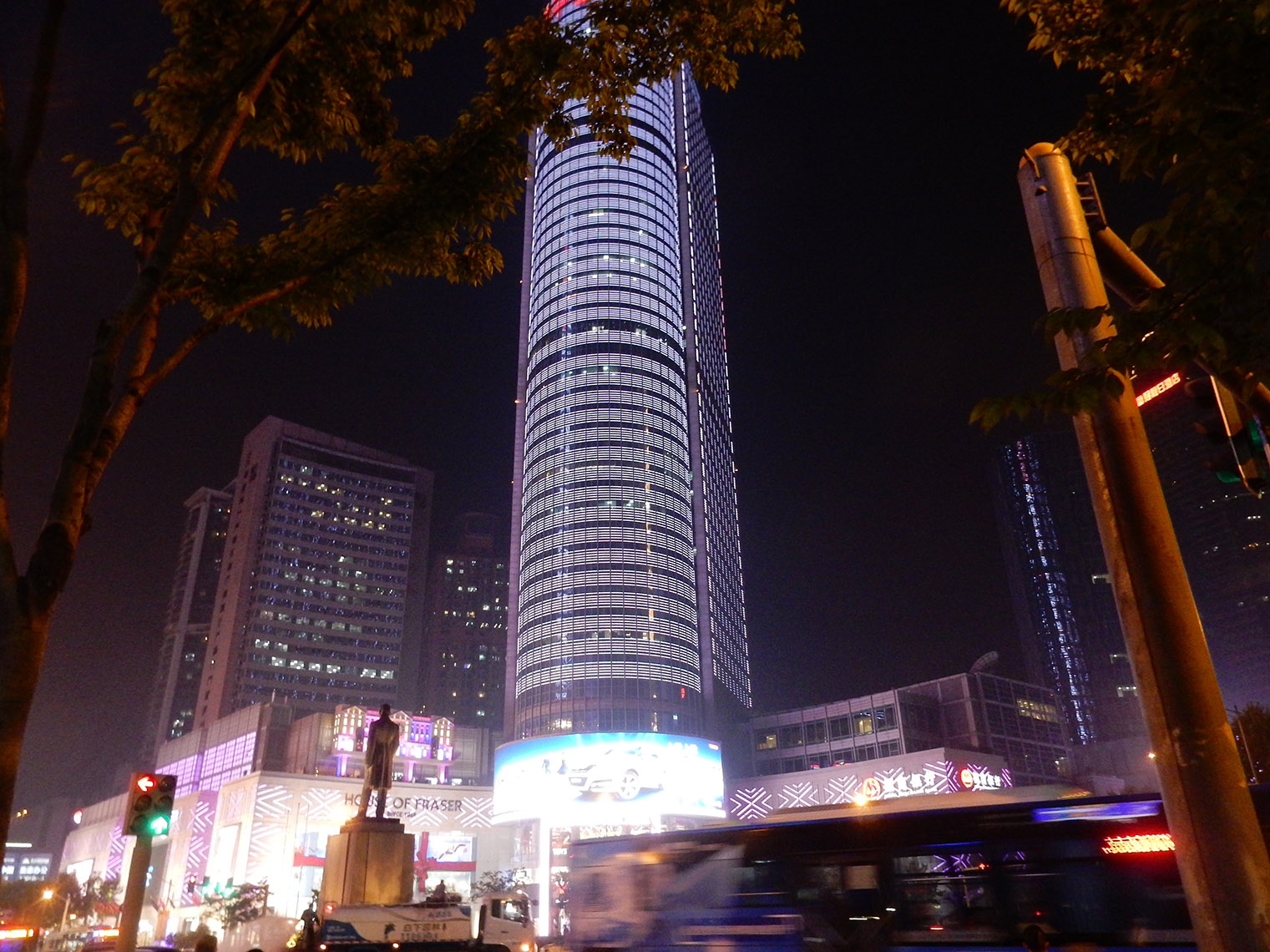
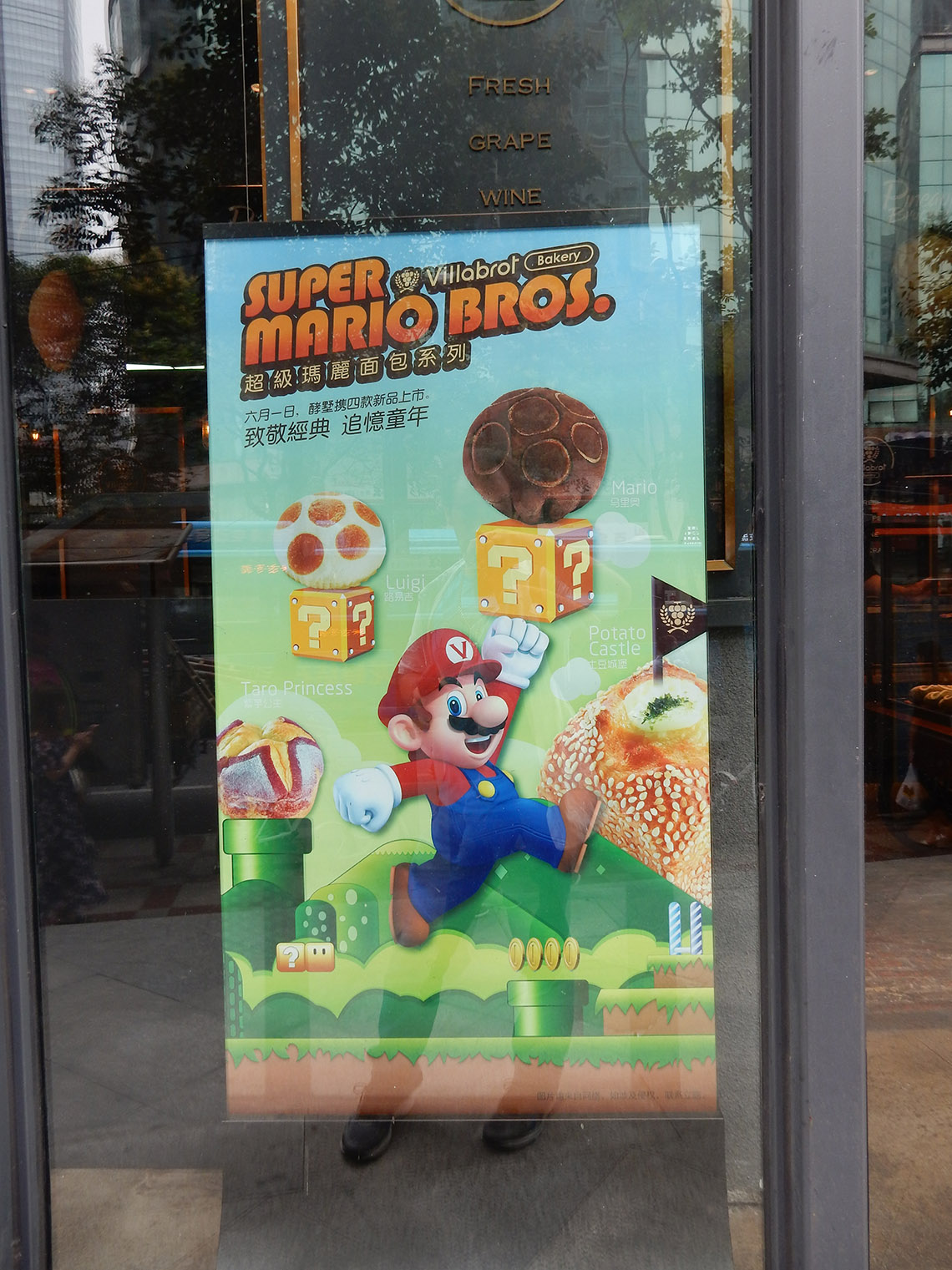
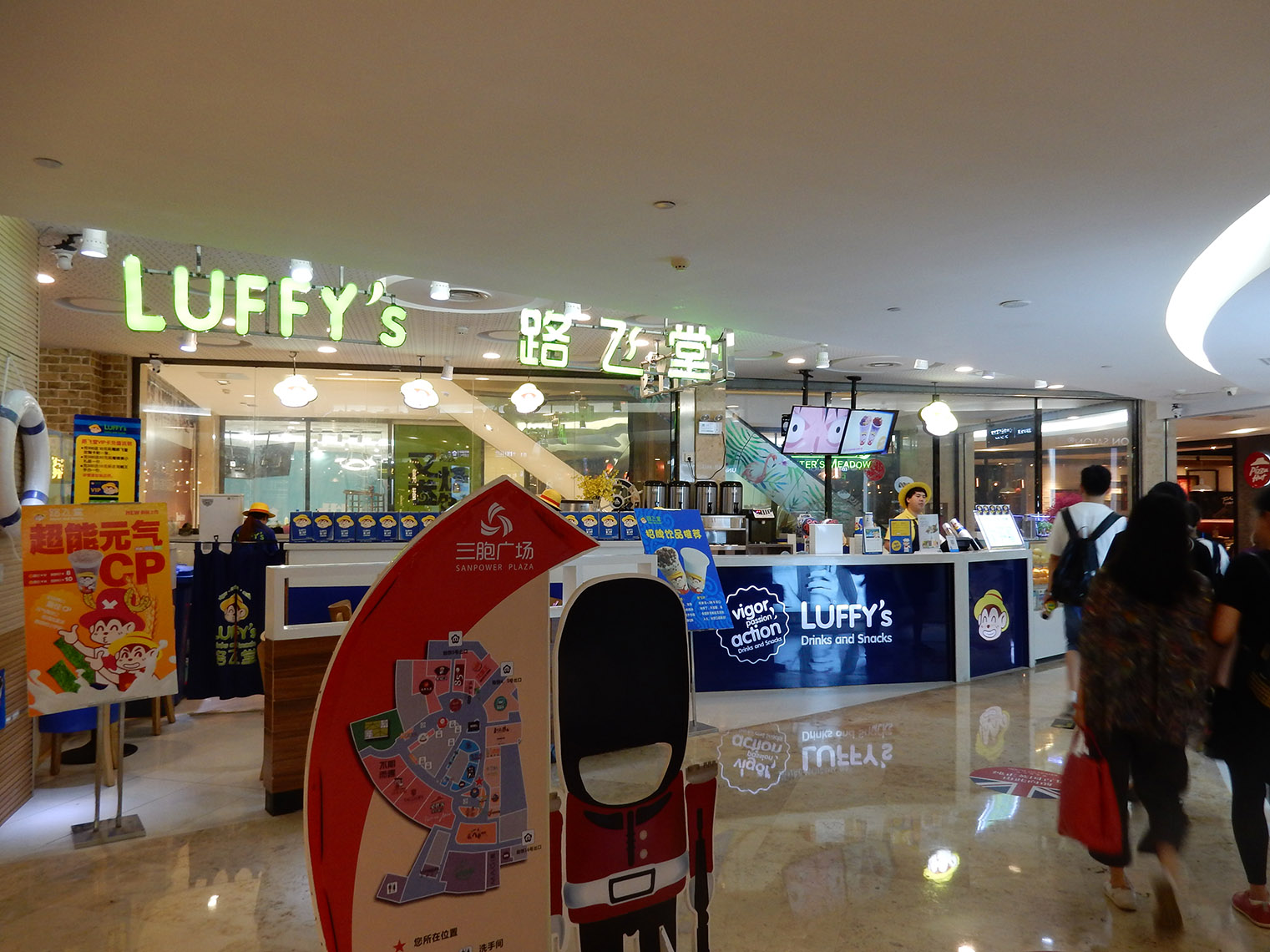
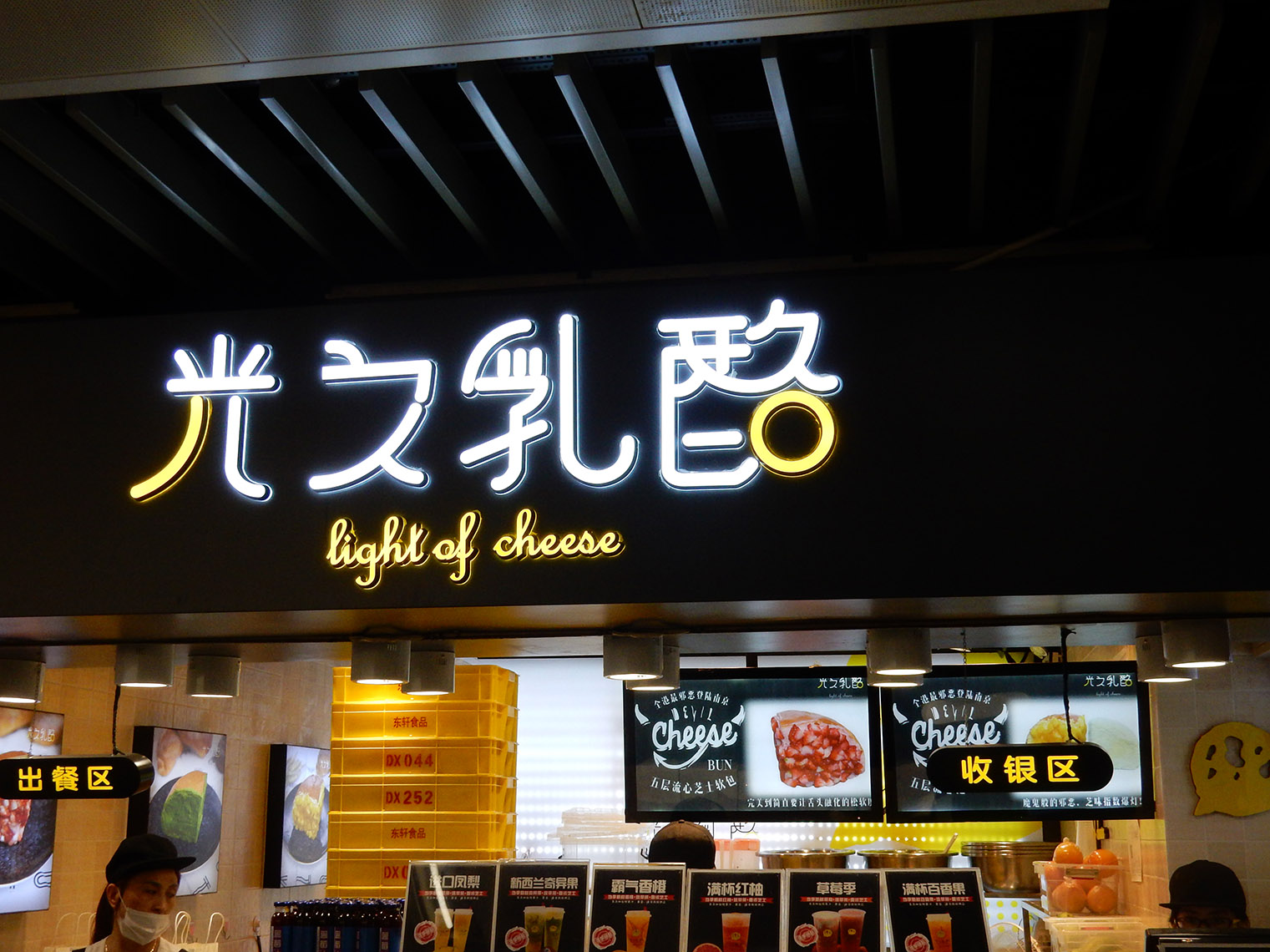
While unplanned, I ended up pretty happy about the museum mix-up. So as not to disrupt my afternoon plans, I decided to save the actual Nanjing Museum for another day and go get lunch. To that end, I walked to the Xinjiekou area (Nanjing's fancy, modern downtown, which is filled with high-end shopping malls) and began looking around. While I didn't get anything there, I did spot a bakery with an interesting (and very likely unofficial) Mario Bros. promotion. Another place I spotted but didn't eat at was this very clearly copyright infringing One Piece themed restaurant. Are One Piece rip-off restaurants a big thing in China? That's the second one I've seen so far on this trip, and it's not like I've visited many areas. I think I may have gotten a glimpse of one in Yunnan last time I was in China too... I guess One Piece must be pretty popular here, but it's still odd.
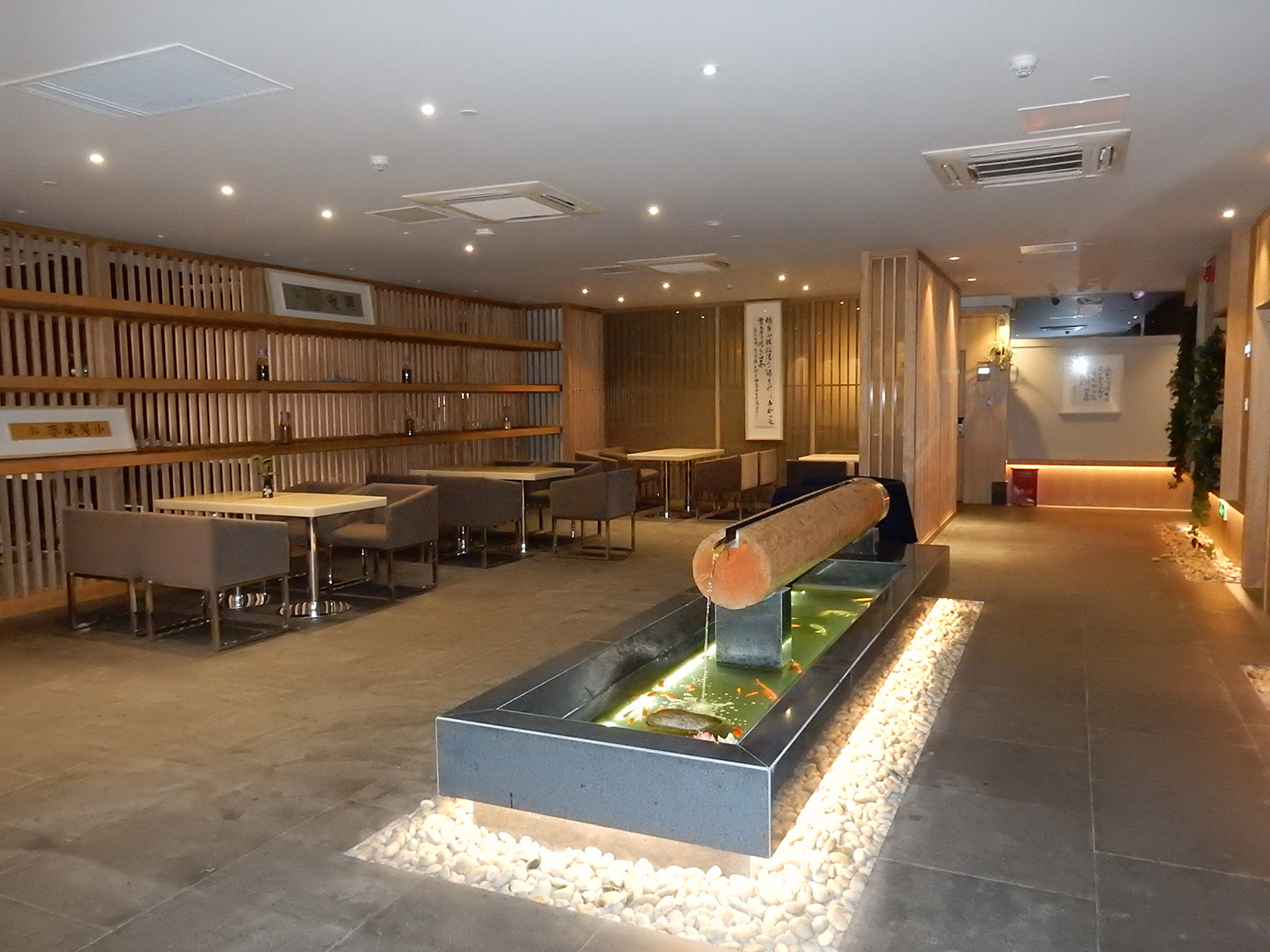
After a slightly late lunch, it was check in time at my hotel (which was nearby), so I swung over there to drop off my stuff. It turned out to be a pretty fancy place, and one of the nicer Chinese hotels I've stayed in. Though the decor seemed almost Japanese in style...
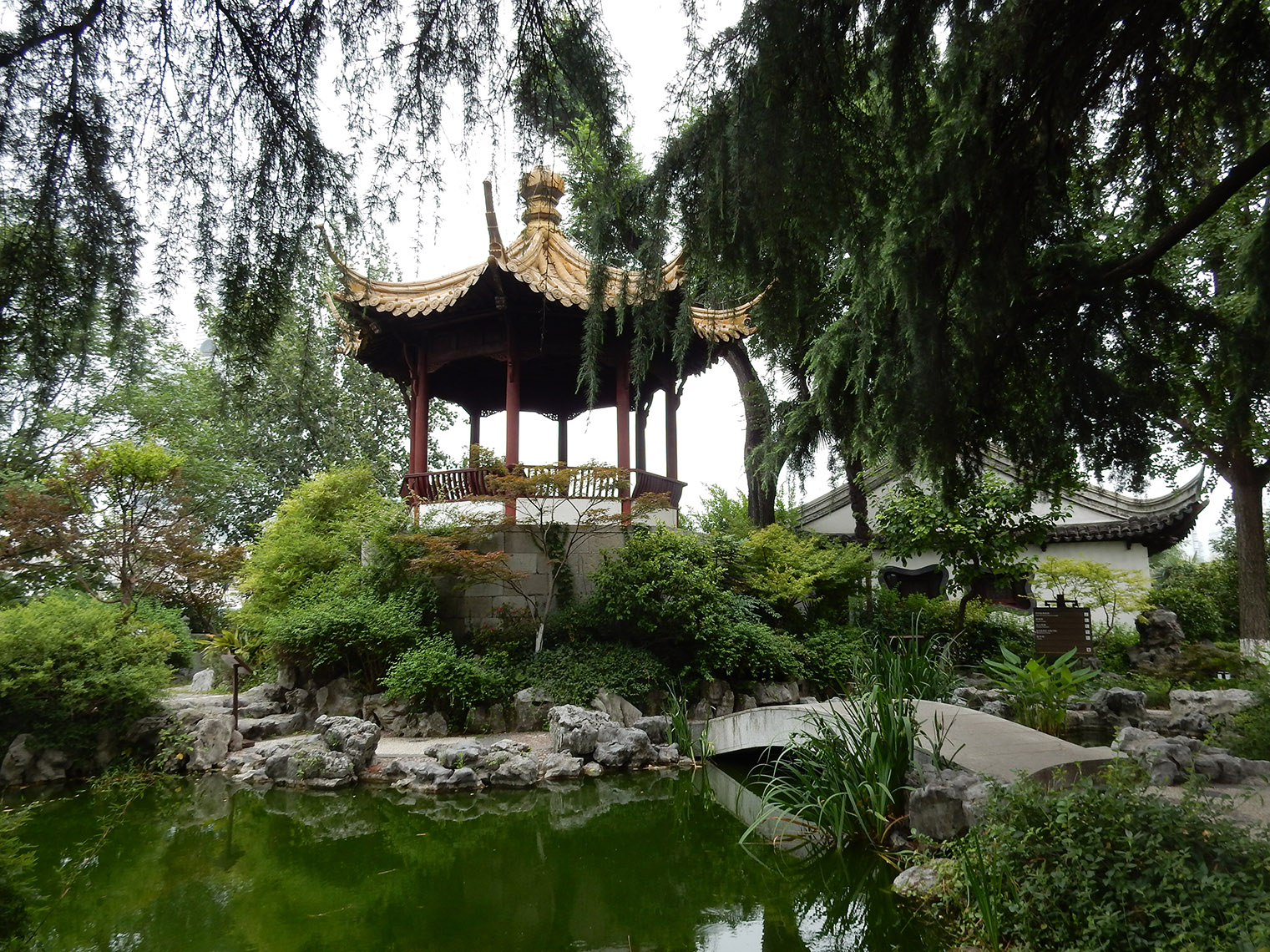
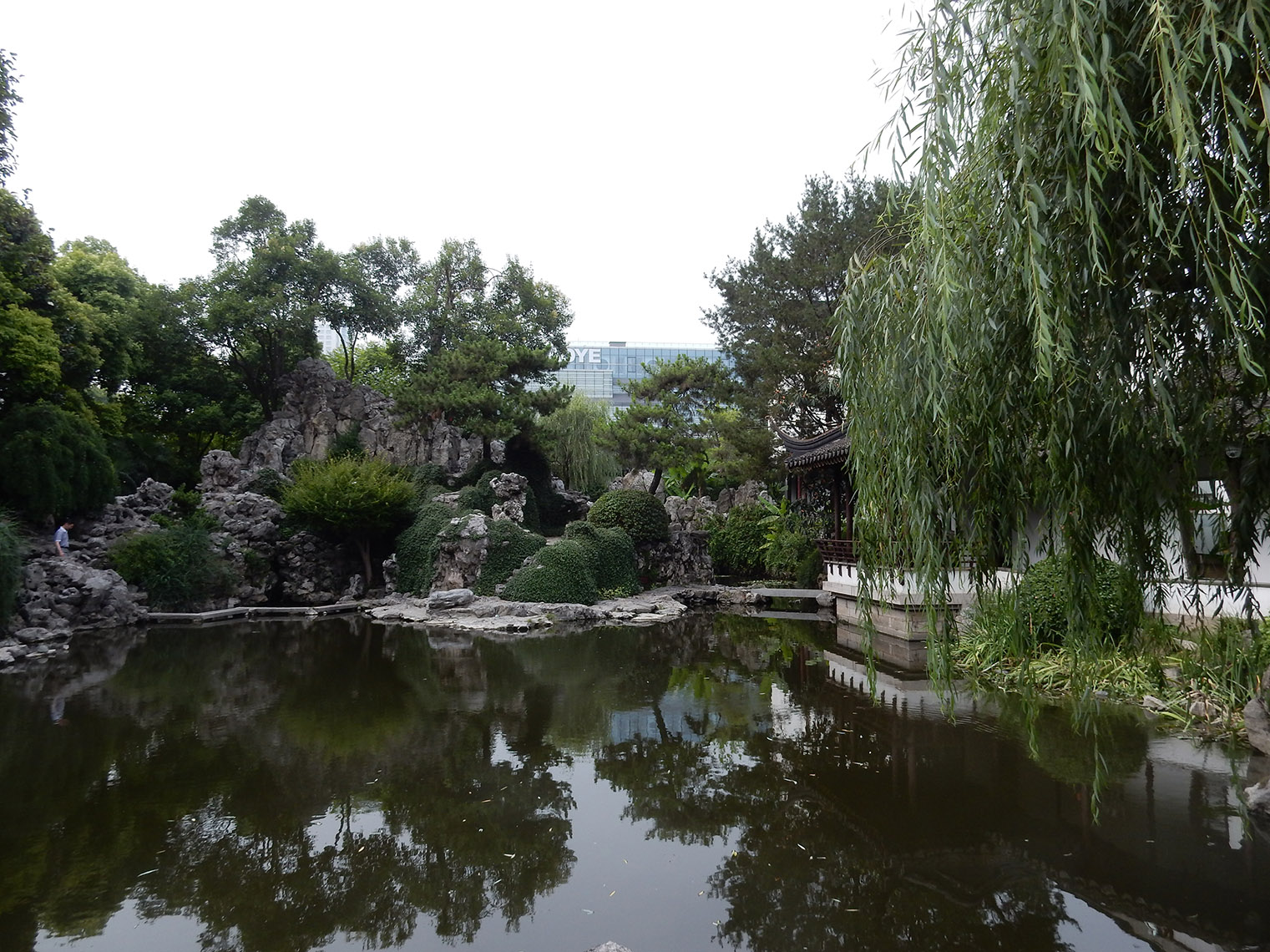
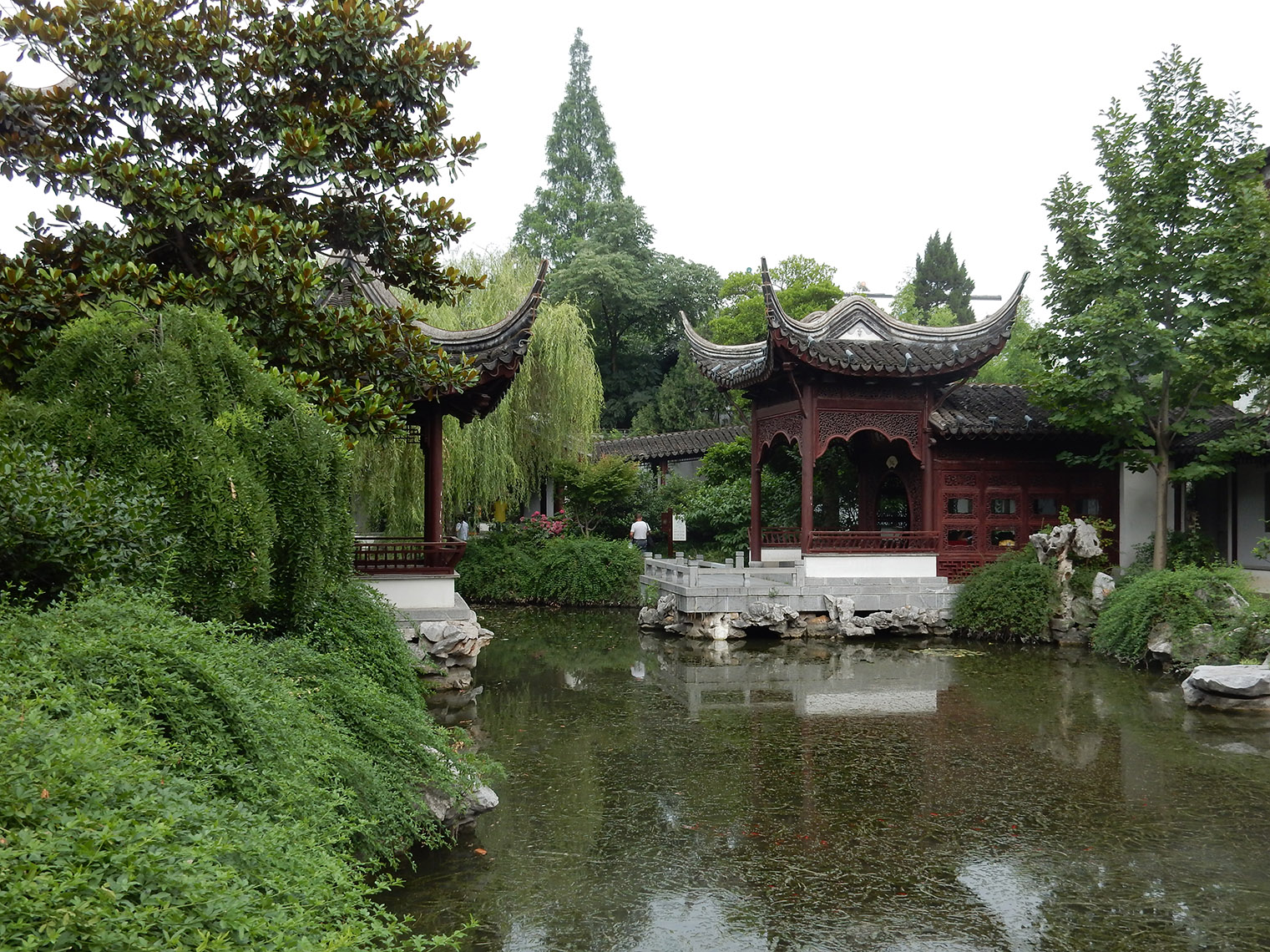
After a short stop at the hotel, I set out (with a much, much lighter backpack) and, after getting distracted for a few minutes by the large underground mall by the subway station, I headed towards the Qinhuai River and Confucian Temple, which is where Connie and I took a boat ride last time I was here. While I'd already seen the temple and ridden the boat, I wanted to spend some more time walking around the streets in that area. I happened to pass by the Jinling Garden on my way and figured I might as well check it out too. It's not a bad Chinese style garden, though it lacked a true stand out feature. That said, I've already visited a number of very famous Chinese gardens. If this was one of my first, I'd probably be more impressed. Still, it was nice to walk through and there were some little museum exhibits in some of the buildings as well.
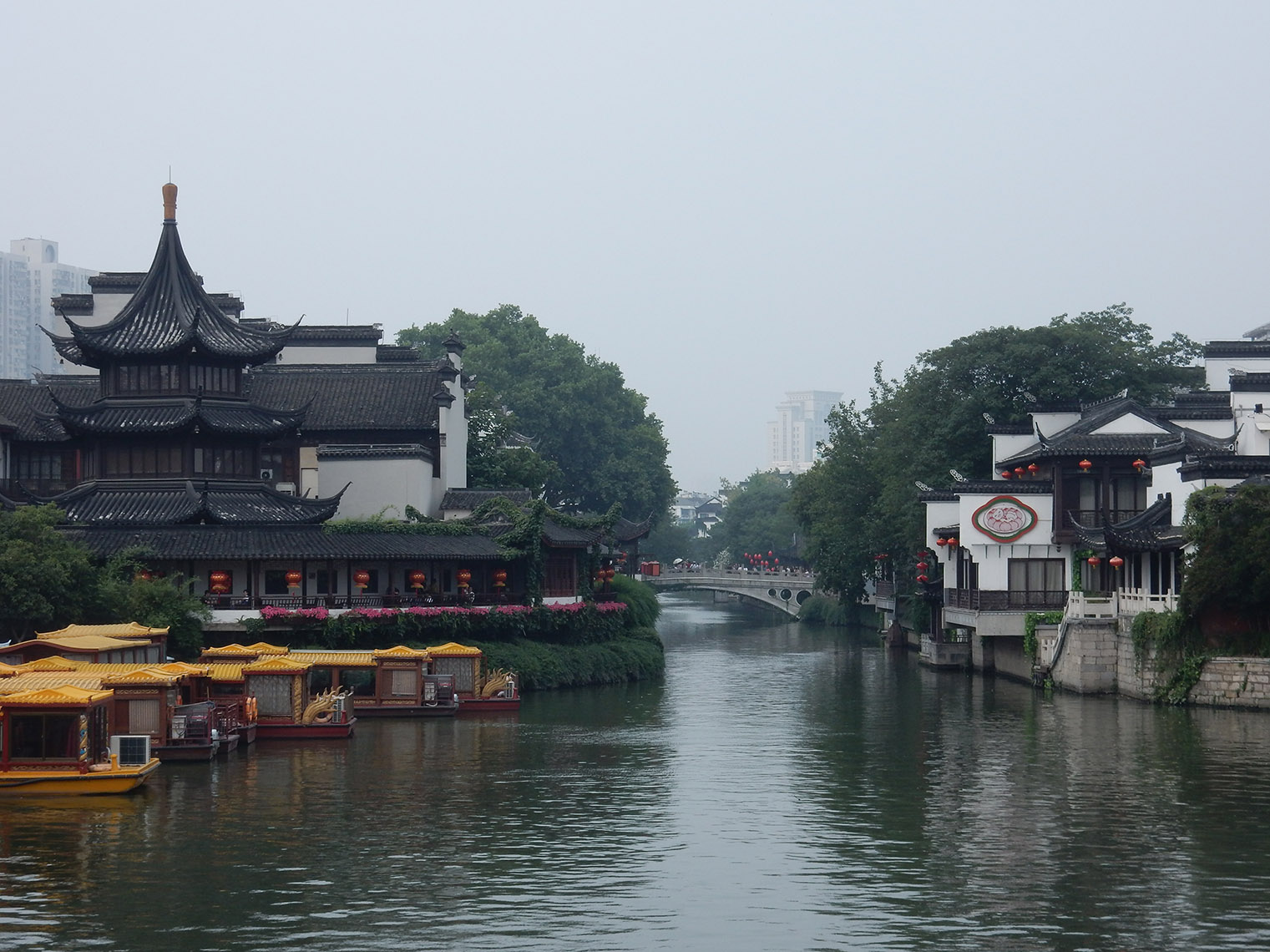
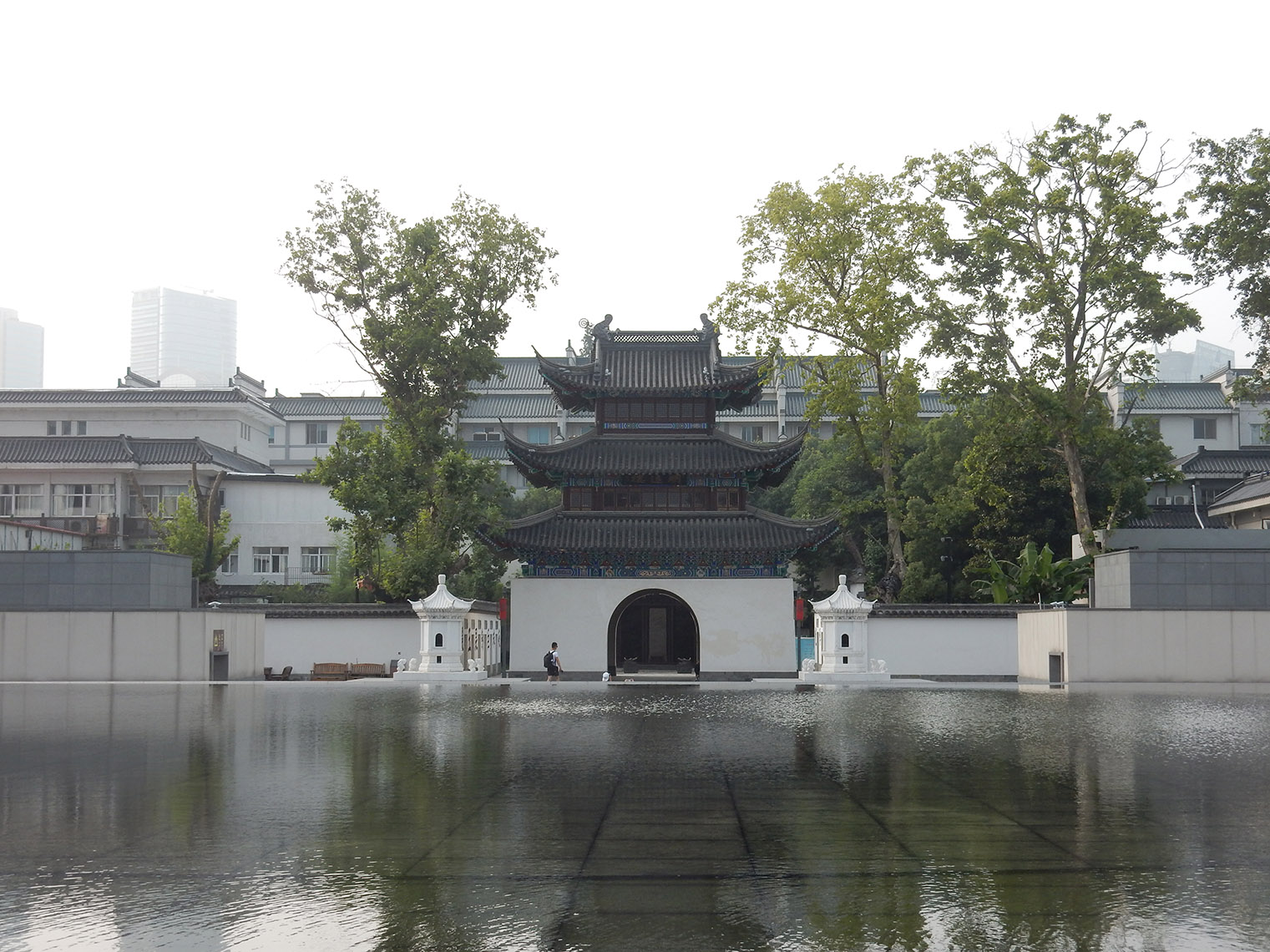
I eventually made it to the area near the river and began to explore. After looking walking down some streets, looking in a few shops, and getting a milk tea with oats (not rolled oats, cooked whole oats) in it instead of boba, I spotted this neat structure. Turns out, it was part of the Imperial Examination Museum. Now, I didn't think the subject sounded all that interesting, and it was somewhere around 4:30 so I figured they'd probably close soon anyway. Plus, with a subject like that, it seemed unlikely that the museum would have much, if any, English. That said, I was there and I didn't really have anything else to do. After a few minutes of internal debate, I saw that they were still selling tickets so I decided I might as well give it a try. As a side note, I never did see the hours posted anywhere, but I left a little after 6 and they were still selling tickets, so it must stay open pretty late.
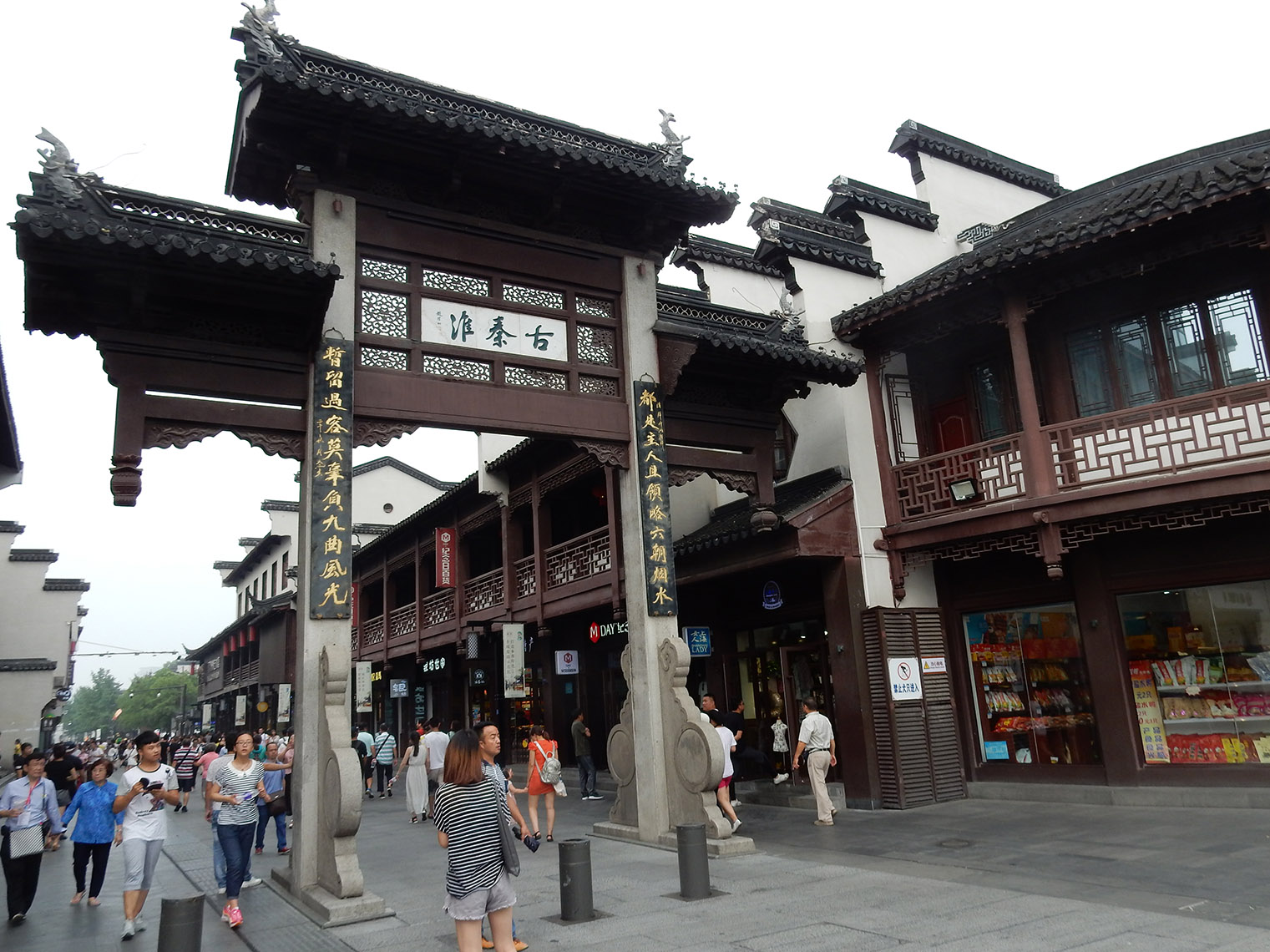
If you couldn't tell from the previous paragraph, I really wasn't expecting much from the Imperial Examination Museum. Fortunately, I couldn't have been more wrong about it. But first, a bit of background information. The imperial examination is a system of tests created in 605 AD and used until 1905 to select Chinese government officials. One of the key points was that the test stressed fairness and that nothing mattered except the scores. At such, it prevented the noble families from controlling the government and provided even the poorest peasants the chance for advancement to the highest ranks. It went on to influence the creation of other such exams in a number of Asian countries and the museum says it also influenced systems in the US and Europe as well, though I'm not quite sure how accurate that claim is. As a note, I had some vague knowledge about the exam before, but most of what I know I learned from the museum.
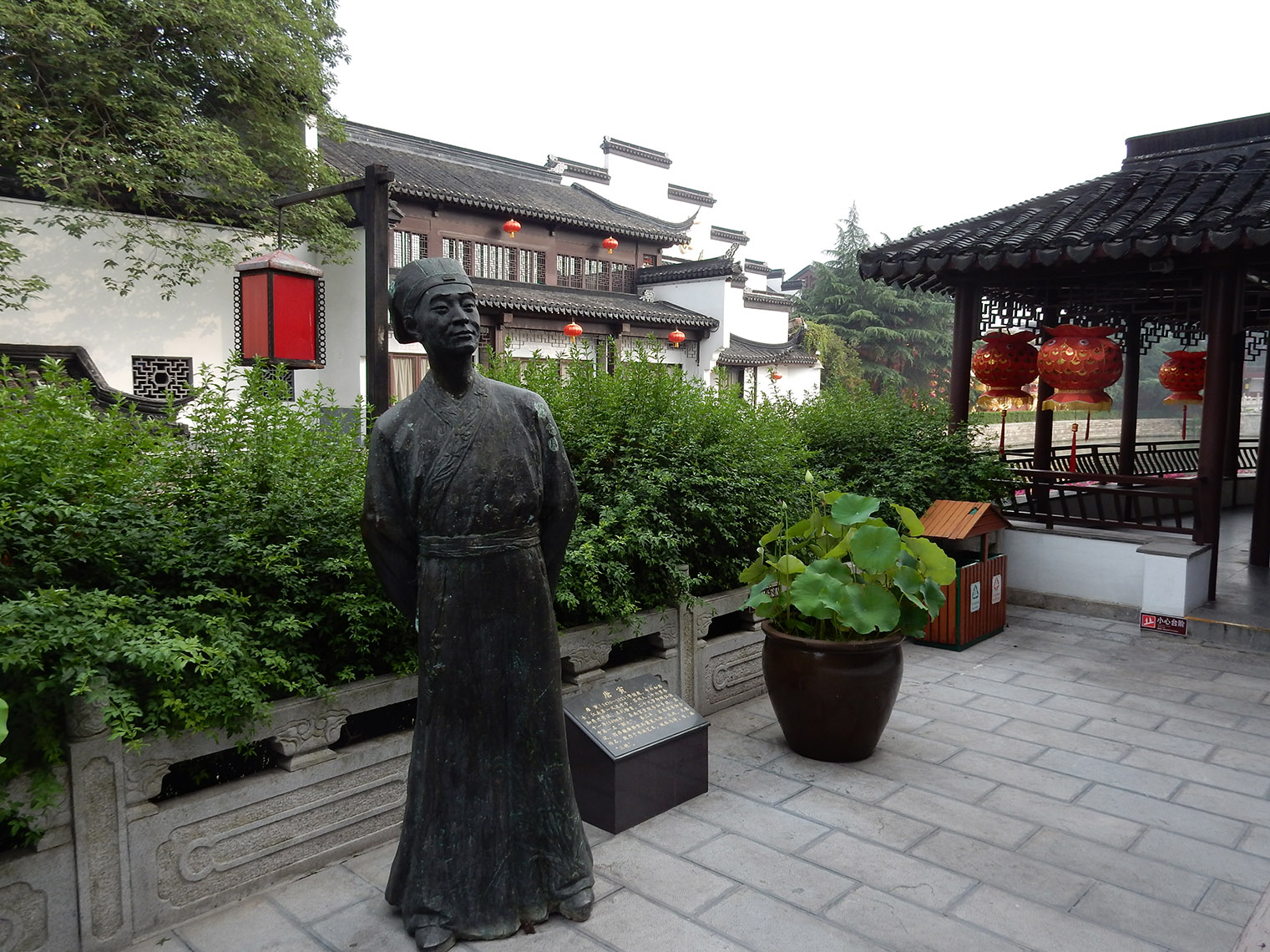
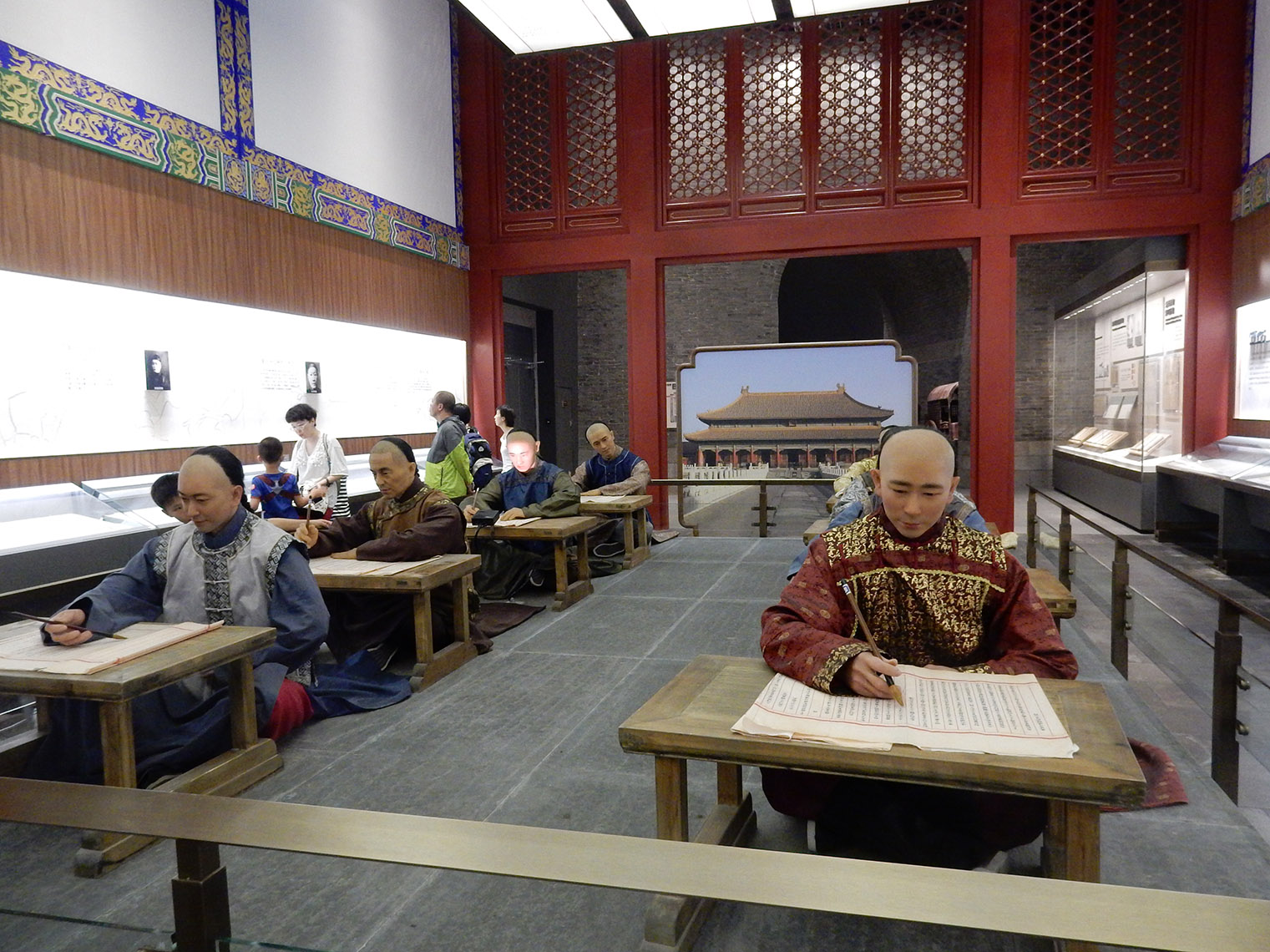
The museum is divided into two sections, the above ground section and underground section. I started with the above ground area. It's a bit small, but it's on the side of the river so it is rather picturesque. Aside from a few statues of various scholars who passed the exam, it contained some displays of good luck charms that were given to candidates, lucky meals that they would eat prior to the exam, celebratory plaques, and the like. The majority of the signs had an English translation, which was nice, but there wasn't a whole lot to see there. Though they did have some examination cells. The cells were built in rows which were then formed into blocks and the candidates lived in them while taking the exam. Yes, I said lived in. The exam took nine days to complete and the candidates had to not only take the test but also eat and sleep in those tiny little cells. Makes the SAT seem kind of tame, huh?
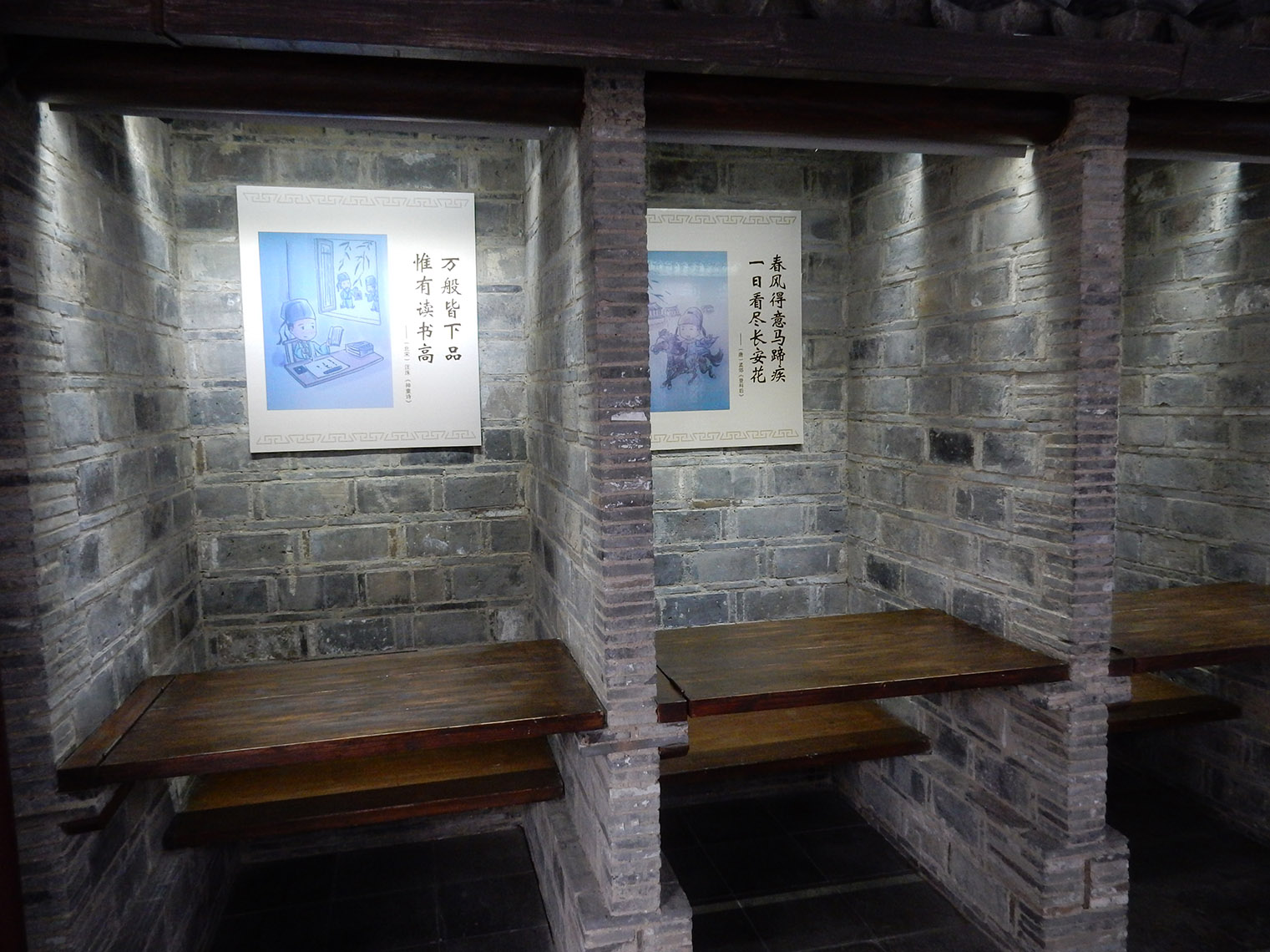
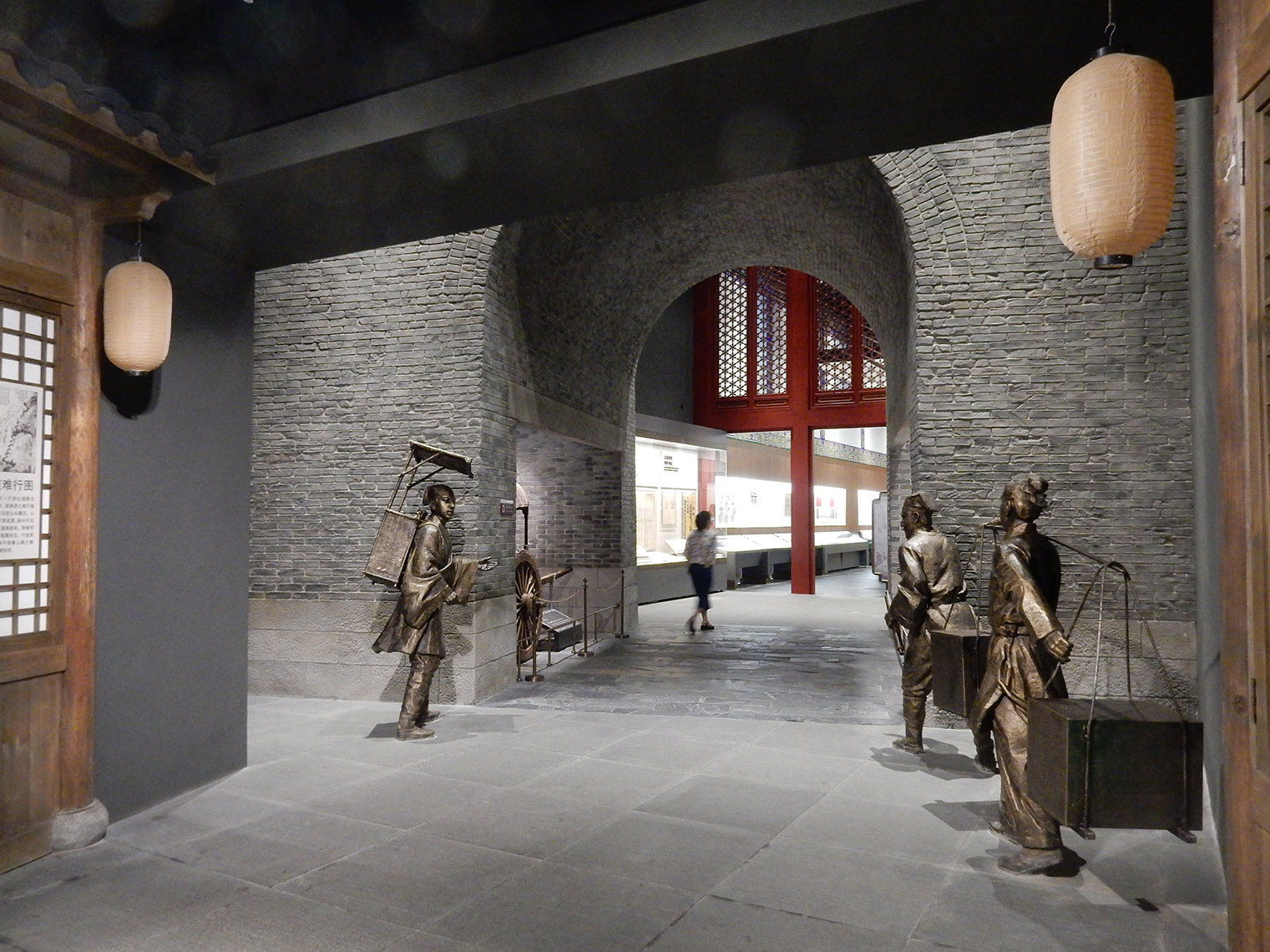
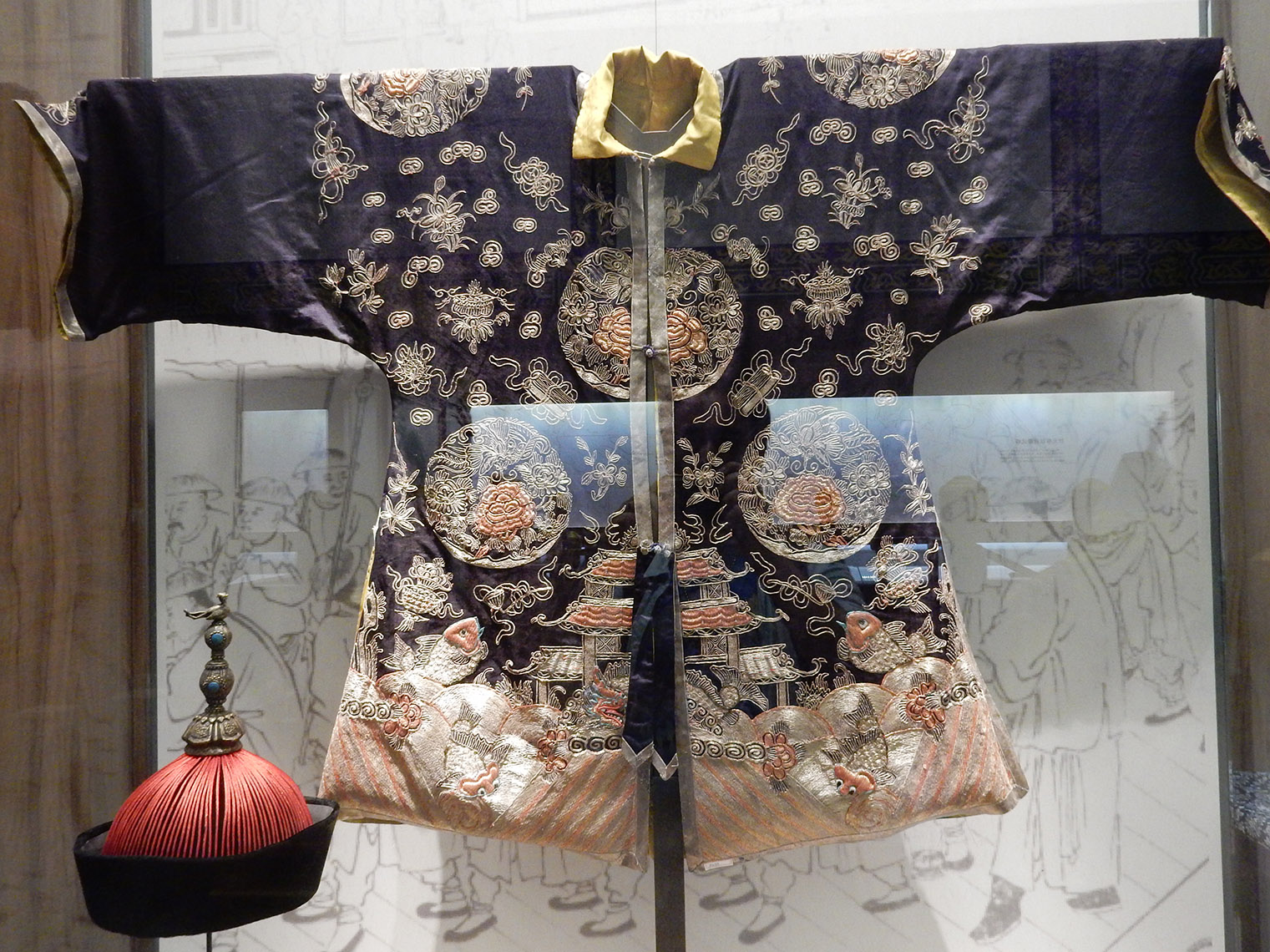
Moving on, I headed for the underground section of the museum, which is below that water side pavilion I posted a picture of earlier. As a note, getting there requires leaving the above ground section of the museum entirely and showing your ticket to enter the other area, which is across the street. First off, I was surprised by just how far underground it went. I soon realized that the underground is the main part of the museum. There's a set route you follow which walks you through the history of the examination, starting with its creation, as you make your way back towards the surface. The museum is clearly very new and modern with all sorts of elaborately designed areas that make it fun to walk through for the visual presentation alone. In addition to the history of the exam and various notable events that happened during its long history, the museum also details of how the examination was conducted (including the follow-up exam for those that passed (for ranking purposes), which was given by the emperor himself), and the lives and accomplishments of some notable figures who took it. There were plenty of relics and artifacts relating to the exam as well, such as this robe, which was bestowed upon the scholars who passed. They even had a short sample test you could take (complete with English subtitles, though some of the questions would be extremely hard for a non-Chinese native). Fortunately, the vast majority of the material featured English translations, so I was easily able to follow along, and I found both the exam and the history behind it to be quite fascinating. If you're wondering, the examination system was discontinued not long after the opium wars with England (which China lost), when officials realized that, because of the way the exam was structured, those that passed it often lacked the practical skills needed to modernize the country to catch up with Europe and the US. A series of reforms to the exam were proposed by the current emperor, but never implemented, so the system was eventually scrapped entirely. Still, it left a big impact on China and other parts of the world. The museum exit ended up being back near that building I first saw, which was also surrounded by rows upon rows of recreated examination cells. Got to say, the exam certainly didn't look like a pleasant experience for the takers or the overseers. But anyway, I really enjoyed the museum and am very glad that I decided to check it out.
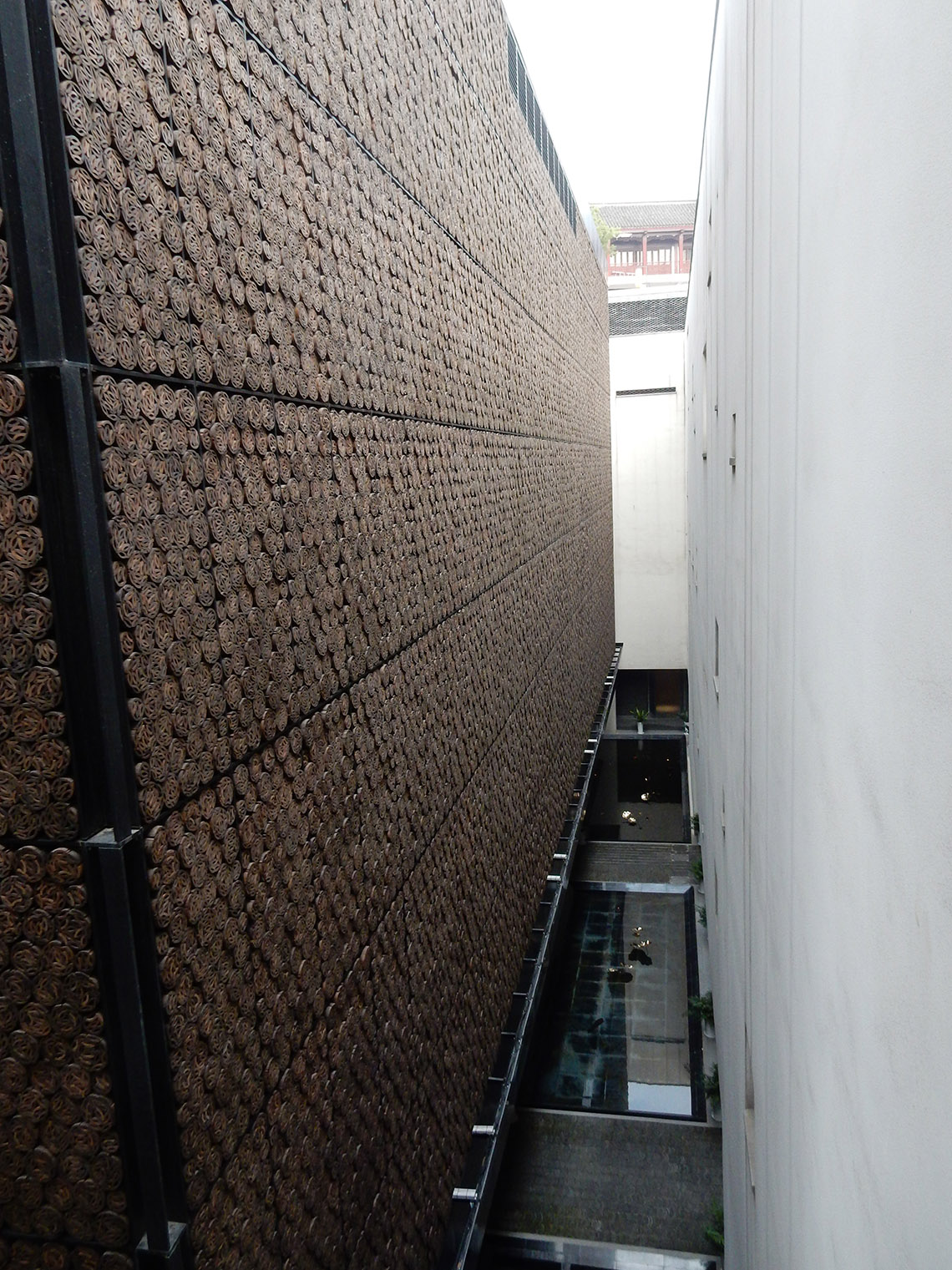
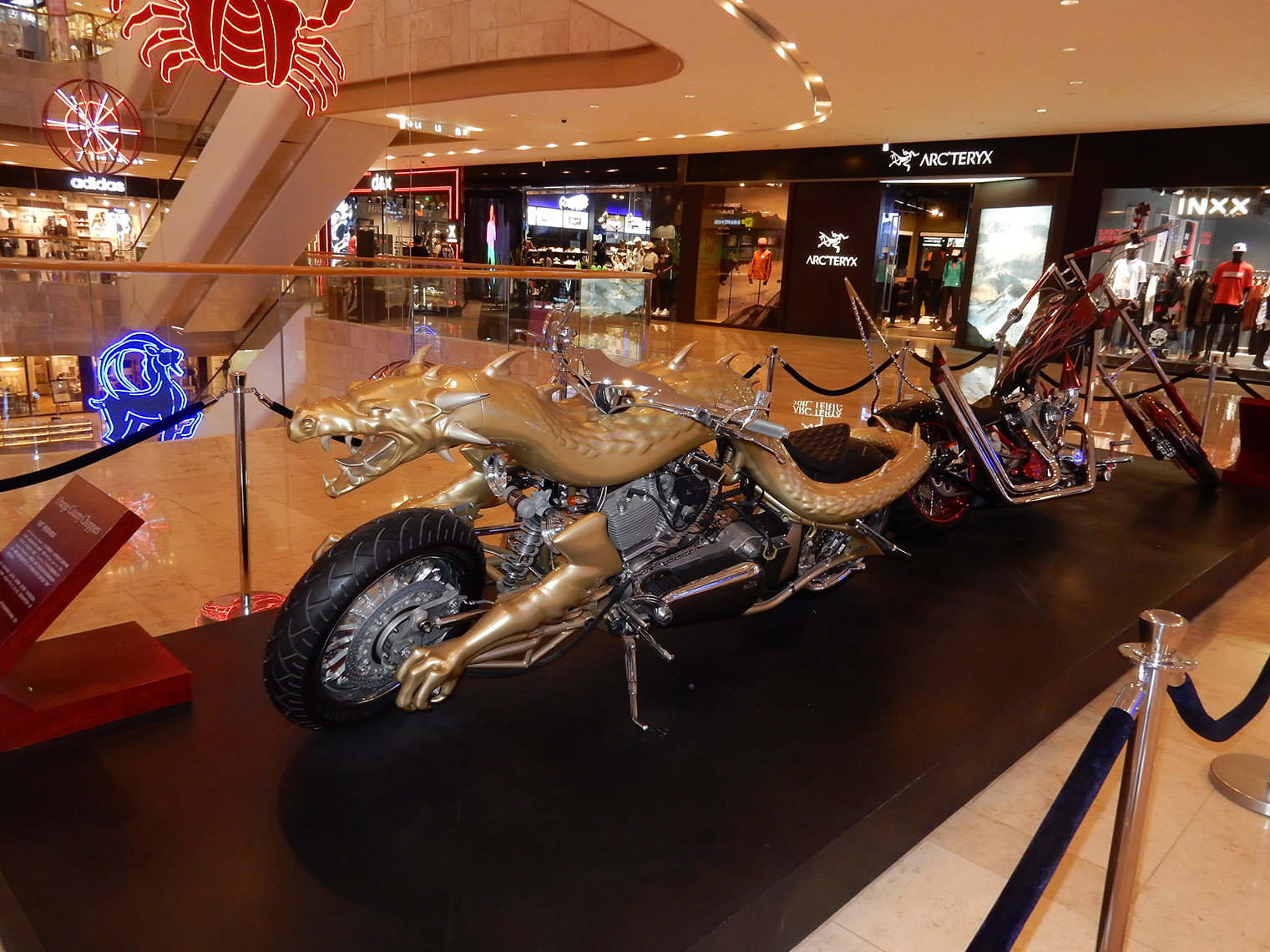
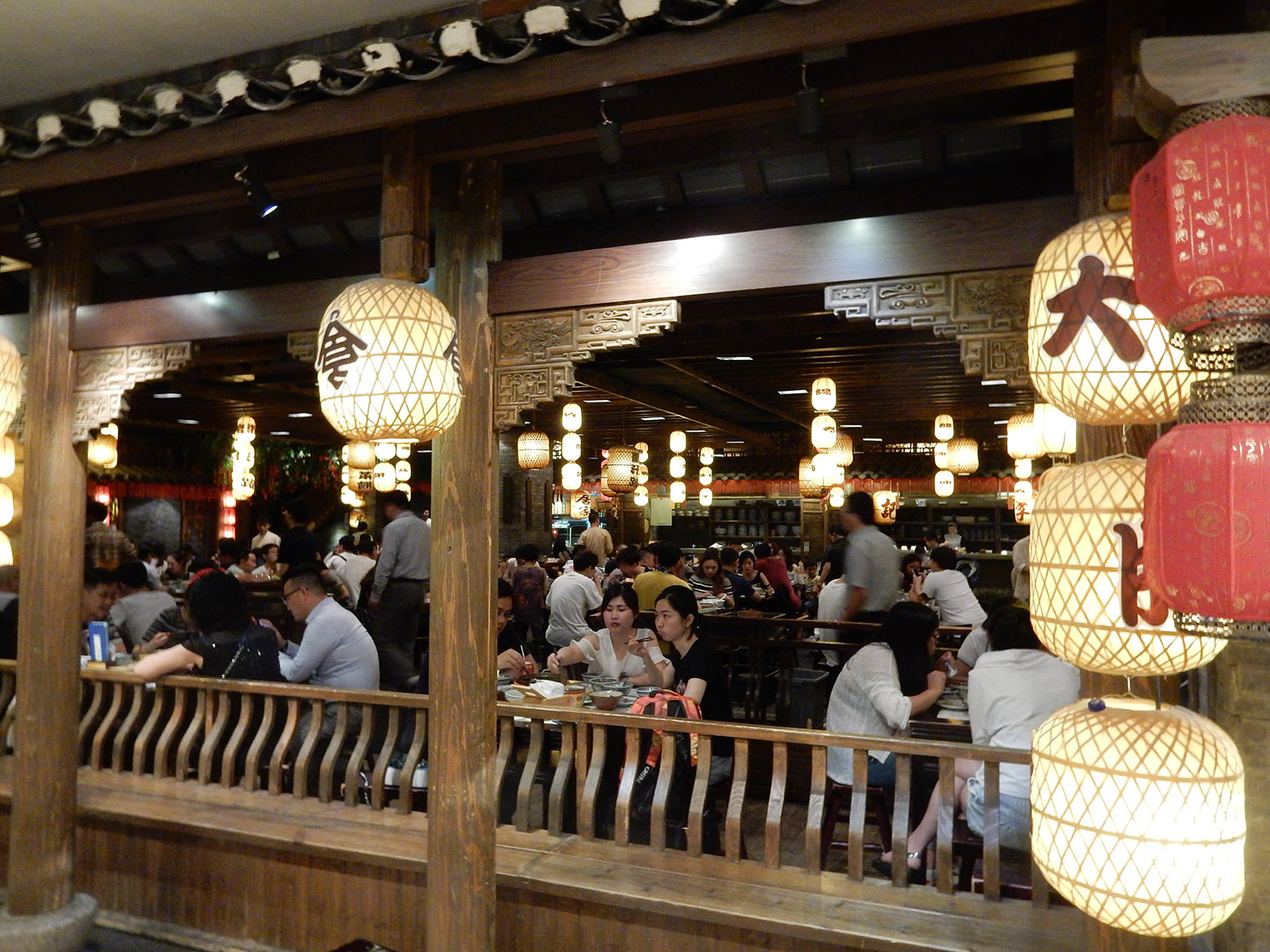
Heading back to Xinjiekou, I made my way through a very fancy mall (complete with a display of odd motorcycles) and ate at a branch of my favorite Chinese restaurant, Nanjing da Paidong which, aside from the fun atmosphere, features a huge menu of excellent Nanjing cuisine (with English) at great prices. They even had live music. Unfortunately, all the locations also tend to feature large crowds at meal times, but it's worth the wait.
Yangzhou was once a major trade hub on both land and water and, as such, became one of the most prosperous cities in China. Now a days, it's fallen significantly behind Nanjing in terms of size, fame, and glitz, though there was a fairly nice looking and moderately high-end shopping street through the center of the city. Even the train station is a relatively recent addition and, unfortunately, it's located pretty far away from most of the city's major attractions. Really, the only thing within walking distance (other than a bunch of residential developments) is Yangzhou Museum, and I decided to skip that to focus other things (especially since I still planned to go to Nanjing Museum the following day). There's no subway either, which means that getting around requires either taking a local bus (which are pretty difficult for non-Chinese speakers) or a taxi. Fortunately, taxis are cheap and abundant and, so long as you have the name and/or address of where you want to go written in Chinese, they can get you there. That said, if risky driving makes you nervous, I recommend you spend the duration of any Chinese taxi rides you take starting intently at your phone or something similar and avoid paying any attention to the road. I shrug it off, but Chinese taxi drivers drive just as crazily as regular Chinese drivers.
Anyway... The driver dropped me off near my first sightseeing destination but my first stop was actually at a Starbucks I saw just before we arrived. Since I was in a hurry to get to my train on time, I didn't eat breakfast back in Nanjing, figuring I could get something at the station. Except that Nanjing Station really didn't have much of anything (unlike Nanjing South Station, which has a bunch of restaurants and stuff).
But anyway, it took me a little longer than planned (partly traffic and partly the driver didn't seem to take the most direct route), but I finally made it to Wang's Residence. Wang, if you were wondering, was a salt merchant back during Yangzhou's glory days as a trade hub (salt was one of the major commodities) and he built quite an impressive mansion for himself and his family. Actually, from what I read, such dwellings were actually rather common back then, though Wang's is the only one that survived to the present. The mansion is designed as a large number of connected chambers surrounding small square courtyards. Now, a lot of the rooms are empty and unfurnished, but some still hold their various furnishings. There was almost no English and, honestly, not a ton of Chinese either, so you were pretty much just left to explore on your own. The back area held a small garden, though the focus was mainly on the building itself. There were only a few other people there when I arrived, so was able to get some neat pictures, without any crowds to deal with, as I explored. While I think that the place could be better maintained and presented, it's a pretty neat structure and I had fun walking around and finding different interesting areas scattered about.
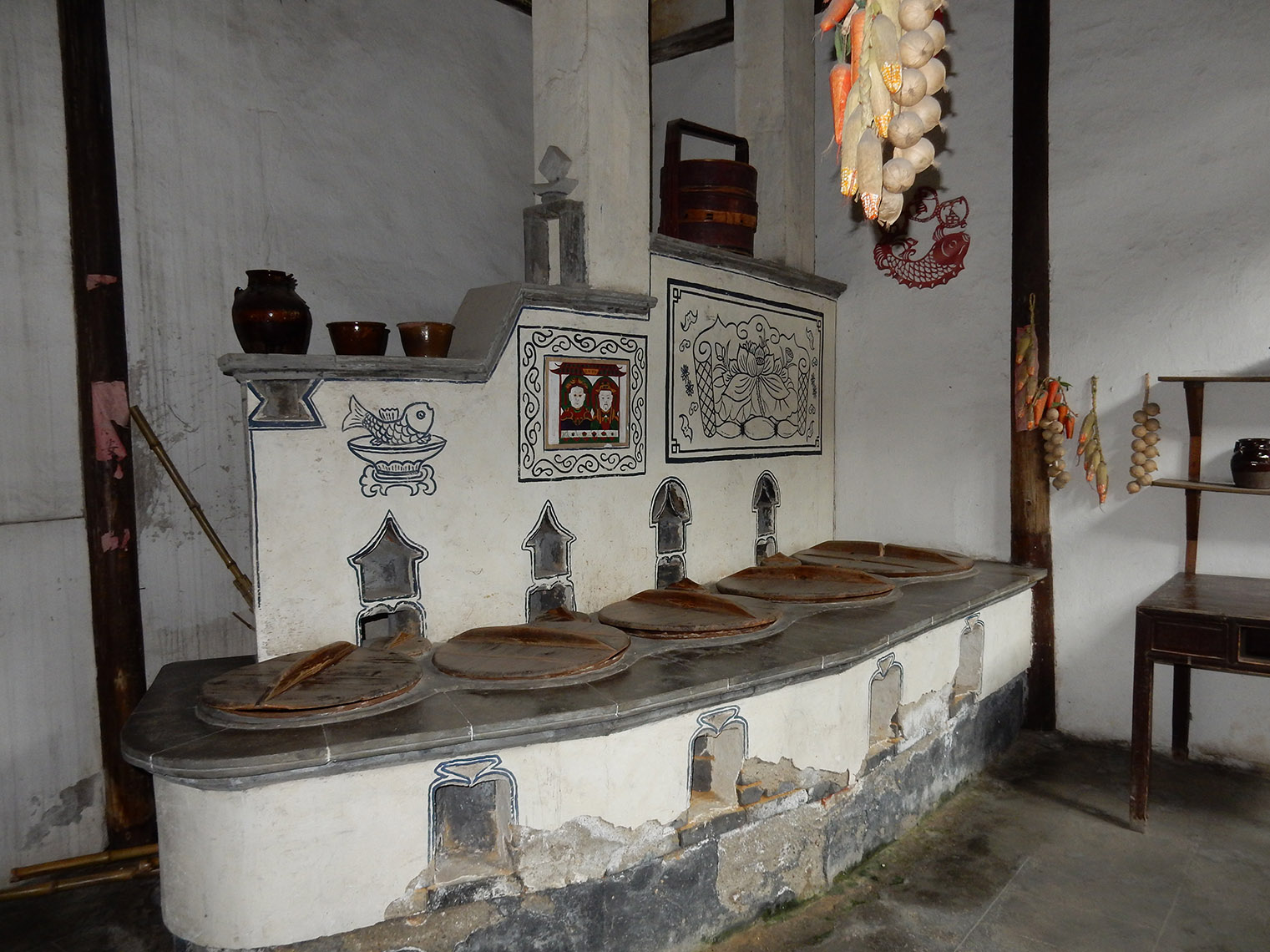
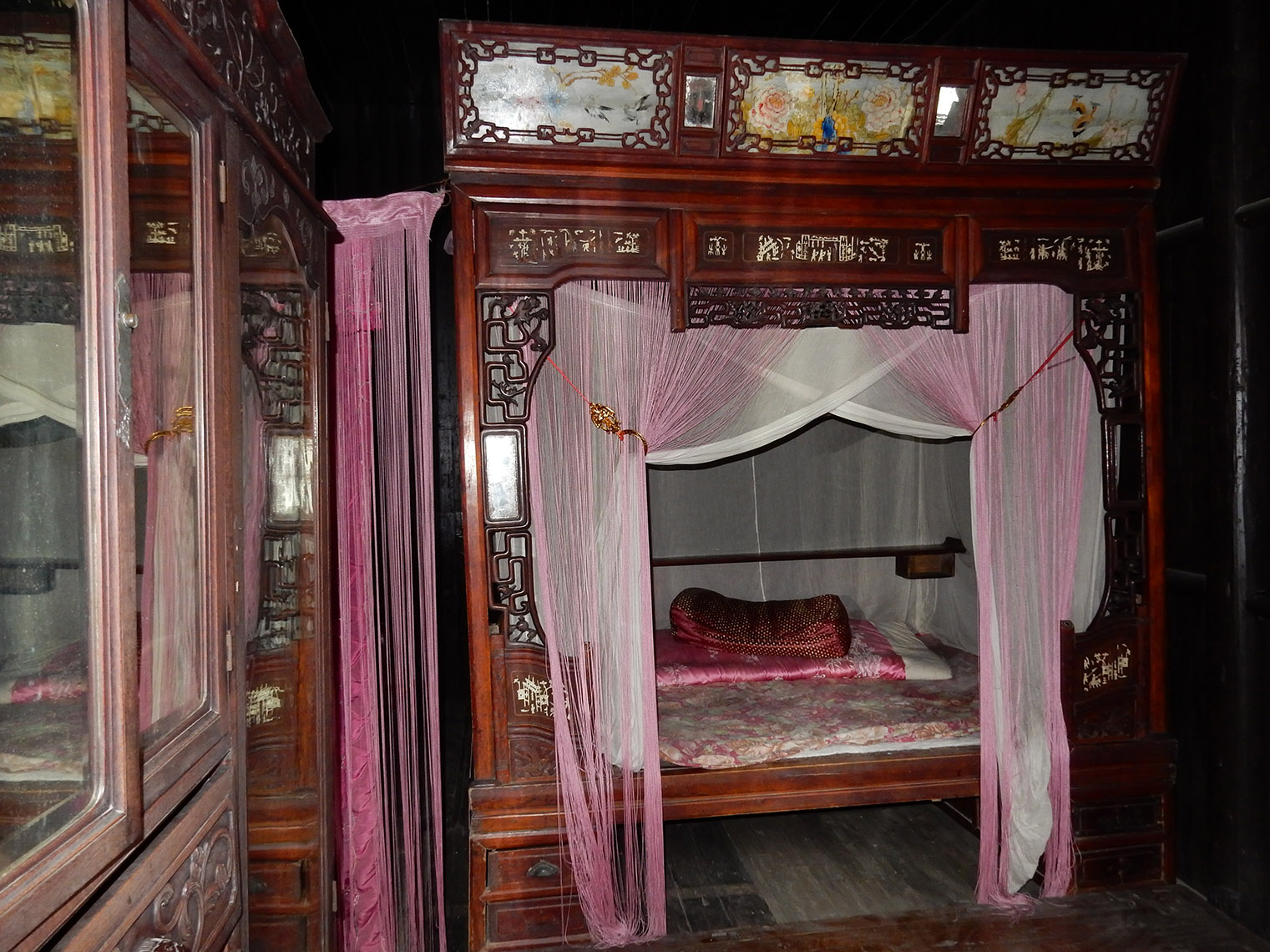
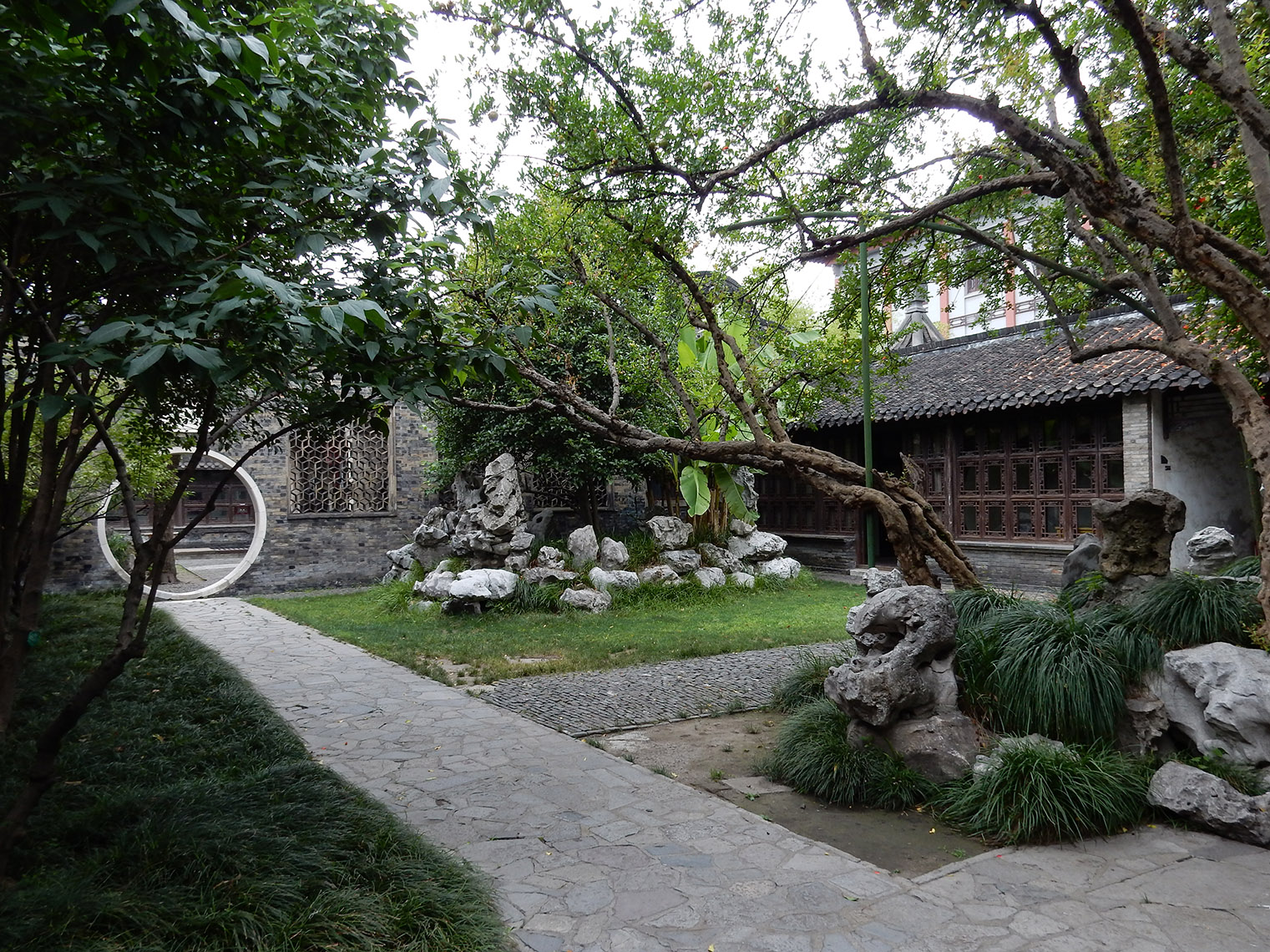
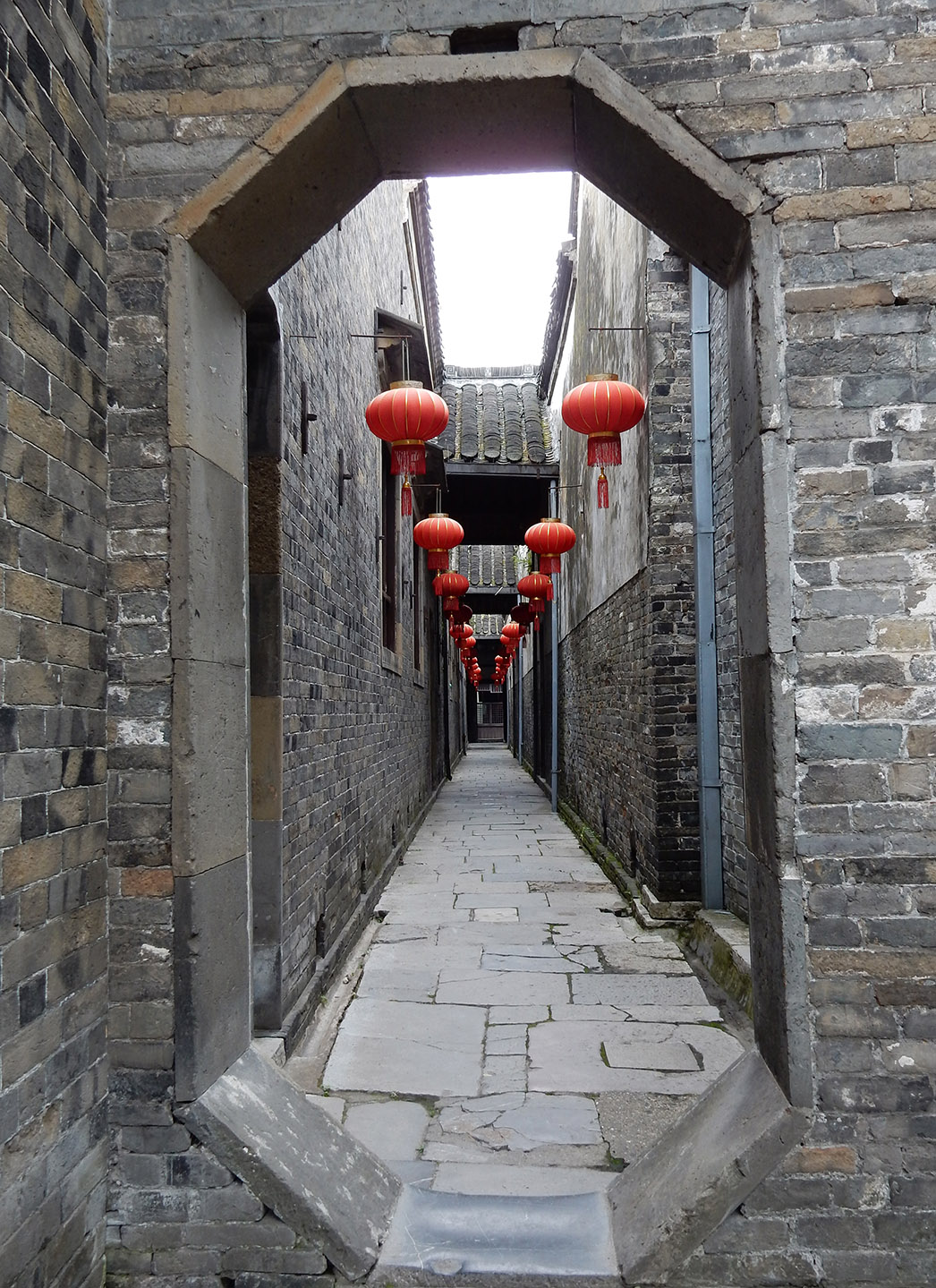
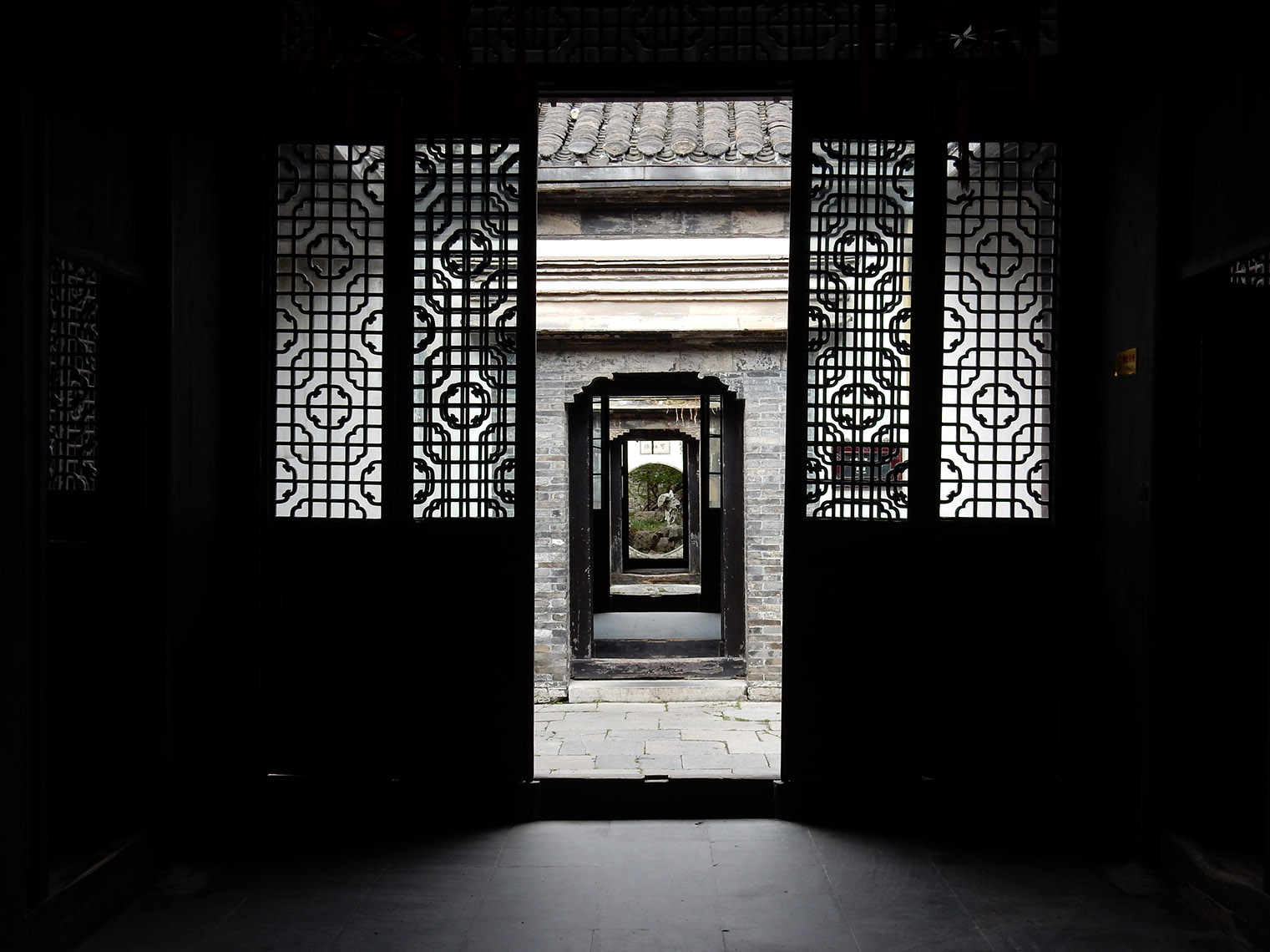
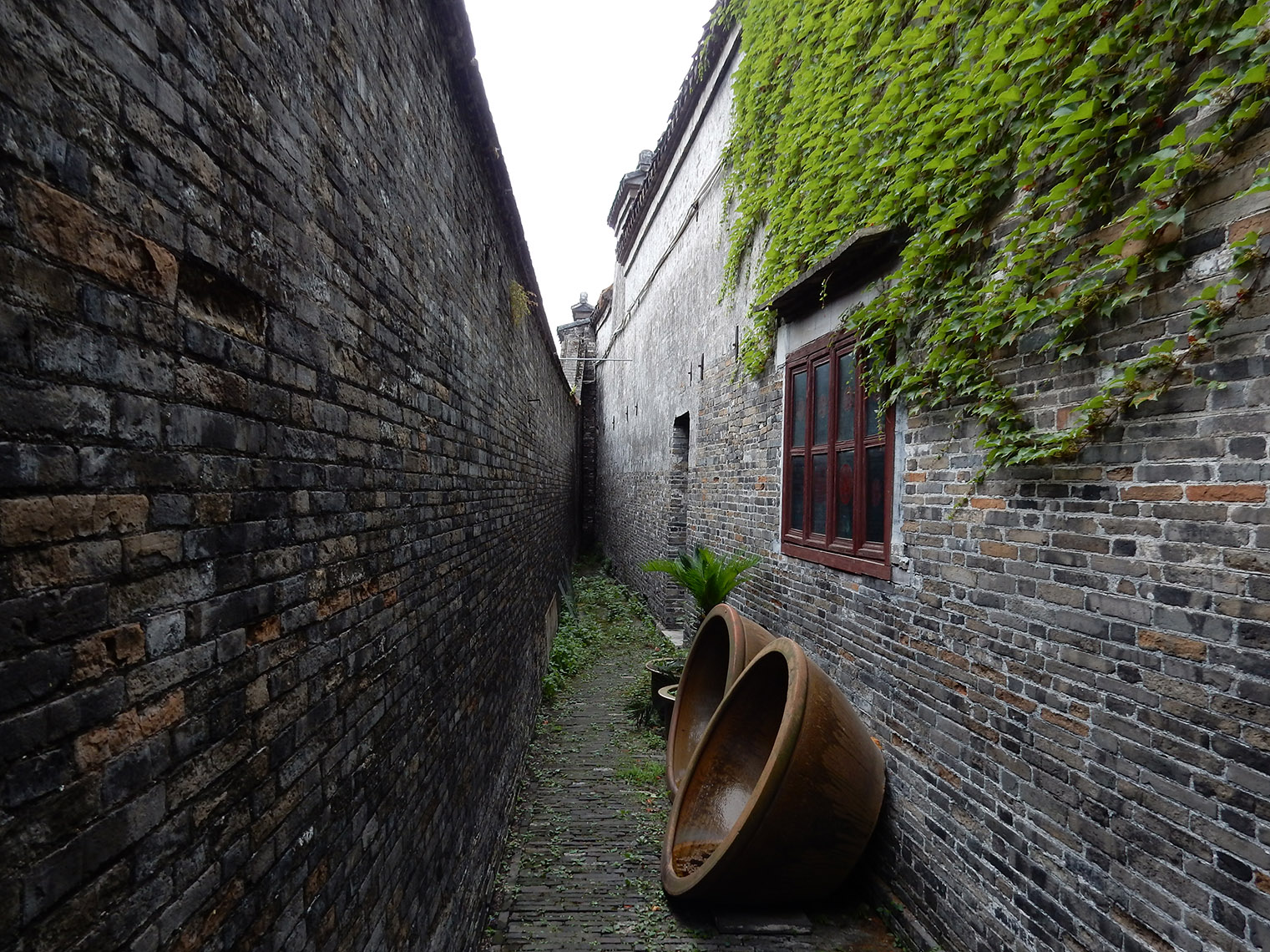
From Wang's, I headed south for a ways (about half of which was down a half touristy, half lived in old street) to Heyuan or He's Garden. It's a nice garden, though a couple parts of it were undergoing renovation and, as such, unaccessible. But beyond that, it also surrounds the former home of the He family. The He's were a prominent merchant family from a much later period in Yangzhou's history, as shown in their home's east meets west style fusion of Chinese and European design and elements. Both the garden and mansion can be explored, and most of the rooms are still fully furnished. It seems to be more popular than Wang's and, as such, is much better maintained and features a lot more English. I really liked the fusion of home and garden, and the garden itself is pretty nice too, though I think that Wang's was the more interesting mansion by far due to its age and style.
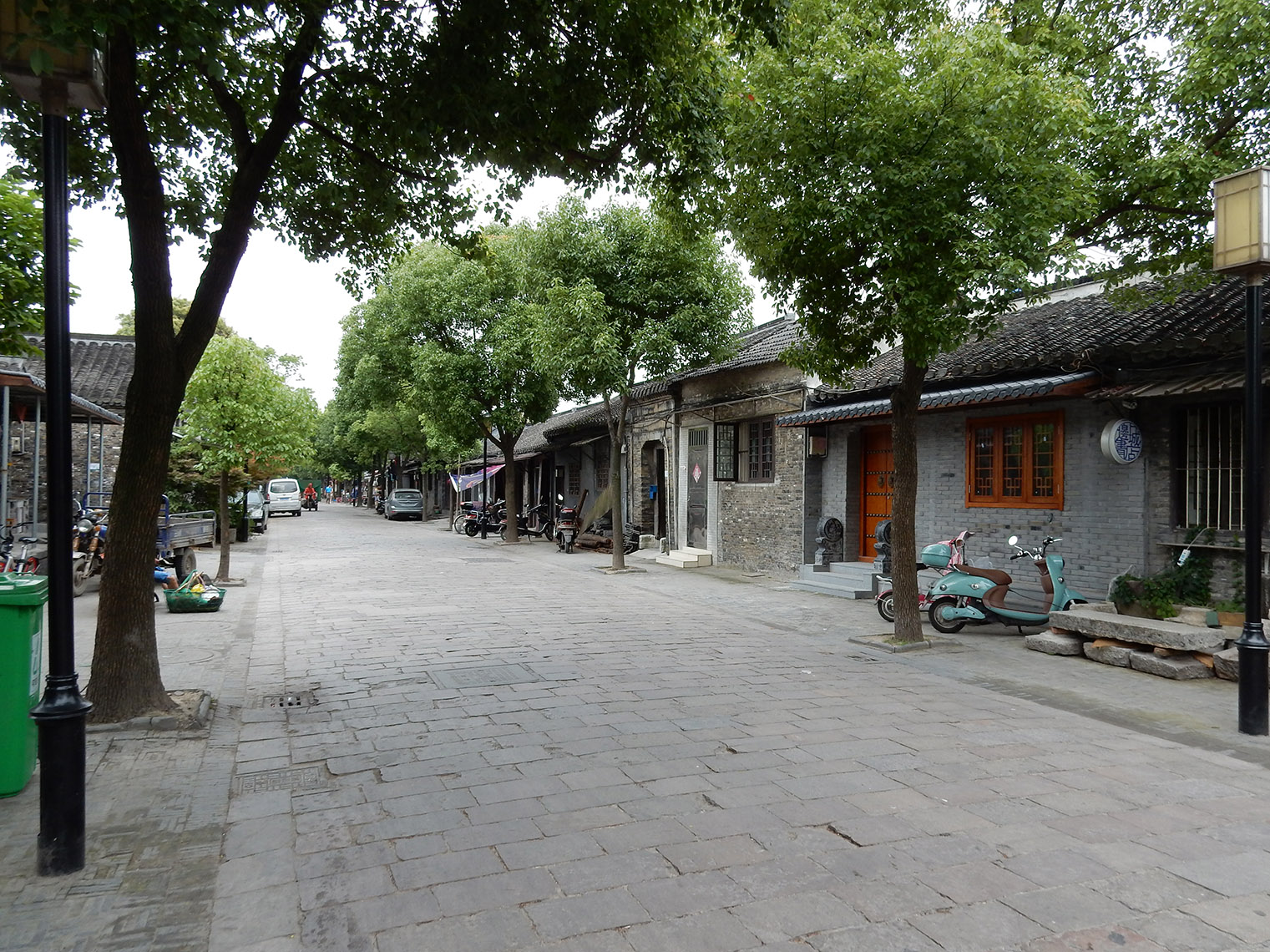
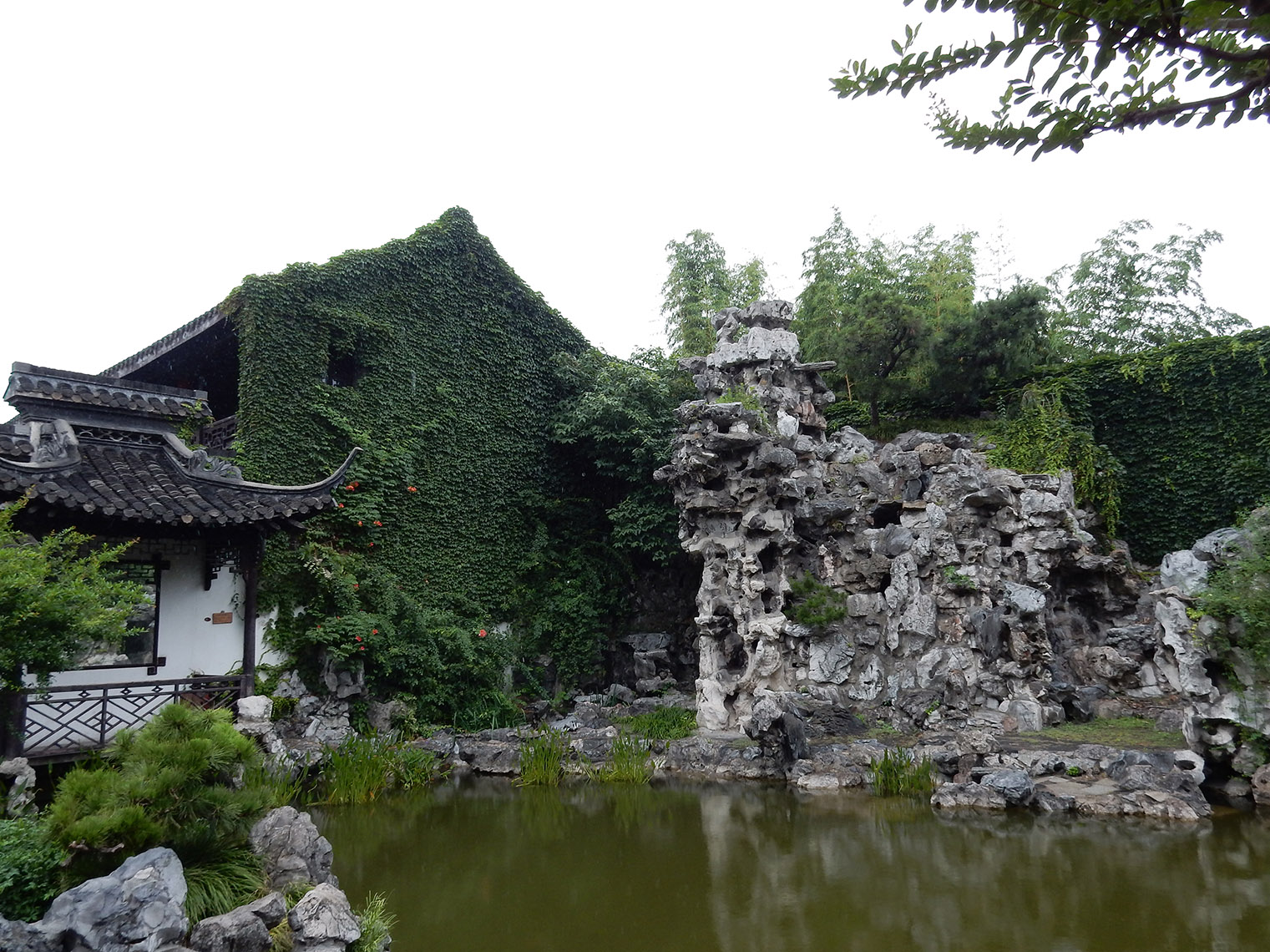
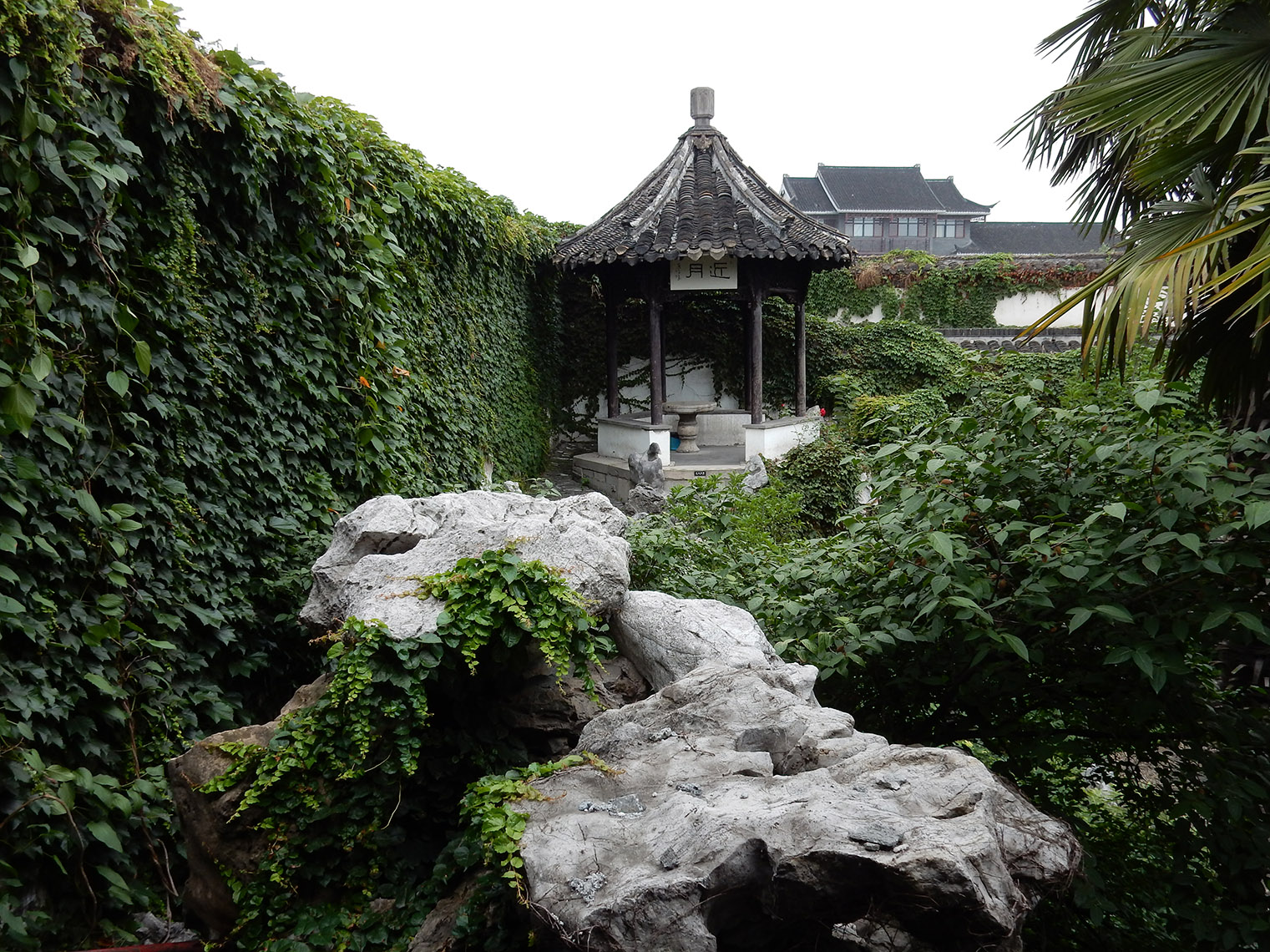
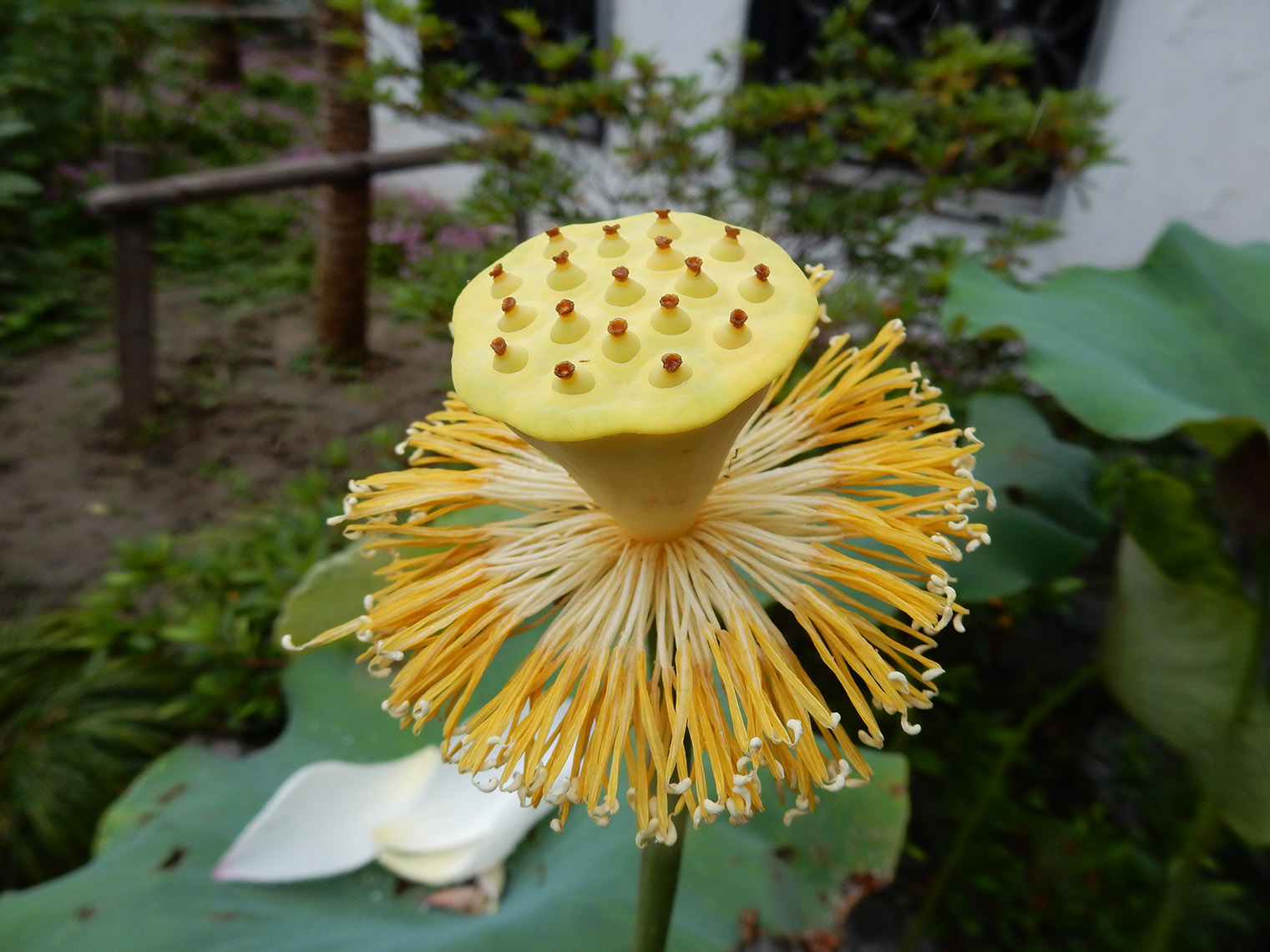
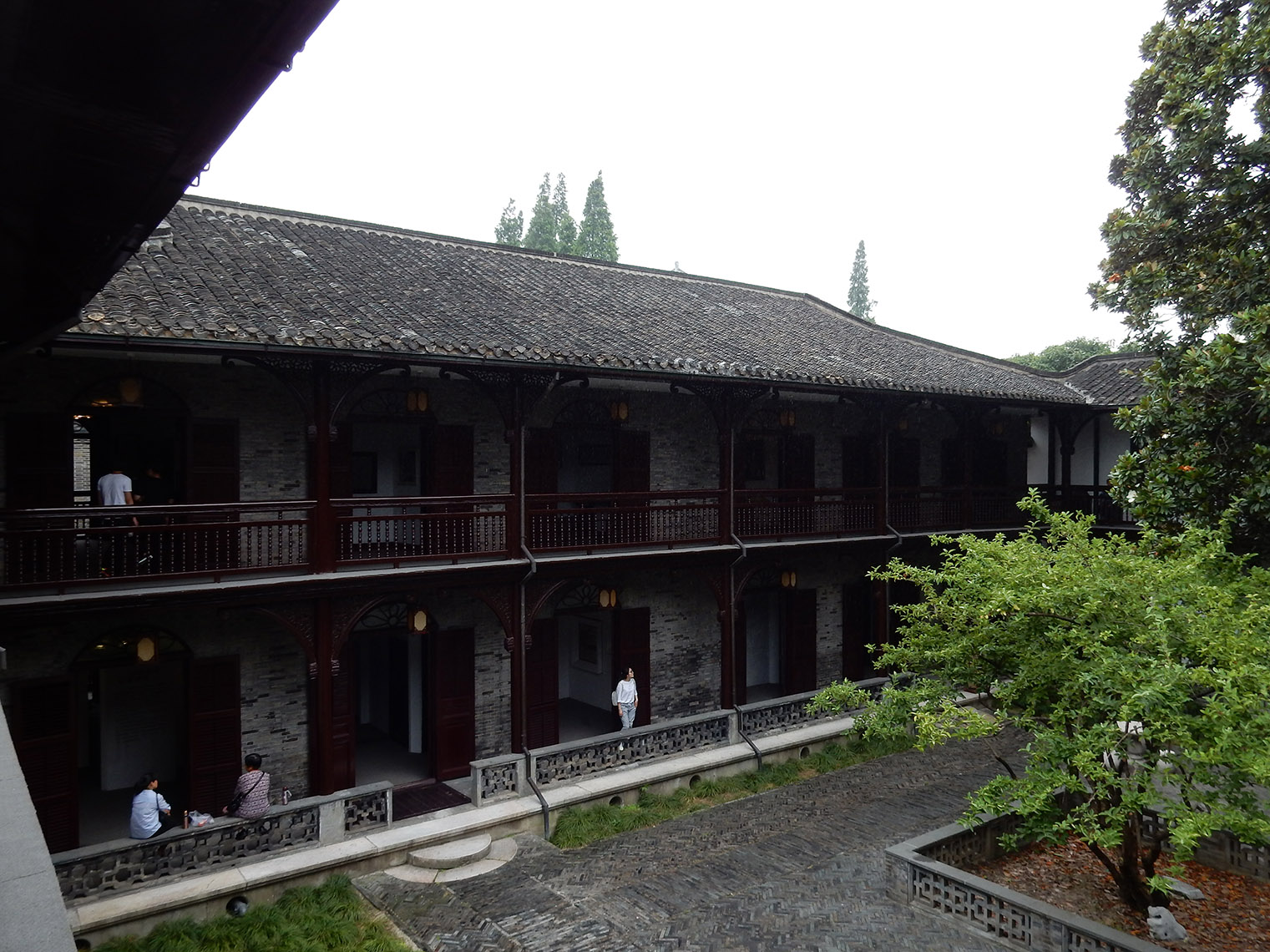
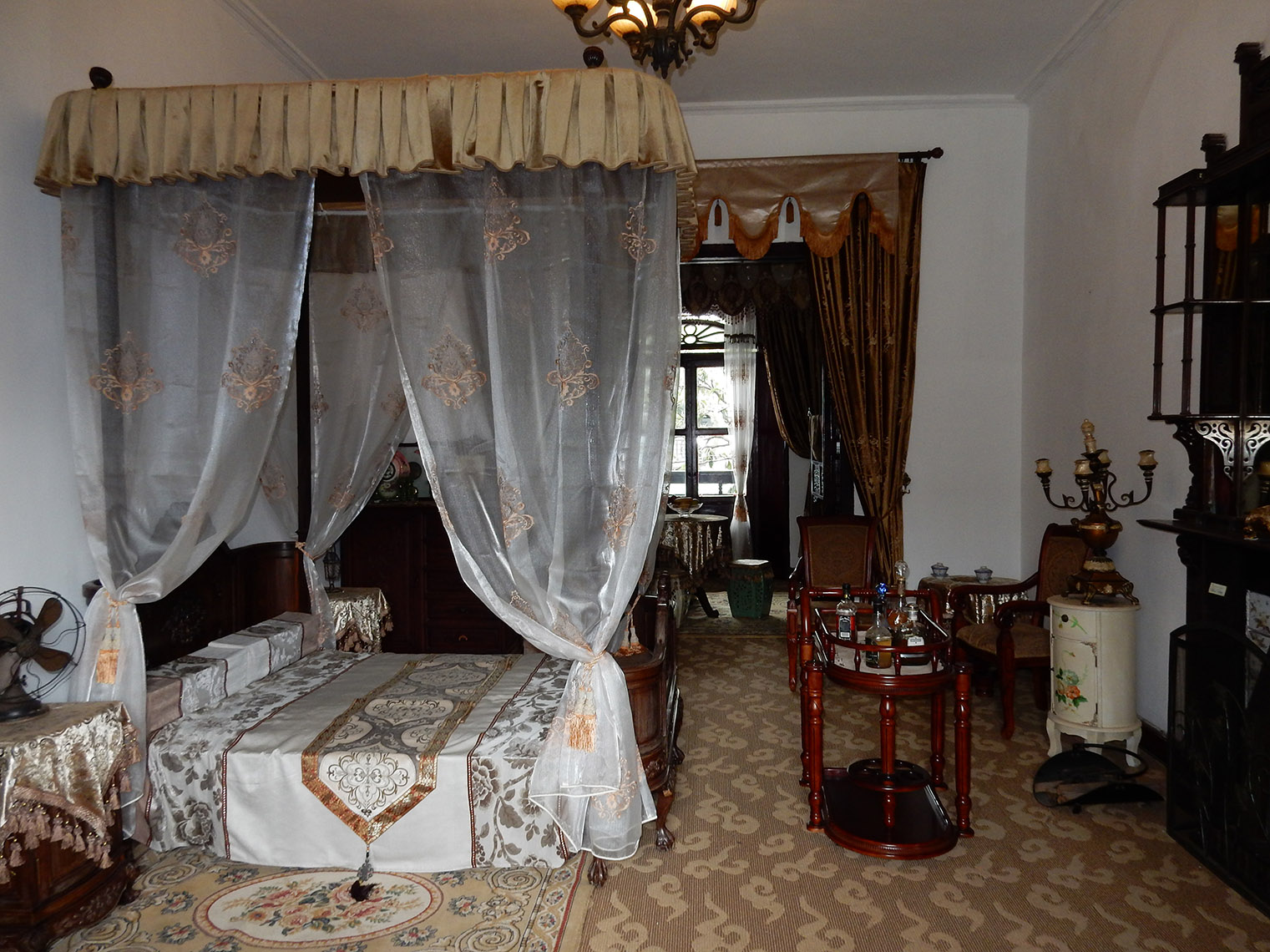
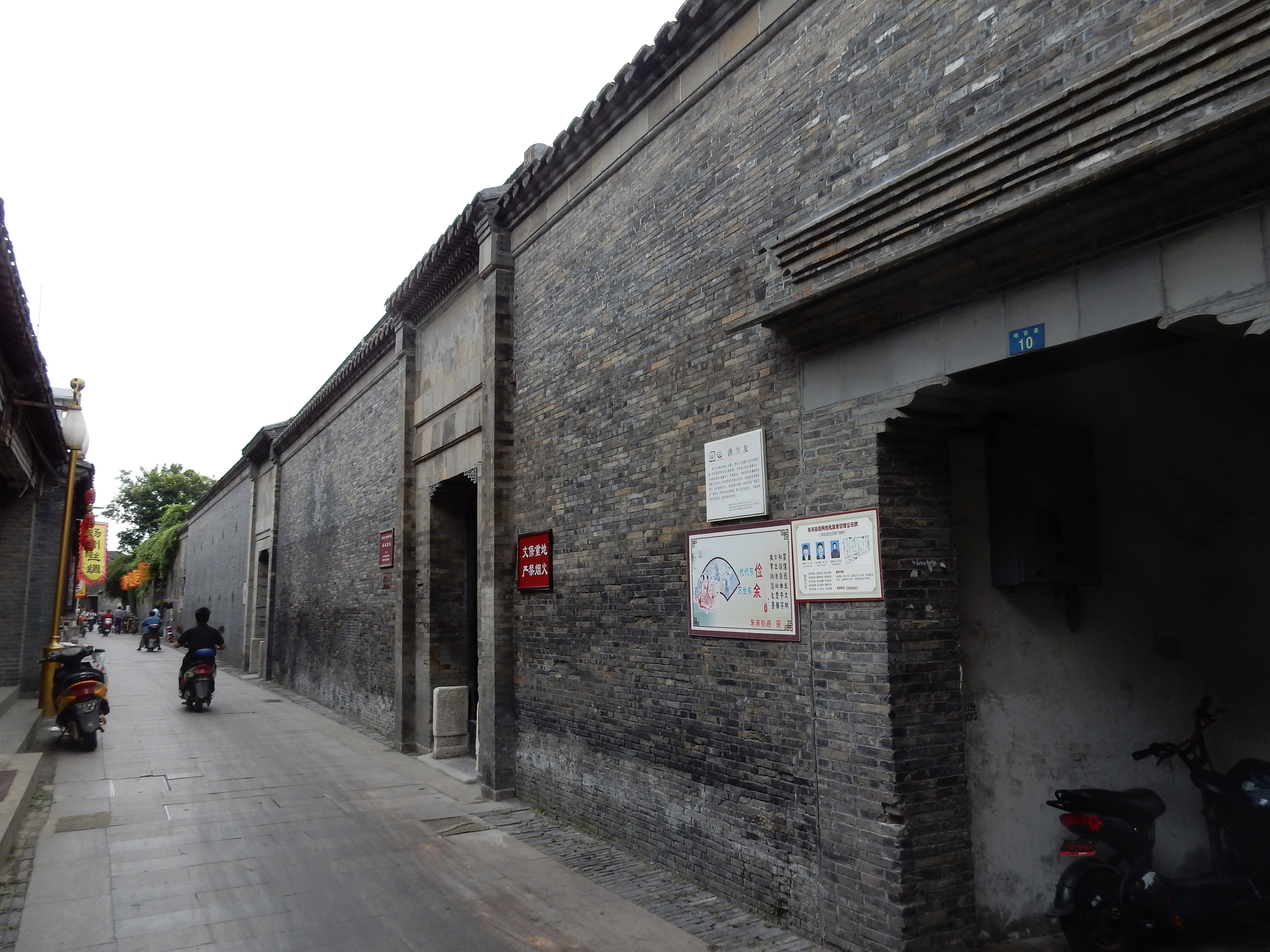
Once I'd finished, I walked all the way back to Wang's then continued north to Dongguan Street, which is a long tourist street lined with old buildings that have been converted into shops and restaurants. It actually caught me off guard since my tour book hadn't even mentioned it, I was just using that street as the most direct route to my next destination, but it was fun to walk down and look around. I got a peanut drink too, which was interesting. Along the way I passed, but didn't enter, the Chinese papercraft museum. Chinese paper cutting is cool, but I didn't really feel like looking at a ton of them all at once and the museum was on the expensive side. I did, however, take a look inside Lin's Residence. It was another merchant home and garden, though this one is actually a modern recreation. All you can really do is walk through the garden, but it is pretty. Interestingly, it looked like the buildings were actually part of a hotel. Could be a pretty cool place to stay...
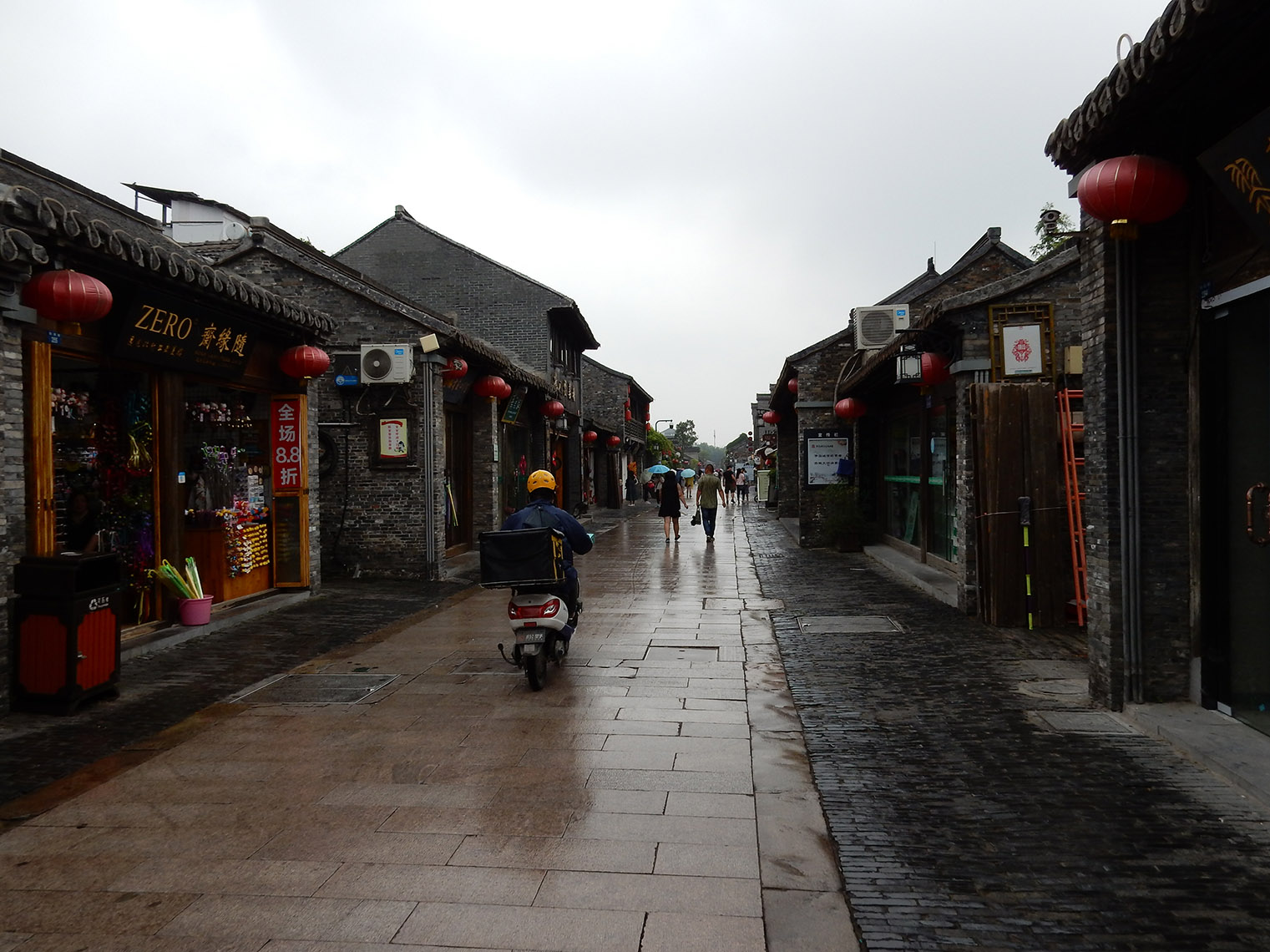
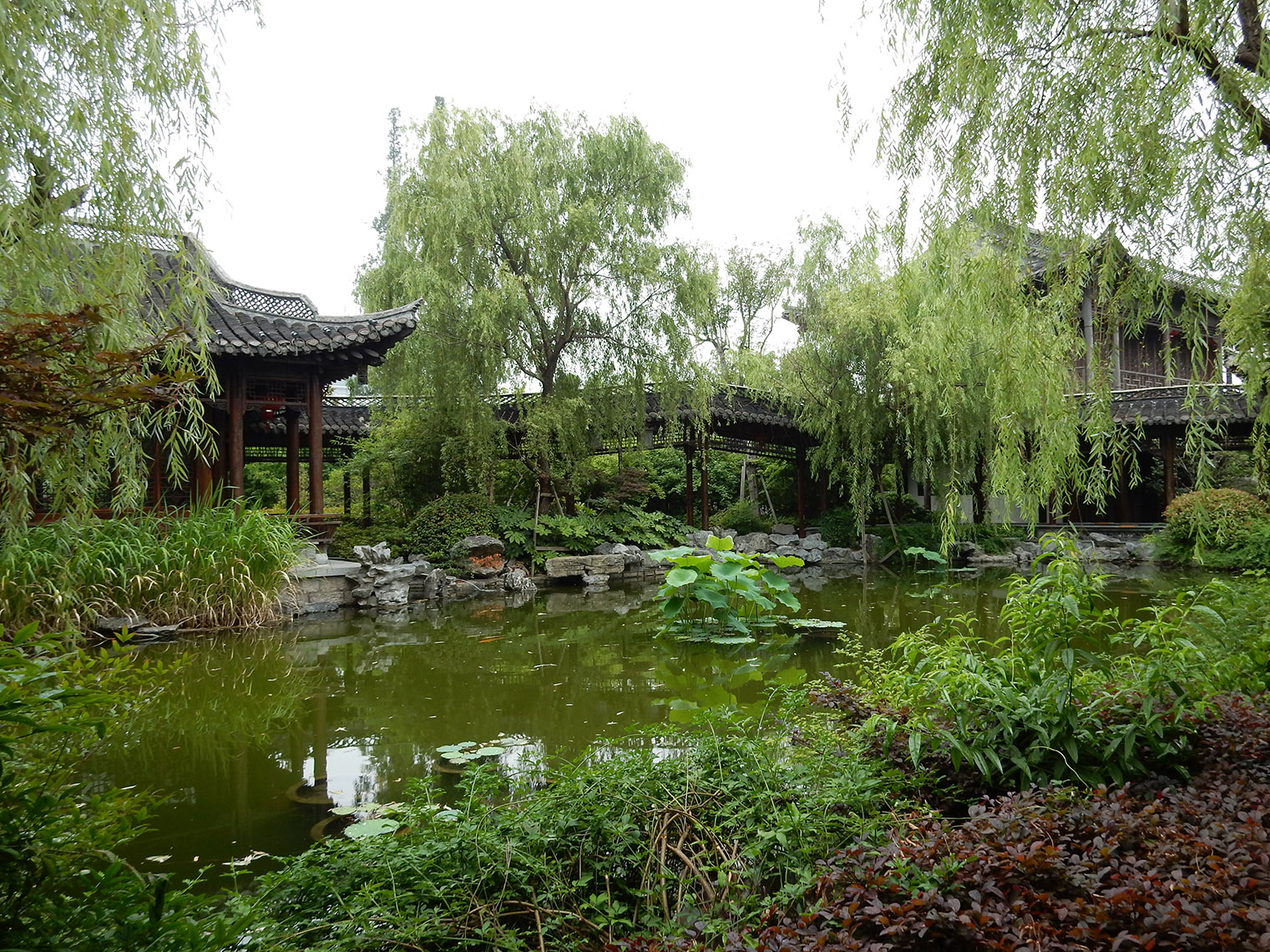
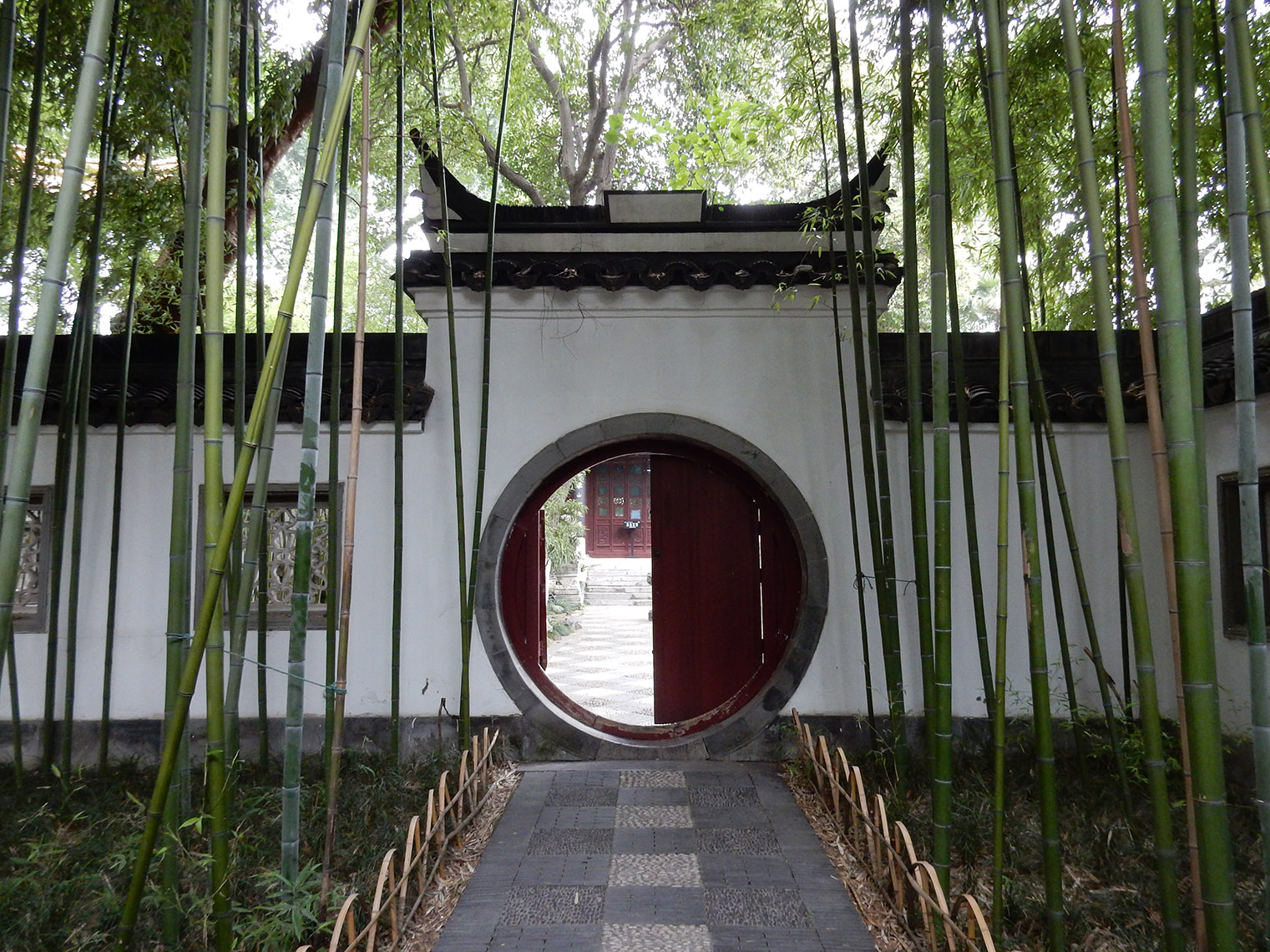
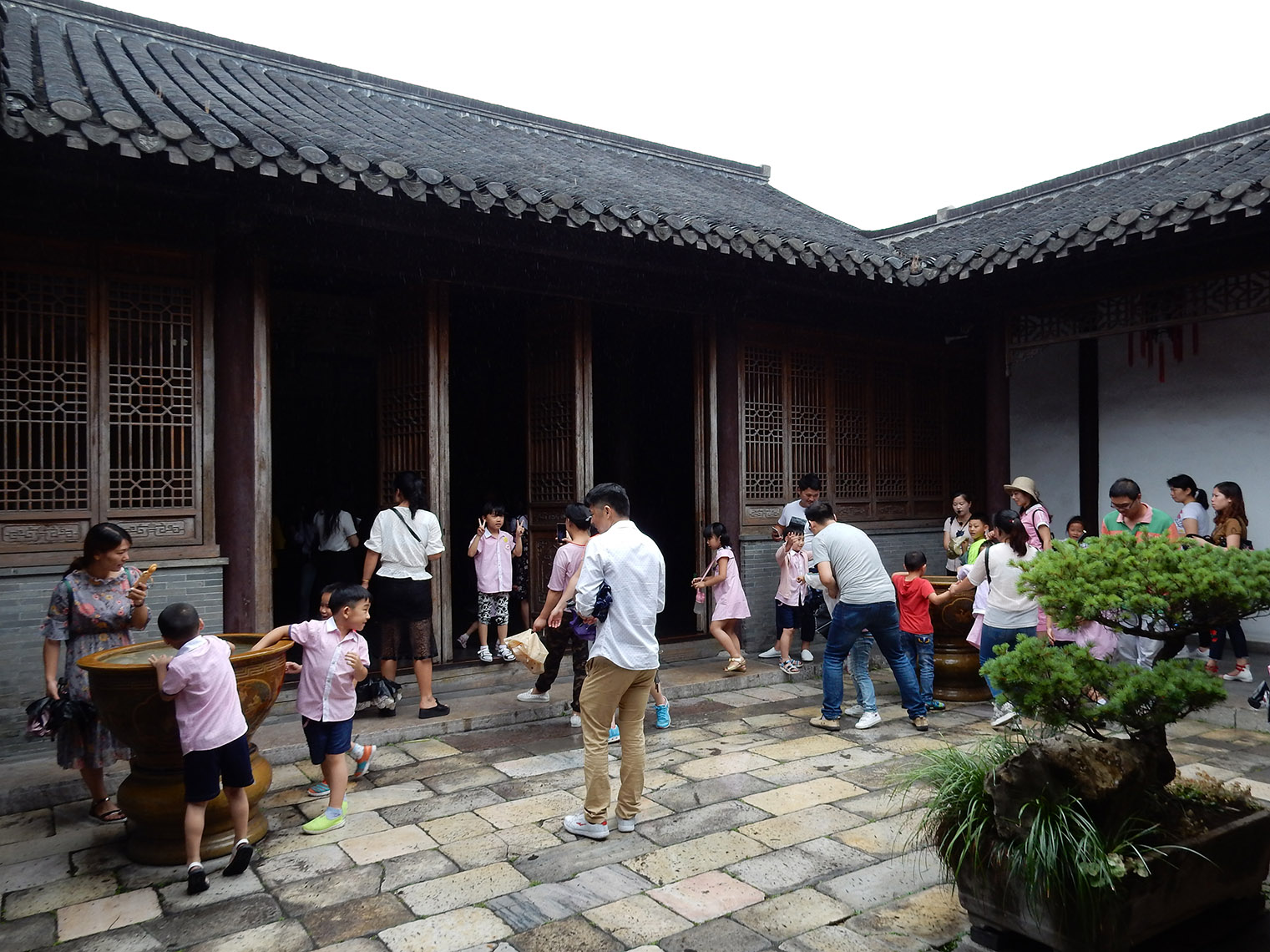
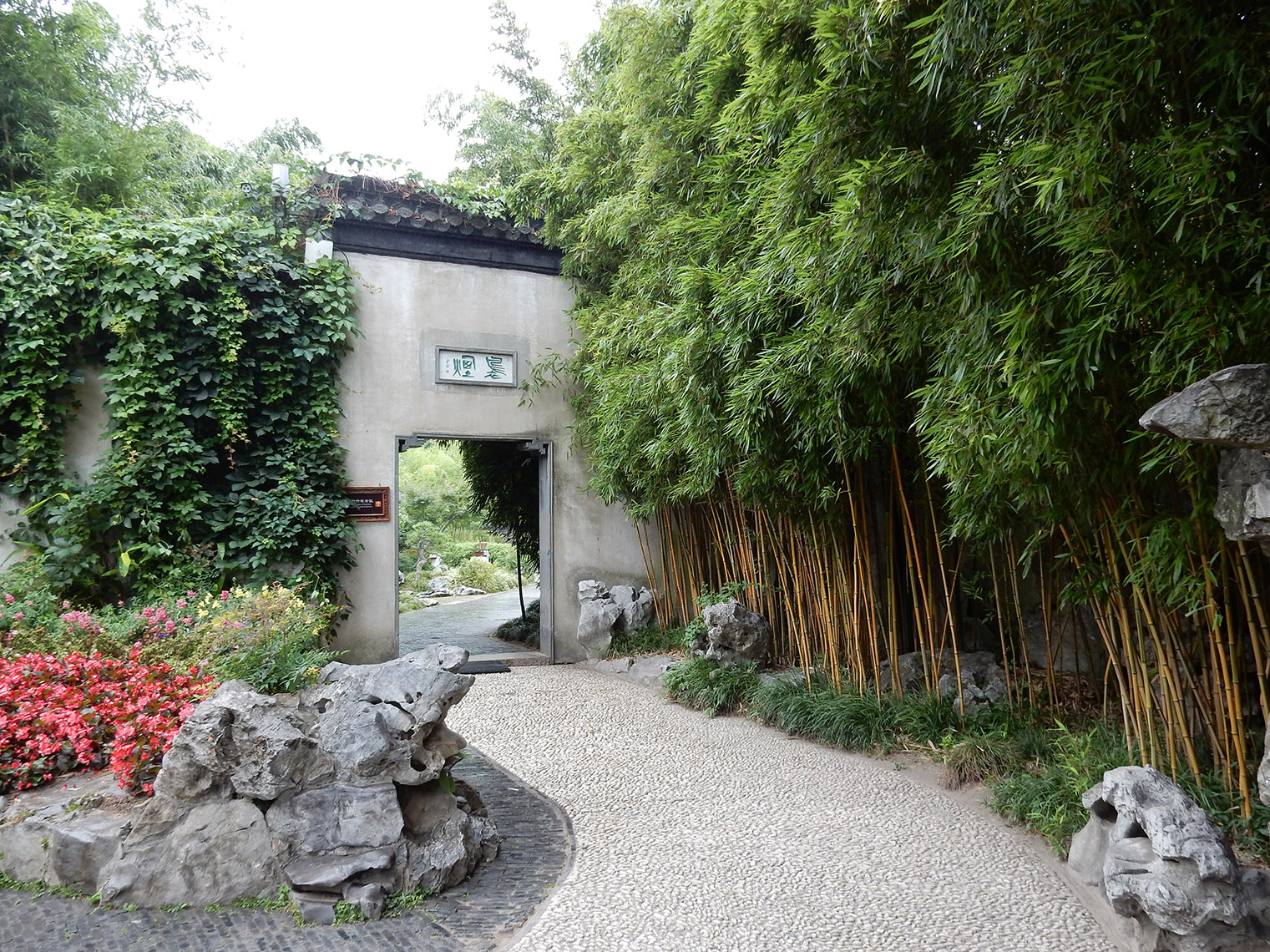
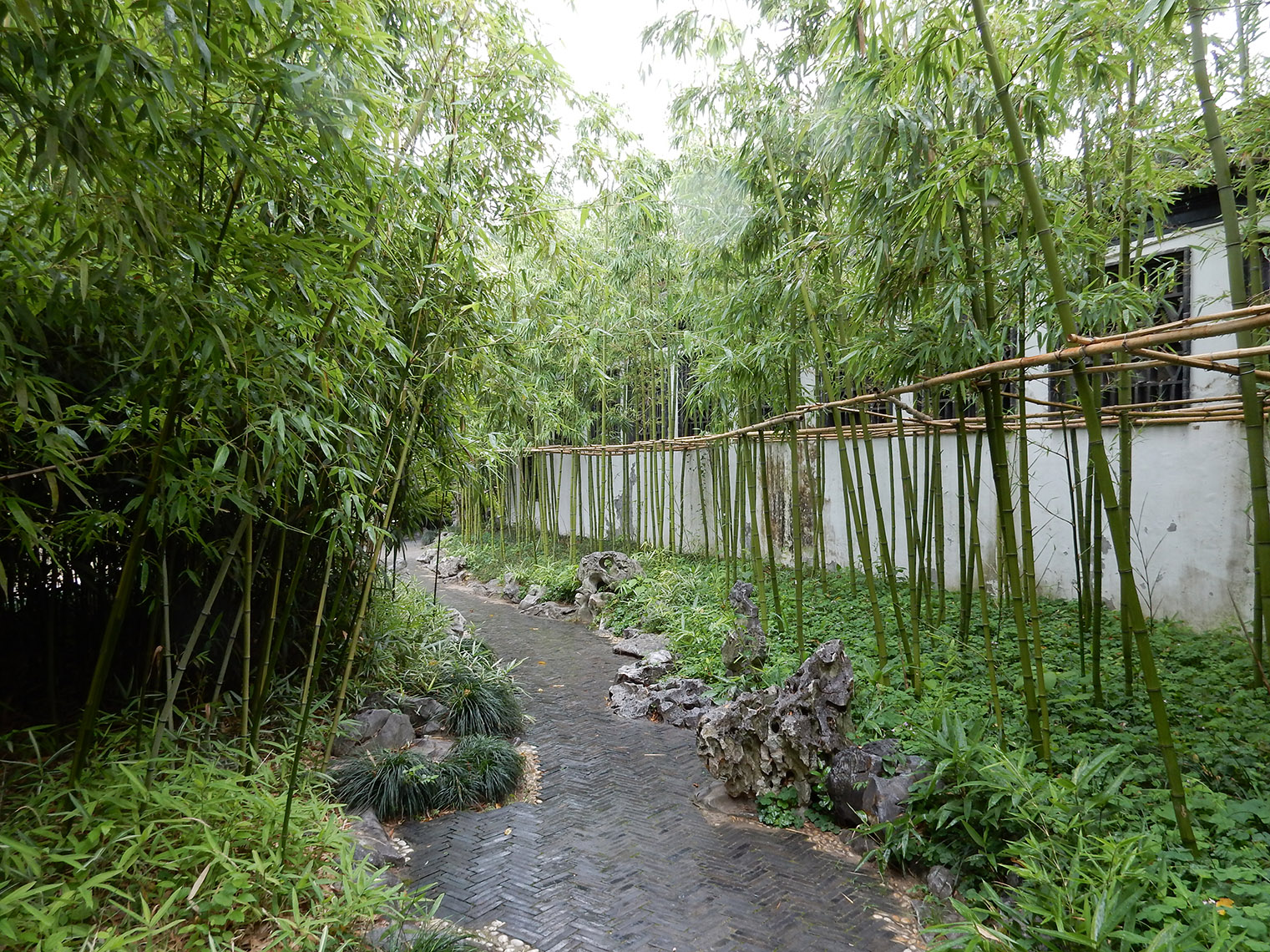
By this point it had been raining for a while but only a light mist. It picked up a bit just before I left Lin's, finally driving me to get out my umbrella, but faded and then stopped entirely over the next hour or so while I was exploring my next destination. Said destination, by the way, was Geyuan, or Ge's Garden. Not to be confused with (though very easy to confuse with) Heyuan. It's one of China's four most famous gardens (along with one I visited in Suzhou and two others I'm not familiar with). I entered from the south entrance, which put me in an old building that was organized a bit like Wang's (though on a smaller scale). I'm not sure if it was originally used as a home, or was just designed as part of the garden. Actually, I moved kind of quickly through that part since I arrived just after a giant elementary school tour group (that picture only shows a small part of the full group) and I was trying to stay ahead of them. I like little kids, but I don't really want to get stuck in the middle of a giant mob of them when I'm trying to sightsee. Many of the rooms were furnished, but you weren't allowed inside. Well, at least that's what I'd assume from the locked gates they had blocking the entrances. The English signs on said gates were rather vague. Before too long, I made my way out of the buildings and into the garden proper. The first section had a lot of the same elements I've seen in many Chinese gardens, though very nicely done. But what Geyuan is really famous for is its bamboo. Bamboo is the main focus of the garden (even the character used for Ge in the name references bamboo). As such, the garden features a number of bamboo groves (containing many different kinds of bamboo), with lots of paths winding peacefully through them.
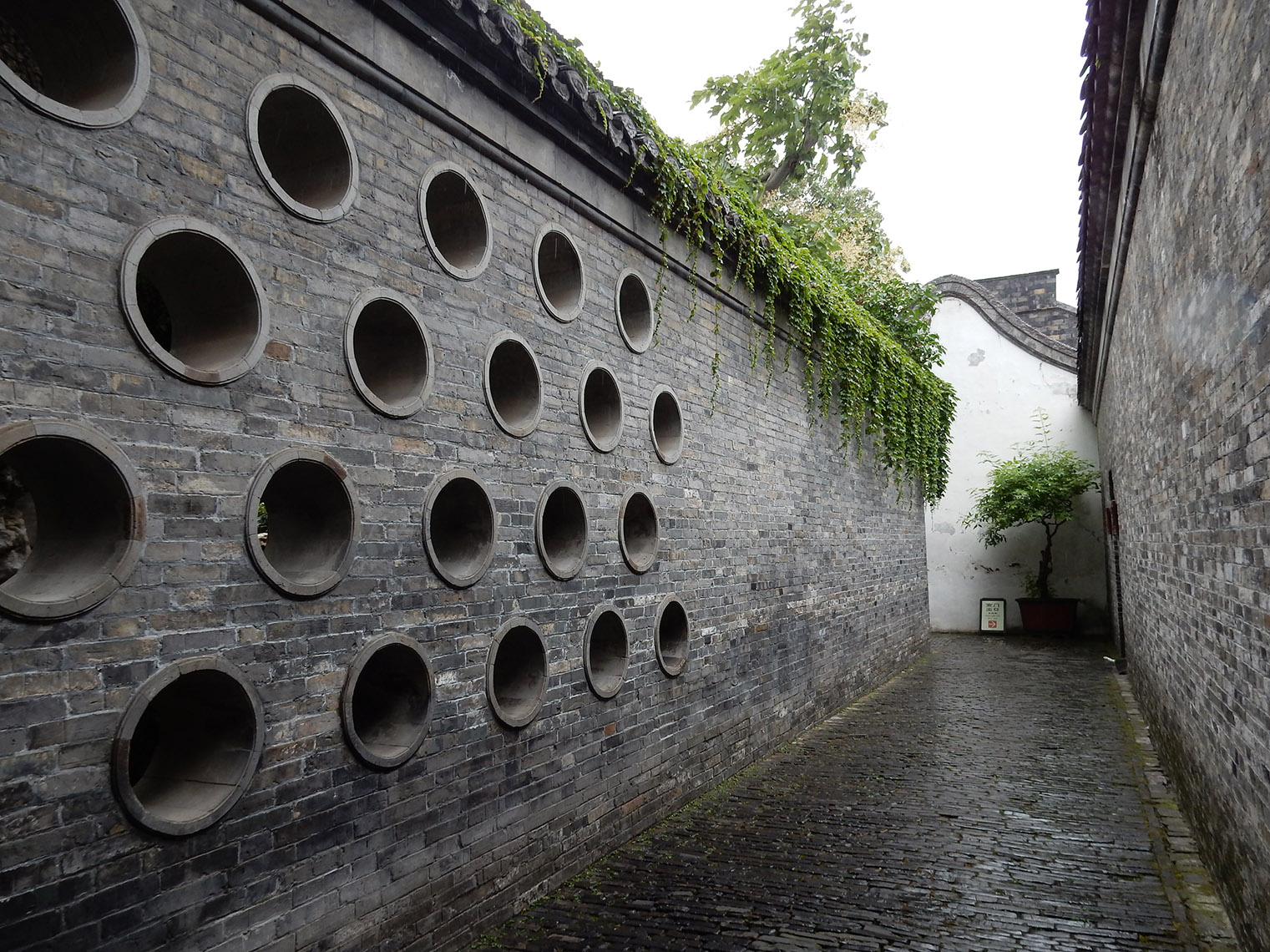
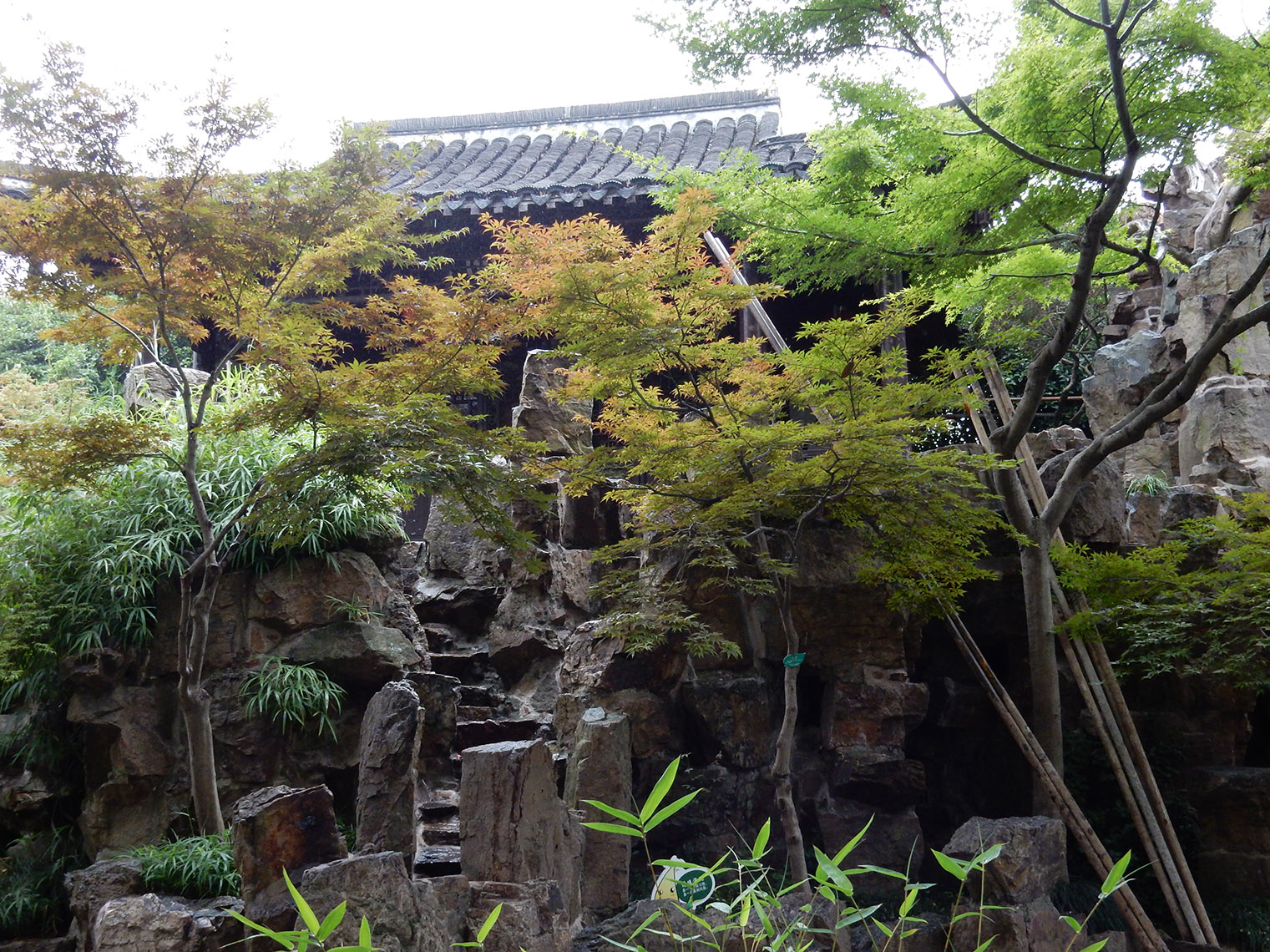
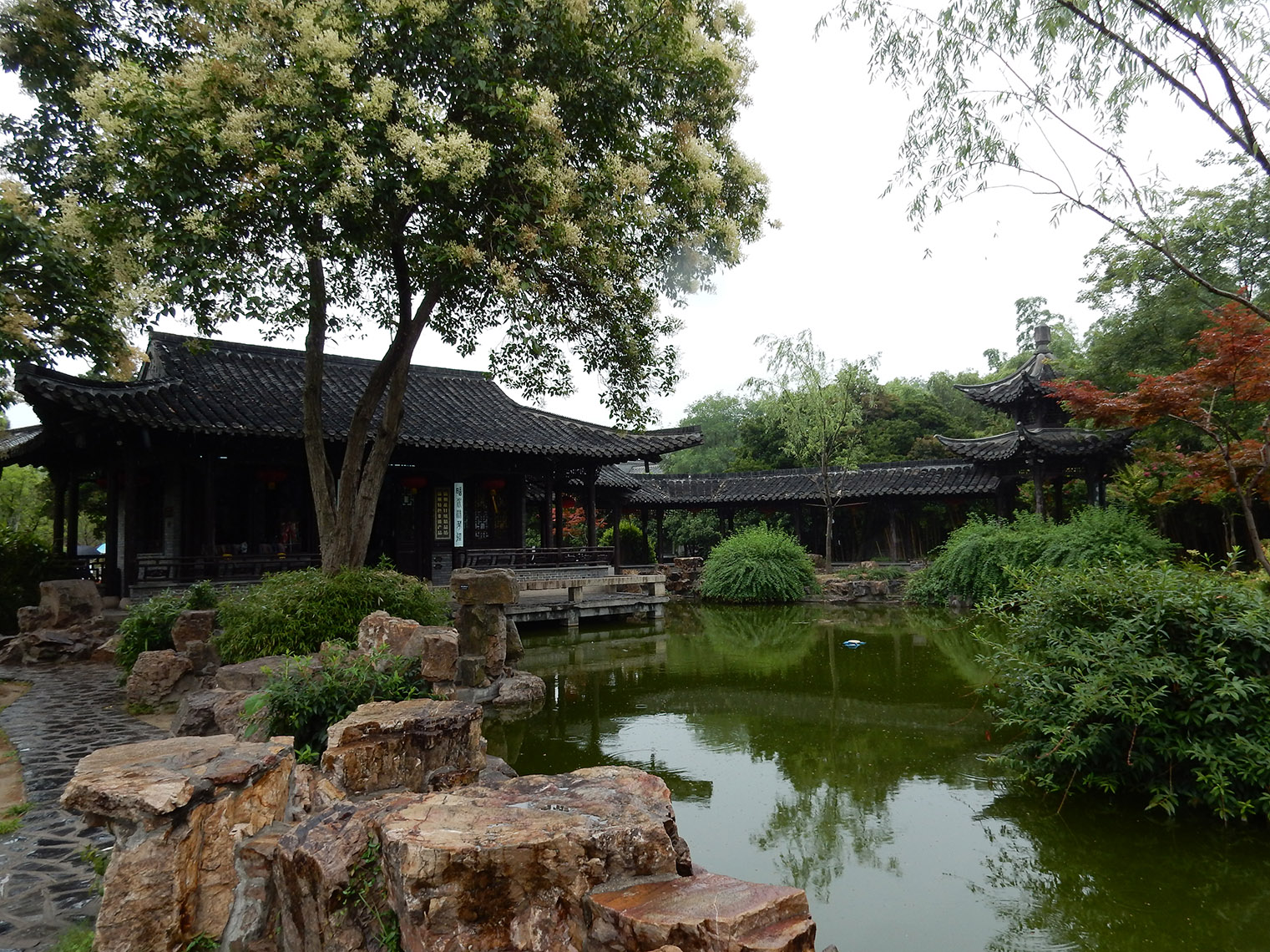
Once I'd finished enjoying the bamboo, I left the garden and headed north. I stopped for lunch at a restaurant mentioned in my tour book (at least, I'm pretty sure it was the one) but, despite being featured in an English language tour book, there wasn't an English menu. Or, if there was, none of the staff thought to show it to me. In the end, since I was hungry and didn't want to look for anywhere else, I ended up sending Connie a photo of the menu and having her tell me what to order. It worked out, though was a bit of a pain in the neck. In the future, I don't think I'll be eating at any restaurants without an English menu, or at least a picture menu, when I'm on my own.
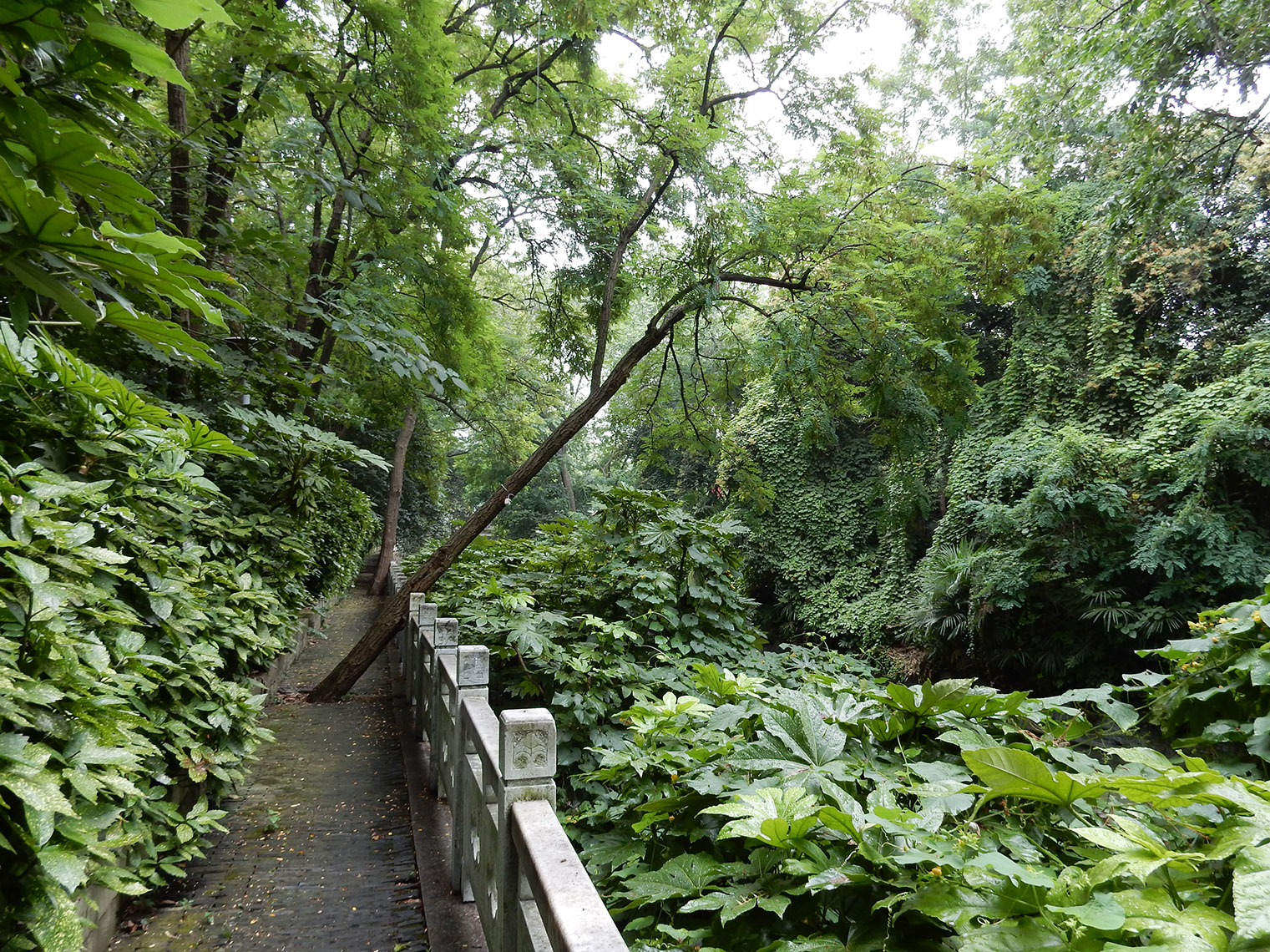
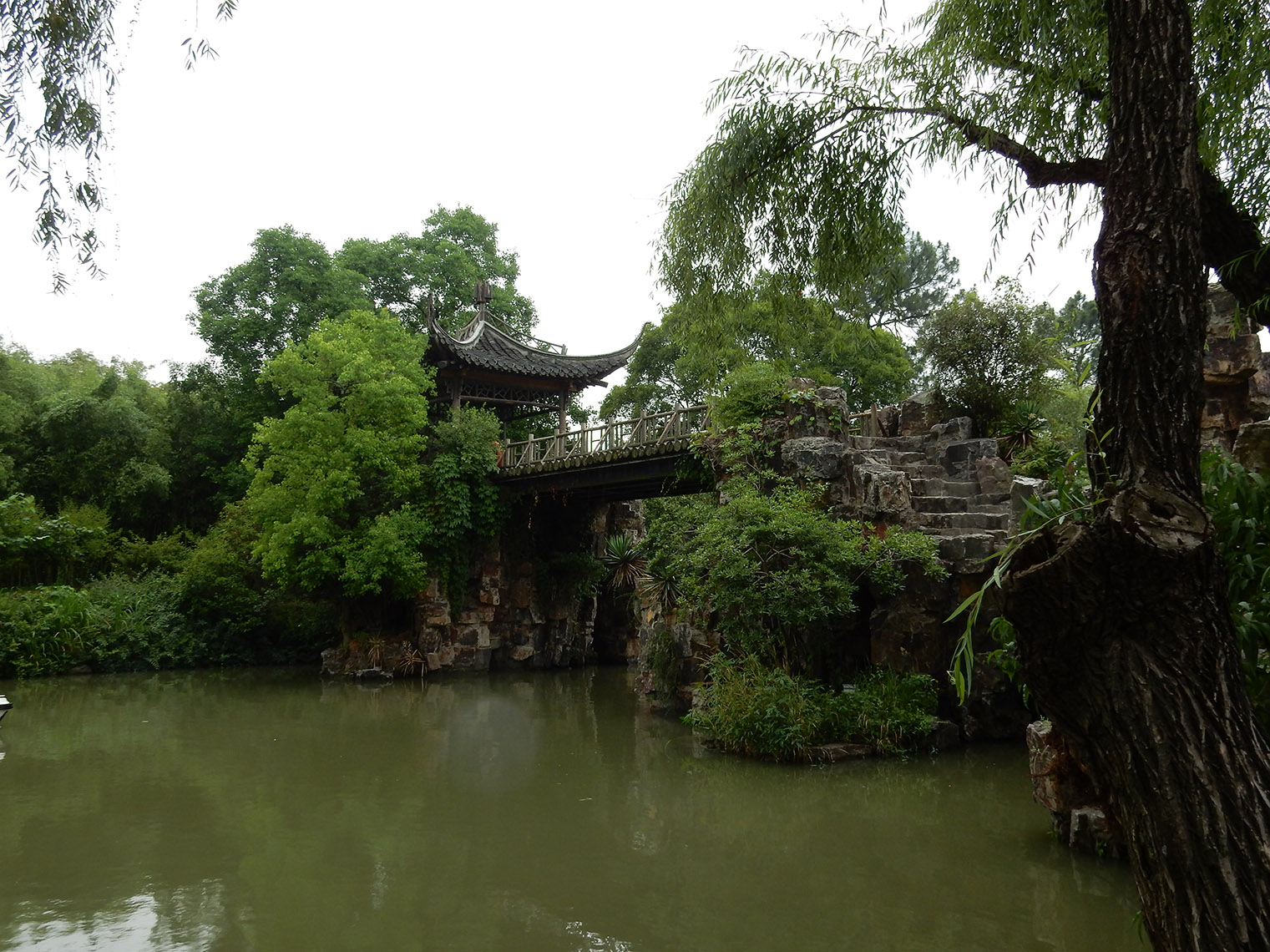
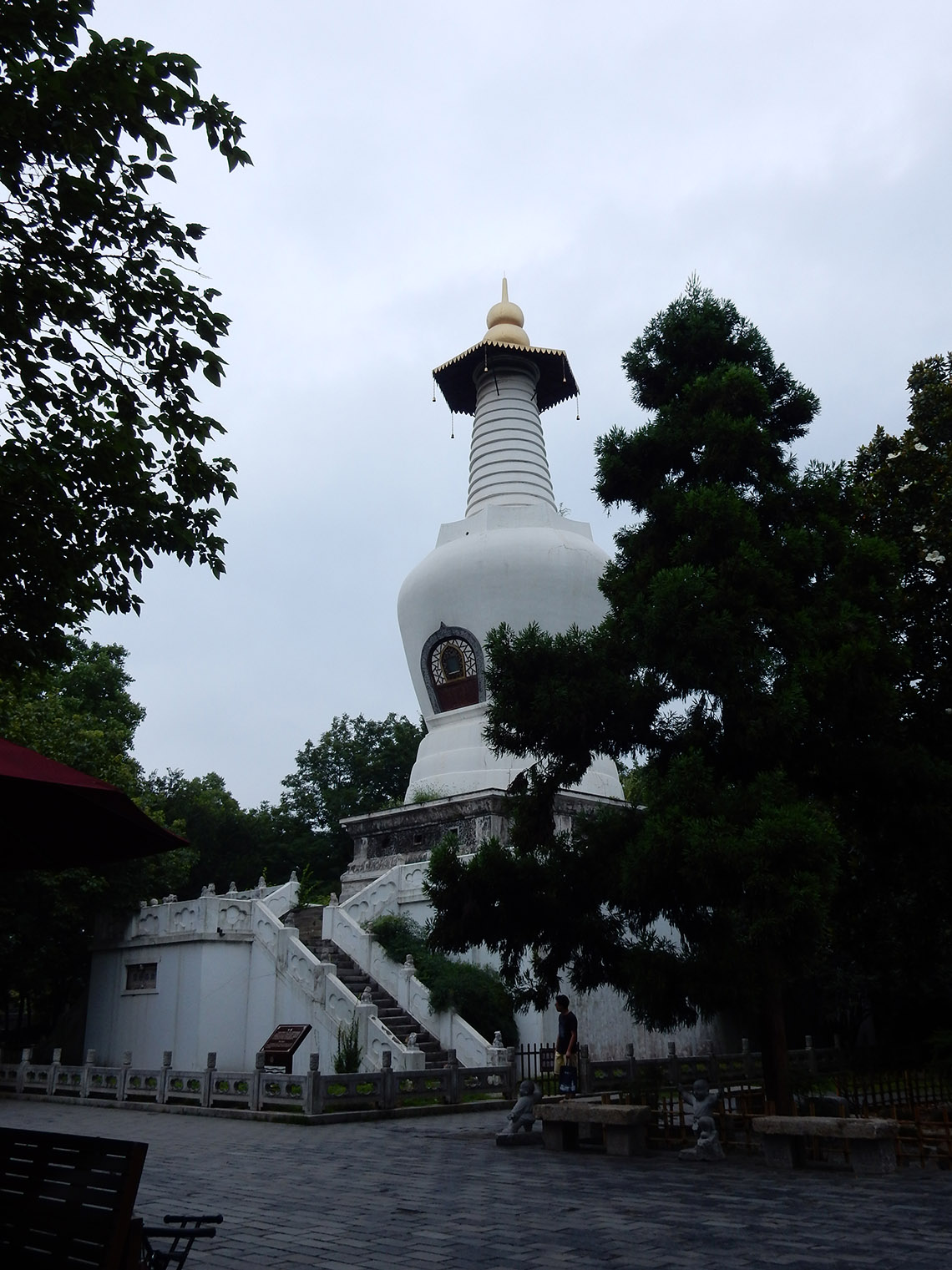
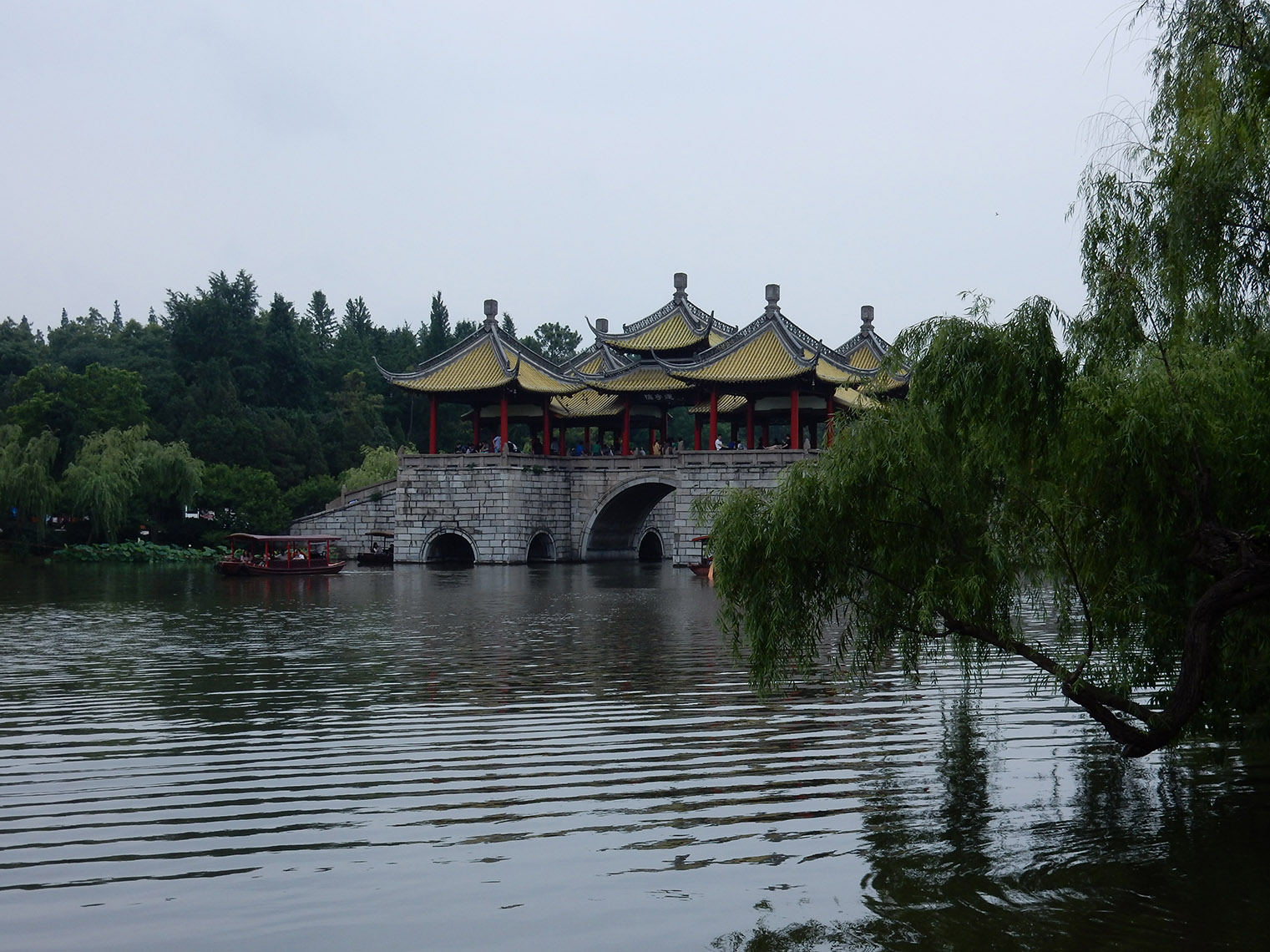
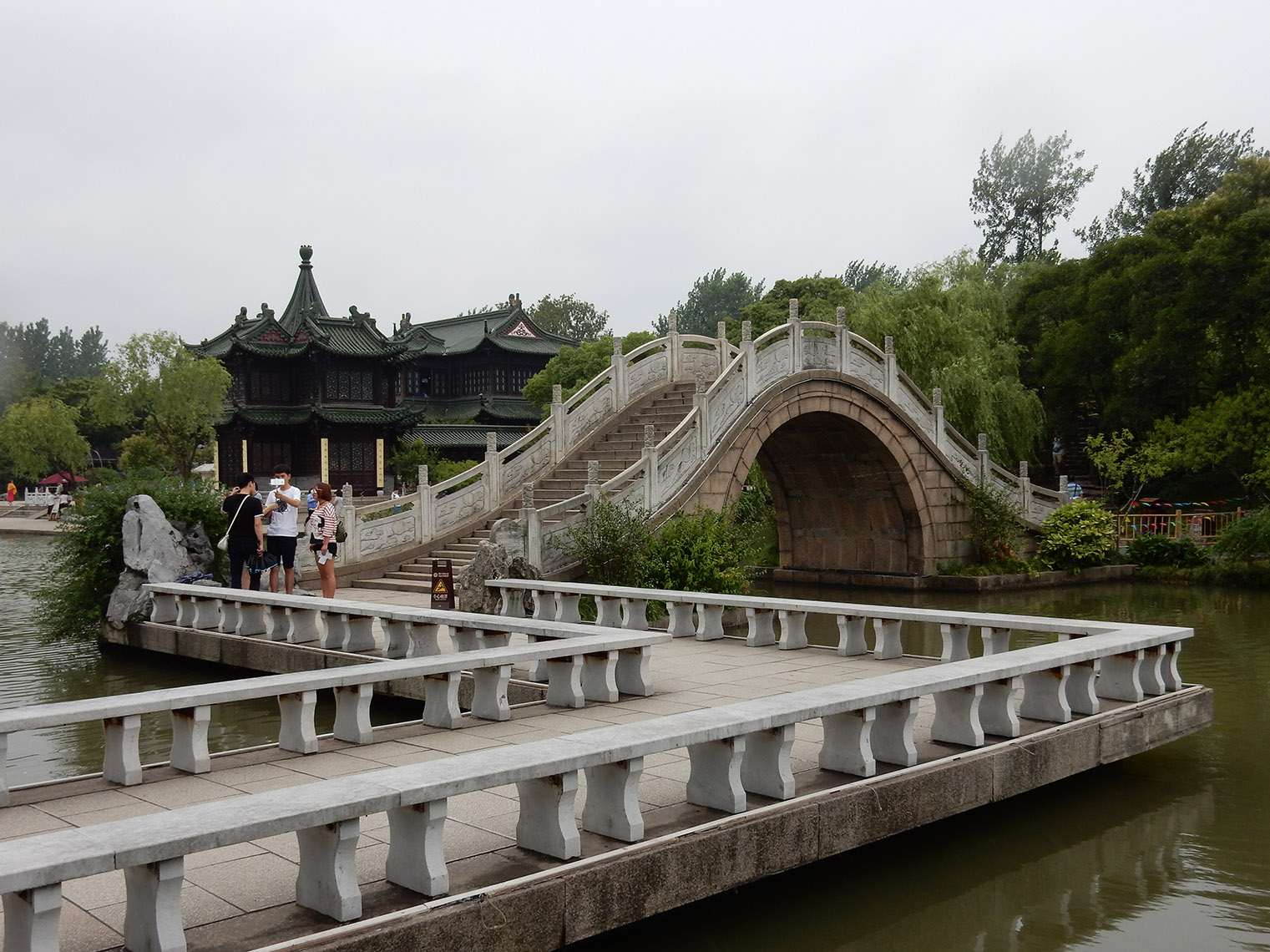
From there, I went a little further north to a stream or canal and began to follow it to the west. I was originally planning to walk along the road, but it turned out that they had a path by the canal itself. Unfortunately, the path started out rather dirty, causing me to stick to the road for a while, then it switched to just overgrown, before finally turning into a nice and well maintained walkway. Said walkway ended shortly before my next destination, Slender West Lake Park. Slender West Lake is, as the name implies, a rather narrow lake. It's surrounded by a large park filled with gardens and other attractions. While far smaller than Hangzhou's famous West Lake, Yangzhou's slender version is quite nice in its own right. It was a pretty park, with lots of trees, flowers, and birds (which I've been seeing more of on this China trip than on my previous ones). One of the more notable attractions is this stupa (a Buddhist structure that you don't see too often outside of India). If it seems a little out of place, there's a story behind it. Long ago when the emperor (I can't remember which one) was visiting Yangzhou, he was very impressed with the lake and remarked that all it needed was a stupa to resemble a famous park in Beijing. In a (successful) attempt to curry favor, the locals carved a replica out of salt over night. This one was built a bit later, as a more permanent version. The lake also featured a number of bridges, some of which were quite elaborate. Here, for example is the 24 Bridges...er, bridge? I'm not entirely sure if the phrase "24 Bridges" was a typo referring to that particular bridge (which has 24 steps on each side, potentially making it the 24 Bridge), or that entire section of the park (which might or might not have 24 bridges, I didn't count).
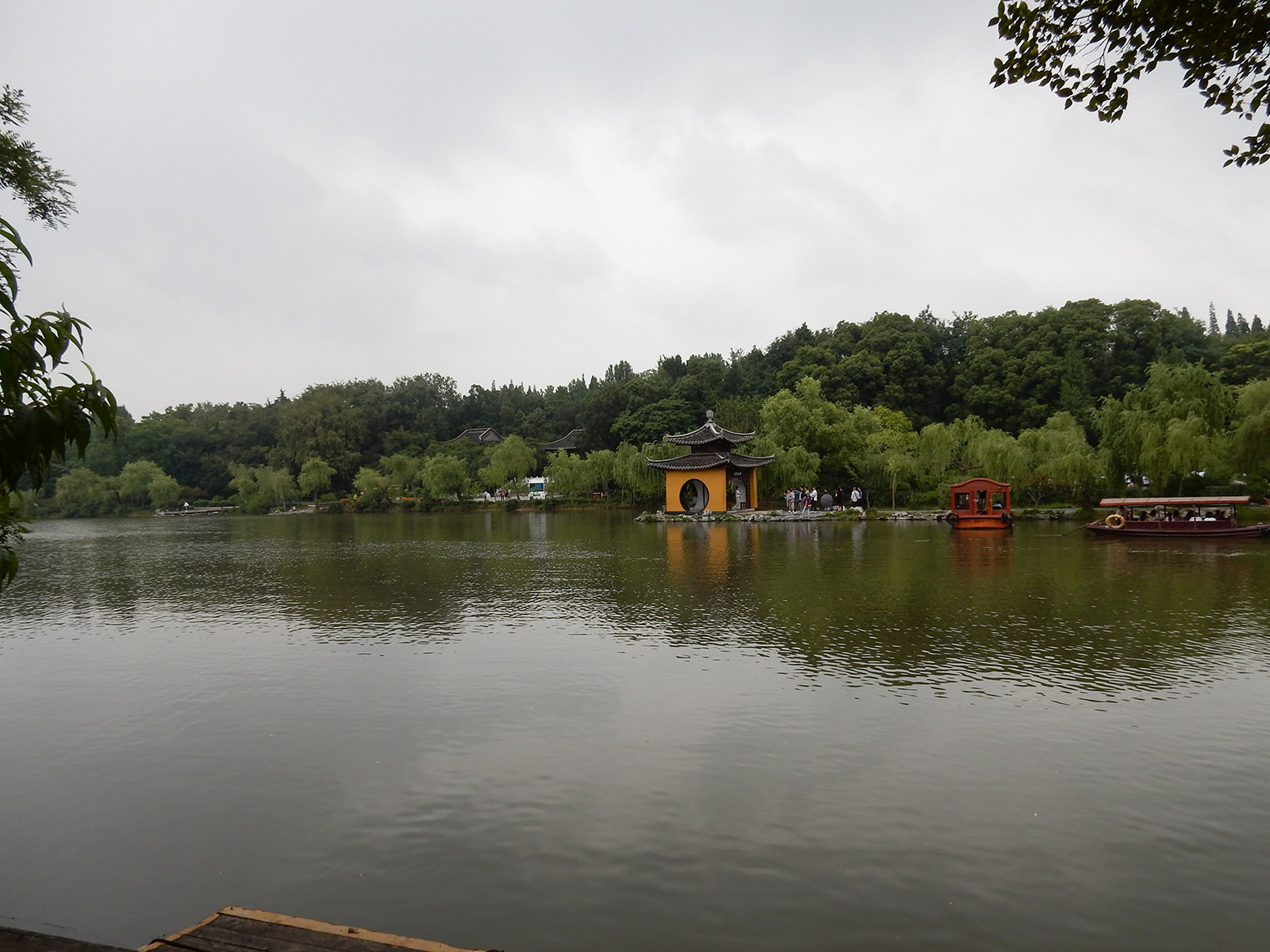
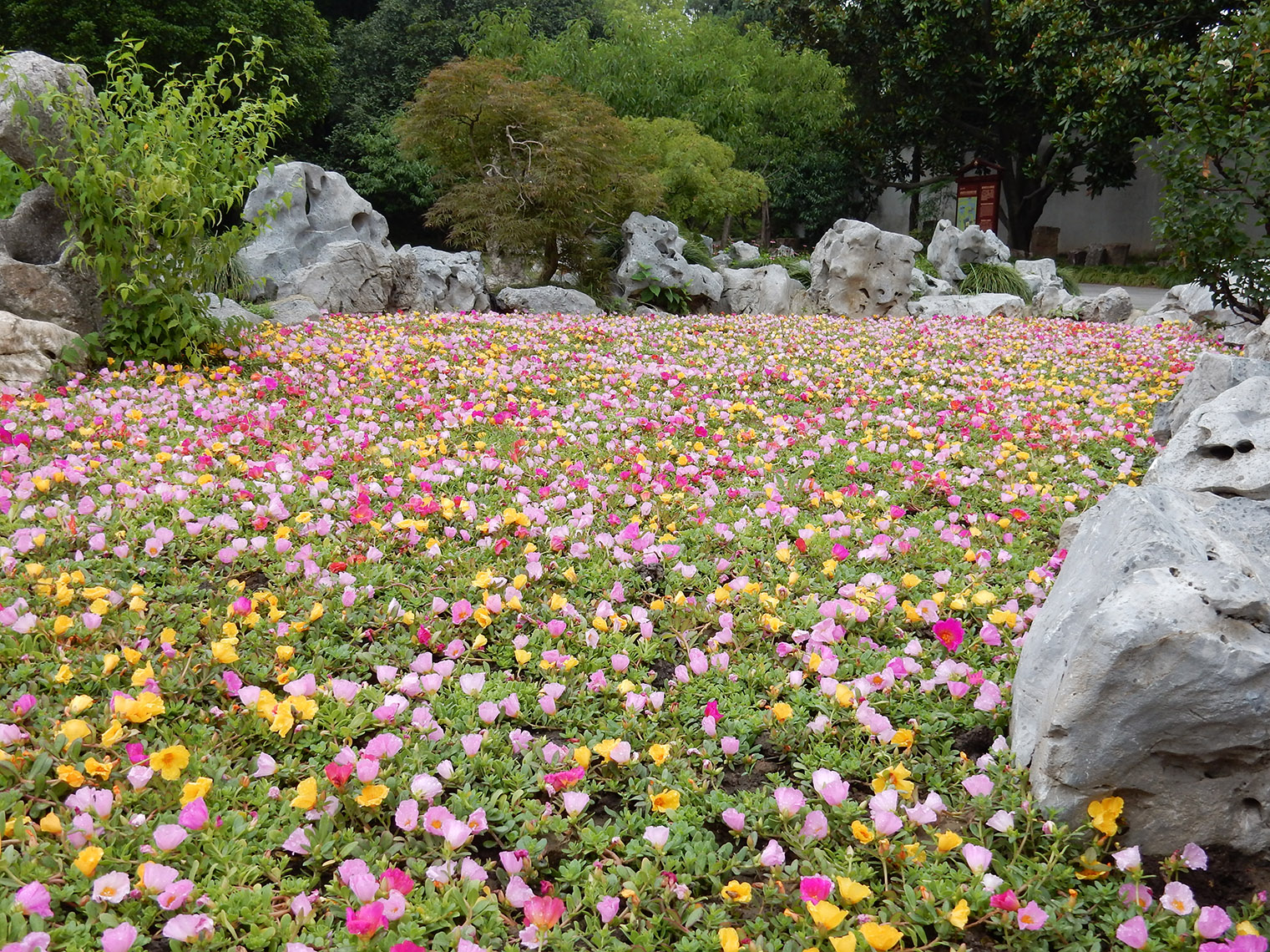
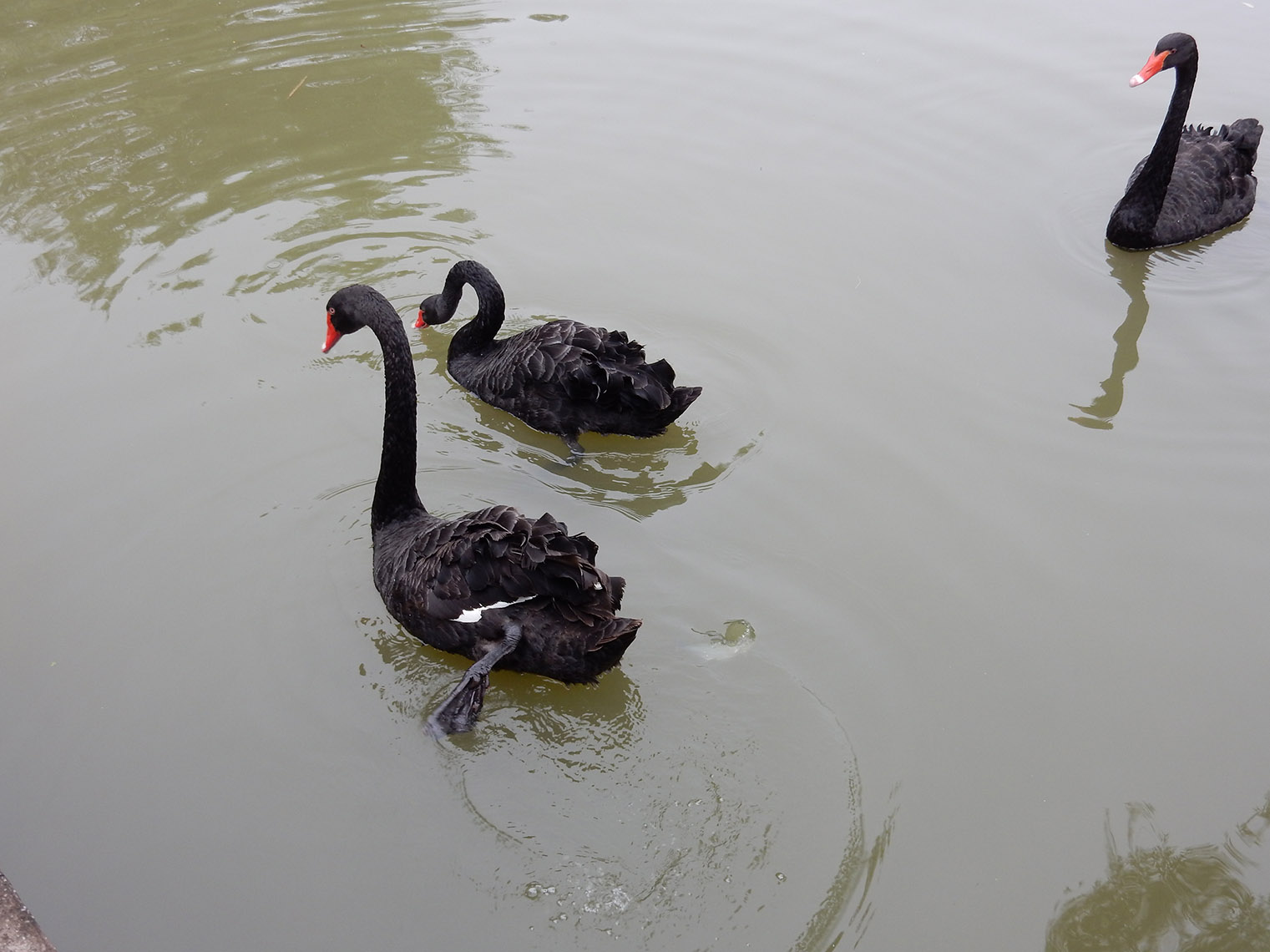
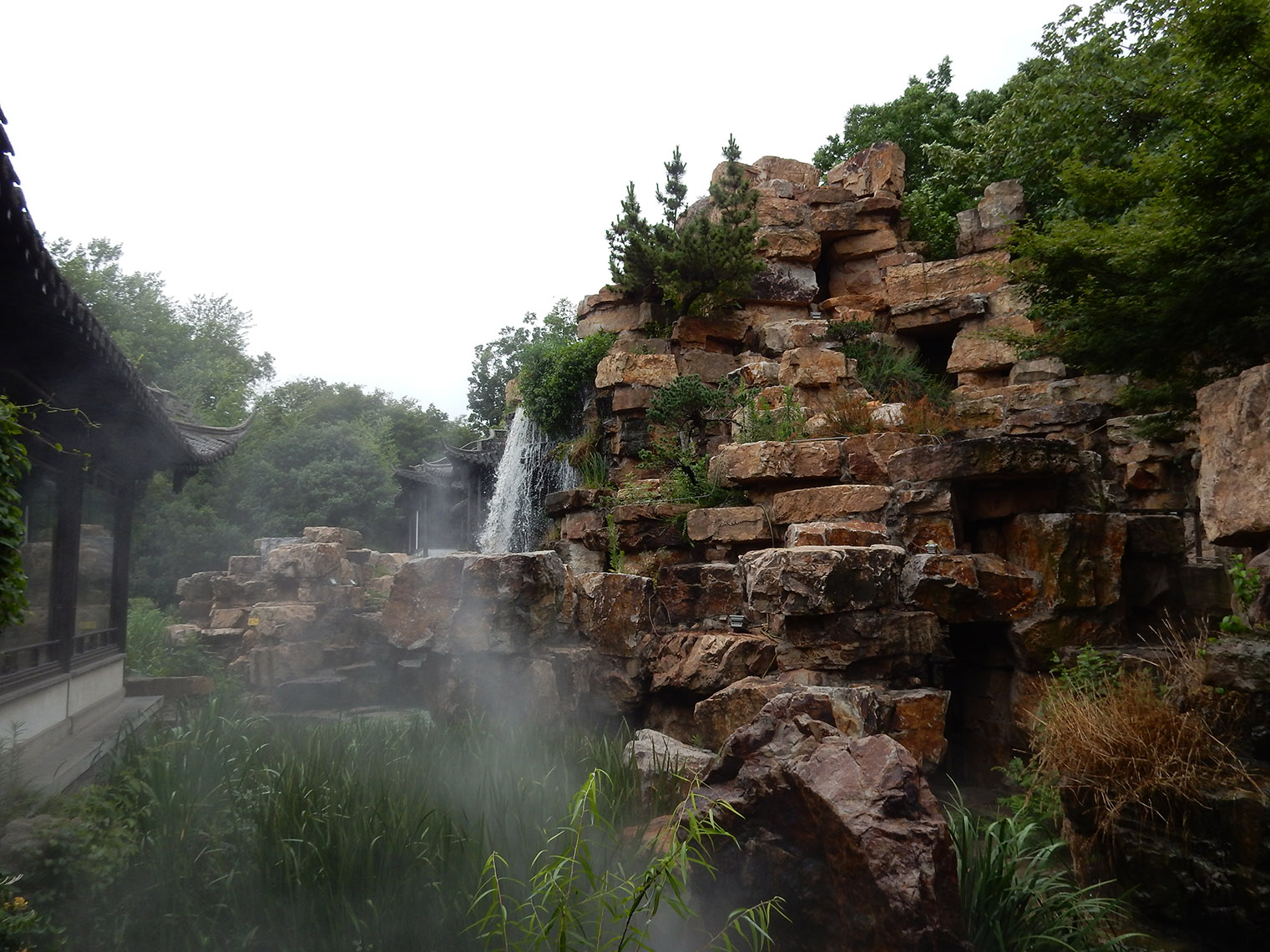
The park also held a small garden, some picturesque man-made waterfalls, and a bonsai museum. I was originally going to skip the museum itself, but it was free so I walked through. While bonsai is generally considered to be a Japanese art form, it's practiced in China too. In fact, Yangzhou has its own bonsai style (hence the museum). As a note, while some Chinese bonsai trees look more or less the same as Japanese bonsai, some seem to put more of an emphasis on creating a mini landscape, rather than just one tree, and others can be several times larger than what I'd expect to see in Japan.
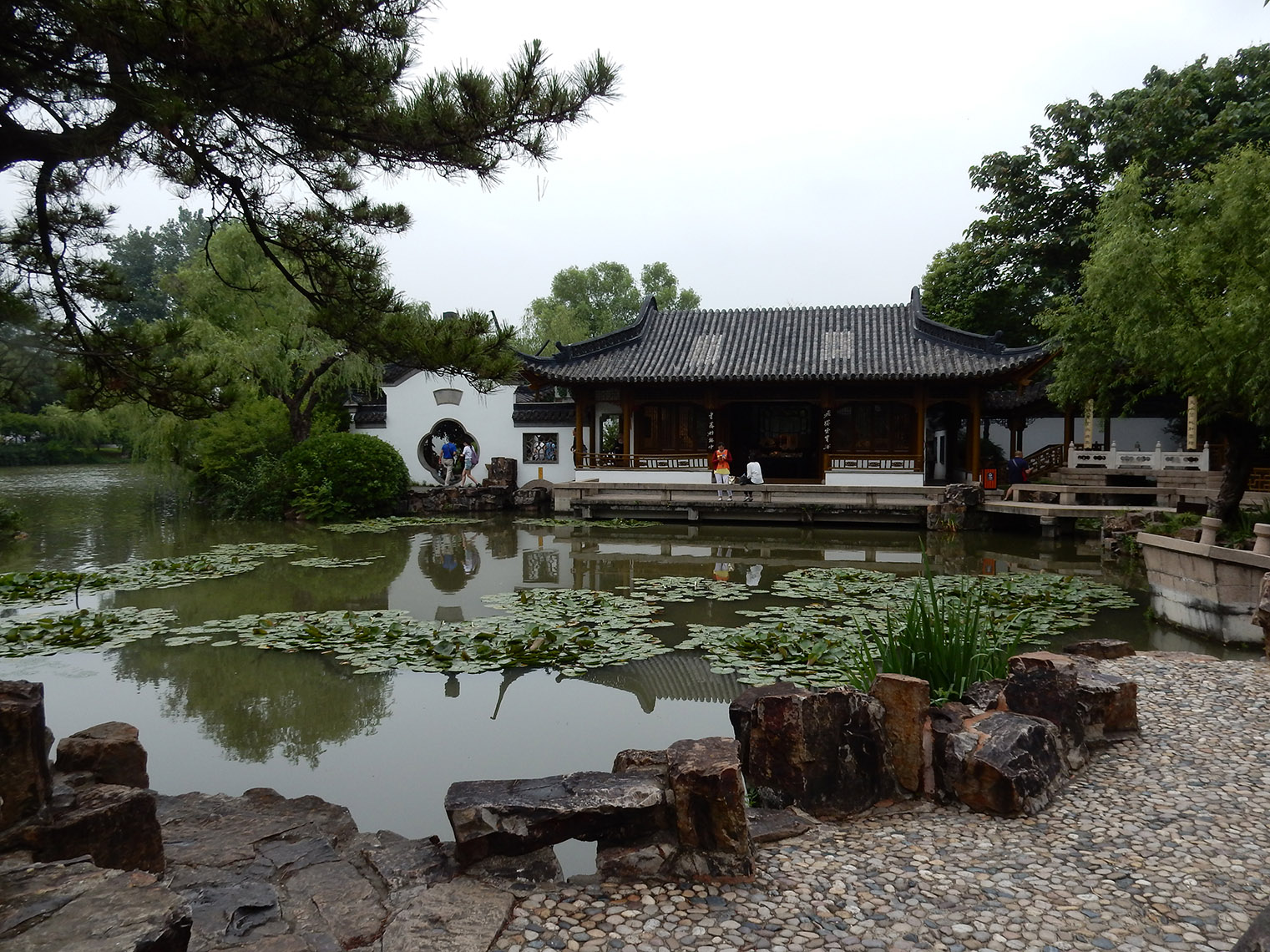
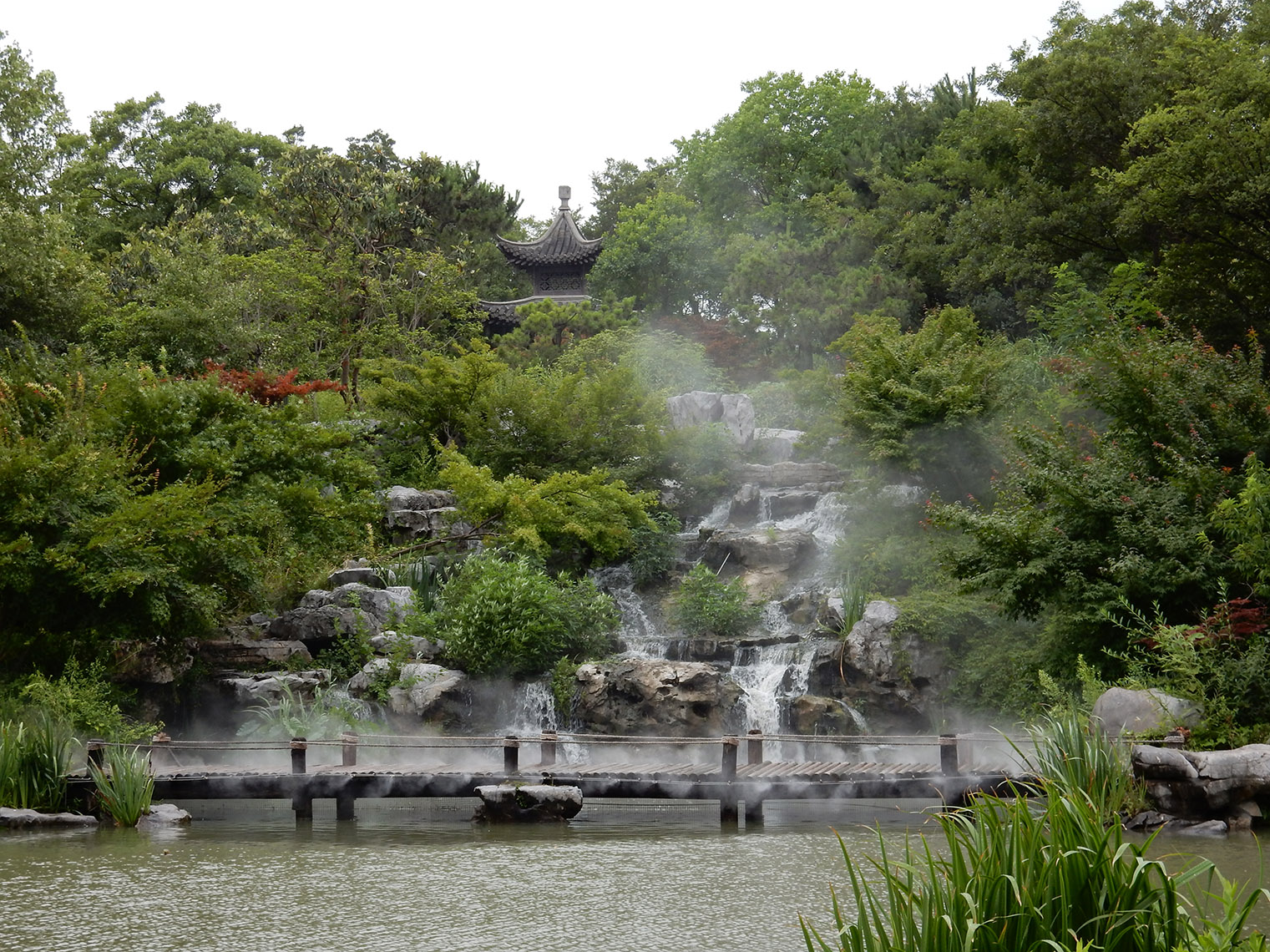
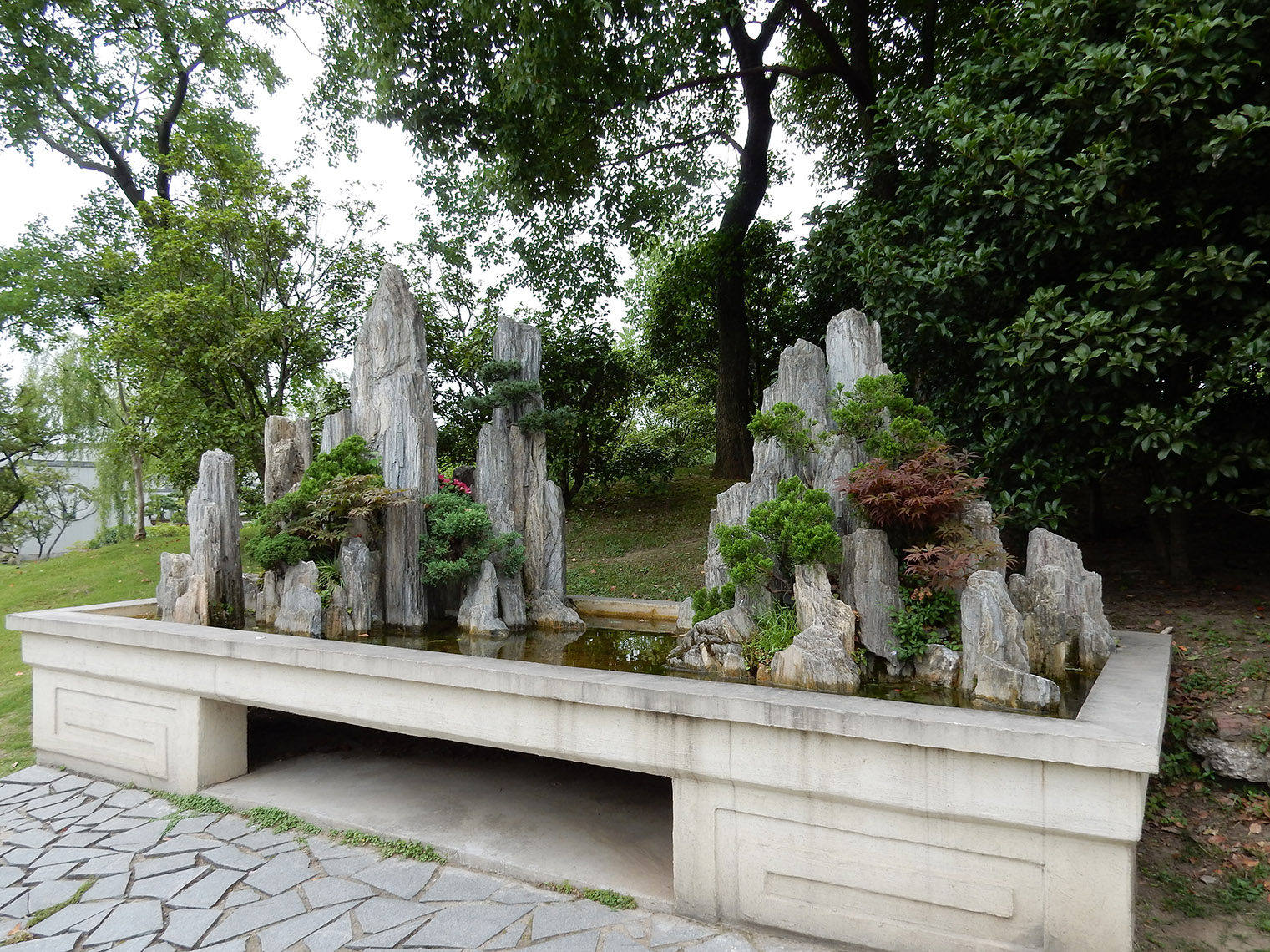
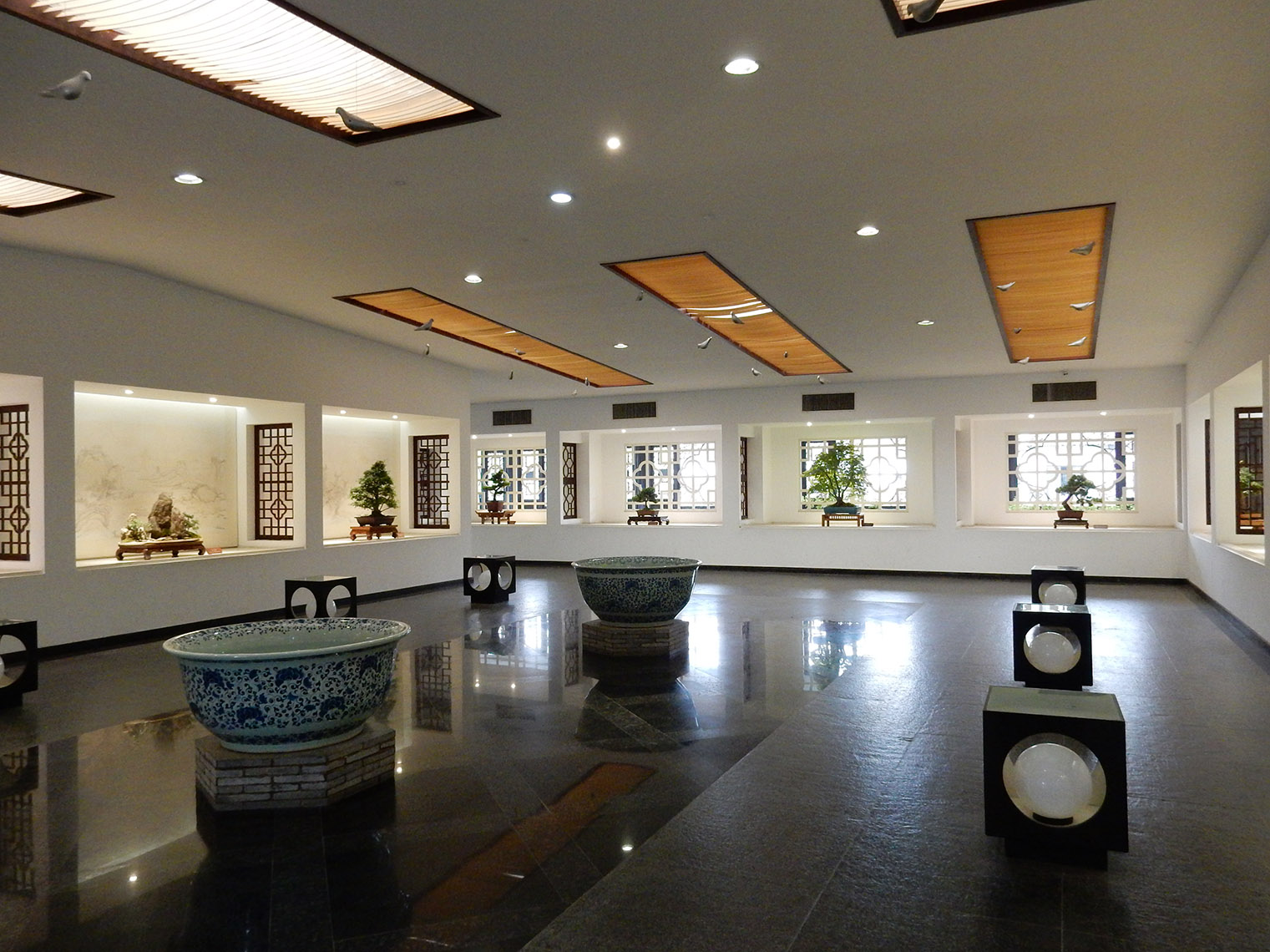
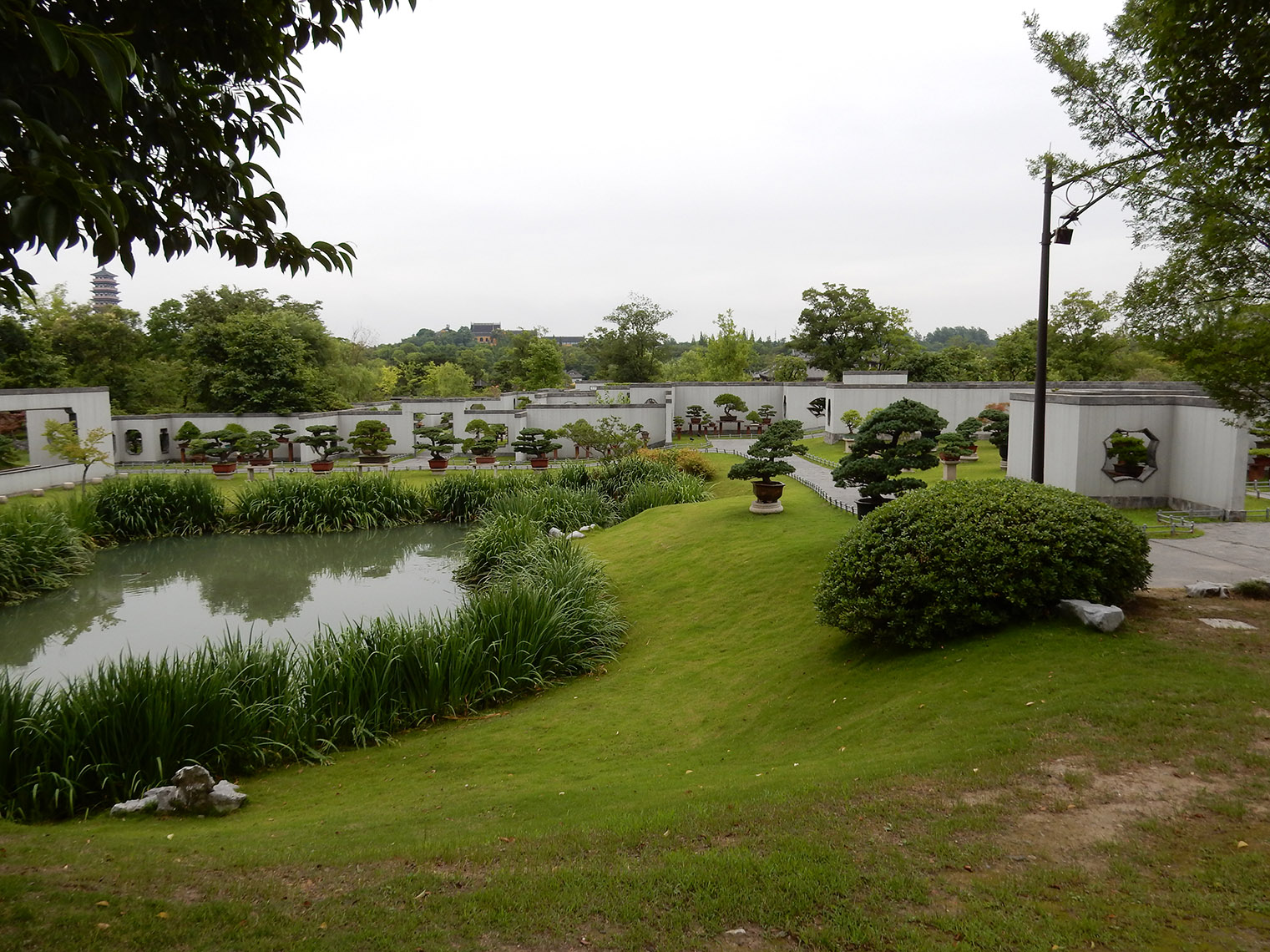
As I left the bonsai museum, I began seeing a large pagoda off in the distance. Figuring that it was most likely part of the nearby Daming Temple, I decided to try and get there before closing time. As I made my way through the north end of the park, I came across another little attraction, a sort of mini recreation of the lake area and local water system done as a garden. It lacked a lot of details, but was kind of fun to see.
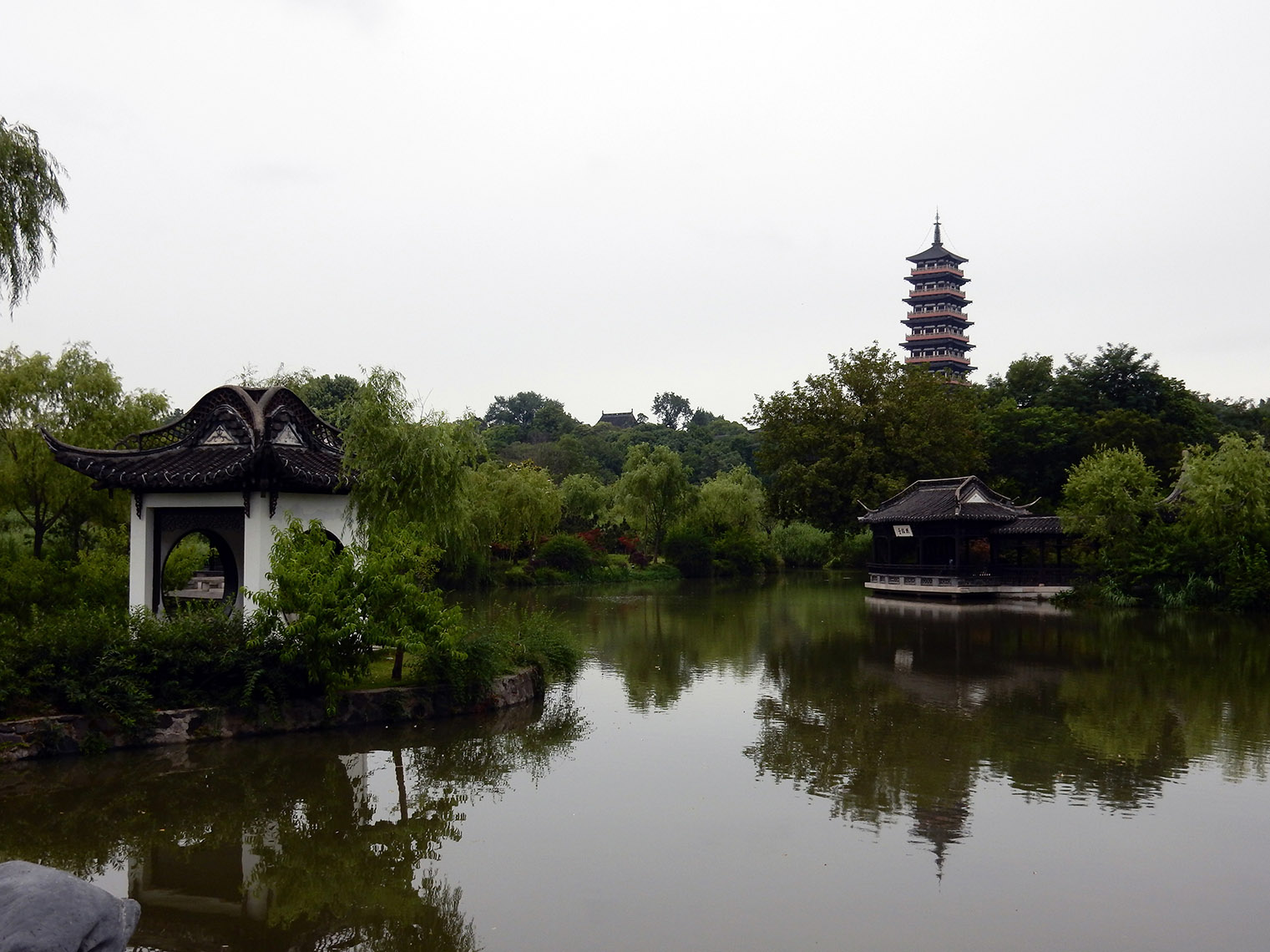
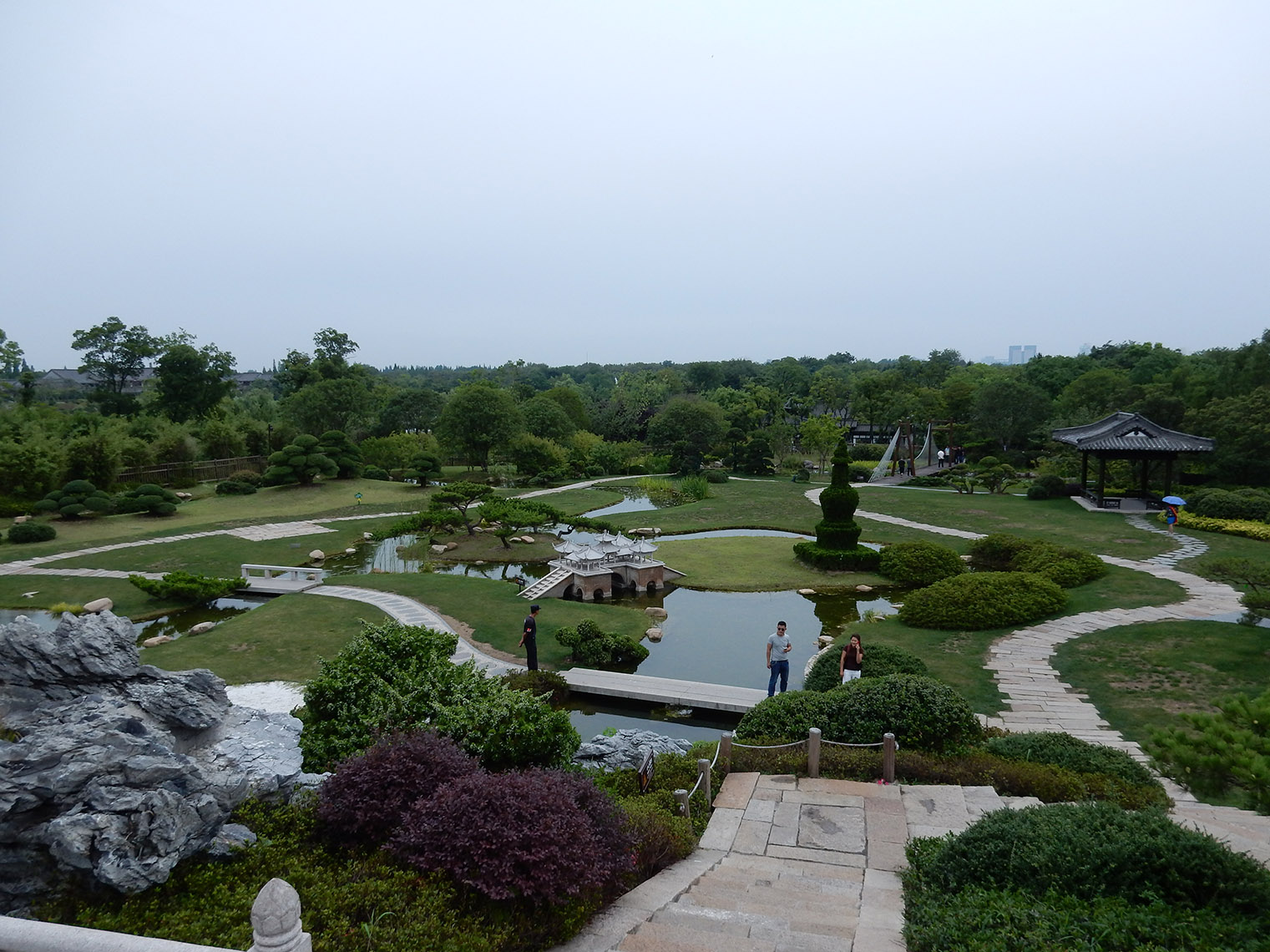
Shortly after that, I left the official lake part behind, though Slender West Lake itself actually continued on a bit further to the north, with some more picturesque scenes. I think I explored the park fairly thoroughly, but there were tons of side paths with bridges and statues scattered about so I'm sure I missed a bit. It seems that there's also a big show they put on there every night (with fancy costumes, lights, music, etc.), though it requires a separate ticket. It looked cool, but wasn't until 8:30 and, assuming it went for about an hour or so, if I stayed I probably wouldn't be able to catch the last train back to Nanjing. But I'll keep it in mind in case I ever spend a night in Yangzhou in the future.
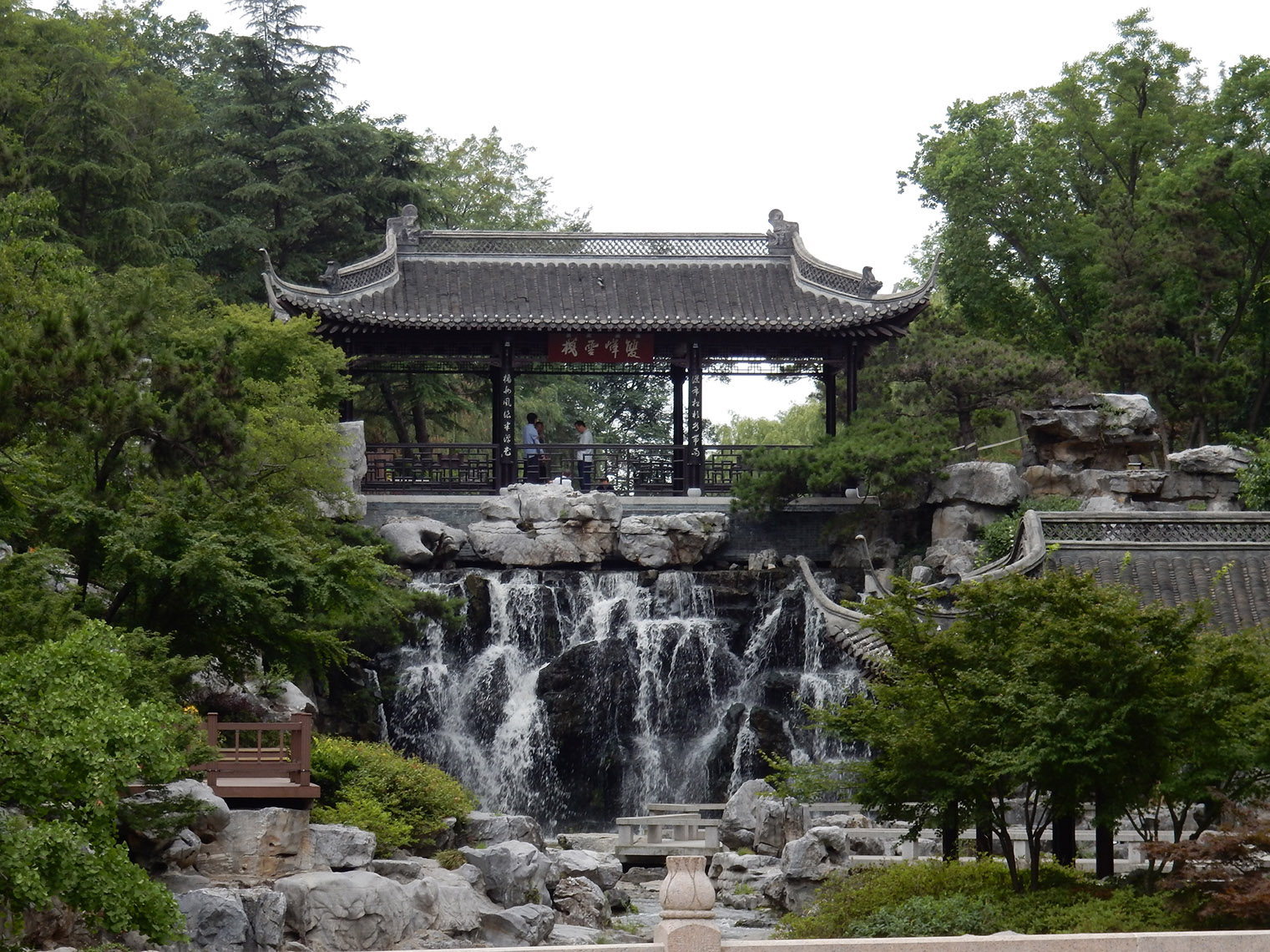
Anyway, I managed to make to to Daming Temple about half an hour before closing time, so I headed inside. The main temple is nice enough, though nothing too special (at least for someone like me who has seen tons of Buddhist temples), but they also have a pretty large compound complete with a garden, numerous side buildings, and that nine story pagoda. I spent a minute debating whether or not I really wanted to climb all the way up there (assuming it was allowed) after spending all day on my feet, though knowing that there was no way I wouldn't do it. Turns out, it's a pretty new pagoda (so new that you can only go as high as floor 7 because 8 and 9 are unfinished) so it had an elevator. However, going up the pagoda required a separate ticket (besides the admission ticket for the temple). Still, I think the view was worth it. If you're wondering, that body of water in the photo is only the north end of Slender West Lake, it stretches all the way back through that entire block of green (the park). Made me realize just how far I'd walked over the course of the day. I spent a little while up there enjoying the view and chatting with a student from Nanjing University who wanted to practice her English before heading down. I took the stairs, in case I'd missed anything interesting on the lower levels of the pagoda on the way up (I didn't), then left the temple complex.
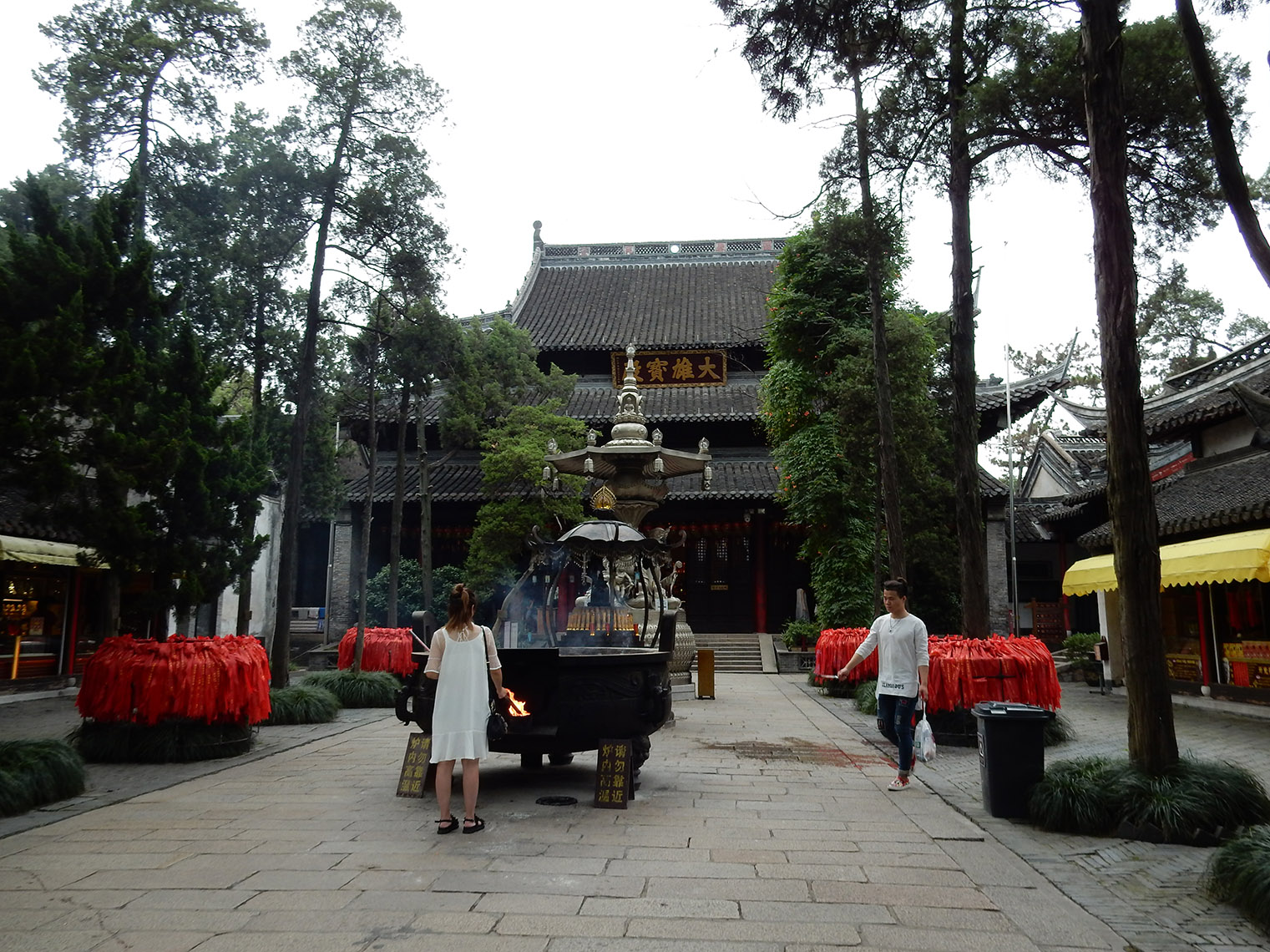
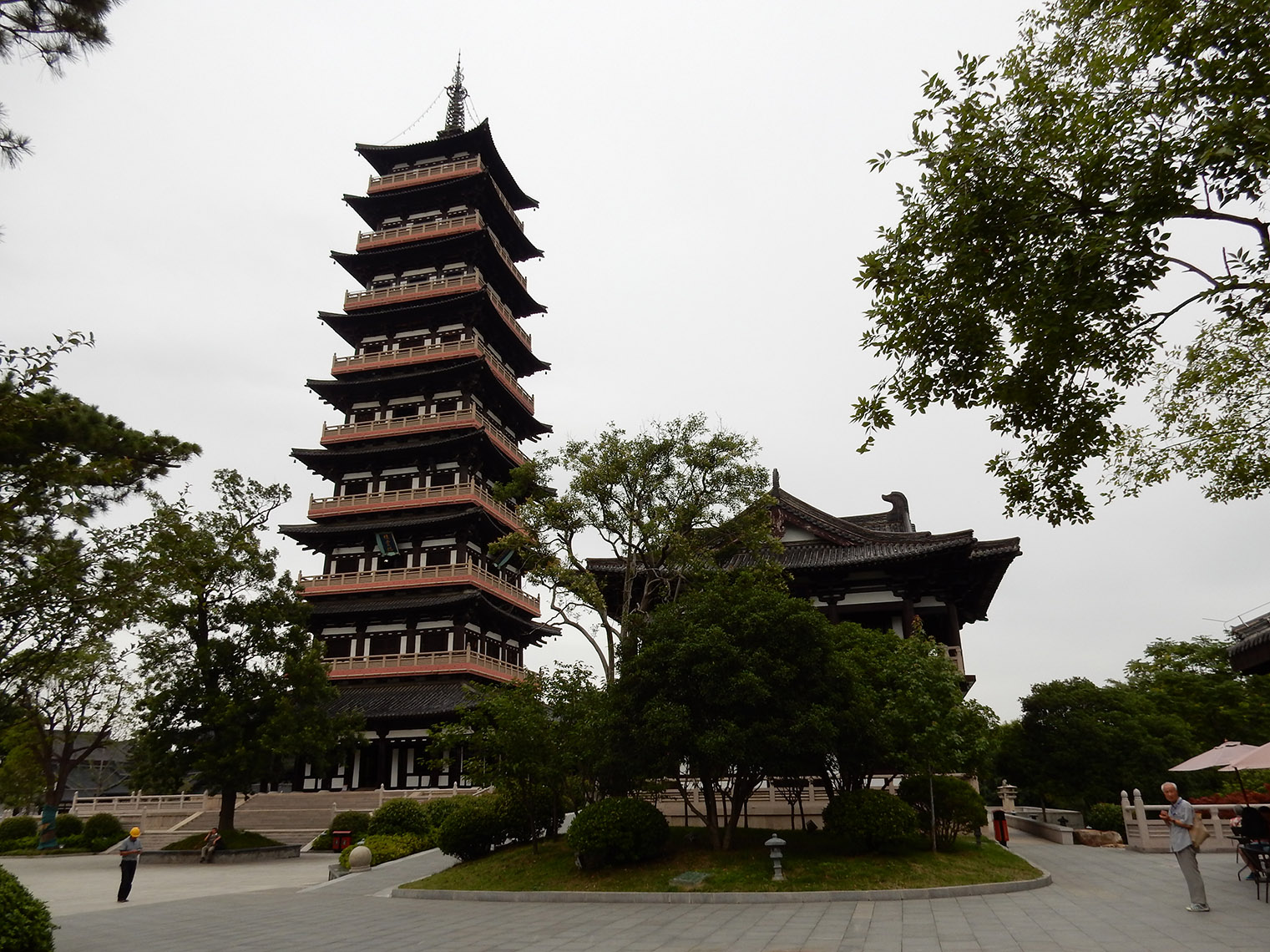
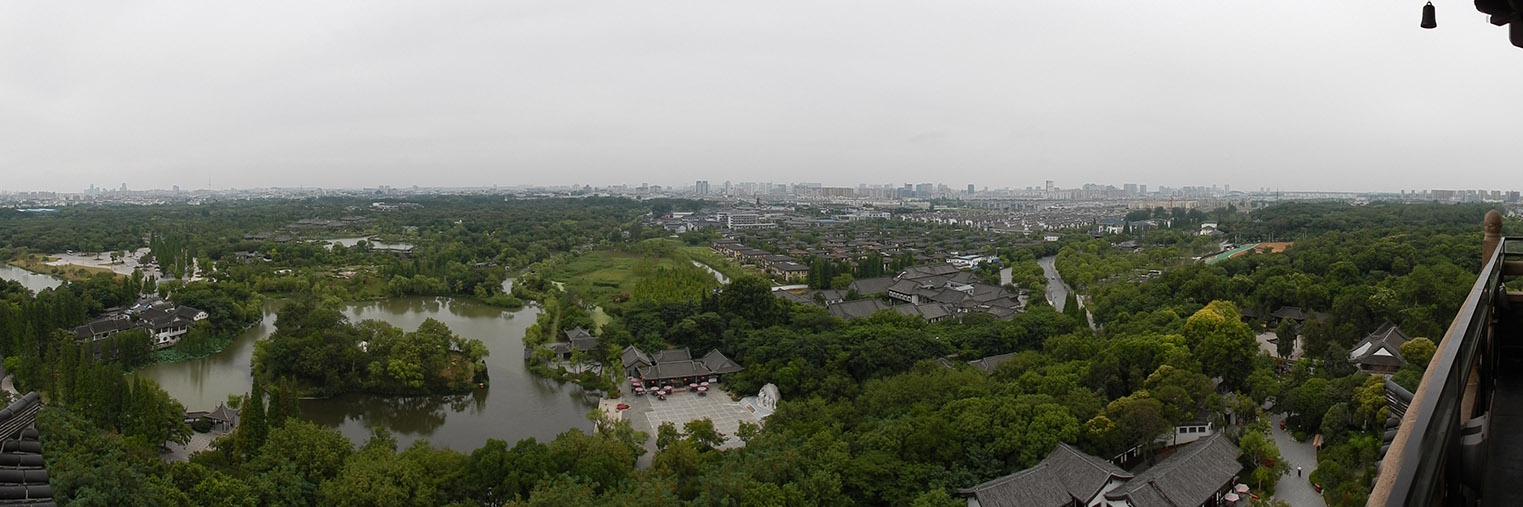
There was a couple other attractions around (some ruins and an ancient tomb) but everything was closing up for the day so I flagged down a taxi back to the train station. Unfortunately, that was when the day took a turn for the worse. Since I hadn't been sure exactly when I'd finish up in Yangzhou, I hadn't bought a return ticket in advance. Well, it turned out that the next two trains were sold out, leaving me with about a three hour wait. And it turns out that the Yangzhou train station is even worse than Nanjing north when it comes to food and drink, with nothing but a couple of very mediocre convenience stores (probably should have taken a taxi somewhere else but, once inside the station, I was kind of stuck). Didn't help that my 3DS ran out of battery life an hour before the train and my phone was running extremely low as well. But my return trip didn't really improve once the train arrived. See, there are several classes of train in China. G trains, which I normally ride, are fairly close to Japanese Shinkansen. I've also ridden the occasional D train, which is similar though a slight downgrade in terms of speed and comfort. However, when I bought my ticket, the next available seat as on a K train. I didn't really think about it at the time but, in retrospect, I would have rather waited at the station a bit longer if there was a G or D train after that one. So what's the deal with K trains? Well, they're slower for starters. Though on my particular trip that only amounted to a difference of about 15 minutes since it was a relatively short ride to begin with. That I didn't mind...at least until after I was on the train, and then I was just wishing the ride would end as soon as possible. Actually, things got off to a bad start even before I got on the train as the boarding process was essentially a large mass of people trying to get into the car with no sort of order while conductors (or station employees or someone in uniform) angrily shouted at everyone to hurry up (at least I assume that's what they were saying) and shoved you through the doorway once you got close. It didn't get any better after that. K trains are much older and, as such, they're dirty, cramped, uncomfortable, and smell like smoke. Actually, I'm not sure if the cigarette smell was because it was an old train (perhaps from back when smoking on trains was allowed) or from the people ignoring the no smoking signs (something I haven't seen anyone do on G or D trains). They don't ride nearly as smoothly either. On top of that, my K train was also super crowded. Technically, I had a seat assignment but seating on K trains seems to basically ignore the tickets and people just have to try to grab a seat (or several seats, in some cases) if and when they found one. I didn't feel like fighting for my assigned seat (honestly, I didn't really want to sit down on that train anyway), so I tried to just find a place to stand that wasn't too close to the smokers or the bathrooms and wait out the ride. That was made more difficult by the fact that people were constantly making their way up and down the narrow isles, either passengers looking for a seat or conductors checking on things (and totally ignoring the smoking violations) or selling snacks. Anyway, it was a miserable ride and I'll do my best never to take another K train again in the future. On the bright side, K trains are a bit cheaper, but trains in China aren't very expensive anyway and I would gladly pay extra to never repeat that experience again.
I never really got supper (or anything close to it) but, by the time I made it back to Nanjing, it was around 10 at night, a lot of stuff was closing, and I was more worn out than hungry, so I just headed back to my hotel. Definitely a lousy ending to an otherwise enjoyable day.
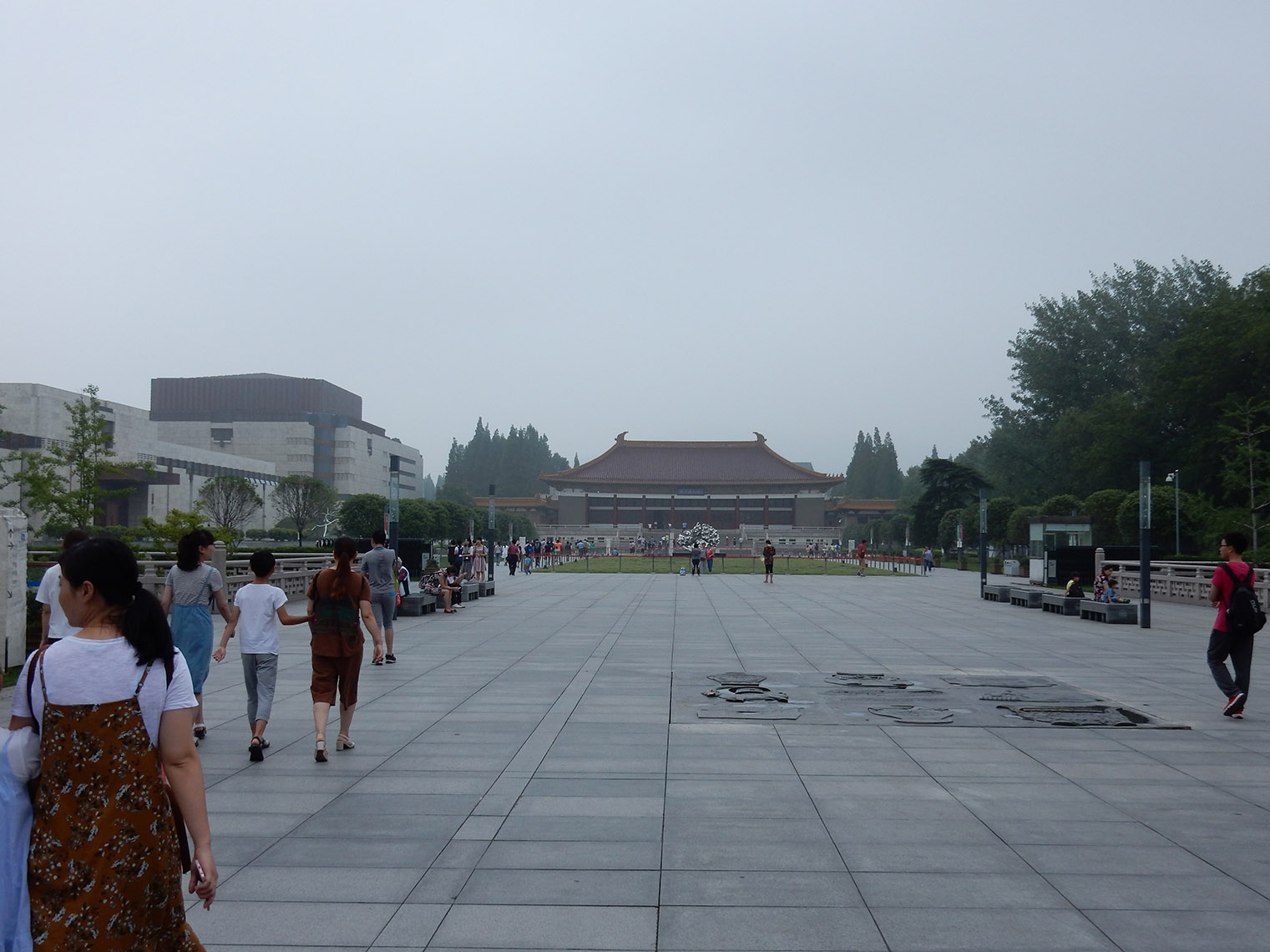
Anyway, the museum is made up of multiple buildings, but you're meant to enter it though the old style building in the back. From there, you can follow the route to get a detailed history of the region from the dinosaurs (well, one small room of them) and onward through the various periods of history. There were a variety of artifacts for each time period going from the stone age, to the bronze age, and onward. It's a huge collection, and nearly all the signs had English translations, which I really appreciated. One thing that I found rather interesting was how much in common the early Chinese civilization had with the Egyptians in regards to their burial customs. While there weren't any mummies, they dressed the bodies, put them in sarcophagi, and built elaborate tombs (at least for the rulers) filled with things that the dead person might need in the afterlife (both real and miniature statues).
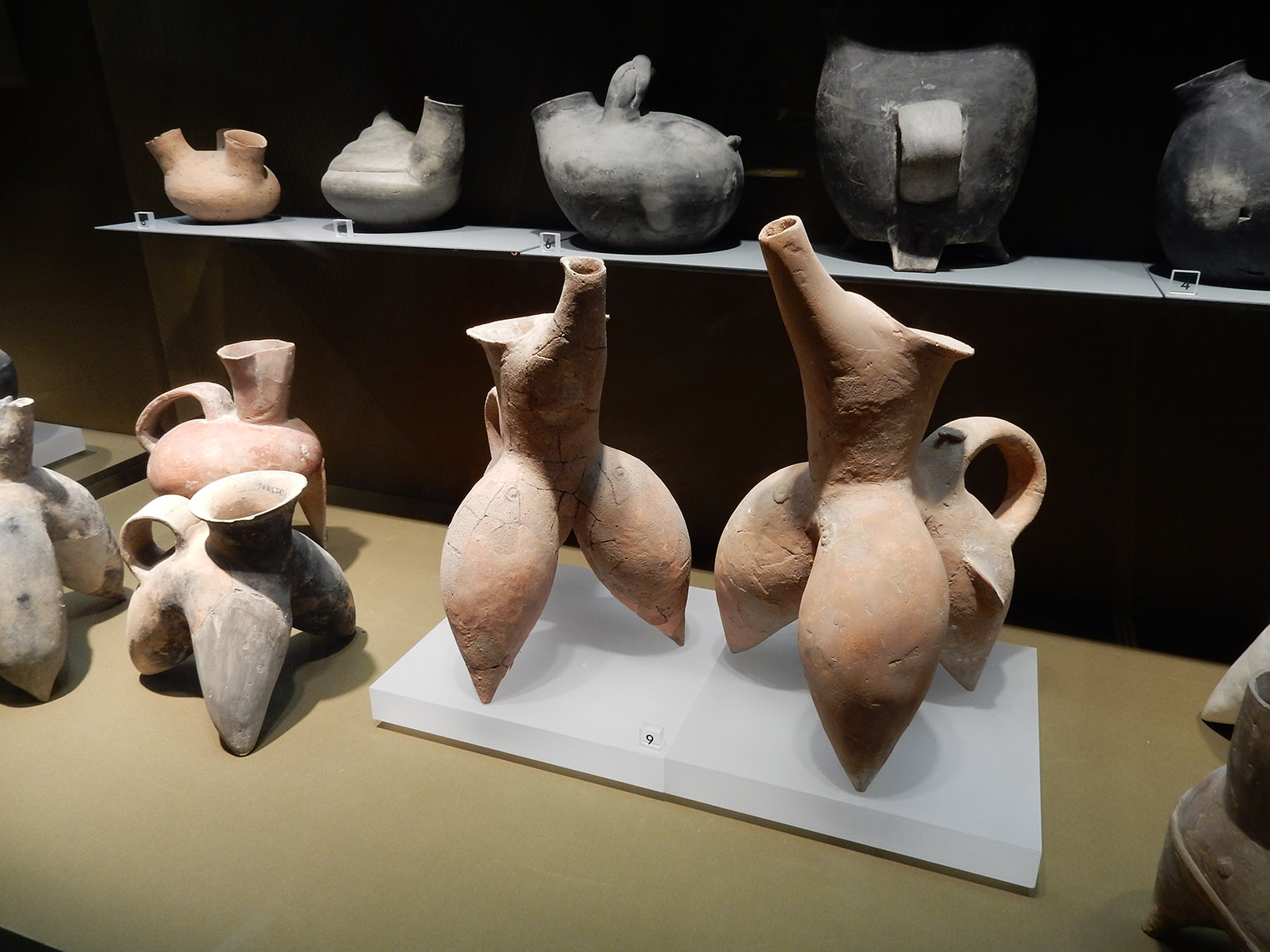
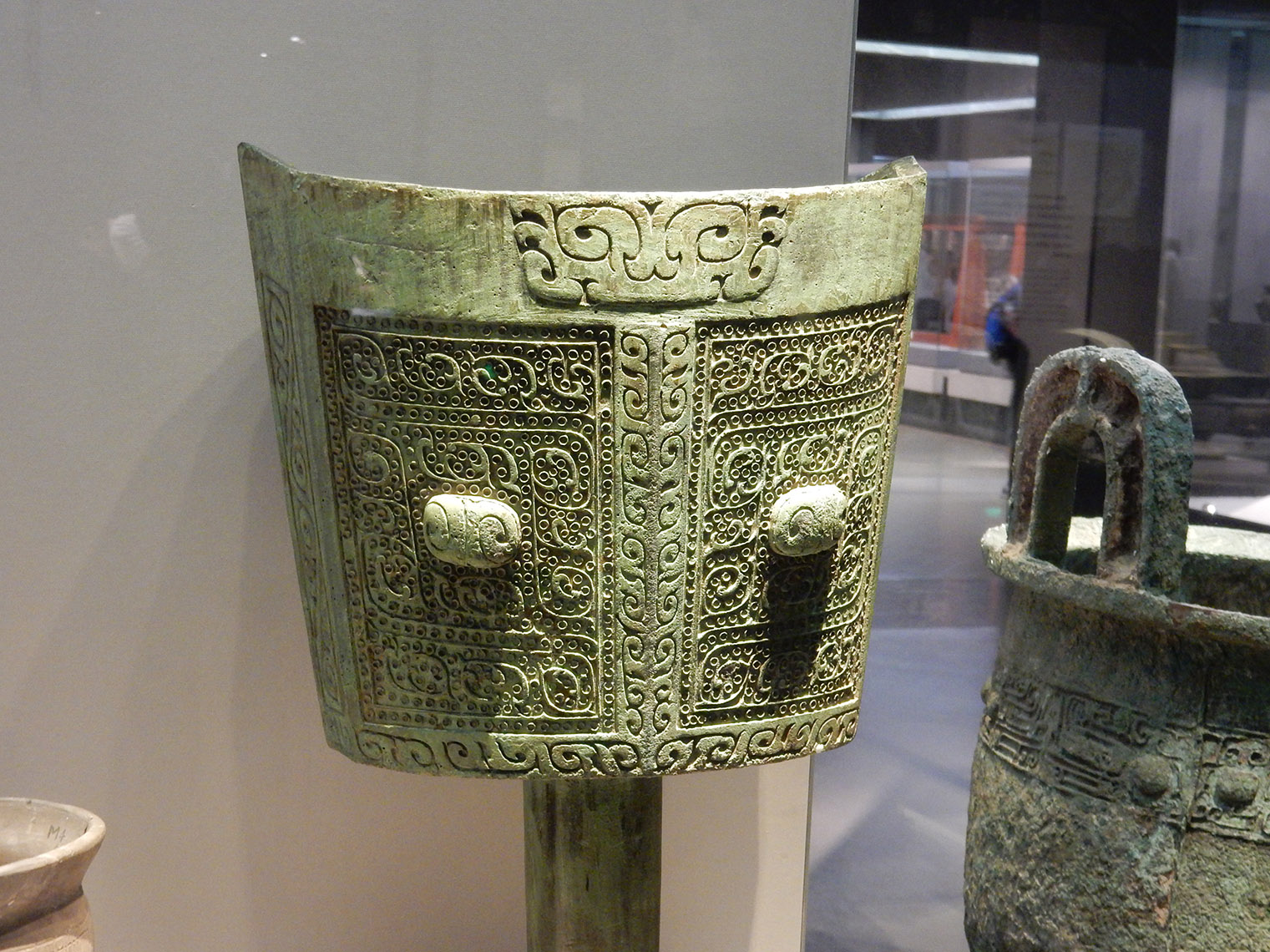
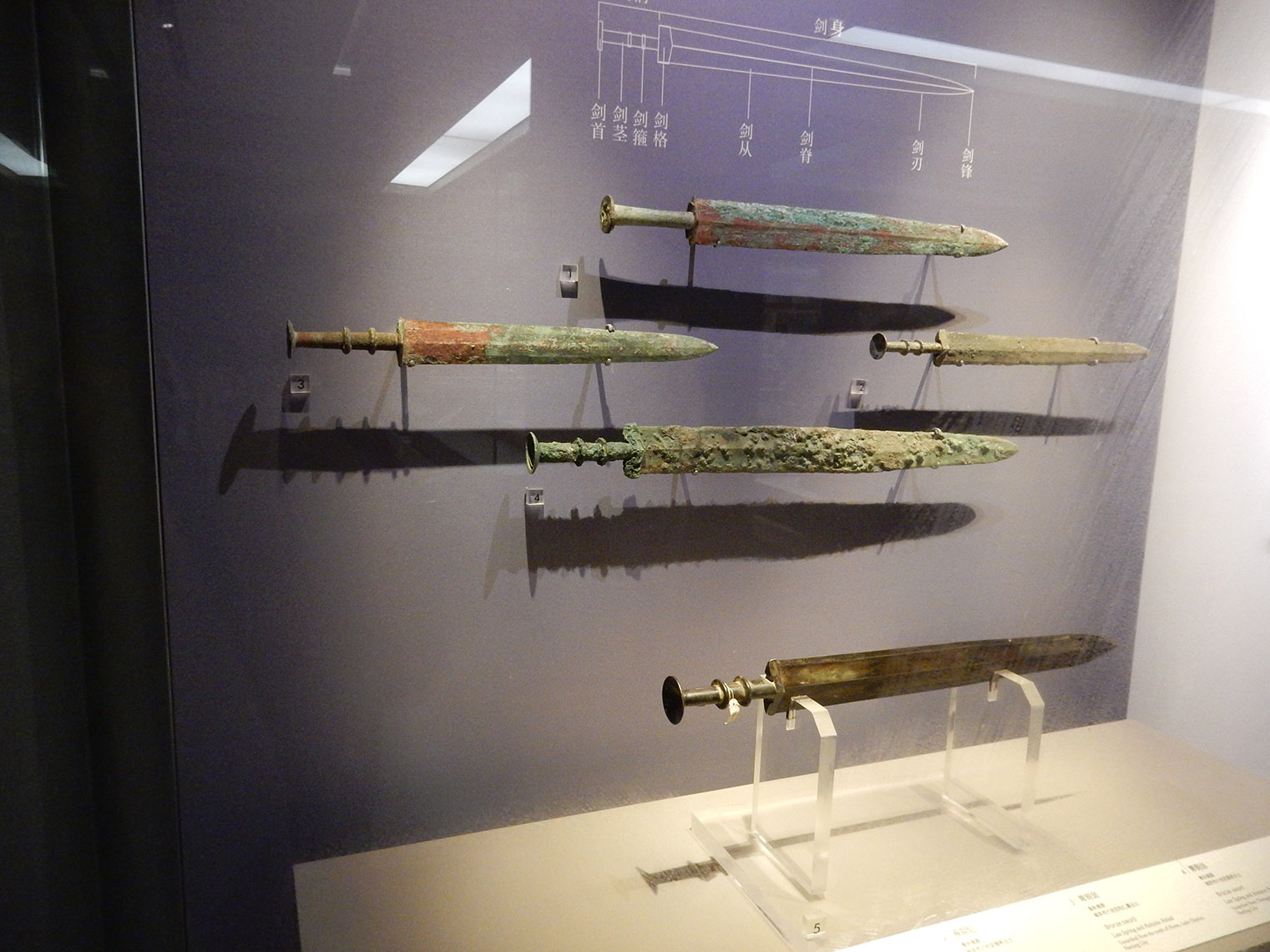
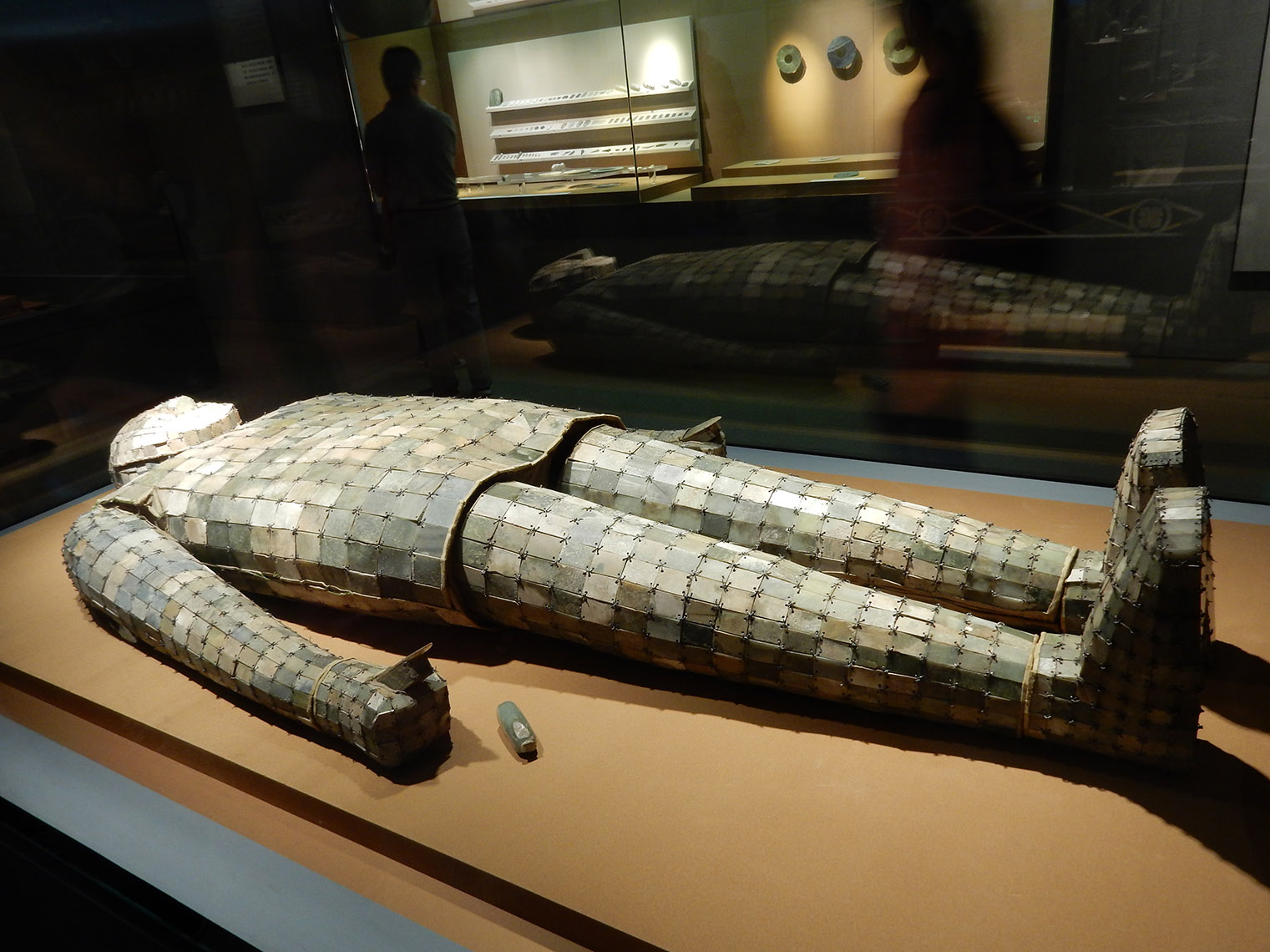
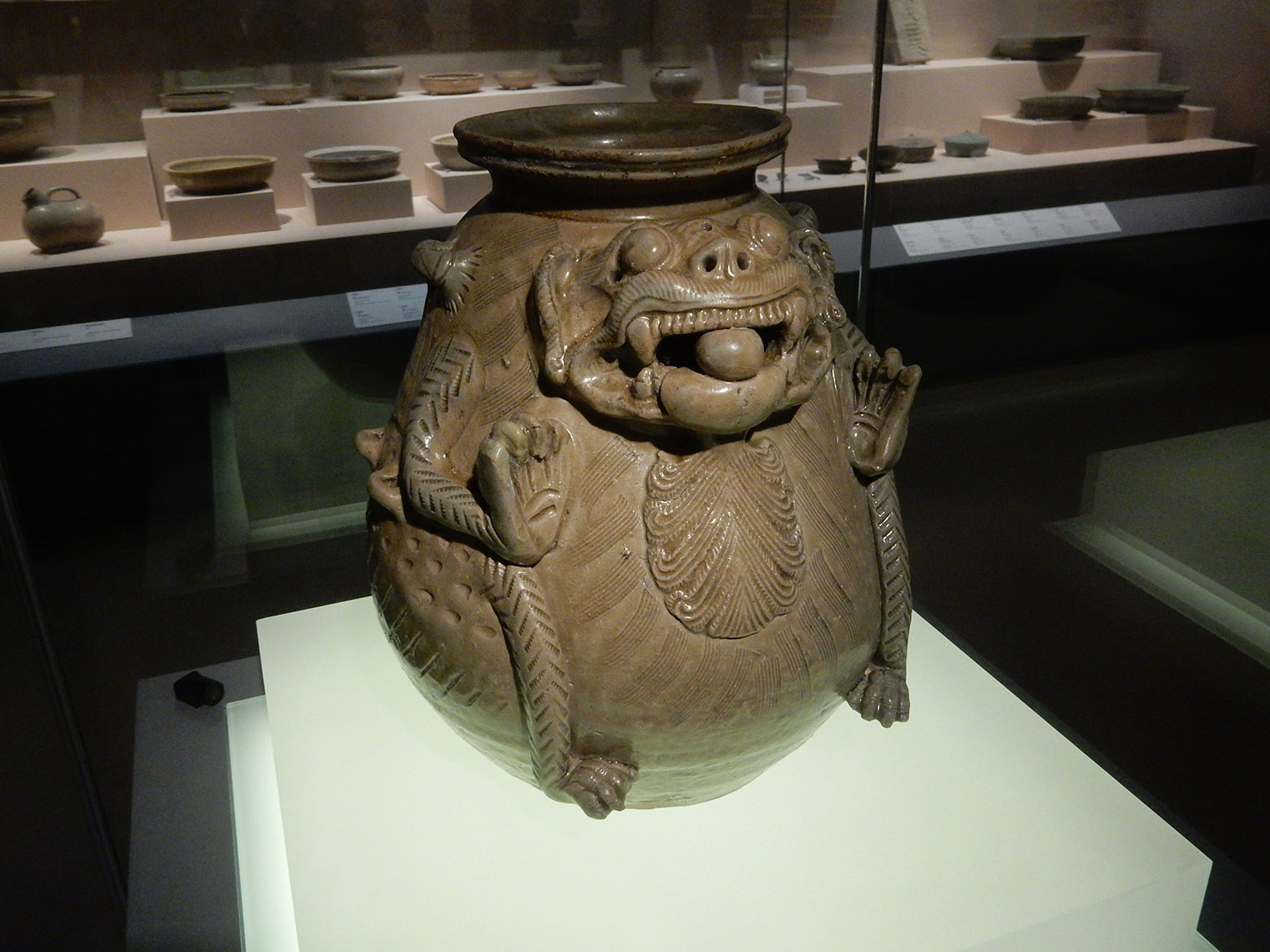
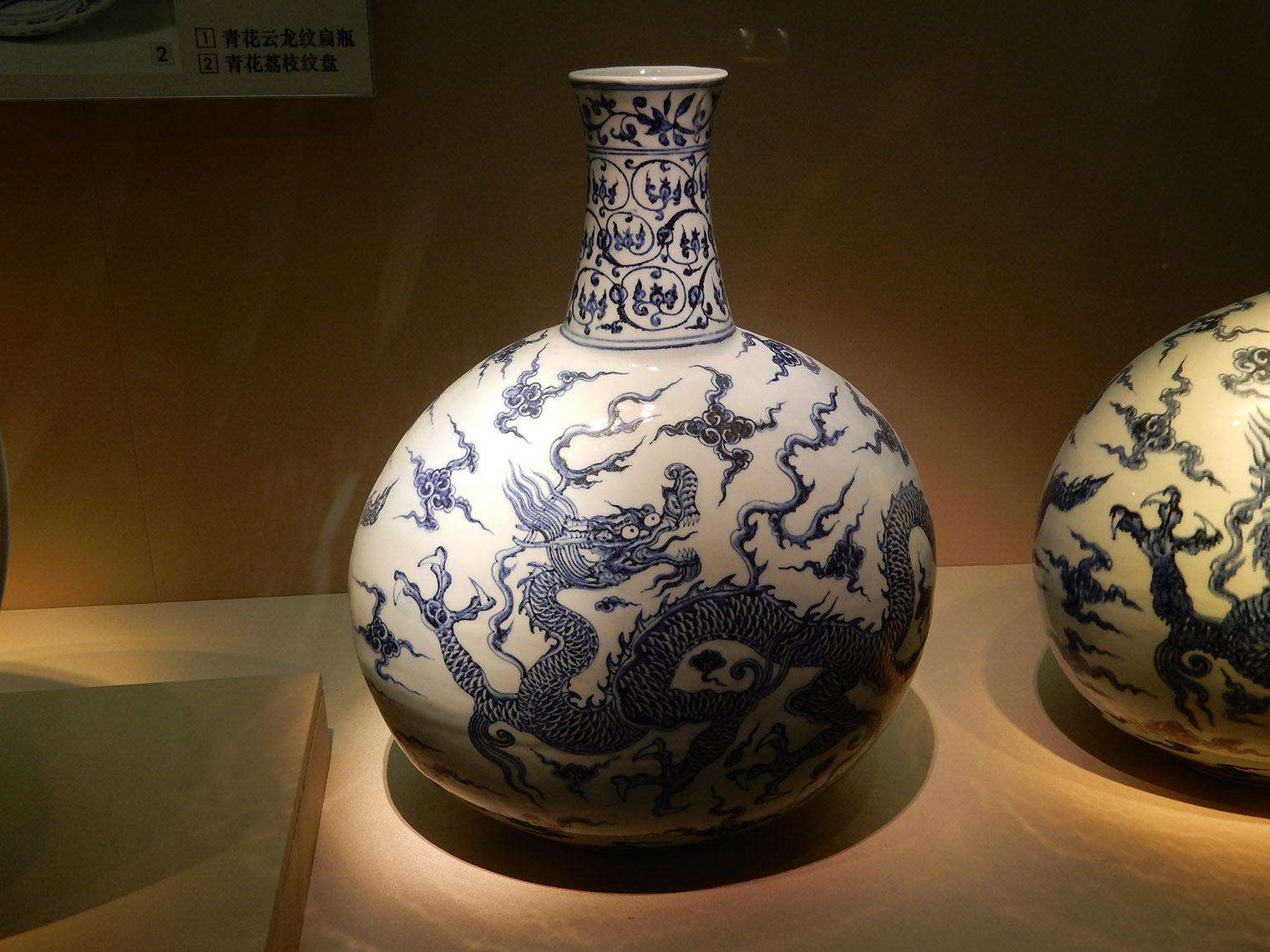
Throughout all the ages, there was a large focus on pottery, which quickly began to get more and more elaborate. That said, while some museums tend to follow a "less is more" philosophy in regards to which artifacts they put on display, the Nanjing Museum has a tendency to throw a ton of stuff at you at once, which can be a bit overwhelming. Of course, there was lots more than pottery. There were carvings, embroidery, metal work, enamel, and porcelain. Including, of course, Ming vases. Finally, there was a section set up as a recreation of a city street from... Well, I didn't see the specific year anywhere, but it looks to me like the early 1900's, prior to the rise of the Communist party.
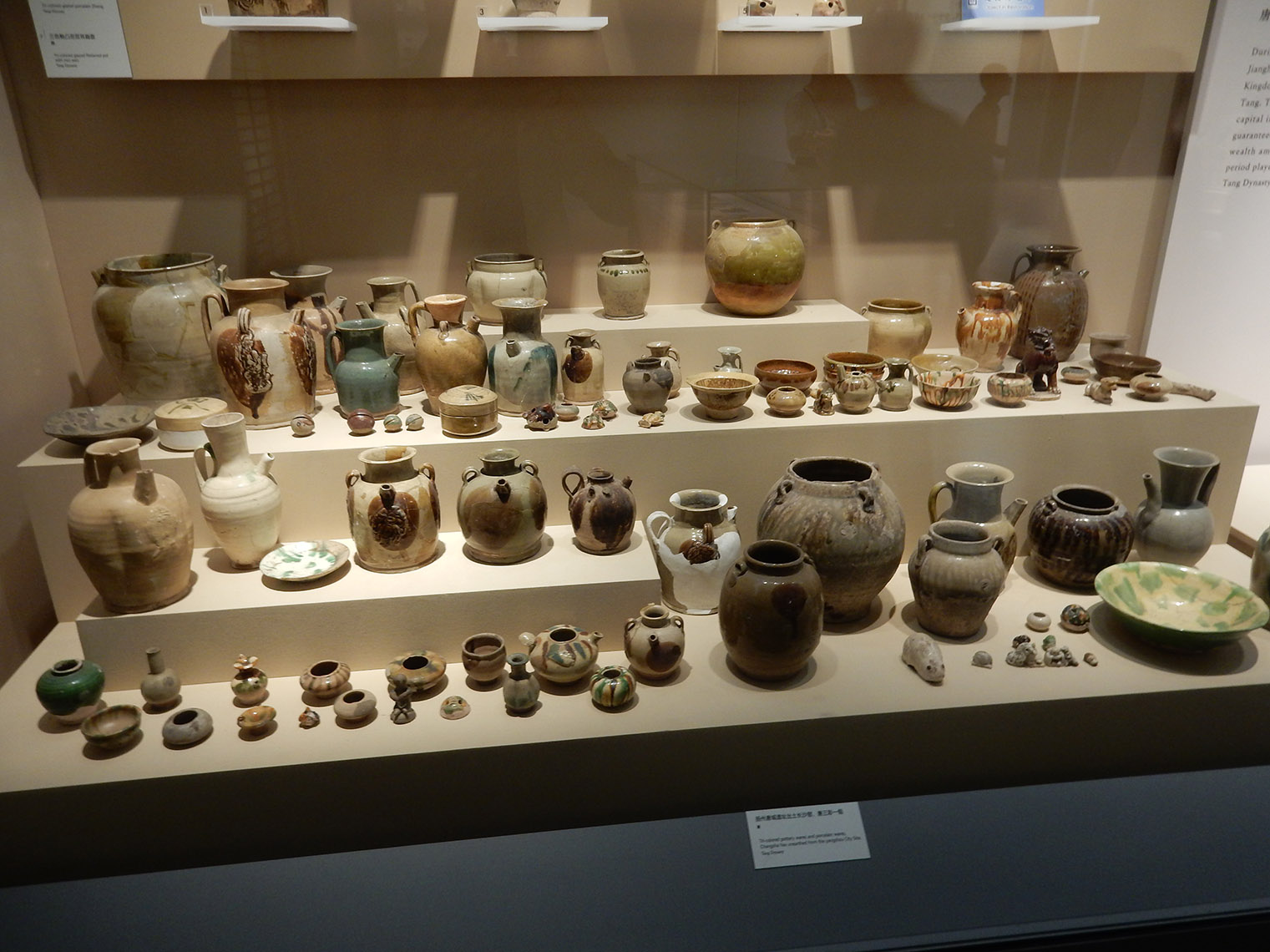
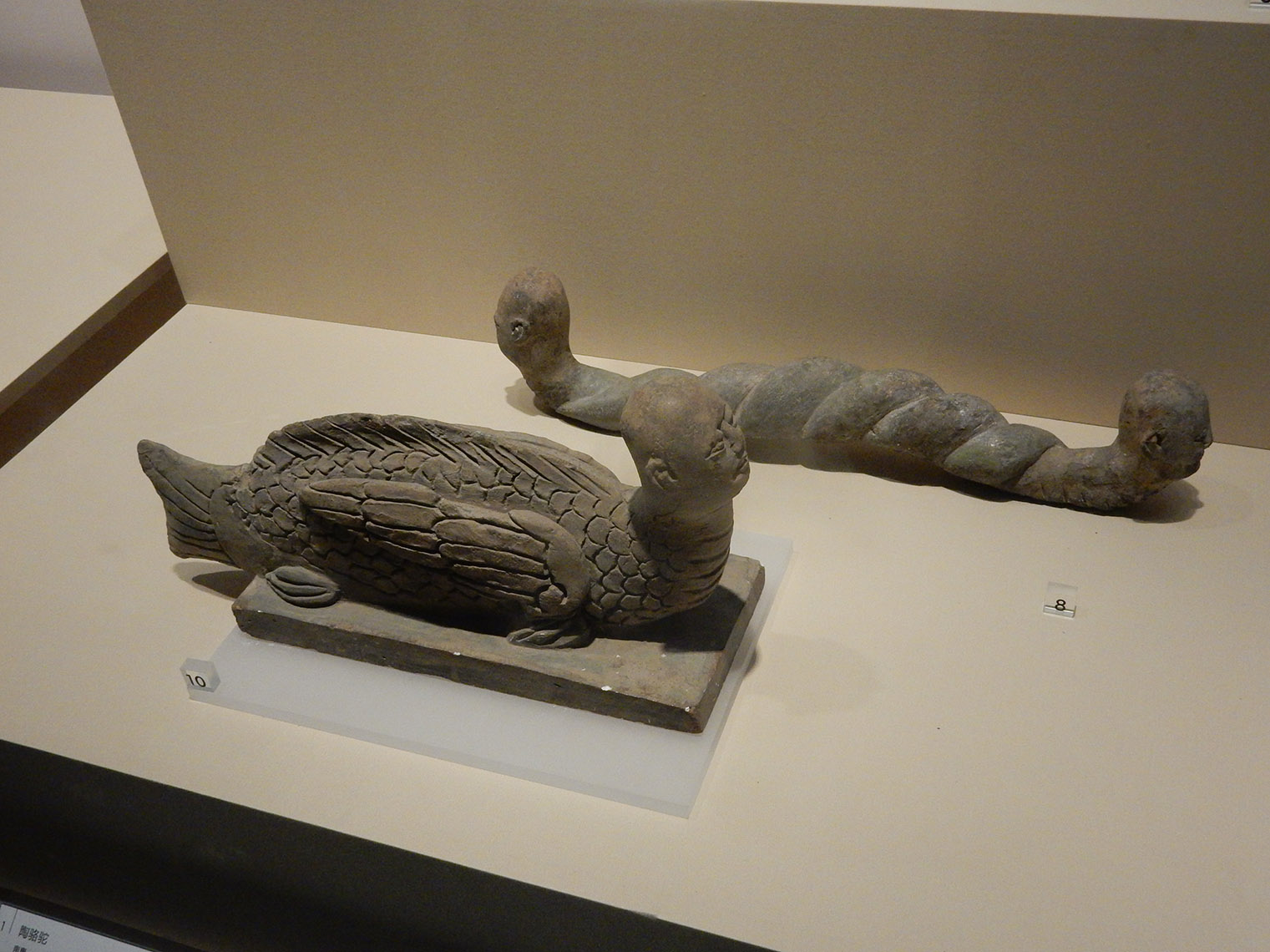
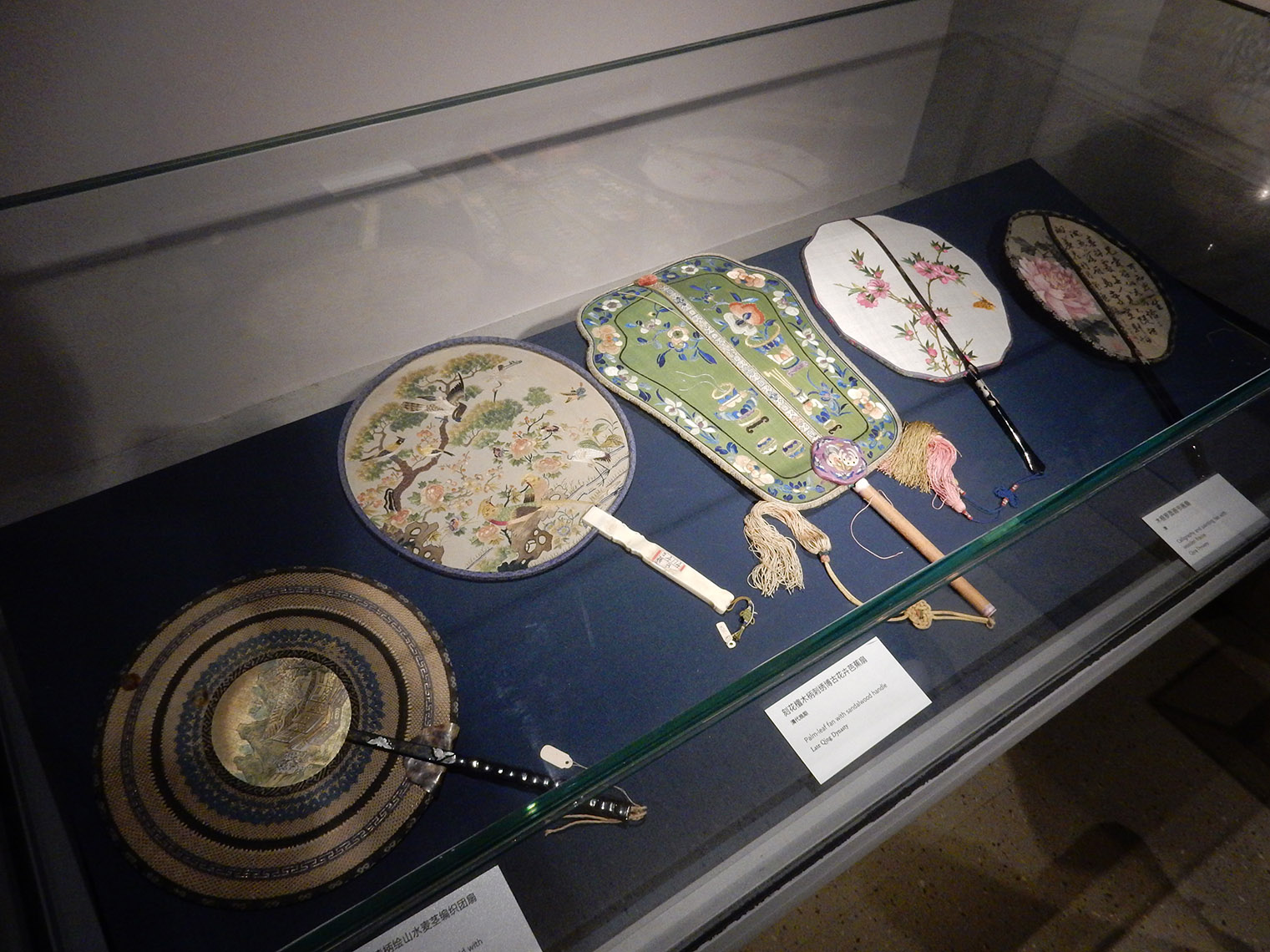
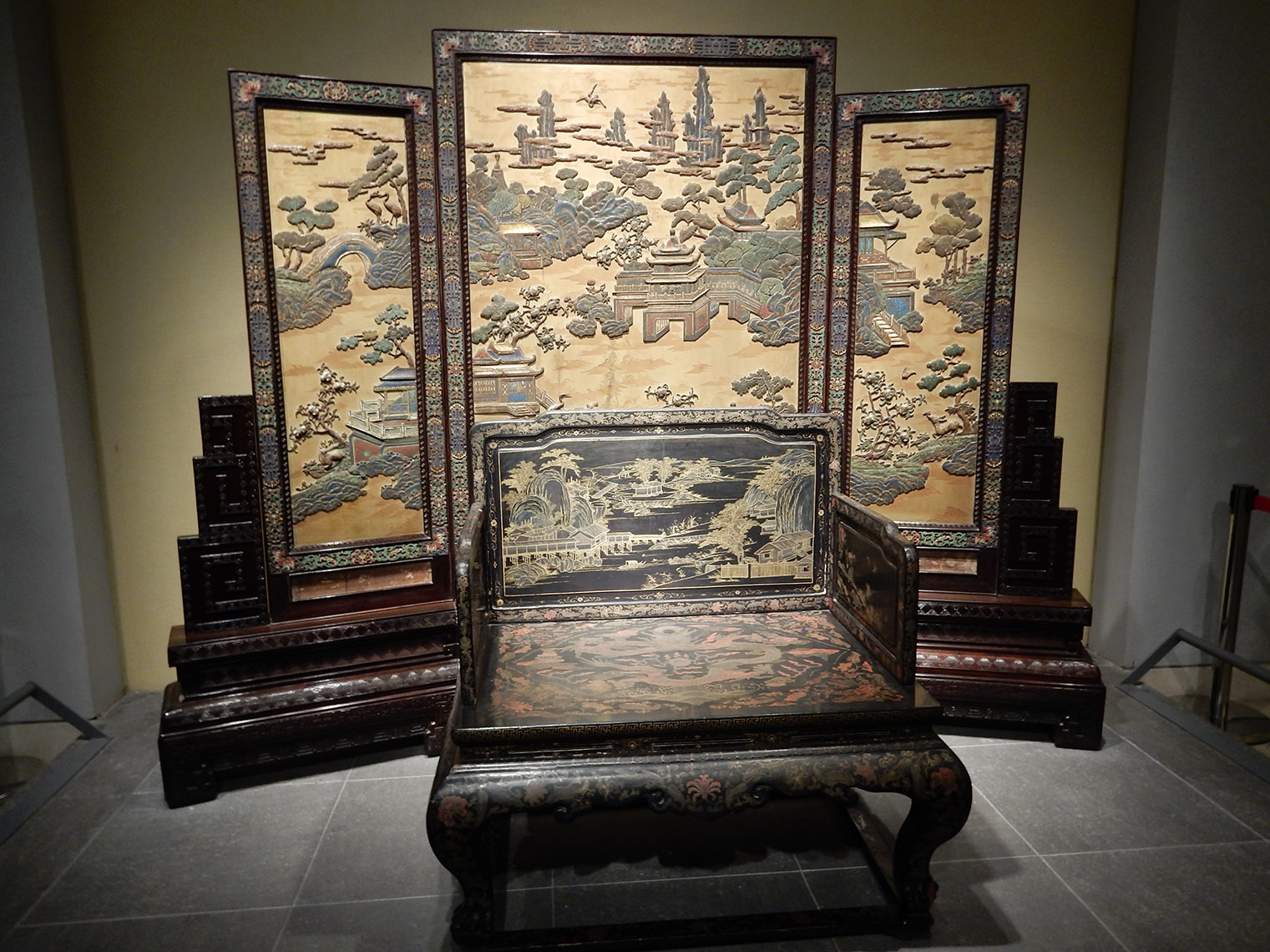
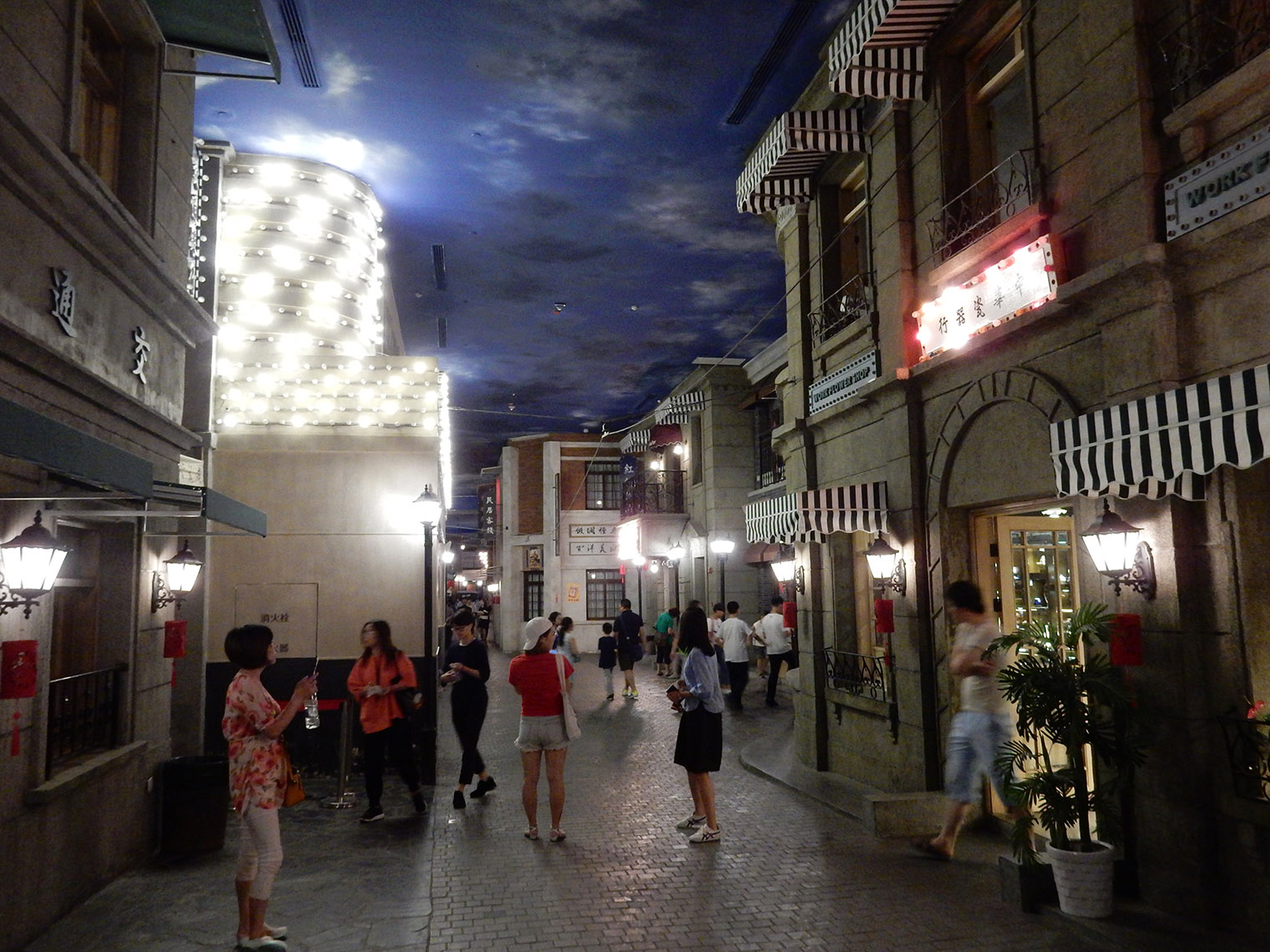
After that, I passed through a section dedicated to traditional crafts (mostly photos and descriptions, but there were some actual craftsmen making, and selling, things as well) and came out by the gift shops. Including the the Bro Store. I asked Connie later, and she said that "bro" was just the sound made by that Chinese character. But the name immediately brought Barney from How I Met Your Mother to mind...
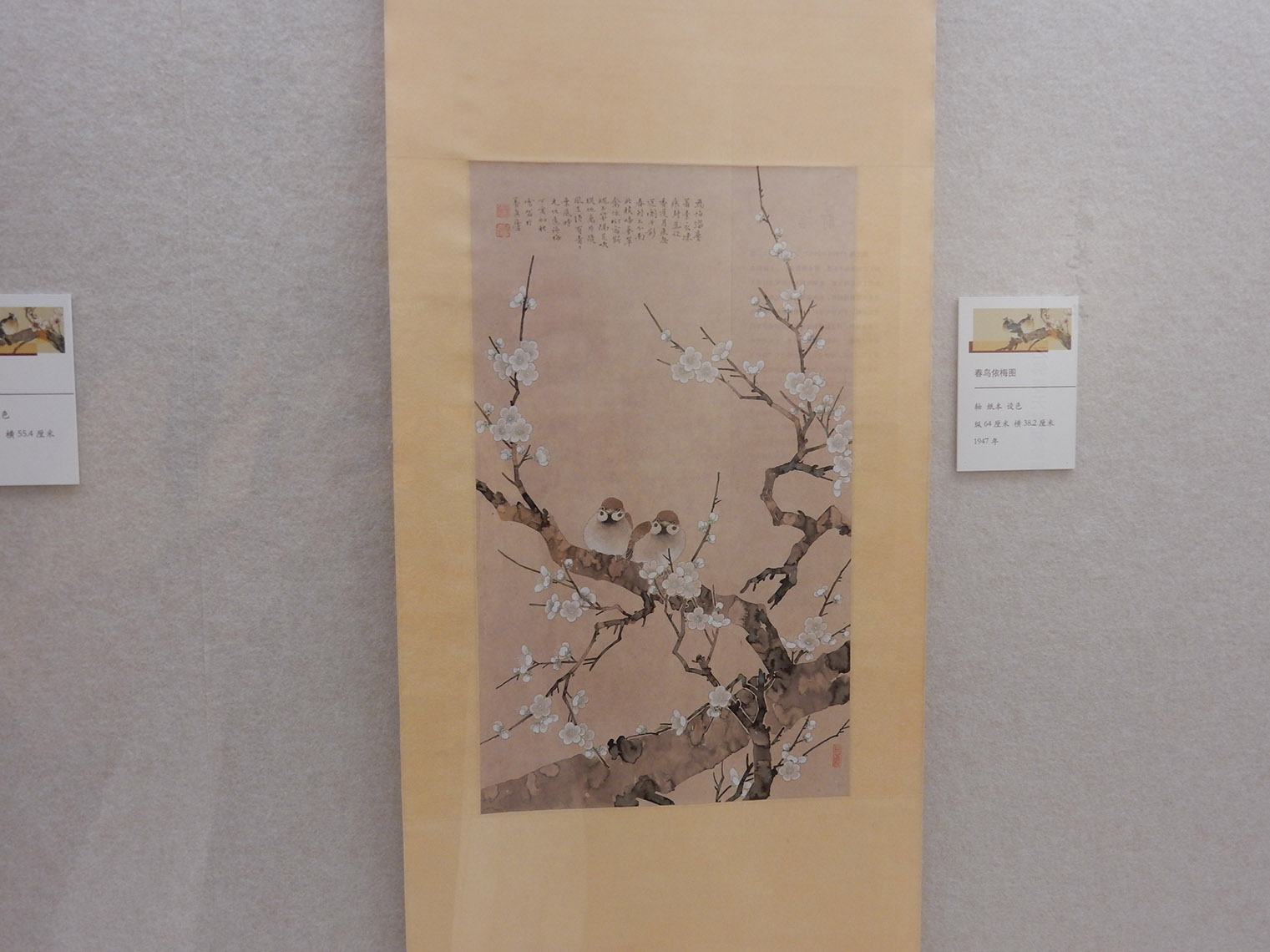
At that point, I thought I'd been through the entire museum but I'd seen some signs for a couple things which I definitely hadn't seen, so I took another look. Turns out, if you follow the route exactly, like I did, it's pretty easy to overlook the art gallery and the temporary exhibit building. The art gallery had very little English, and much of it was dedicated to more modern Chinese painters, though there was some traditional stuff and a room of carvings. The temporary exhibit building had a large variety of displays including one on Scotland, more porcelain, and some items once used in imperial households.
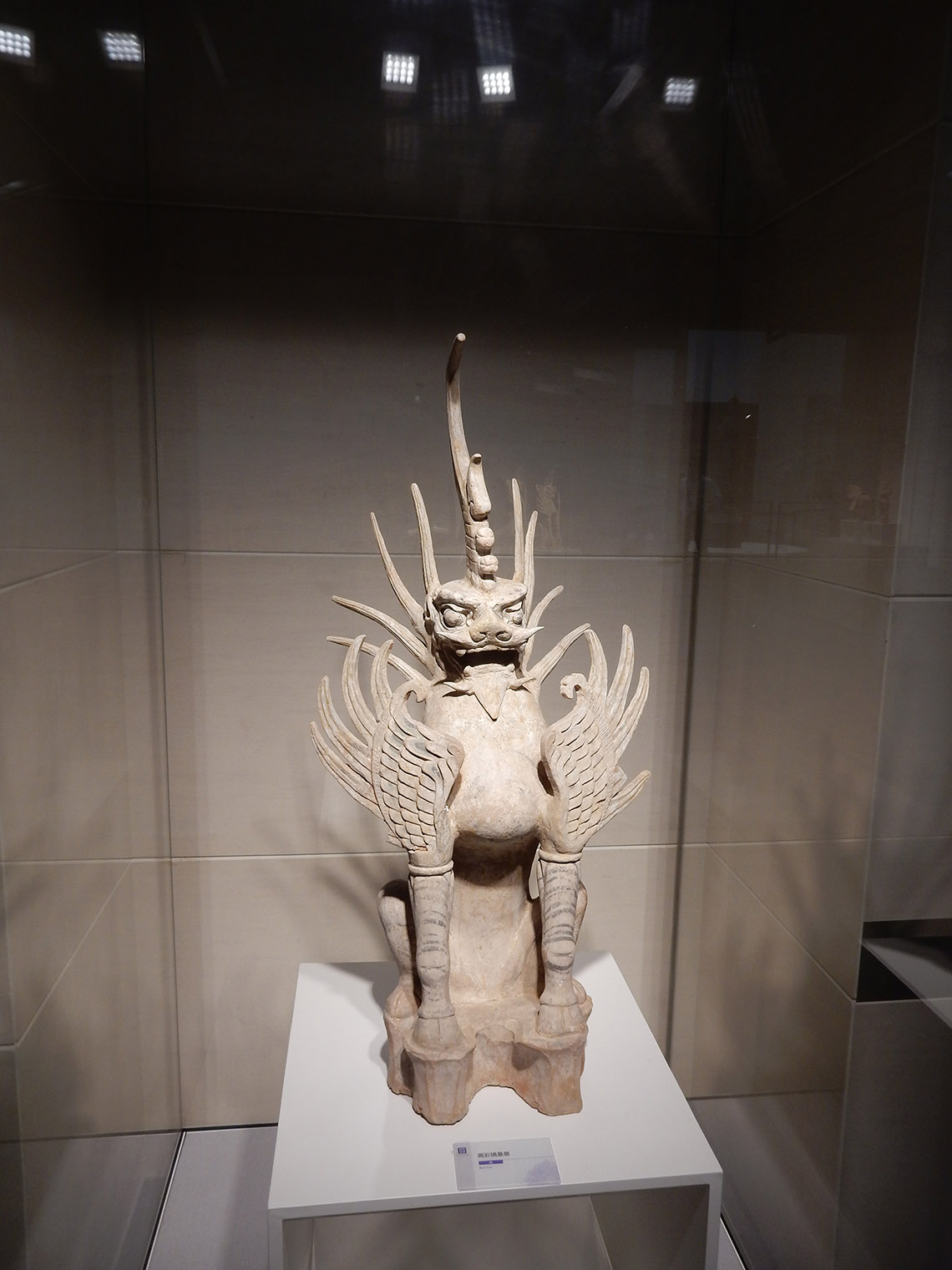
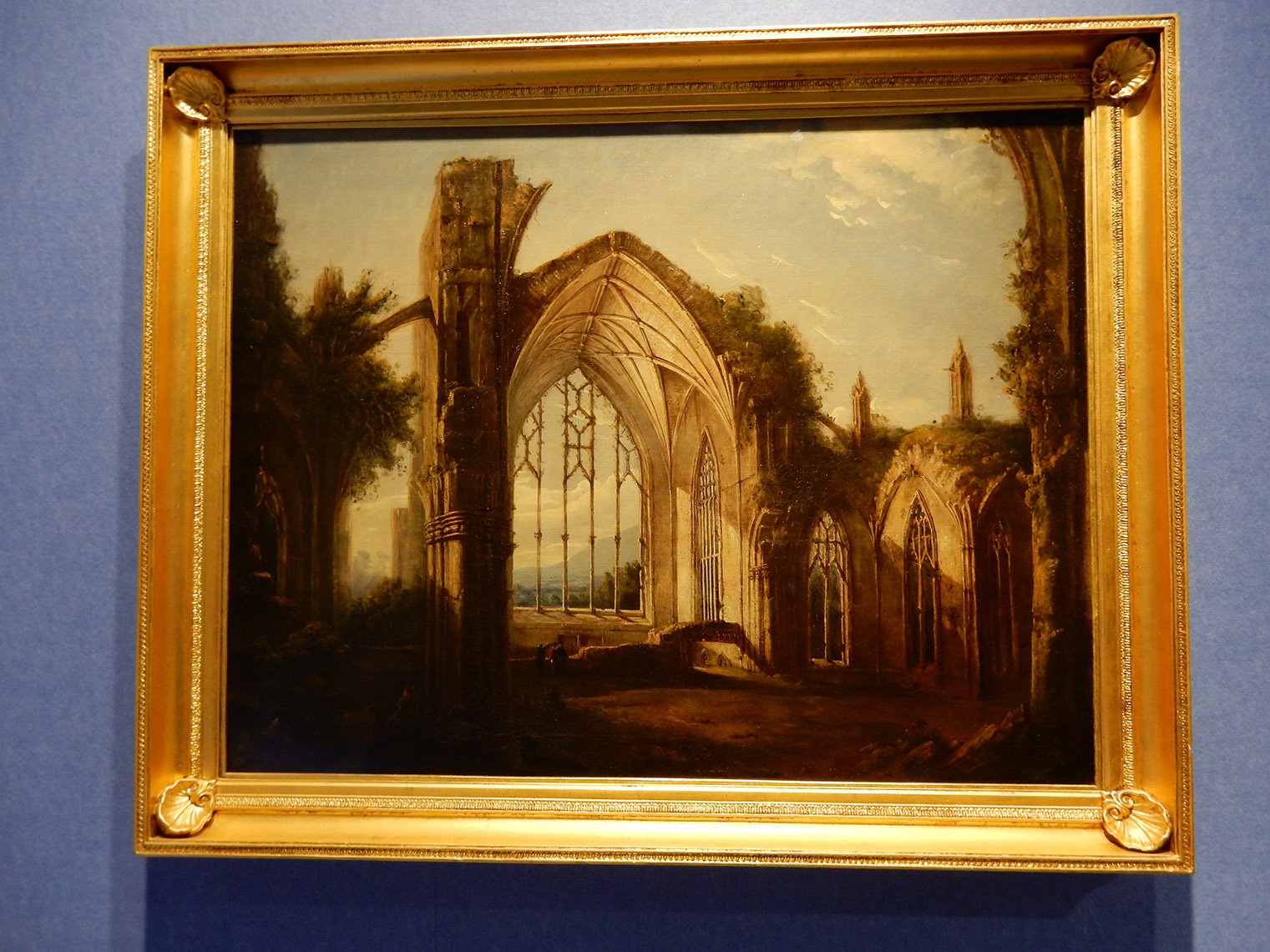
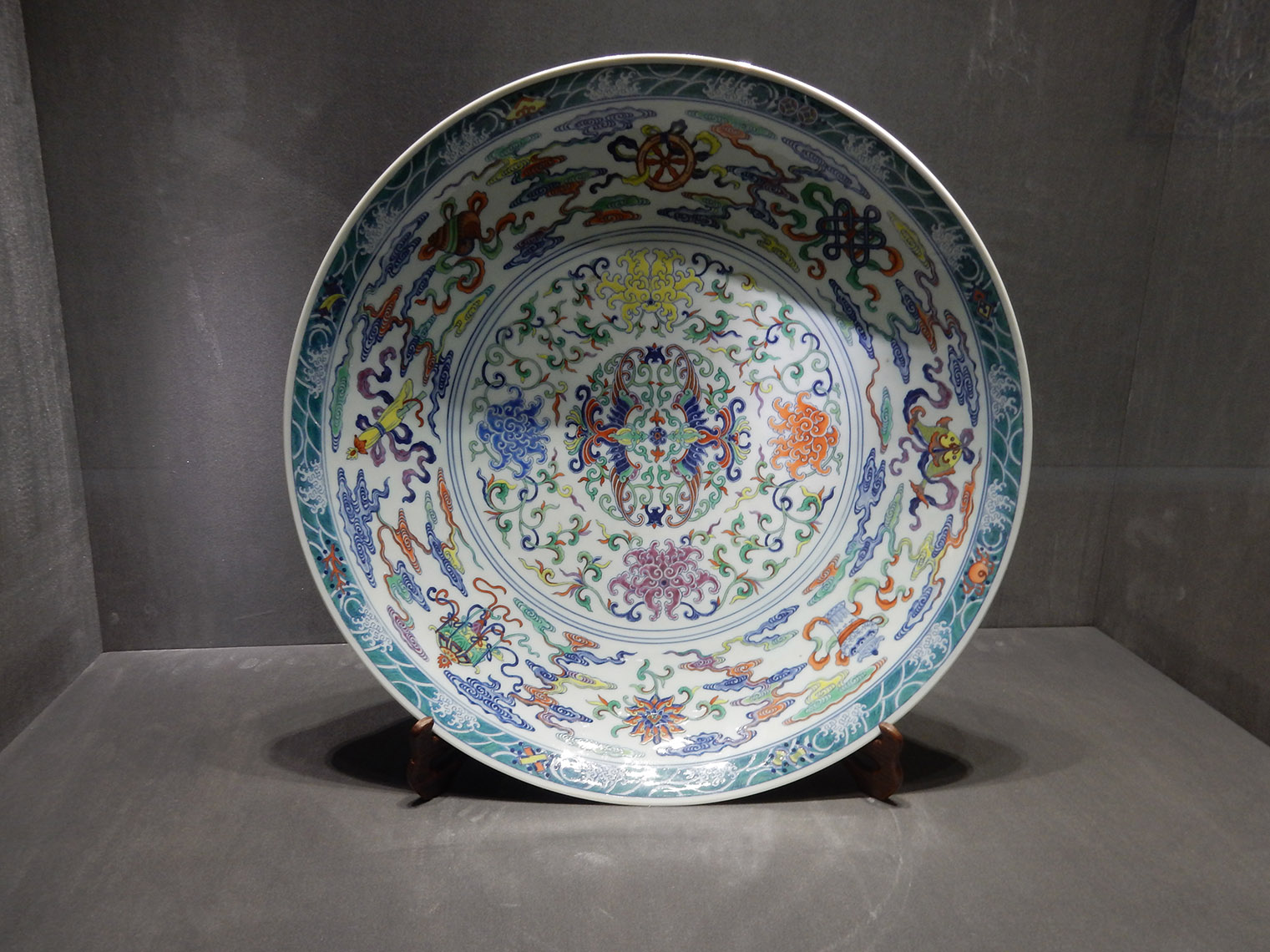
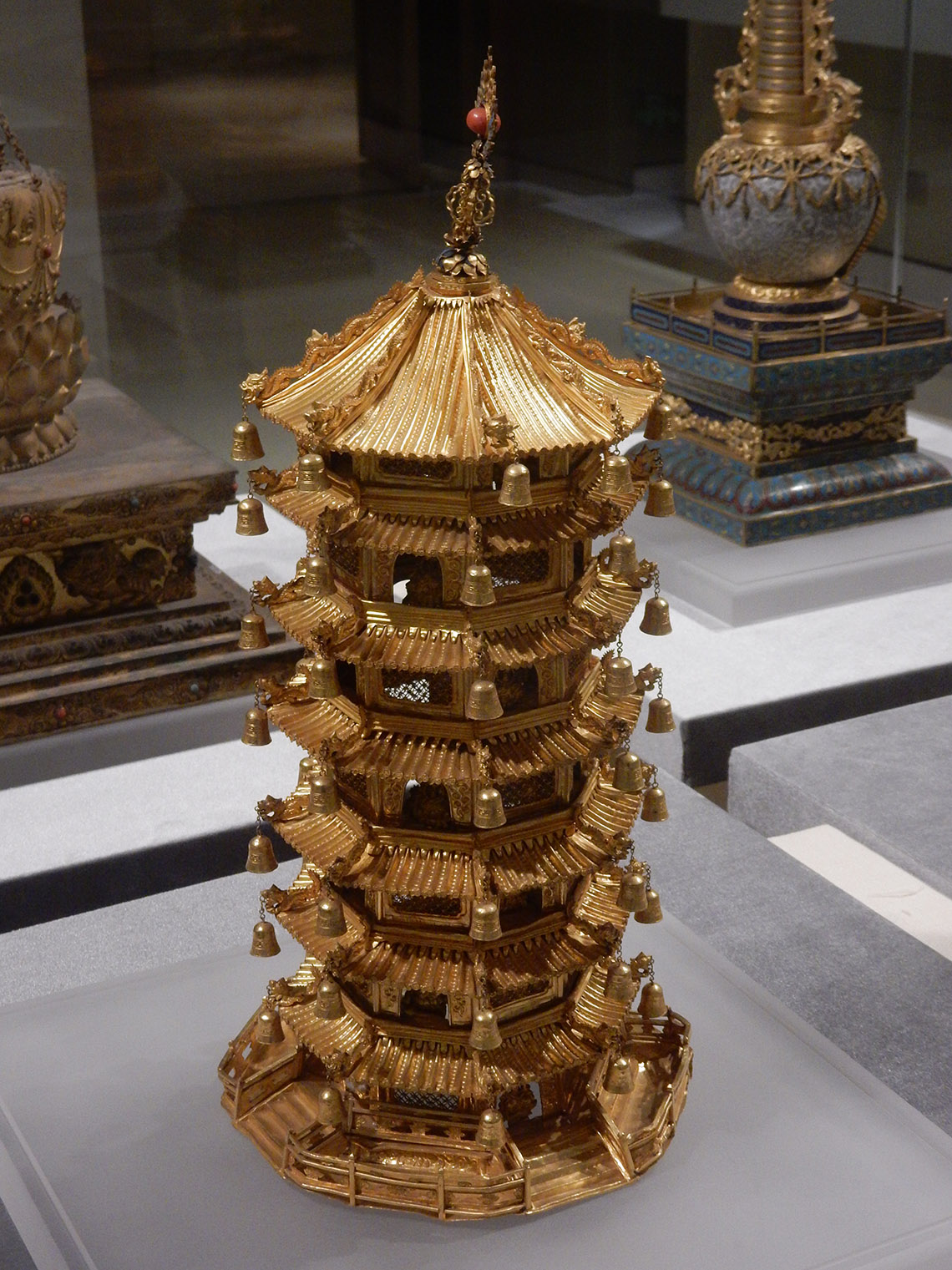
By the time I finished making my way through, it was lunch time so I made one last stop at Nanjing dai Paidong before heading back to Maanshan.
Sunday, Connie, Zack, and I had lunch with one of her cousins and his wife and son at a fancy revolving buffet restaurant on top of a very fancy looking hotel. I still couldn't do much talking, but it was fun and the view was good (aside from the smog). The food was ok. Good selection, but nothing too amazing.
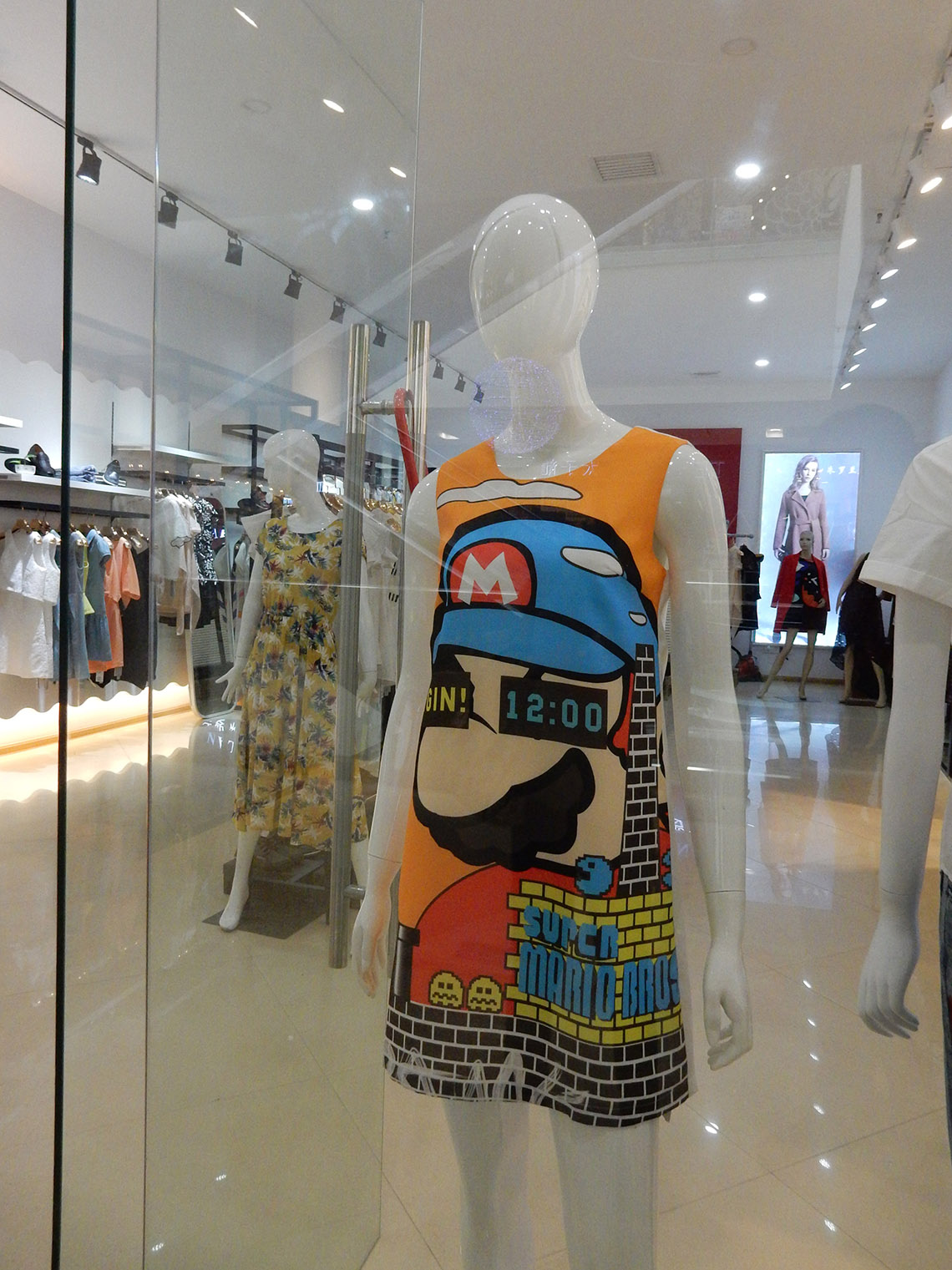
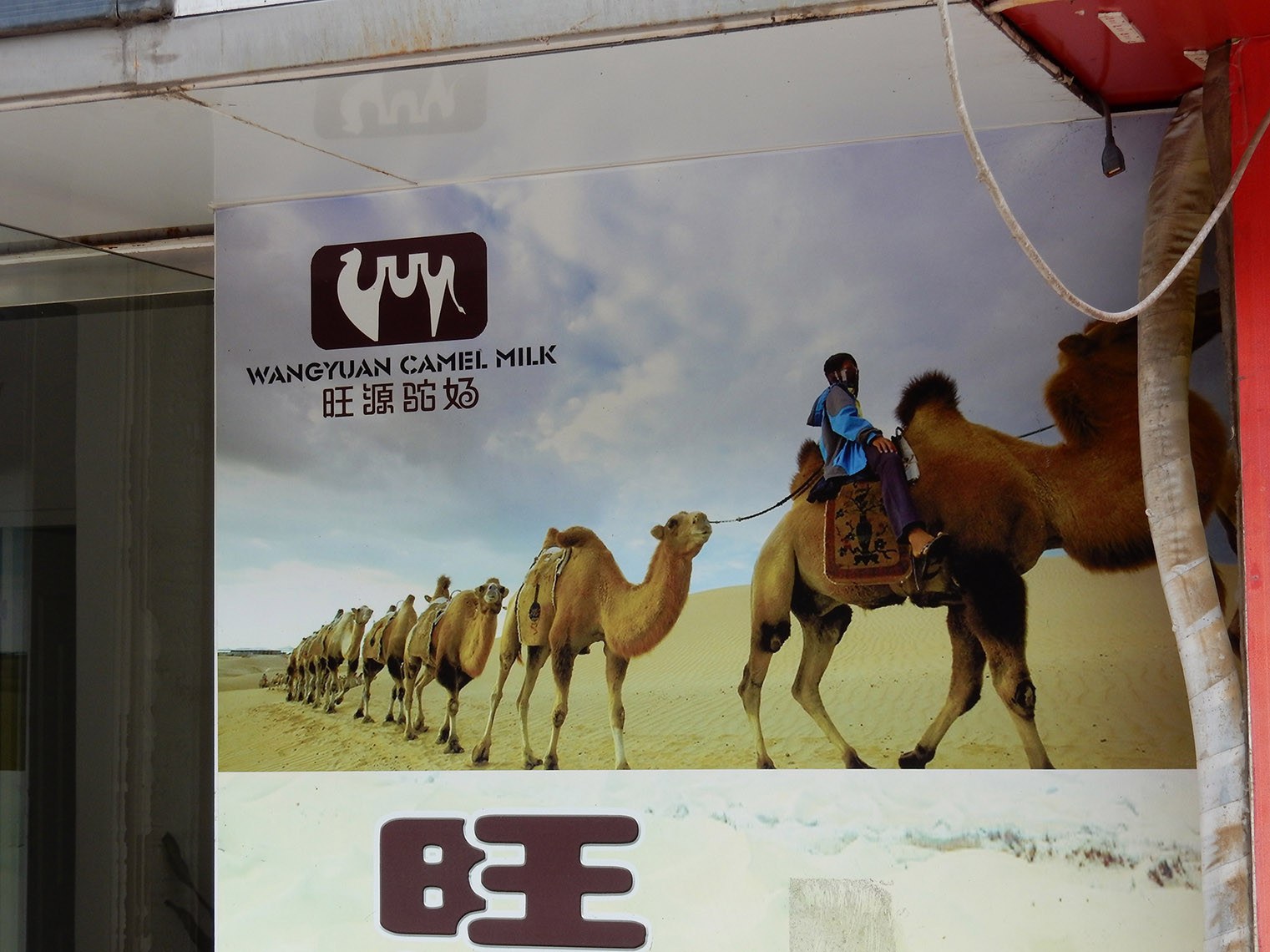
Monday, unfortunately, I woke up feeling kind of sick. Food poisoning, as far as I could tell. It could have been something from the restaurant (there were some things I ate that Connie didn't), or the tea I got later that day, or maybe something from supper at Connie's parents (though that's unlikely, since we all ate the same things). Whatever it was, the result wasn't terrible. I even managed to go on a walk with Connie to a small but nice mall nearby where I saw this really weird Mario/Pac-Man dress and a camel milk store (the quality looked pretty good so, if I'd been feeling better, I probably would have tried it). If you're wondering, camel milk is not a typical Chinese thing. It's mostly just drunk by the tribes in the desert regions. Other than that walk though, I took some medicine (I always bring a stock of Supreme Nutrition Products stuff, especially Morinda, Melia, and Takesumi, when I go to China, both as a preventative and for situations like this) and mostly just lounged around for the rest of the day.
Fortunately, I woke up feeling about 95% better, so I didn't feel a need to cancel my second solo trip. While there is a direct train from Maanshan to Hangzhou, it's only once a day and on the slow side (despite being a G train), so I ended up getting a ticket to Nanjing and then a separate ticket from there to Hangzhou. As a note, switching trains mid-trip is not as quick or easy as it is in Japan (buying the tickets is trickier too if you don't speak Chinese), so you need to leave yourself a lot more time. I had about 20 minutes and I barely made it (that's with a lot of running). One thing I did learn is that they actually sell a limited number standing tickets on the trains her in China. Though they often won't offer them to you unless you specifically ask (once again, not easy if you don't speak Chinese). Still, considering how many times I've gotten stuck waiting long periods of time in a Chinese train station, or that K train experience from last week, there are times I'd certainly be happy to take a standing ticket if there's one available.
Anyway... Hangzhou is a popular tourist destination not all that far from Shanghai. It's known for West Lake, a large lake surrounded by a scenic pathway and numerous interesting sights. Connie and I spent two days there on my last trip to China (see the entries for Days 9 and 10), one walking around West Lake and one visiting the Hongzhou Songcheng theme park. It was a really fun trip, but there were some things I wanted to see that we didn't have time for and Hangzhou also makes a decent base for day trips to a couple other cities (though I don't know if I'll actually get to those or not this trip) so I decided to go back.
By the time I got to Hangzhou and took the subway to the West Lake area, it was time for lunch (the subway exit I chose just happened to come out in a nice food court) and, after that, it was just about late enough for me to check into my hotel, so I didn't get an especially early start on sightseeing. But I eventually make to back to West Lake. The weather was definitely better than the last time I was here (which was really foggy and hazy), though I wish I could see the lake on a day with a really clear sky.
Last time, Connie and I took a clockwise route around the lake, starting on the east side (where most of the hotels and shops are). So we saw most of the notable sights on the east and south sides of the lake, but not as much on the west and north (we did make a complete circuit, but we didn't get a very early start so we had to pick up the pace when it got late).
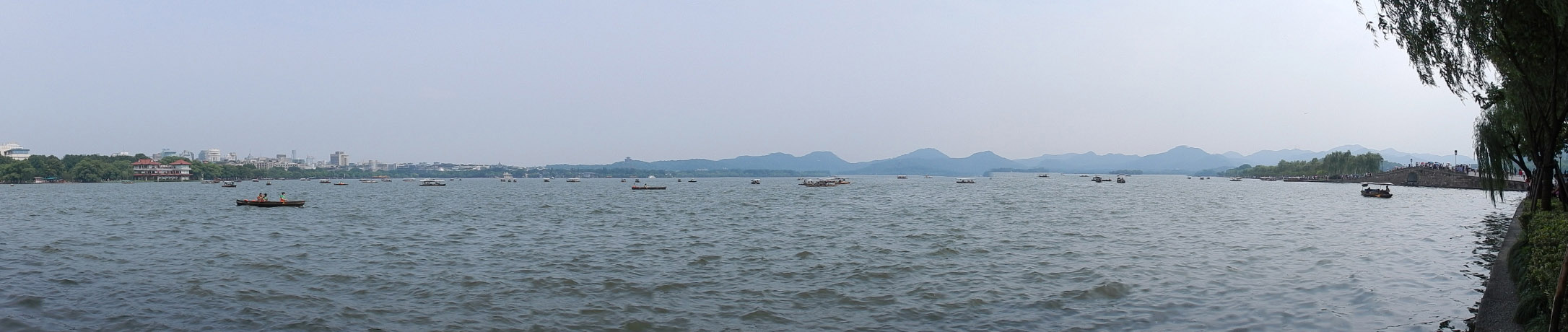
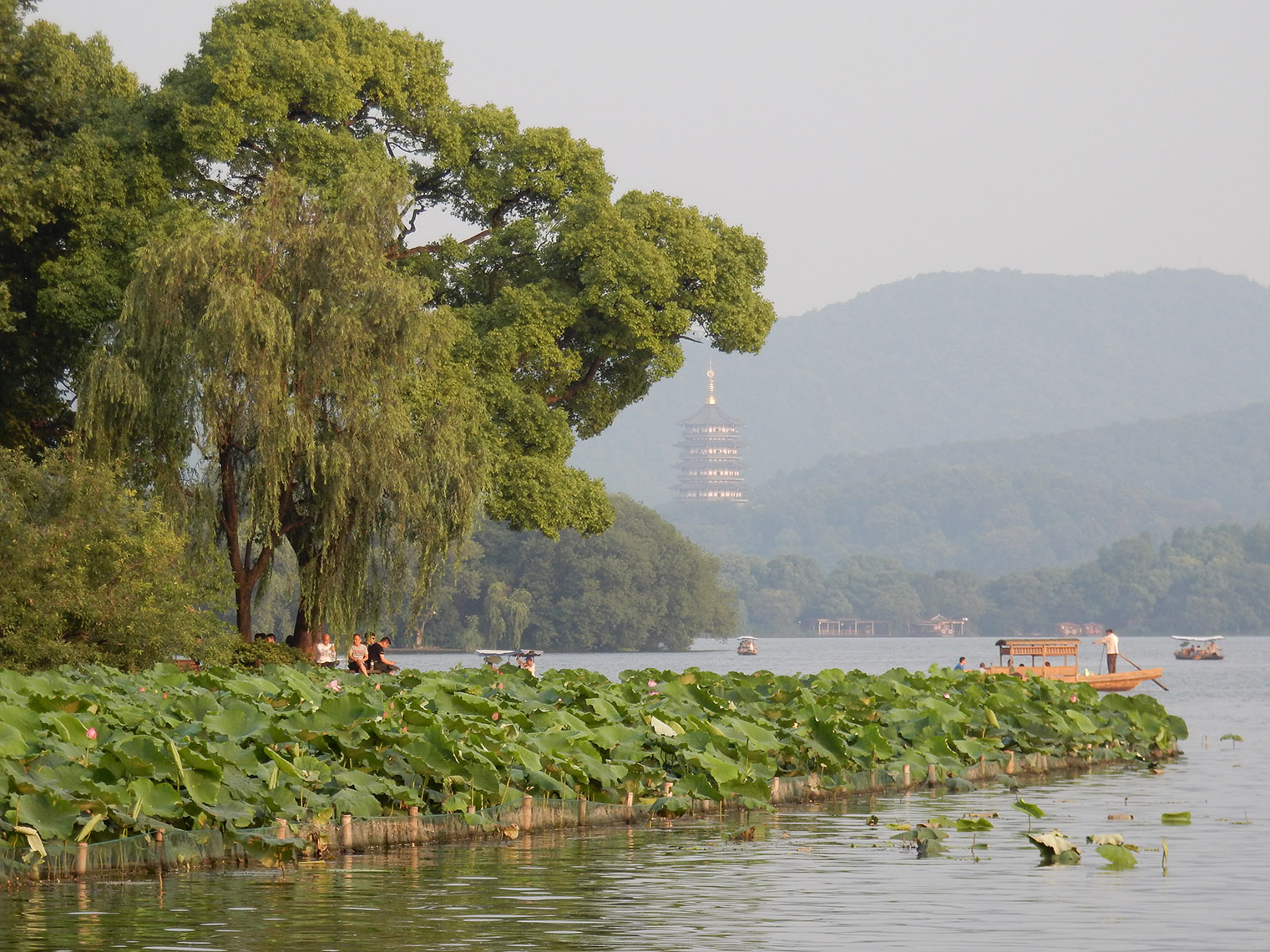
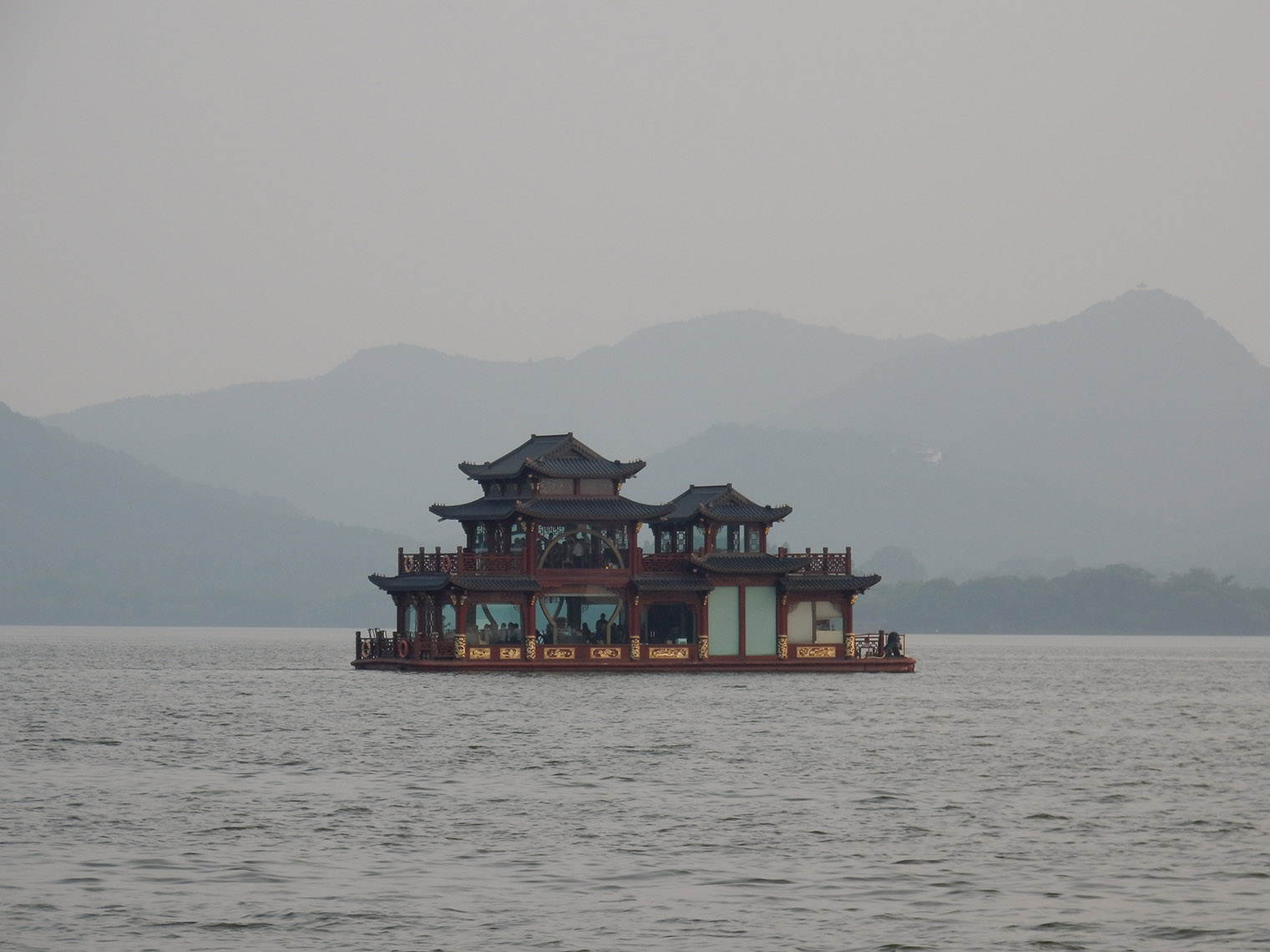
Because of that, I immediately began heading counterclockwise, making my way to the north. One thing I quickly noticed was that the north east quarter of the lake is definitely the most crowded. The crowds disappeared fairly quickly when we went south last time, but today they stayed pretty thick for the entire section of the lake path that I covered. On the plus side, that means I got to see the occasional street performer along the way. And, despite the haze, the lake itself has plenty of great scenery.
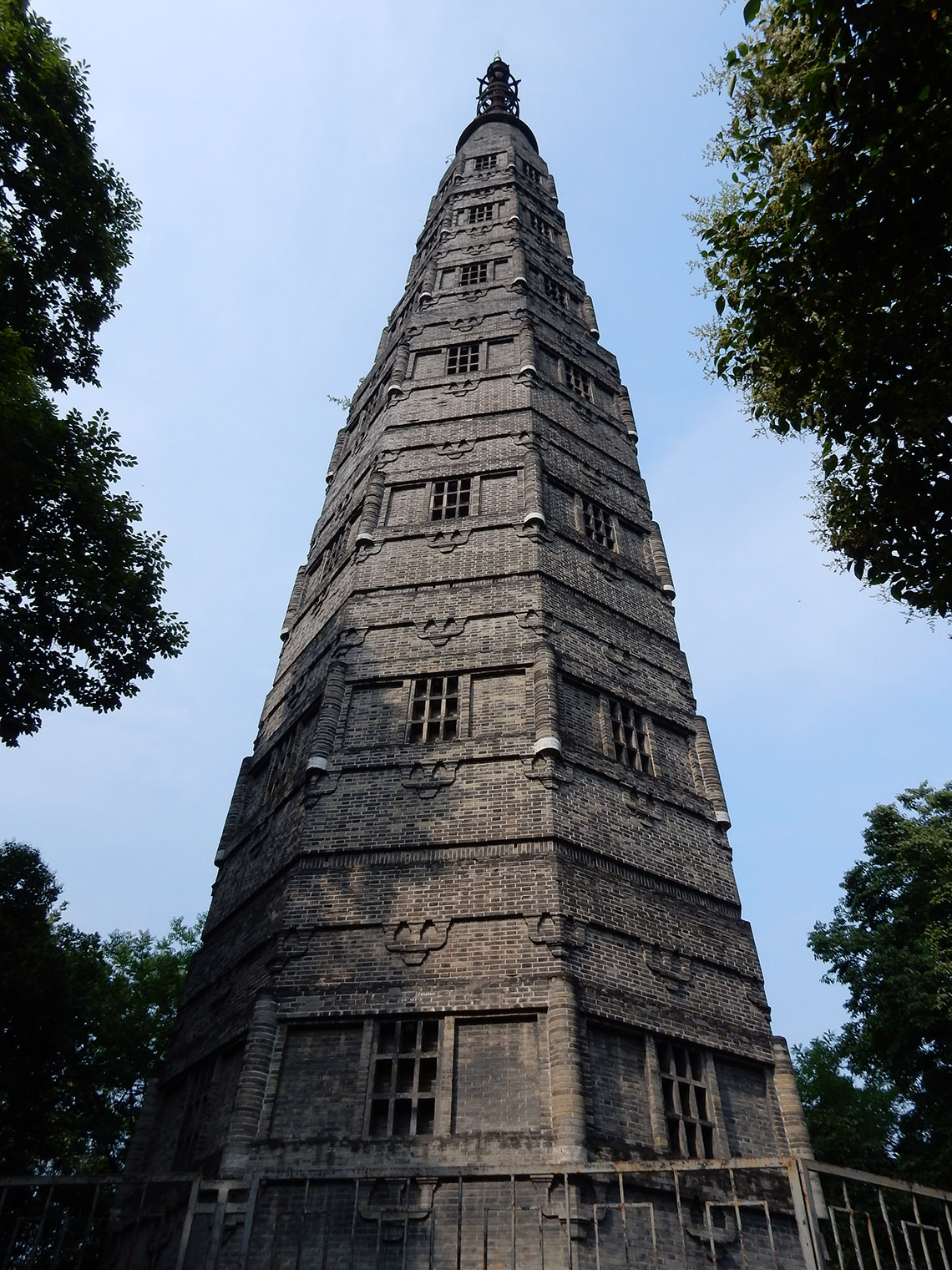
My first goal for today was a hike up Precious Stone Hill Floating in the Rosy Cloud (ancient China really loved poetic names and that fact is very obvious in Hangzhou). Unfortunately, I soon noticed that while my head and stomach had mostly recovered from that food poisoning, the rest of my body wasn't doing quite so well and all the stairs, which normally wouldn't have been a big deal, left me really winded. That slowed me a down a lot, but I eventually made it to Baochu Pagoda and from there to the summit of Precious Stone Hill, which offered a really great view of the lake.
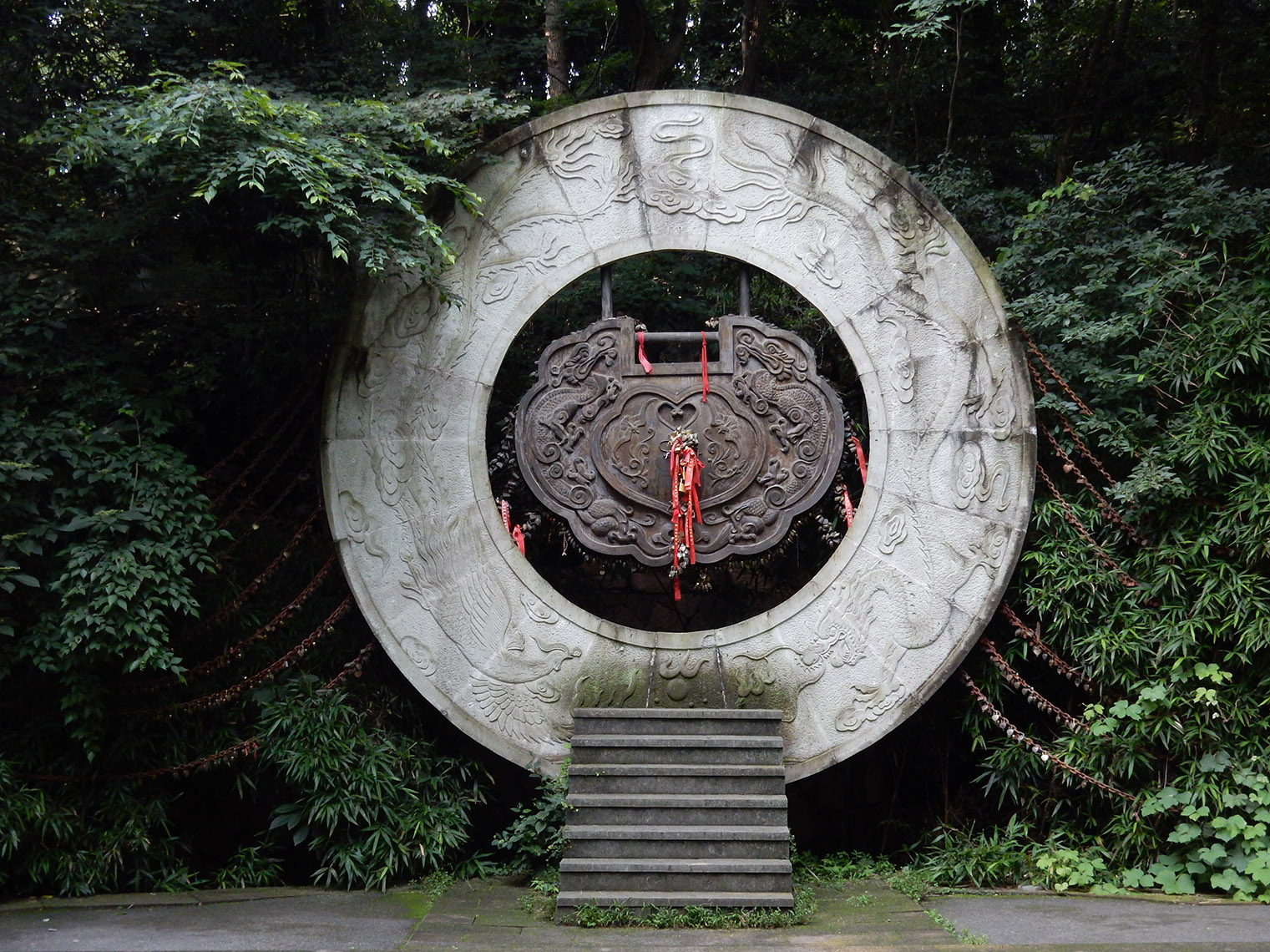
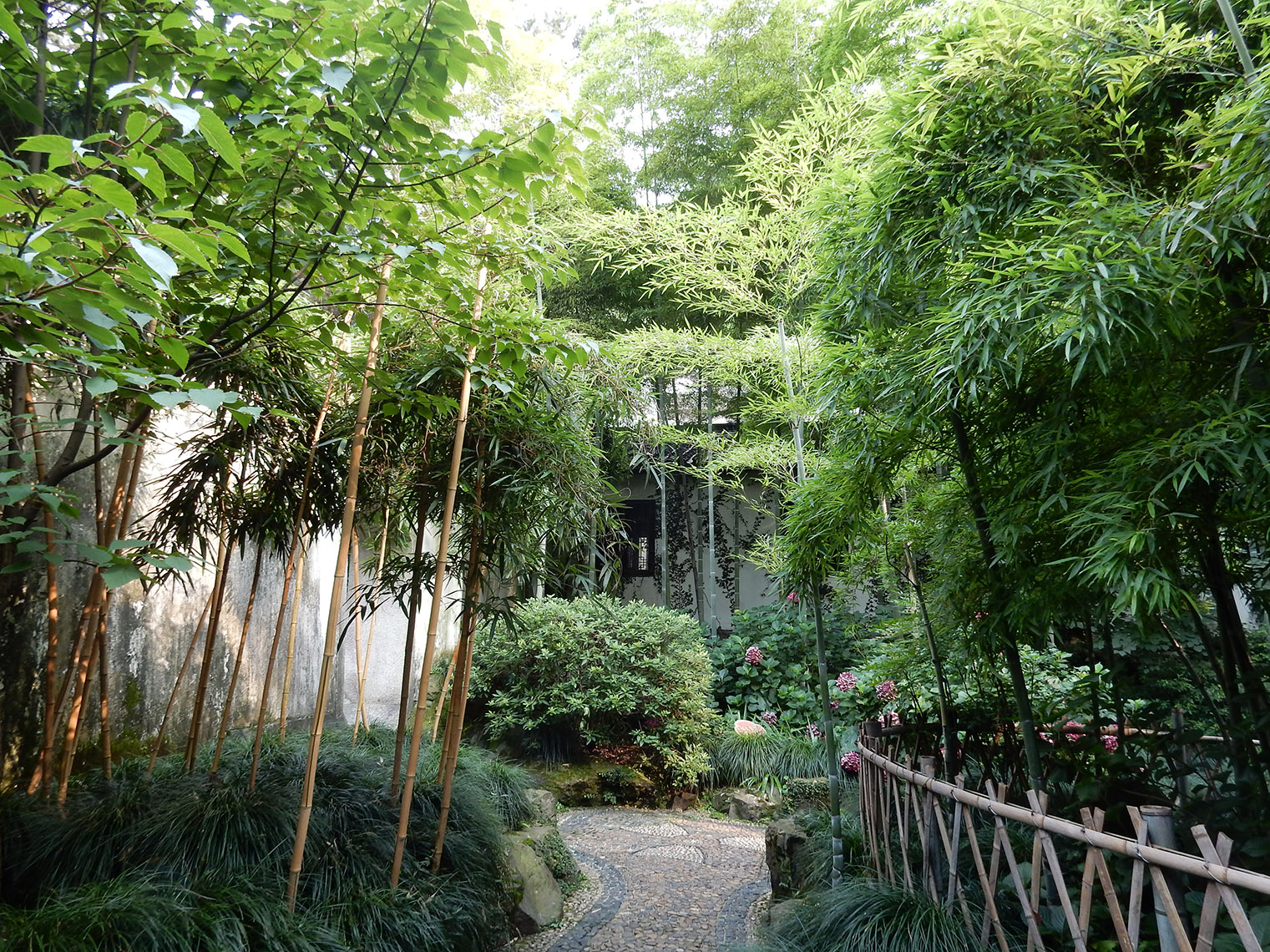
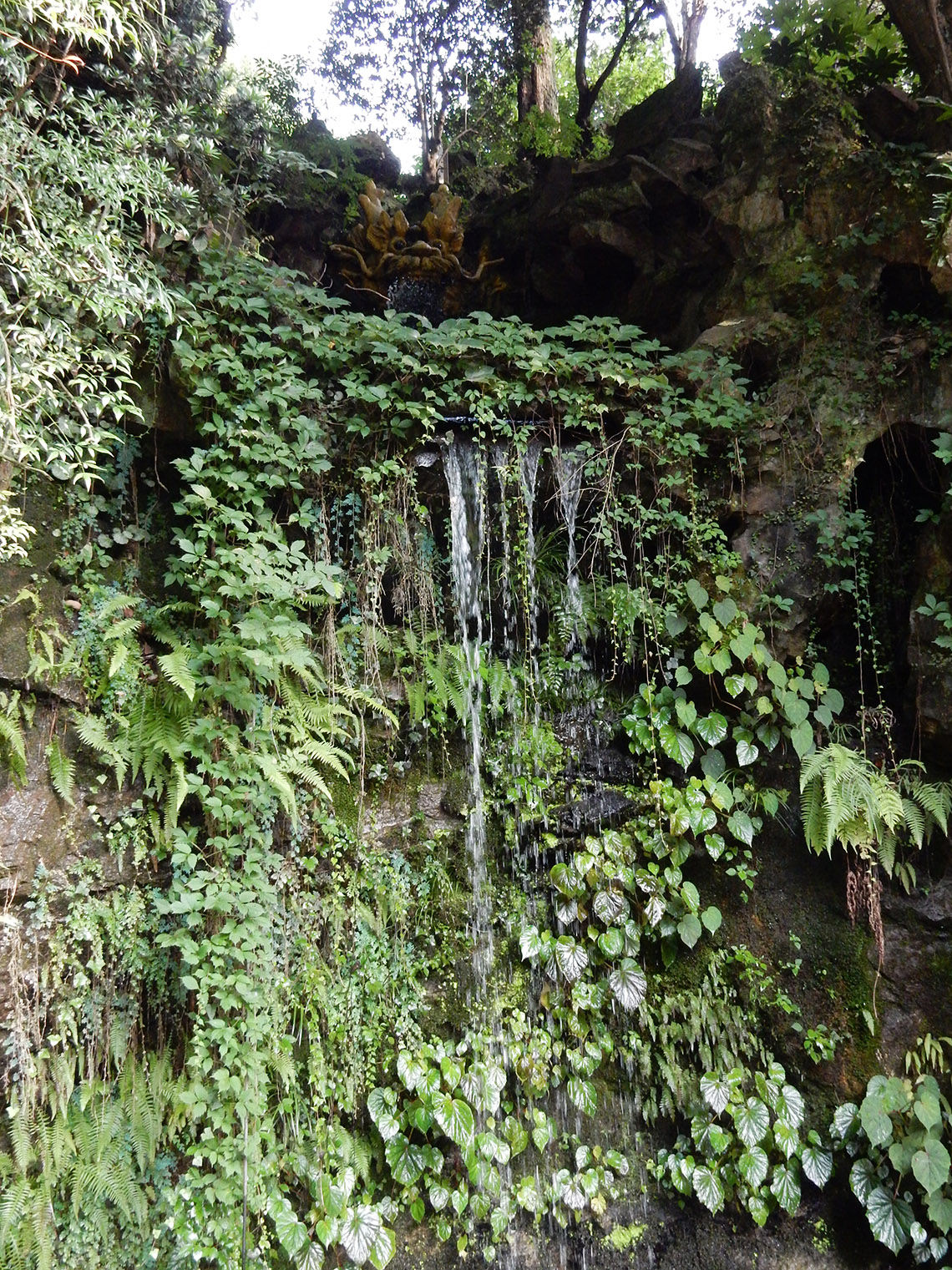
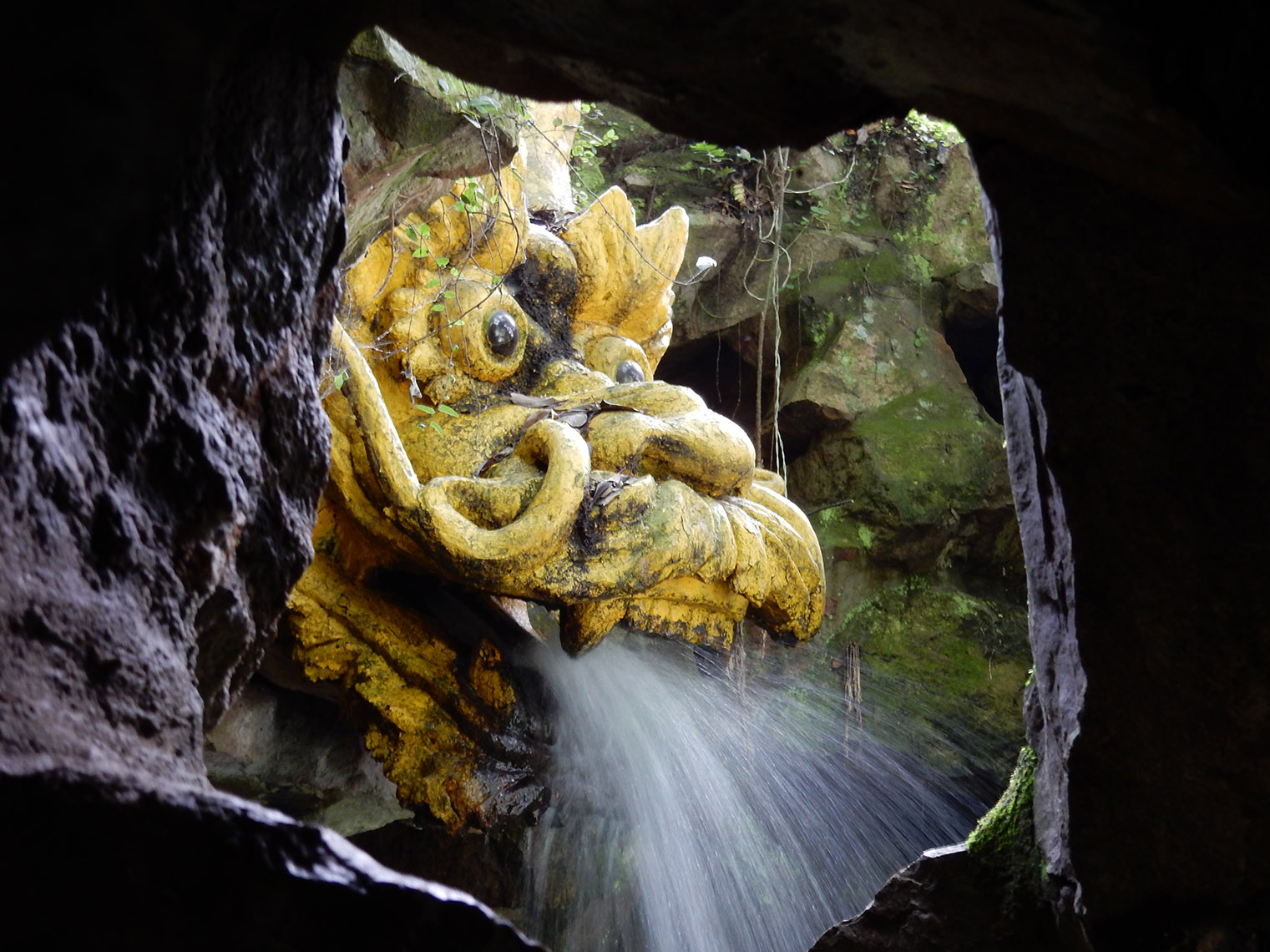
Now the hill area wasn't just a simple hill but an entire forest covered park crisscrossed with paths, some of which wound over, under, and between large rocks, which was fun. The only problem was that about half of those paths were missing from my map, which made navigation a bit tricky (basically, I just tried to keep heading in the proper direction and it worked out in the end). My tour book had mentioned a place at the base of the hill called Yellow Dragon Cave Dressed in Green so I tried to find my way. It took some searching, but I eventually managed to stumble across the back entrance on a nondescript path (as a side note, there's a much more prominent entrance on the northern most end of the forest, though it's further away from West Lake. Turns out, it's an entire area with several different things to thing to see (and an admission fee). One of the attractions is a temple for the god of marriage, along with a giant lock where couples can buy small locks to attach to the surrounding cords. And right nearby was a stage with periodic performances of traditional Chinese singing. There was also a bamboo garden featuring the rare square bamboo. Though you probably won't be able to tell it from the regular bamboo in the picture. While square bamboo is a natural type of bamboo, it's a very rounded square, so you need to take a close look (or touch it) to tell the difference. The one thing I had a lot of trouble finding was the Yellow Dragon Cave itself. I spent a little while following the signs in circles before I finally came across it. It's not really much of a "cave" but can you see the dragon? Here it is up close. Kind of neat, but not what I was expecting when I heard "cave".
They closed the back entrance of the Yellow Dragon Cave area earlier than the front one, so I had to take a different route back from the north side of the park to the south side and West Lake. Fortunately, there was a pretty direct path over the hill nearby. Mostly forest, but with some nice scenery along the way. Since I was walking a bit slowly, especially when it came to climbing hills, it was around five by the time I made it back to the lake so I had to give up my plans to see any of the other stuff on my list that day. However, I ended up right next to Yuewang Temple, and it was open until six, so I decided to pay it a visit.
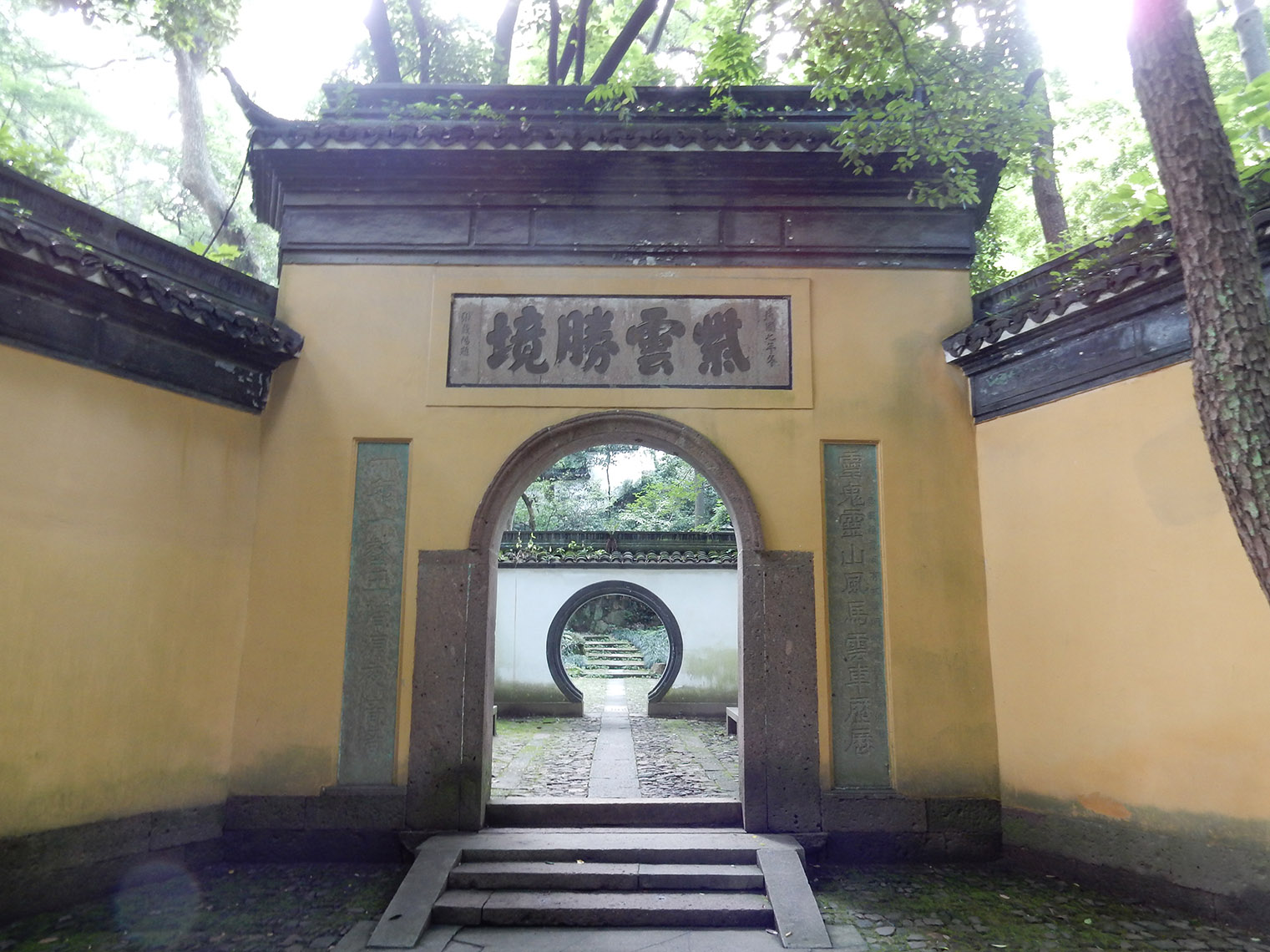
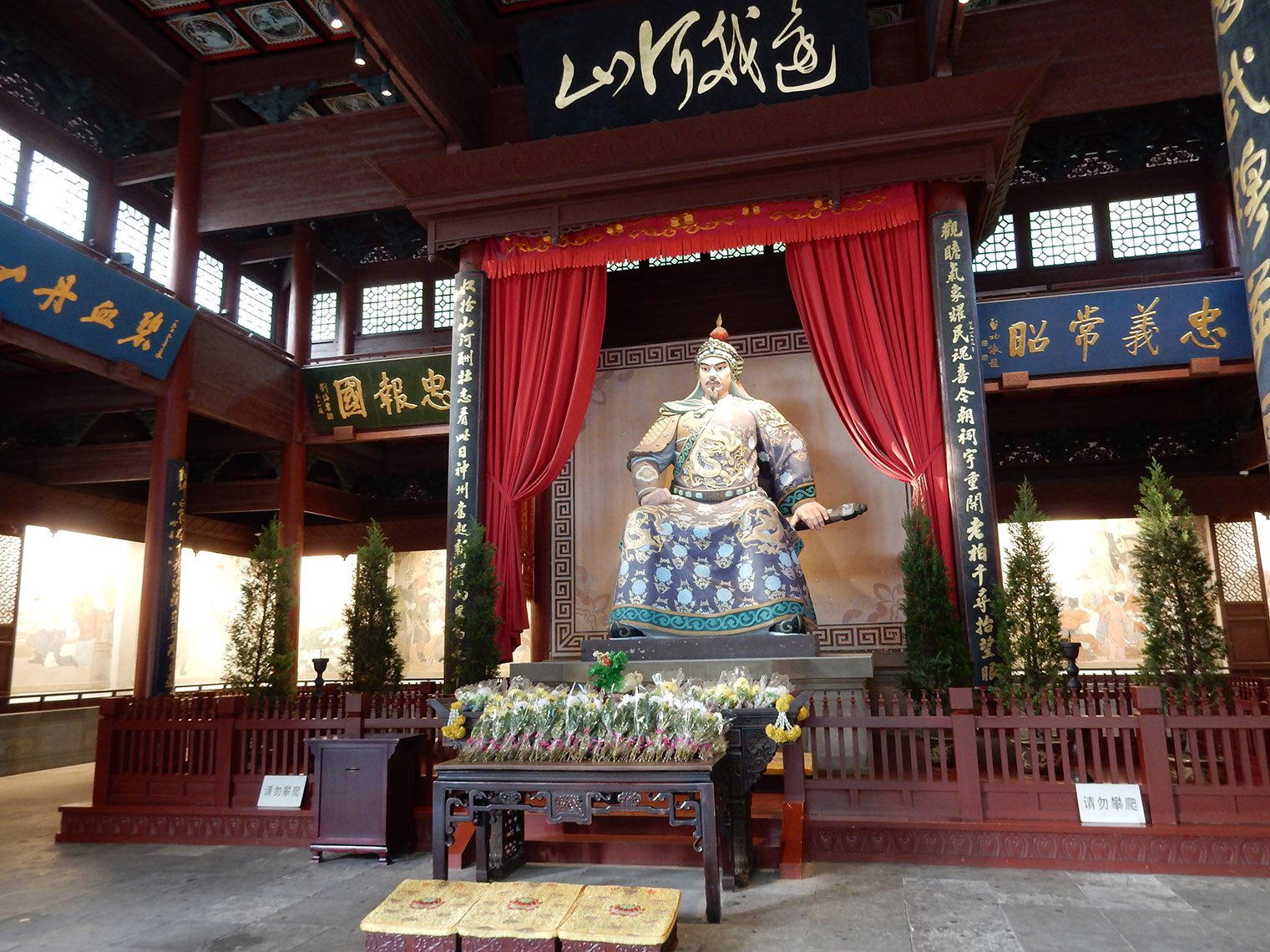
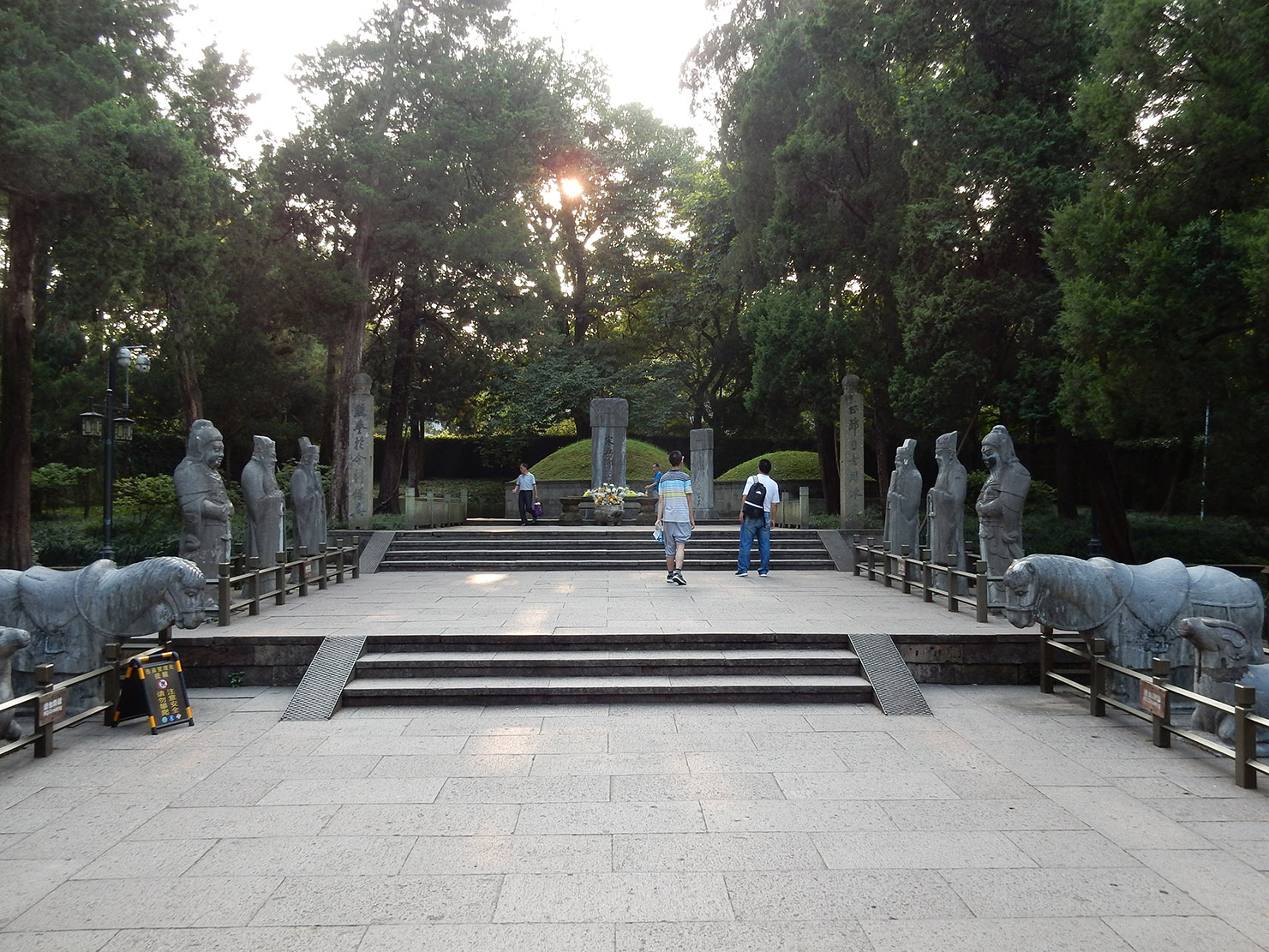
Despite the name, Yuewang Temple isn't actually a temple. It's also known as the tomb of Yue Fei. For those of you who aren't particularly knowledgable about Chinese history, Yue Fei was a Chinese general who lived in the early 1100's. He started out as a peasant soldier and rose to become the leader of the Song dynasty's military and the greatest general of his time. It was thanks to his leadership that the Song dynasty was able to hold off the advances of North China's Jin Dynasty. Unfortunately, corrupt officials and a weak and foolish emperor forced Yue Fei to end the war just before what would have likely been his definitive victory, after which he was brought up on false charges and executed (or maybe assassinated, depending on the source). He was posthumously pardoned by a later emperor around twenty years after his death and has since been revered as a military master and a symbol of loyalty to his country. At the same time, the tomb was erected in his honor. Now, in addition to the tomb, it houses several temple style buildings with displays detailing Yue Fei's life and military campaigns. Not everything was translated, but there was enough for me to learn what I just told you. It made for an interesting history lesson and was worth the visit.
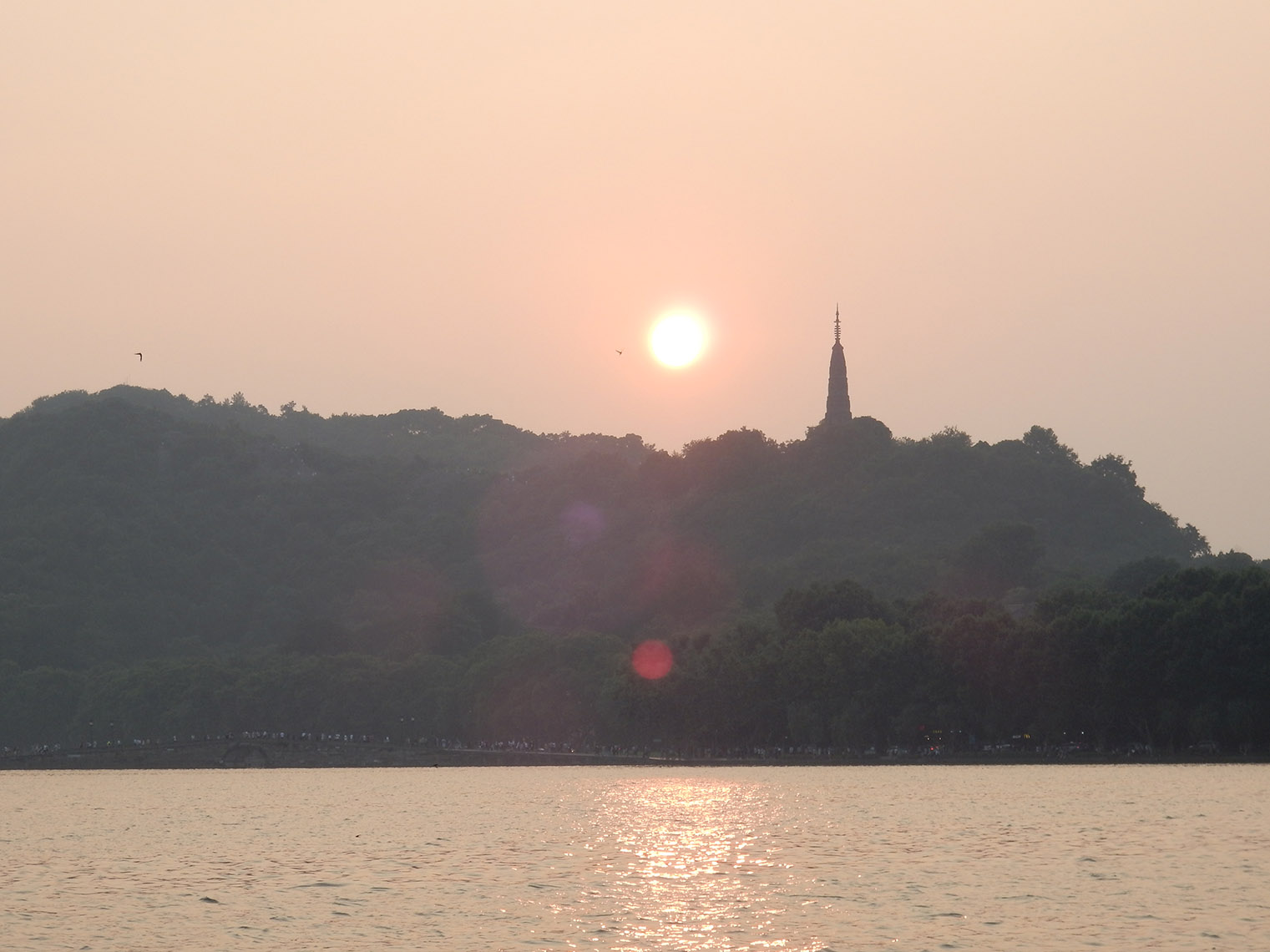
Despite all the walking, I actually wasn't feeling hungry (a big lunch combined with lingering effects of the food poisoning, I think) so I walked around the lake a bit more, enjoying the scenery and the eventual sunset, before settling in to watch the nightly fountain show on the east side. As a note, while I managed to avoid showing it in that video, there was a large crowd there. If you want to get a really good spot in front of the fountains, you need to show up early. I got there around 20 or 30 minutes before the show and there was already several rows of people between me and the water. In addition to the crowd, the mosquitos were also out in force (I guess they know how popular the fountain show is too). Somehow, I avoided getting bitten, but I think I just got lucky. Considering how China doesn't seem particularly averse to chemical usage, I'm surprised they don't spray for mosquitos (in parks or in condo developments).
After that, it was back to the hotel. While I didn't get to see as much as I'd wanted, it was a pleasant day and I'm looking forward to getting down to some serious sightseeing tomorrow.

Random China Comment: Foreign Tourists
One thing I keep getting asked is how many foreign tourists I see in China. As a disclaimer, please note that I don't think I could tell the difference between a tourist from Taiwan or Hong Kong and a mainland Chinese citizen. Also, if I'm not paying close attention, I could easily fail to notice tourists from Japan, Korea, or the like. That said, the number of obviously foreign tourists I see in China varies greatly depending on where in China I am. I've seen the most by far in Shanghai and Beijing. At the most famous tourist destinations, such as the Forbidden City, Great Wall, and Shanghai's Yu Garden area, I encountered massive numbers of foreign tourists. Maybe up half to the people I saw were clearly not Chinese. Outside of those areas though, the number drops considerably. Get away from the main tourist spots in Shanghai and Beijing and you'll only see a handful. And other cities are even less. For example, I only saw one non-Asian person during the two days I recently spent in Nanjing (along with a couple of Japanese) and none in Yangzhou. And a couple of years ago when Connie and I went to Kunming and Lijiang up in the Yunnan province, I only saw a single family of US tourists for our entire week long stay. Here in Hangzhou, I've seen around 10 - 20 foreigners per day (not counting one odd tour group I spotted, which had about 15 - 20 people of its own). That's a bit better, but still pretty low considering that Hangzhou is a both pretty famous destination (well, not nearly so much as Shanghai and Beijing but nothing else in China really approaches them in terms of foreign name recognition) and a fairly short train ride from Shanghai.
As a quick comparison, while I've had plenty of days in Japan where I never encountered another foreigner, those were all in lesser known rural areas. On average, I encounter a decent amount more foreigners in Japan than in China.
The reason? Well, this is only speculation, of course. But, first off, getting a China visa (at least for US citizens) is a bit of a pain in the neck. The new 10 year visas fix that somewhat (at least if you plan on repeat trips), but the initial application process isn't any better and you have to know about and write in a request for the 10 year visa, since they haven't bothered to update their application forms in the last few years. And, once you do get to China, while getting around a major city like Shanghai or Beijing is relatively easy even if you don't speak any Chinese, trying to travel to other or cities (unless you're on a tour) is a lot more complicated thanks to the way the trains here work (especially the ticket buying process). Though most tourist destinations I've seen in China offer at least a moderate amount of English language support once you're actually there. I also wouldn't be surprised if there's also a bit of nervousness about visiting China, given their government's history and up and down relationship with much of the rest of the world, the pollution and sanitation issues, and the like. I was certainly a bit nervous my first time here.
On a side note, I wouldn't be surprised if some people removed China from their list of potential travel destinations immediately after hearing that Facebook and Twitter are blocked here... (Though, if you have an international cell phone plan, you can access them (and any other blocked sites) normally on your phone so long as you're not connected to wi-fi.)
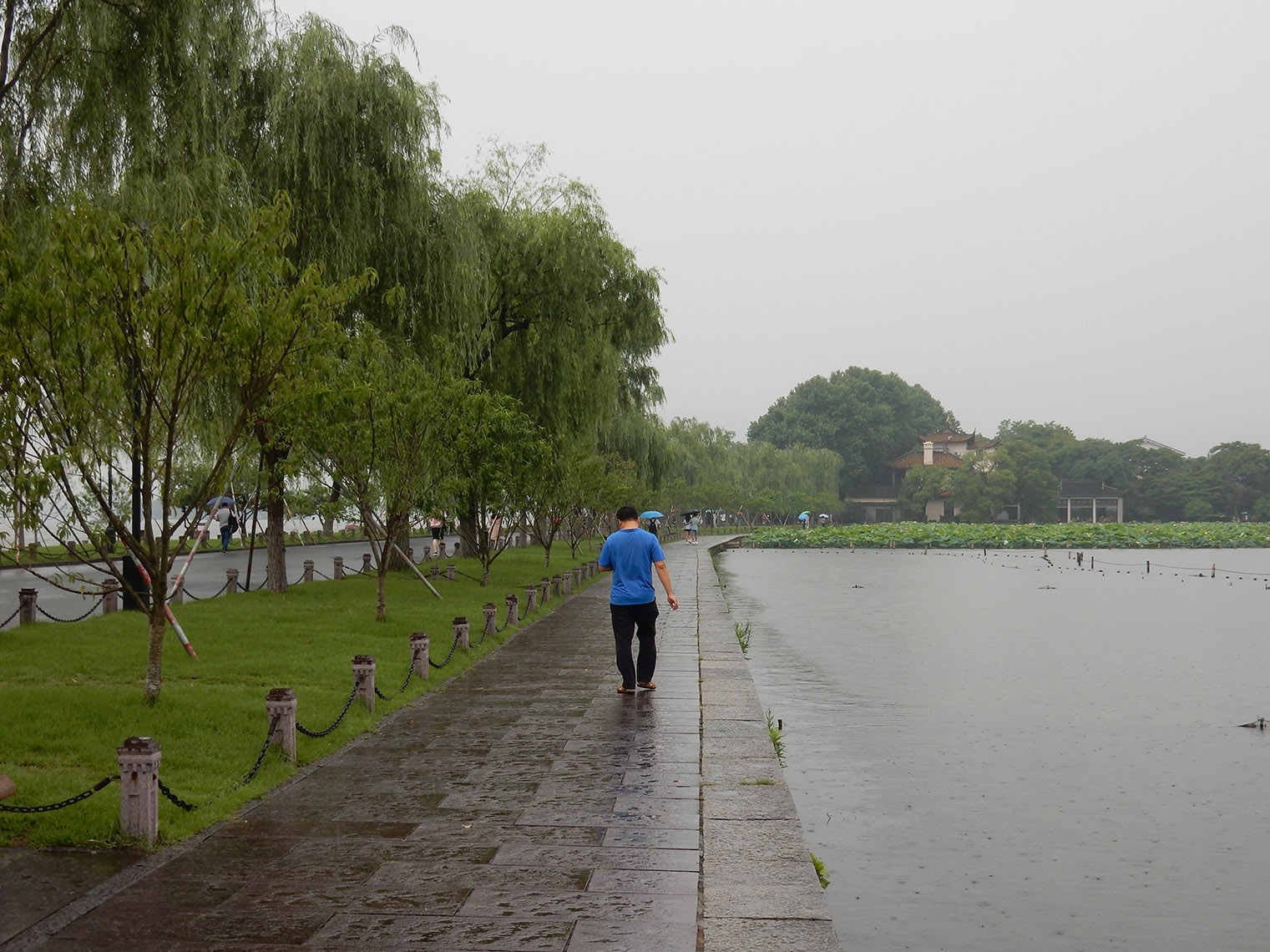
I started off walking counterclockwise around West Lake again, but this time I took the causeway to Solitary Hill Island, the large island just off the lake's northern shore. I had a main destination in mind, but there were a few little things on the island that I hadn't seen yet, so I took a look along the way. First was the Wenlange Library Pavilion, which was built long ago to house a collection of specific imperial books (scrolls). It's one of the only such libraries to survive to the present day, though neither the exterior to interior would be immediately recognizable to modern visitors as a library. Right next door, I stumbled across a relatively small museum focused on the history of Chinese porcelain. I'd already seen a lot of porcelain, but it was free so I took a quick look. It was kind of interesting to see how the colors of porcelain were essentially fashion trends that changed through the ages. For some reason, they also had some artifacts from Leifeng Pagoda, even though it's all the way on the opposite side of the lake.
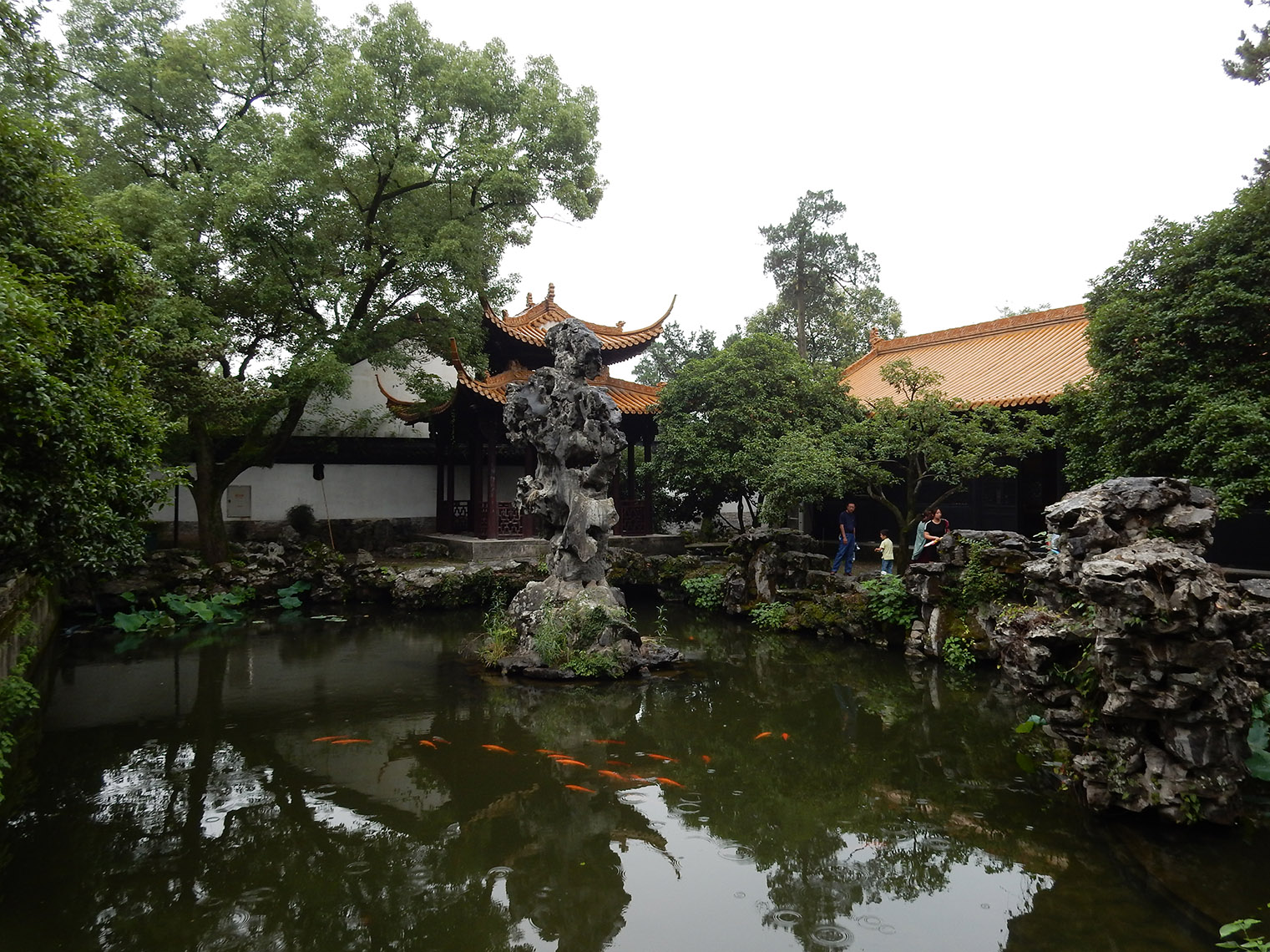
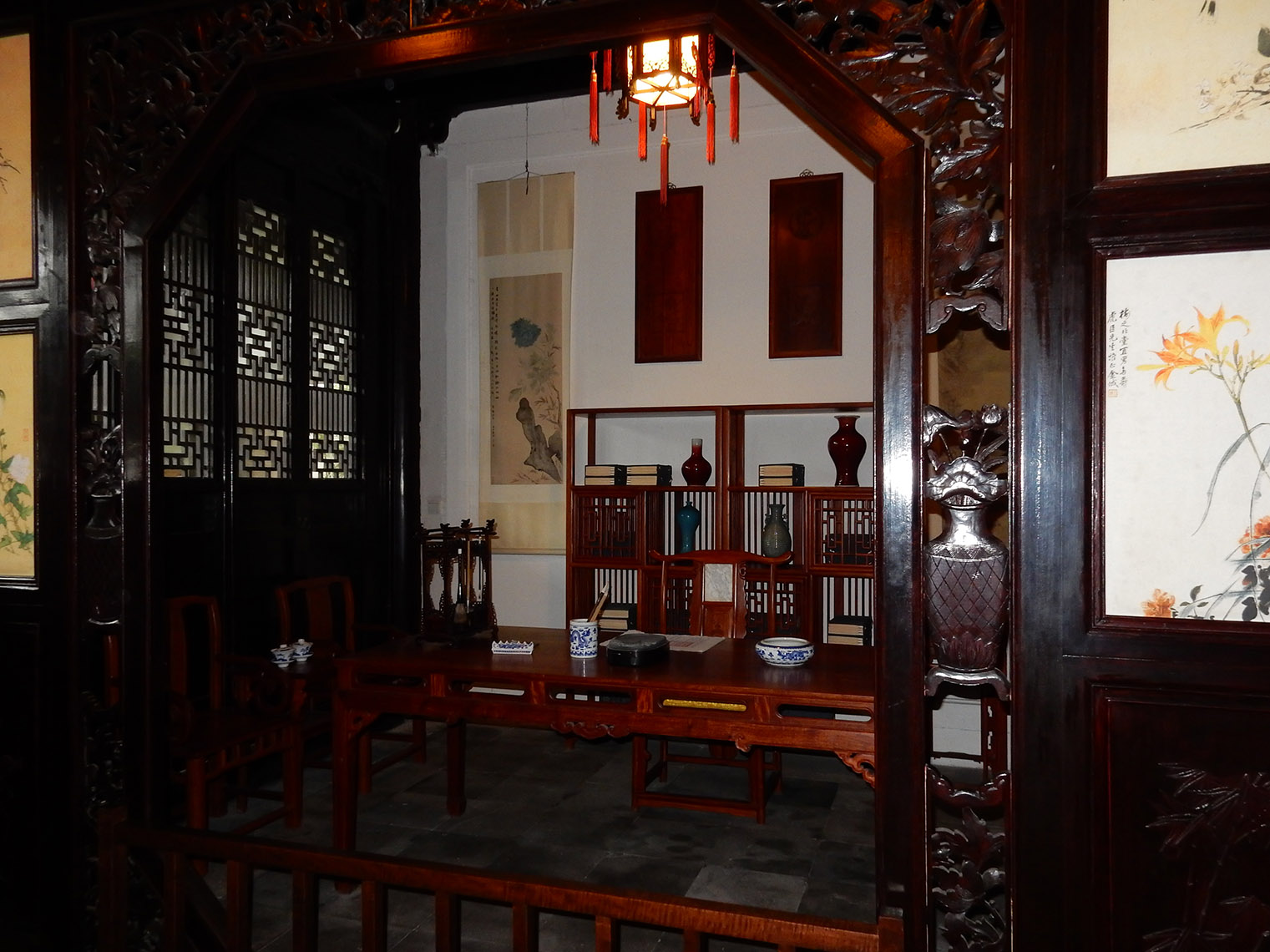
Next, I came across the ruins of a temporary imperial palace that was once built there, though ruins is right as there was almost nothing left. Climbing the hill in the back, I came to the upper section of the Seal Engravers Society complex (I had only seen the lower area last time). Their museum seemed to be closed, but the area itself was quite pretty.
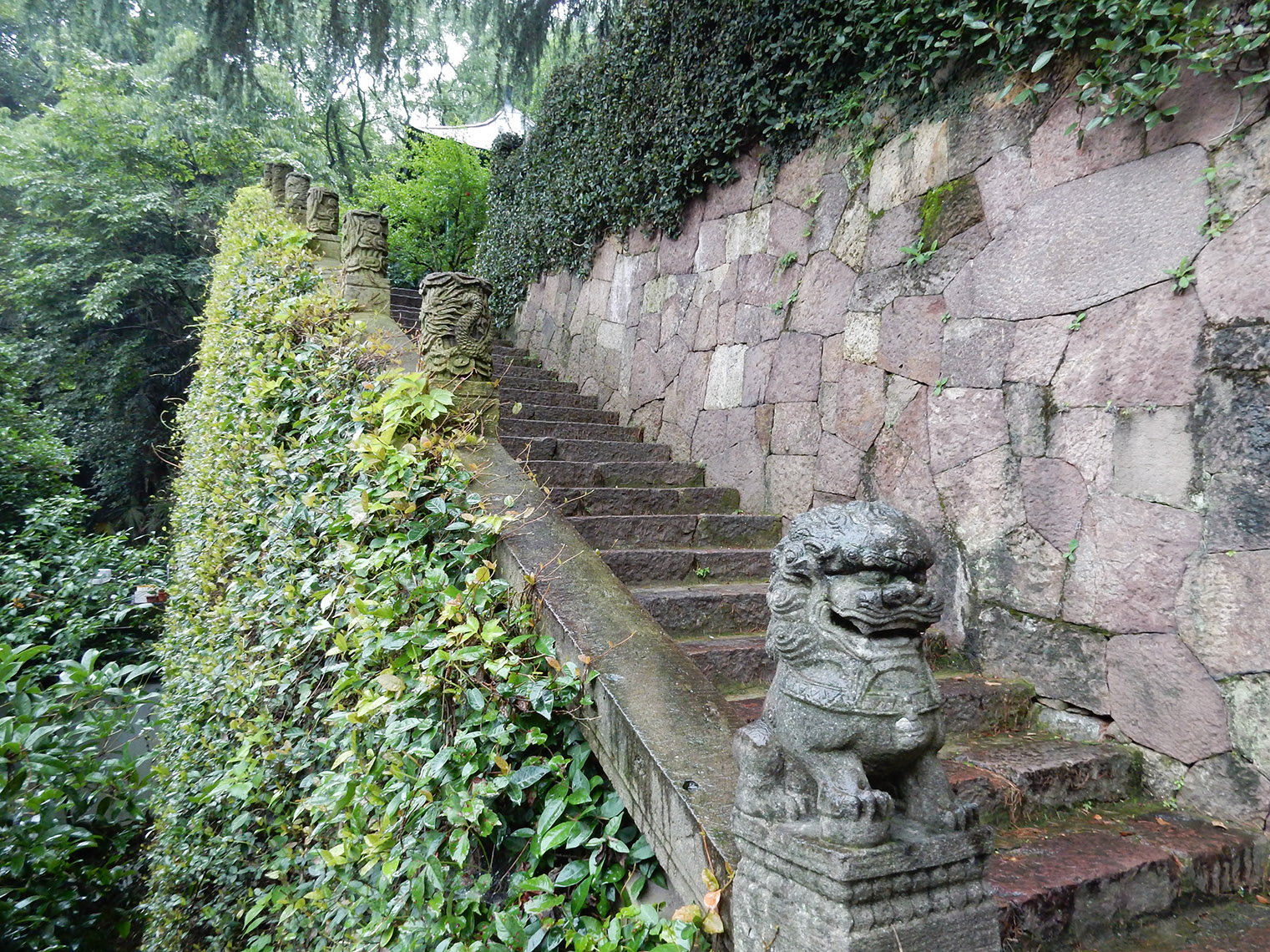
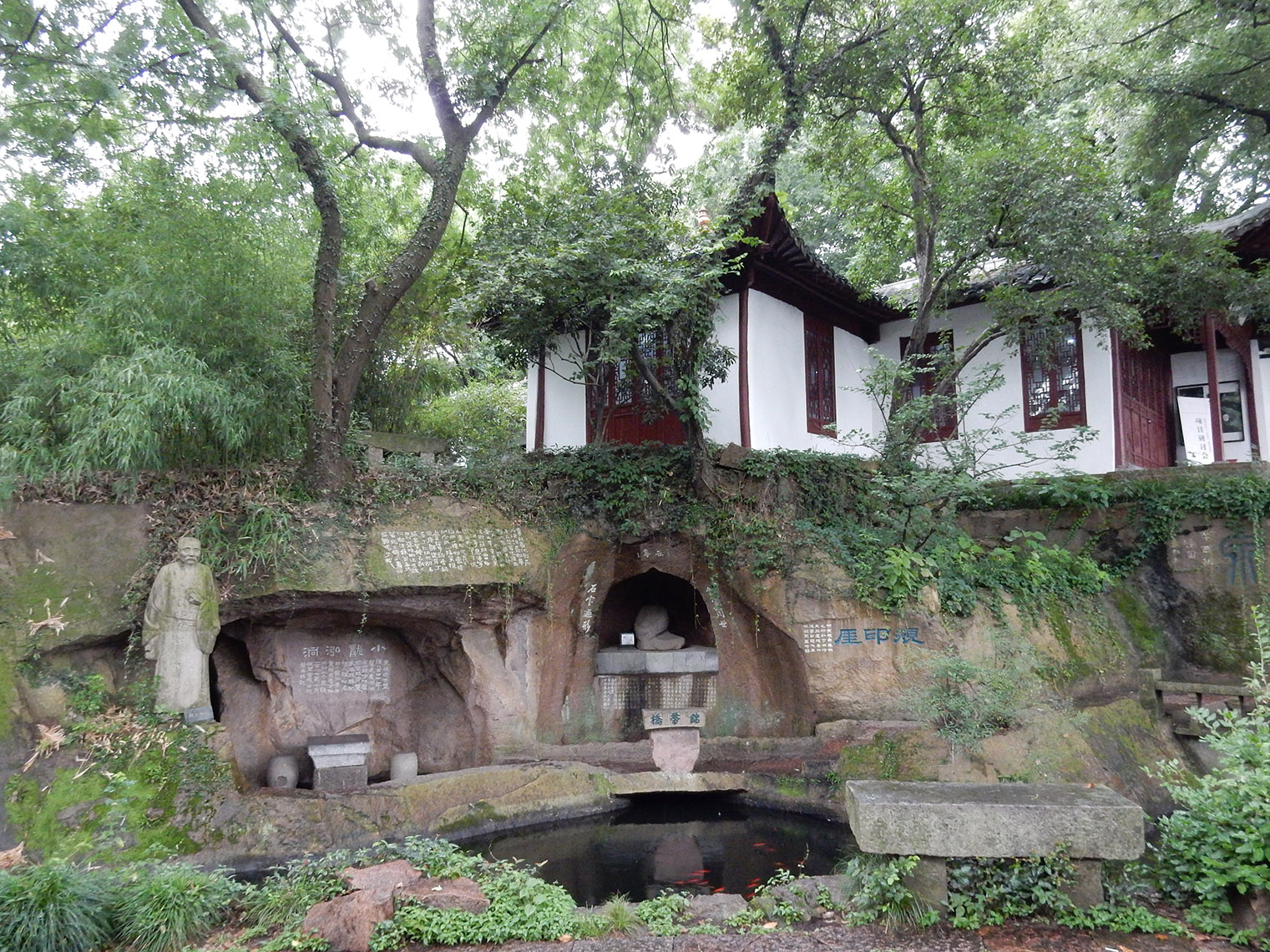
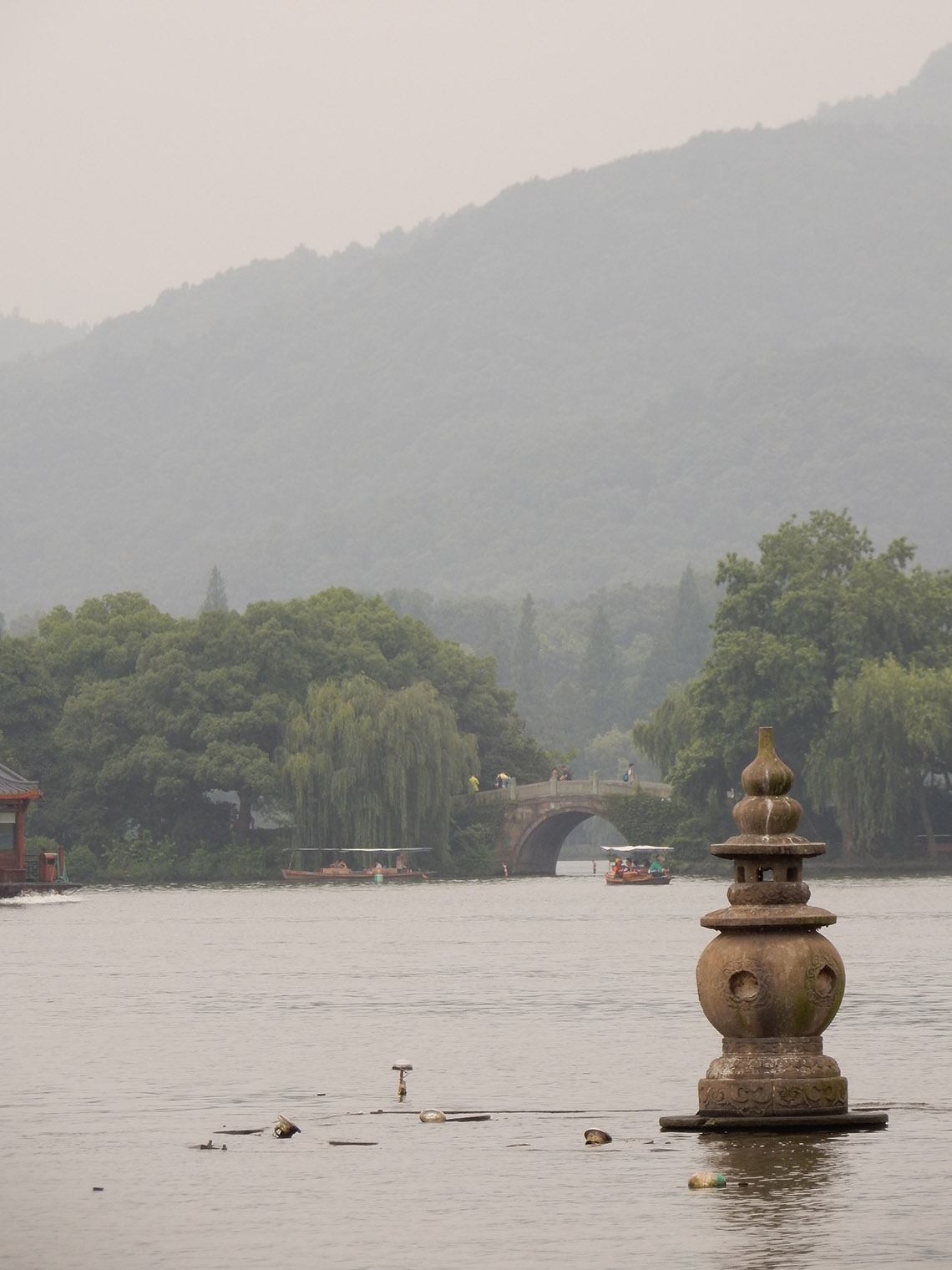
Finally, I decided it was time to leave Solitary Hill Island and head for my first main destination, but that required a boat ride. There are a number of boat docks around west lake. Some are for hiring little private boats where a boatman will take you and the rest of your small group out on the water for an hour or two. Others are for somewhat similar, but larger and less private, outings. But there are also ferries which launch from several spots around the lake. You can get a ticket from any of the launching points and ride the ferry to Three Pools Mirroring the Moon, an island in the middle of the lake. From there, you can spend however long you want exploring the island before taking one of the return ferries back to whichever dock you prefer. The ride itself was smooth and fairly quick but before I can really talk about Three Pools Mirroring the Moon, you need to have an idea of its layout. Get the picture? It started out as a much smaller island with an equally small temple but it was later expanded, with dirt and rock put in around it to form the pools and create its current shape. On a side note, I know it looks more like either four pools or two than three, but whatever. Anyway, despite the crowds, it's a pretty place (and it should be, since the entire thing was created as a sort of water garden) and the pools are covered with water lilies and filled with fish and birds. It also offers some good views of West Lake itself that you can't get from the shore.
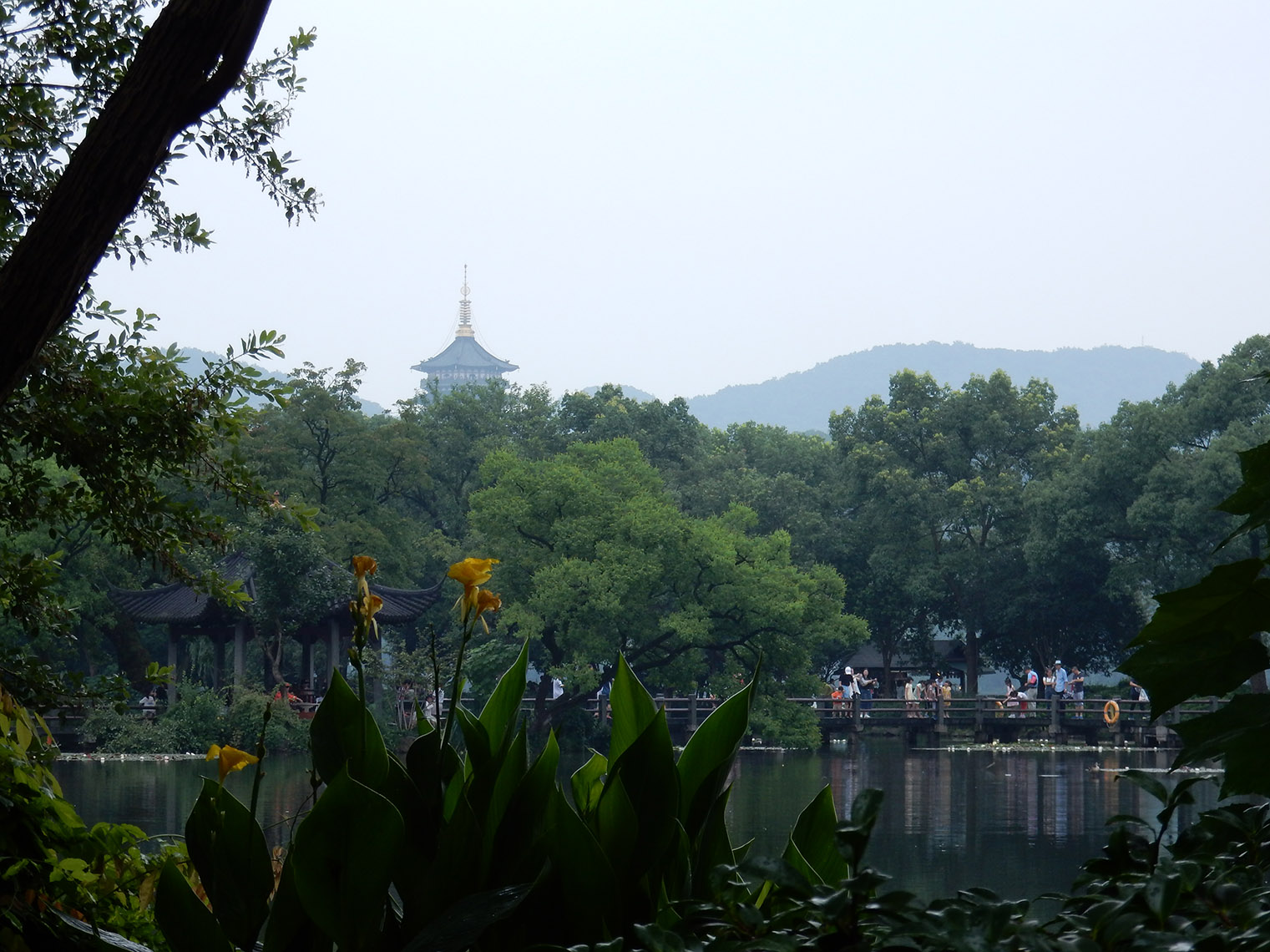
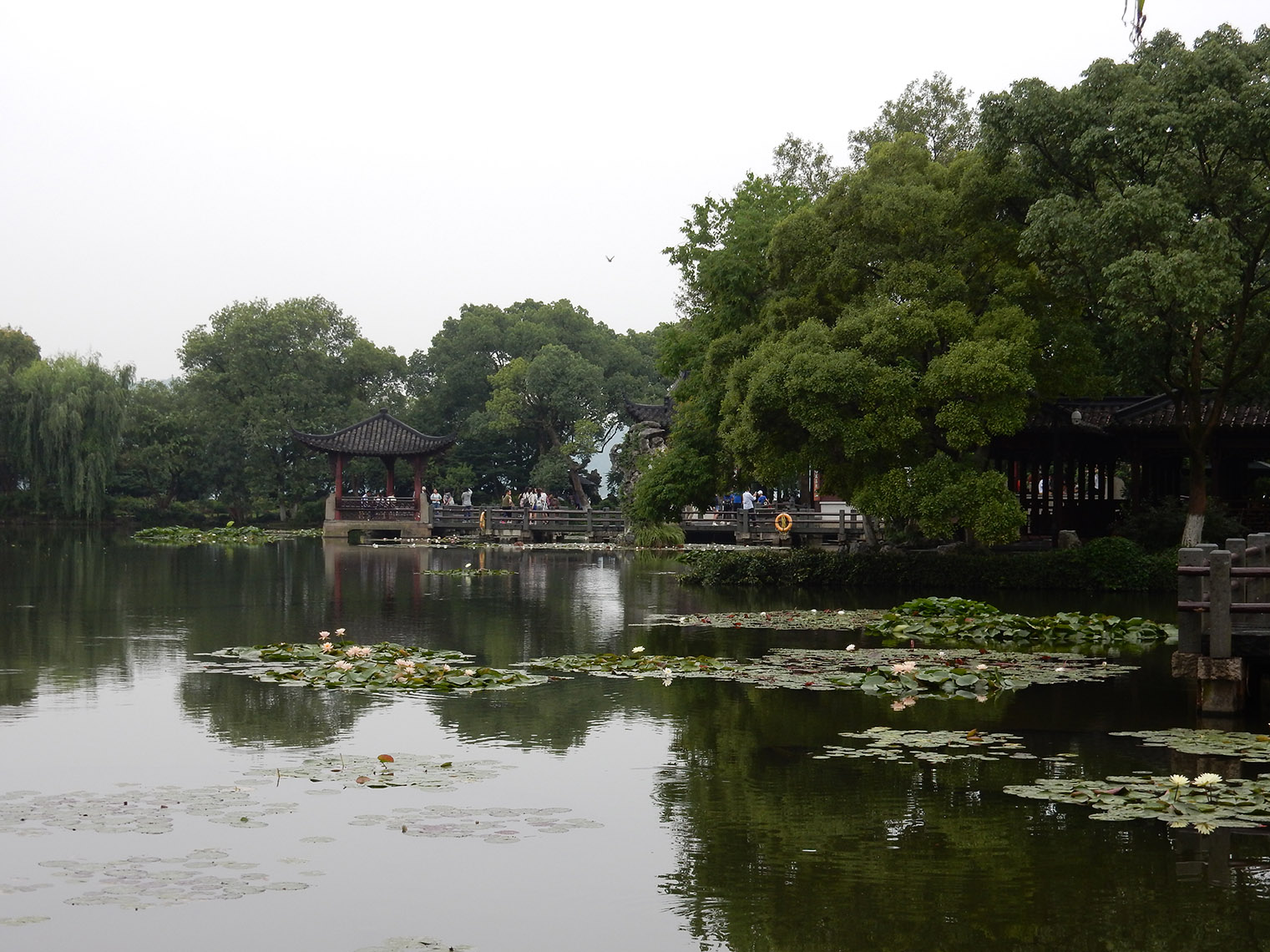
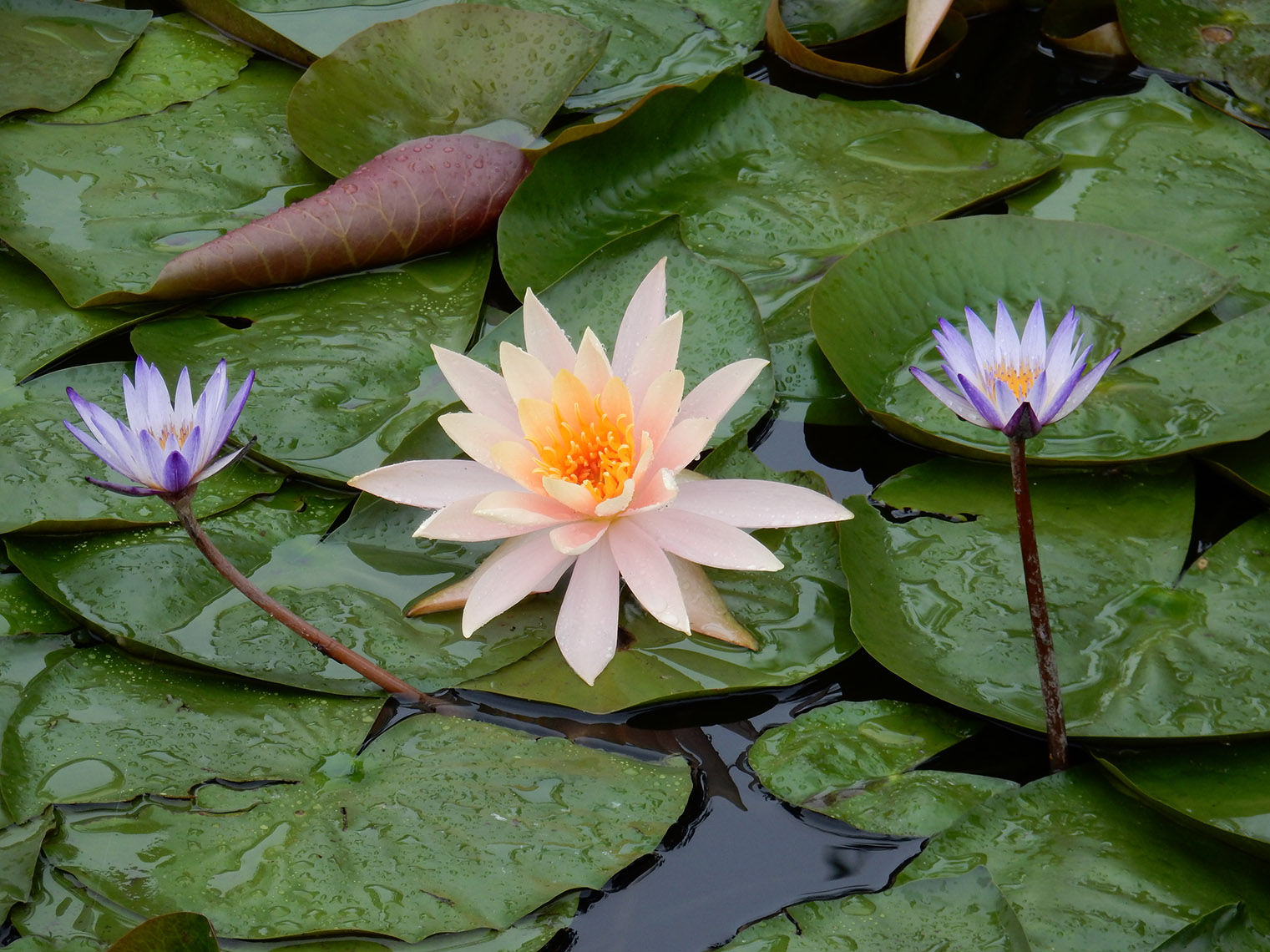
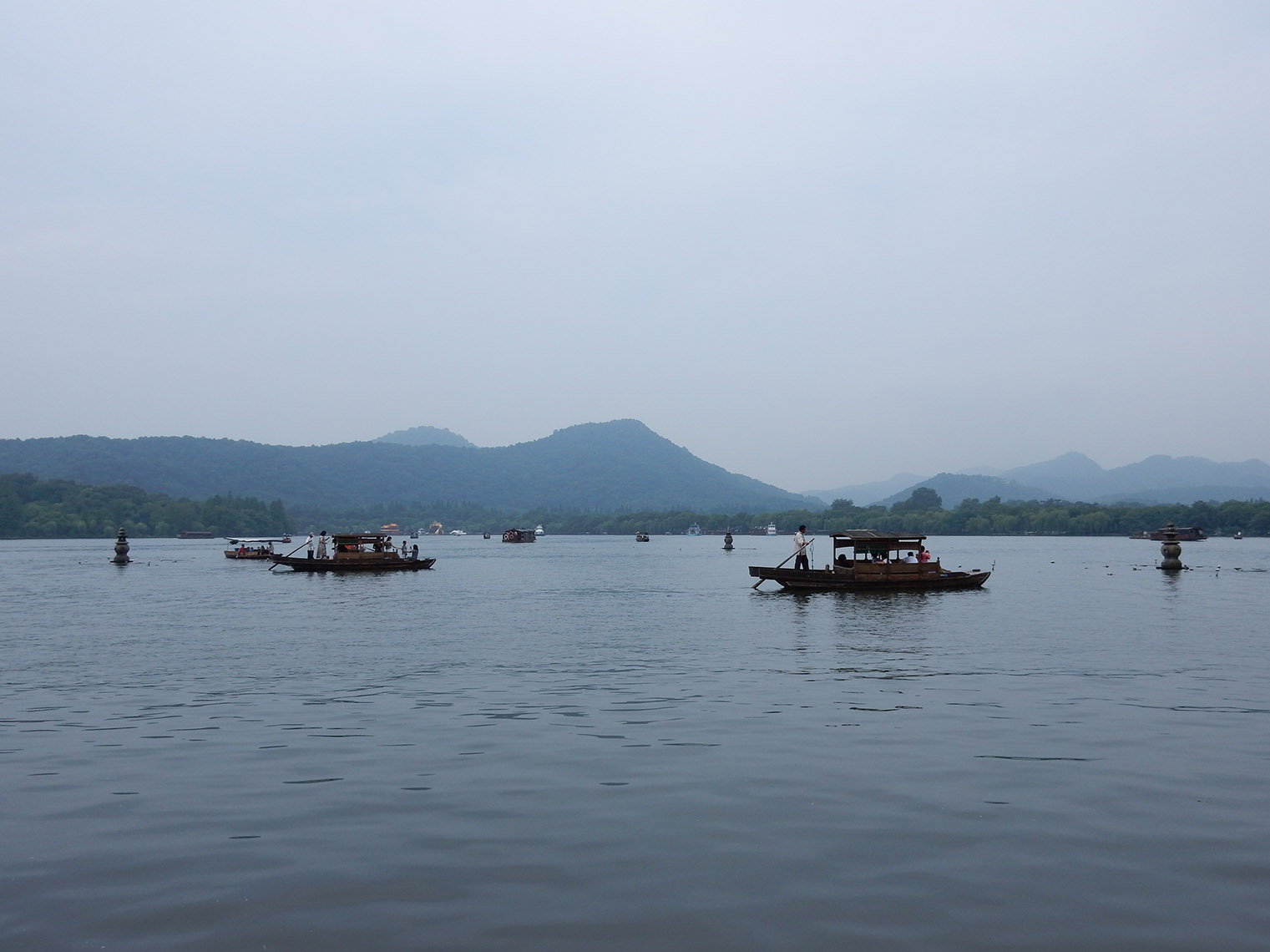
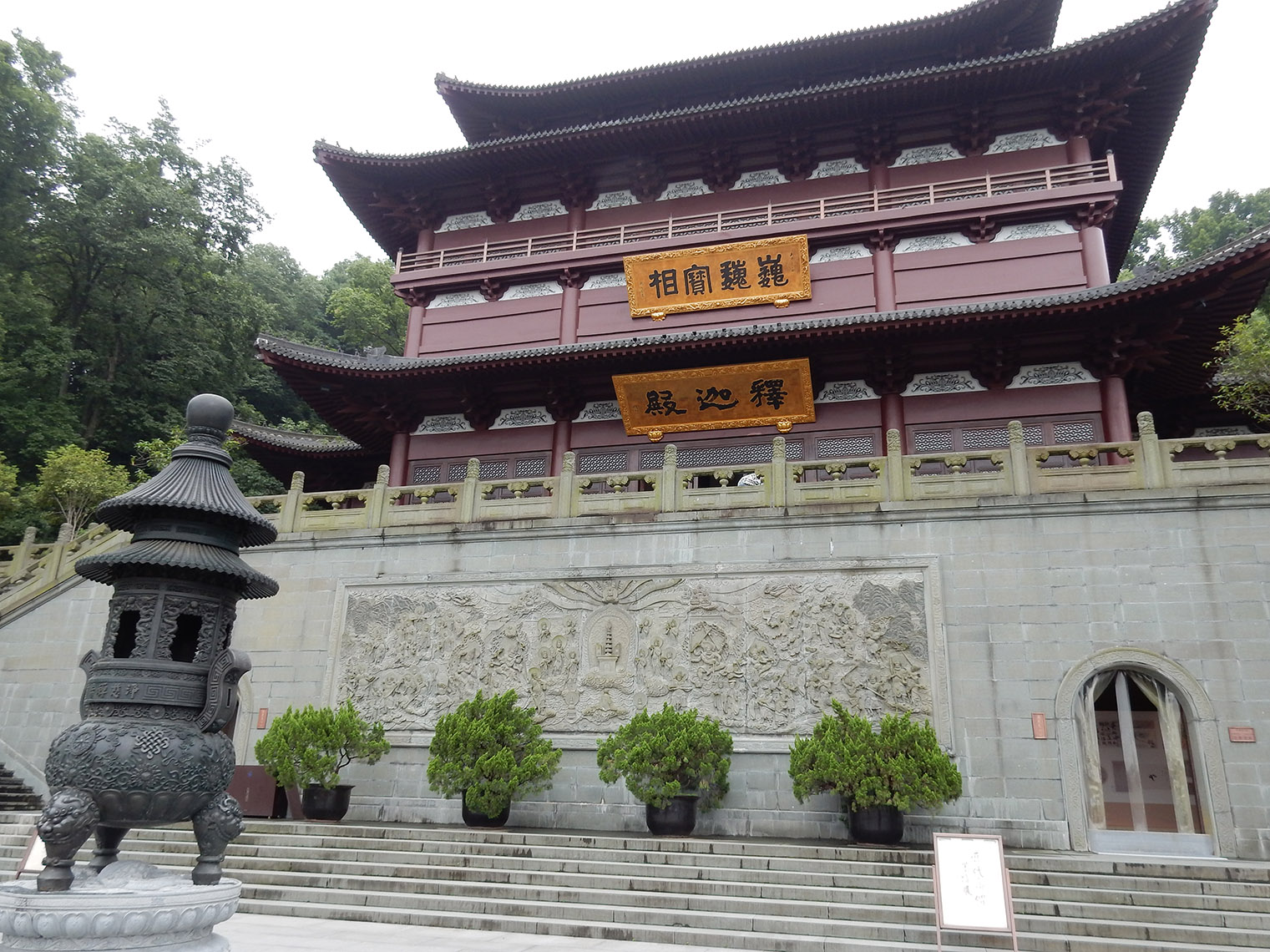
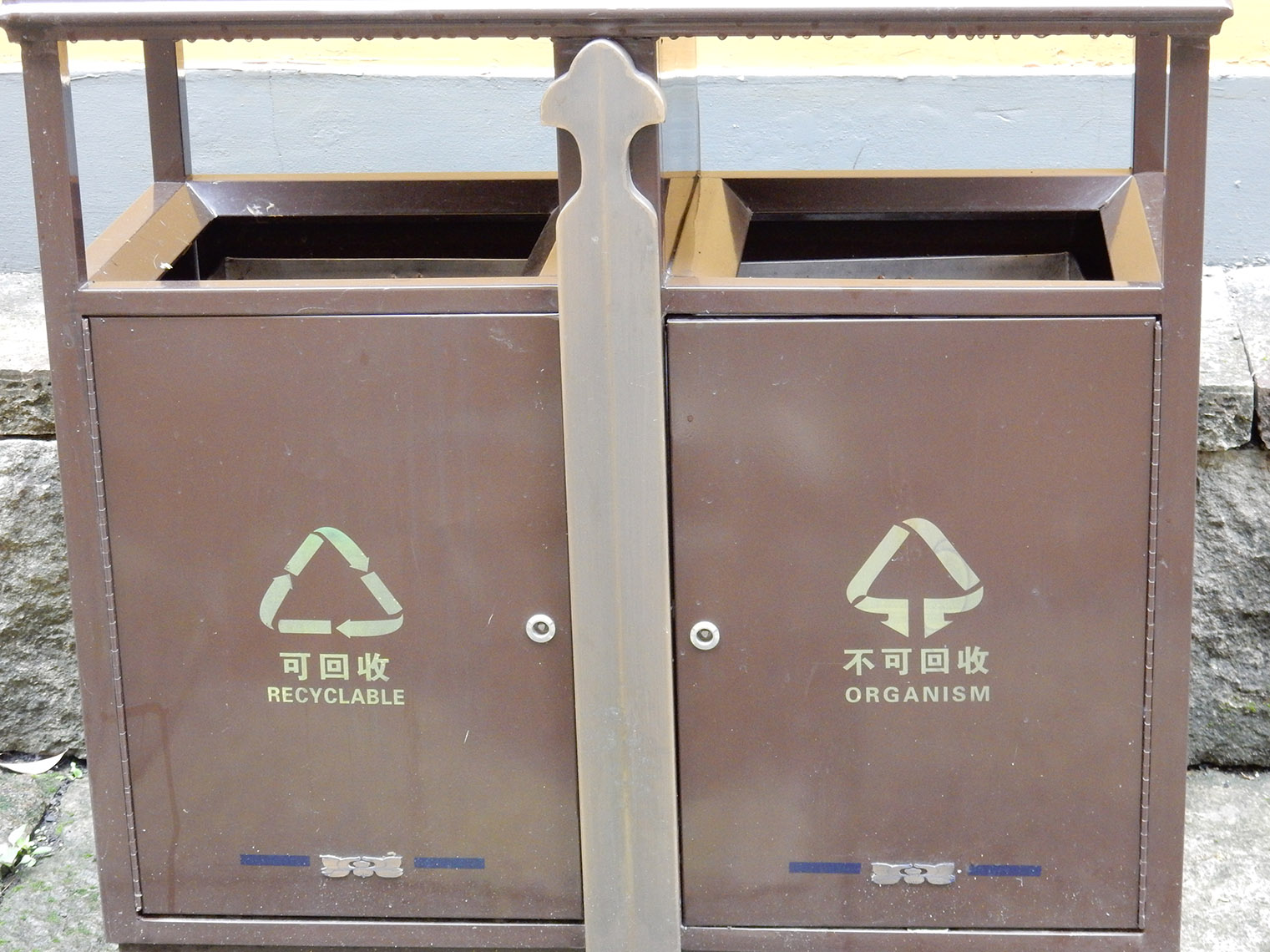
Once I'd finished looking around, I took the ferry to the south side of West Lake, near Leifeng Pagoda. Once again, I had a specific destination in mind, but I couldn't resist looking around a bit along the way. Last time, while Connie and I visited the pagoda, we didn't have time to see Chijian Jingci Temple, which is across the street. It's a nice large temple, but I wouldn't say that there was anything about it that especially stuck out to me (having already seen lots of Chinese temples). Well, except for the trash cans. See, most trash cans in China are divided into two sections. One is for recyclables (and labeled as such) and the other, for everything else, is usually labeled as "non-recyclable" or "other waste". The cans in the temple, however, gave it a very different (and pretty weird) translation.
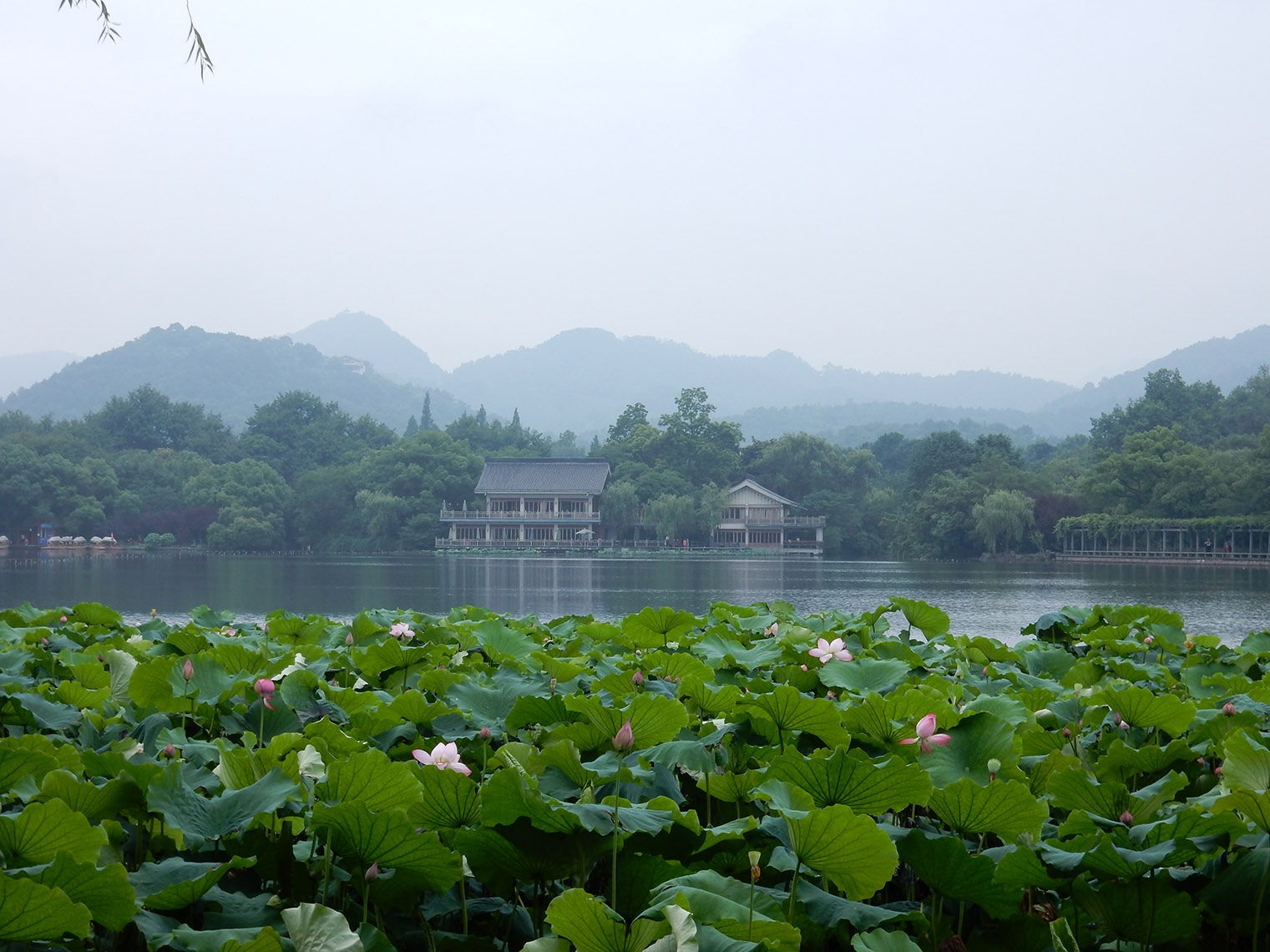
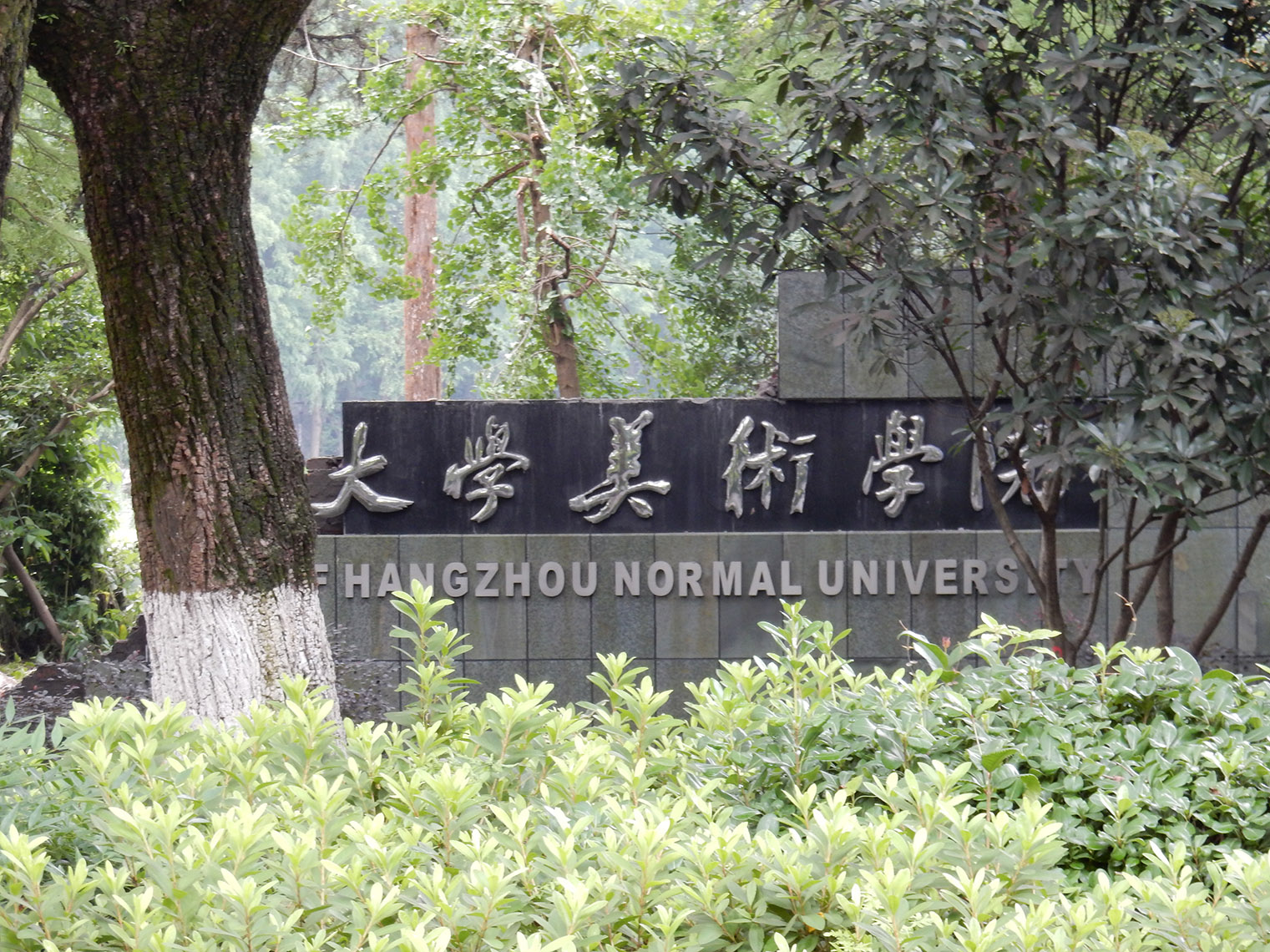
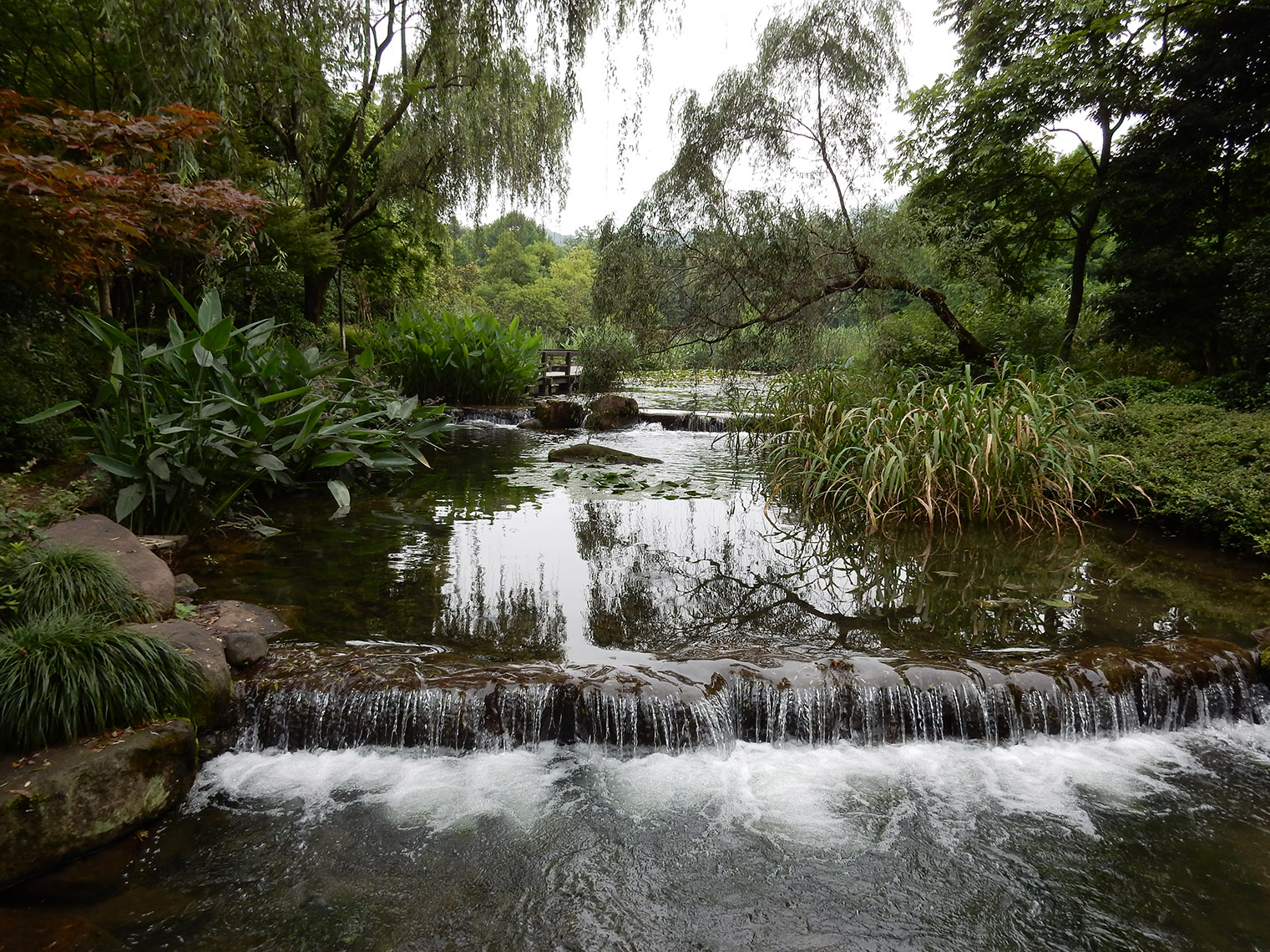
Speaking of odd English, as I left West Lake behind and headed south towards my next stop, I passed the Hangzhou Normal University. Which, of course, begs the question of where the abnormal university is. I bet that one would be much more interesting to see. Anyway, I had been expecting a 20 minute walk along the road, but it turned out that there was a park with a stream going most of the way, which made for a much nicer route. Surprisingly, the water in the stream was extremely clear which, from my experience, is a rarity in China.
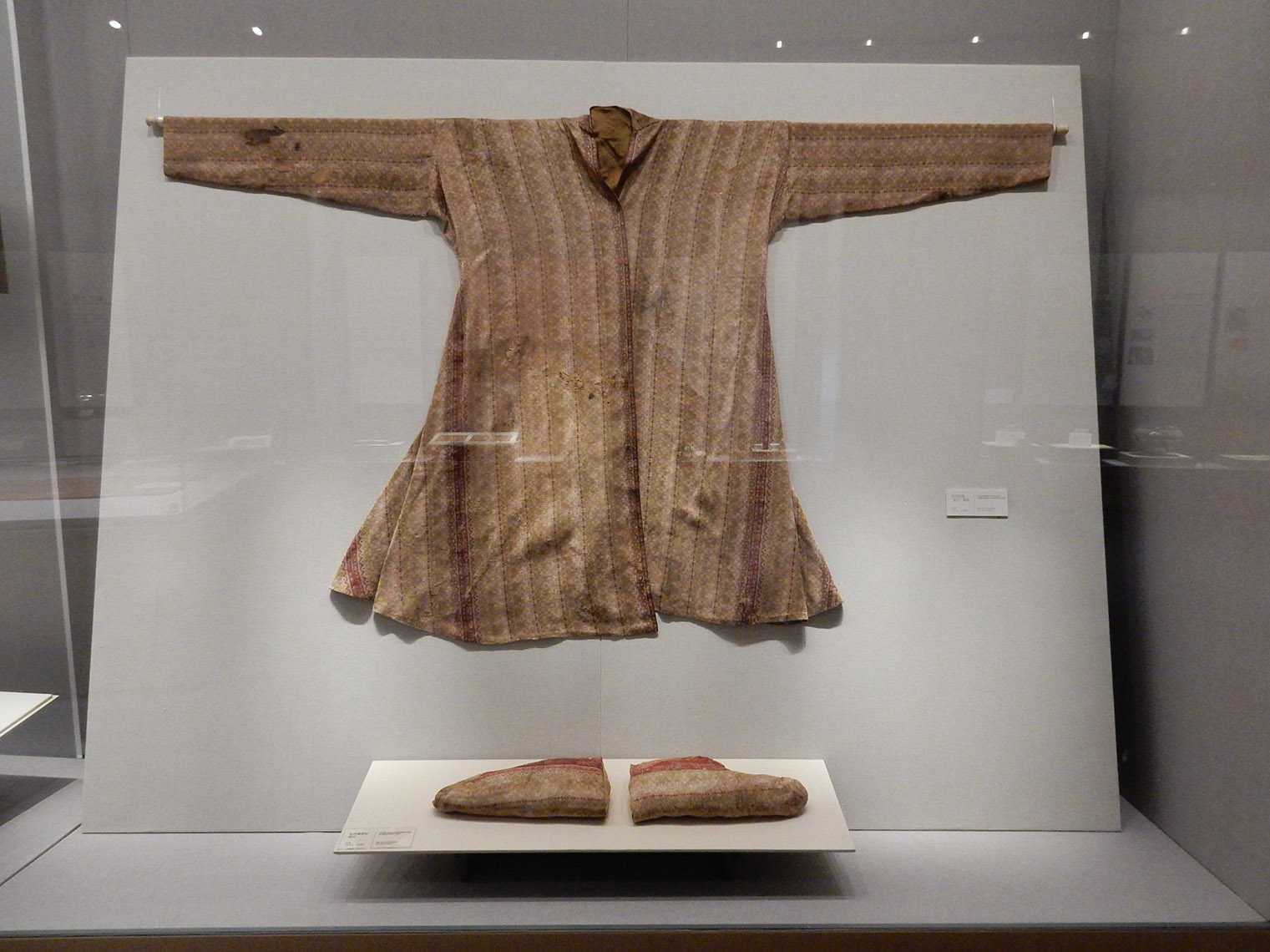
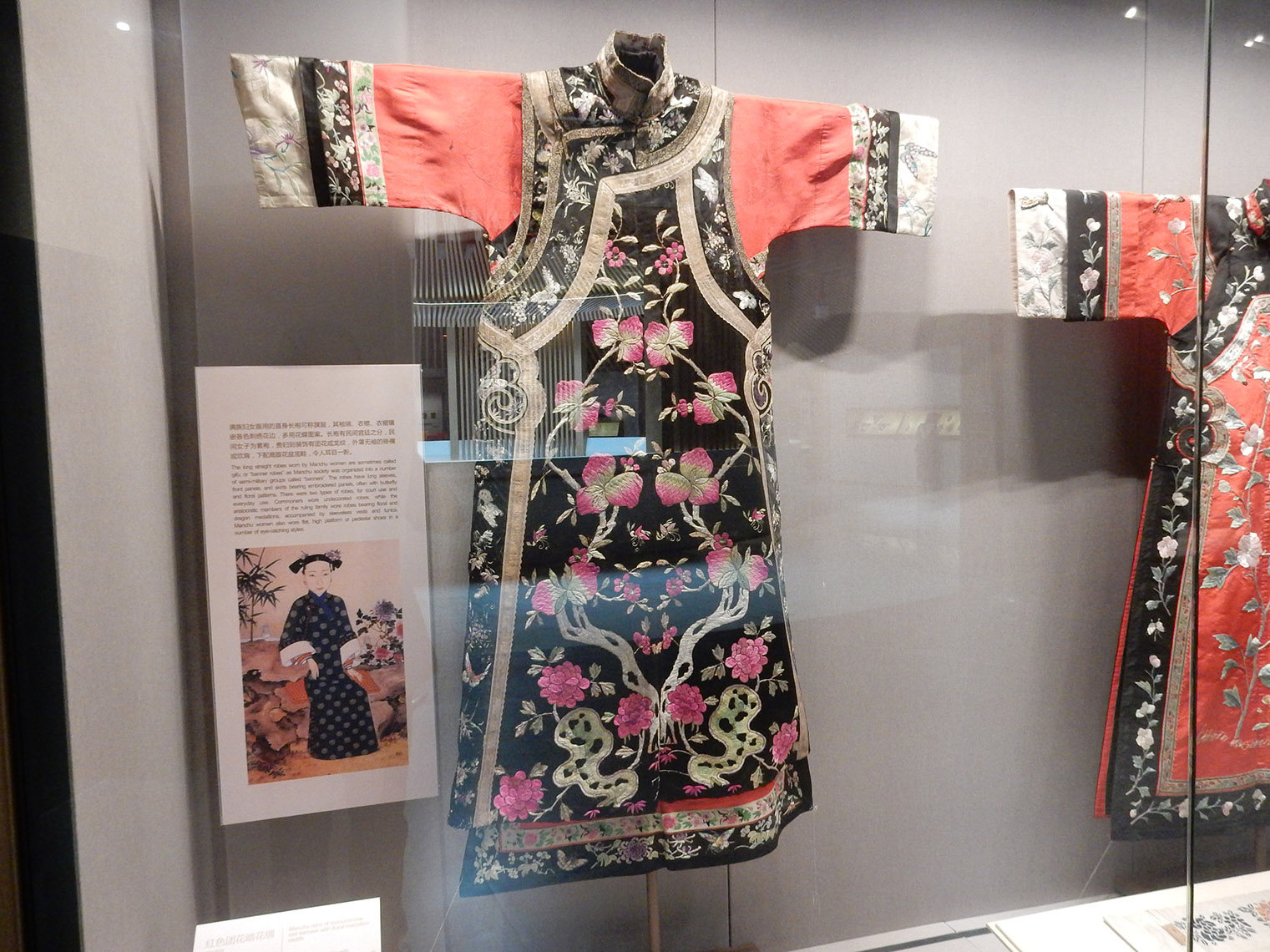
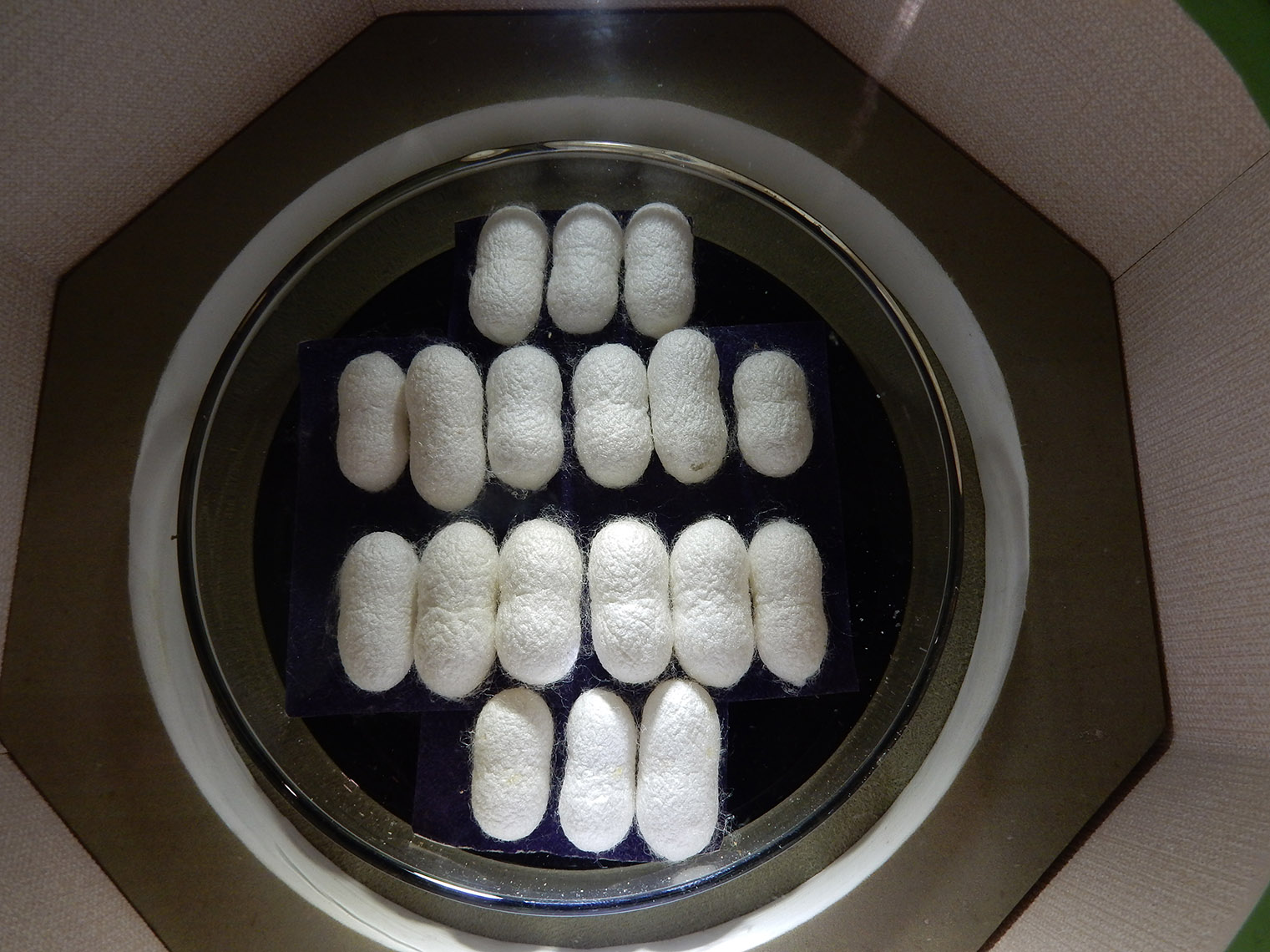
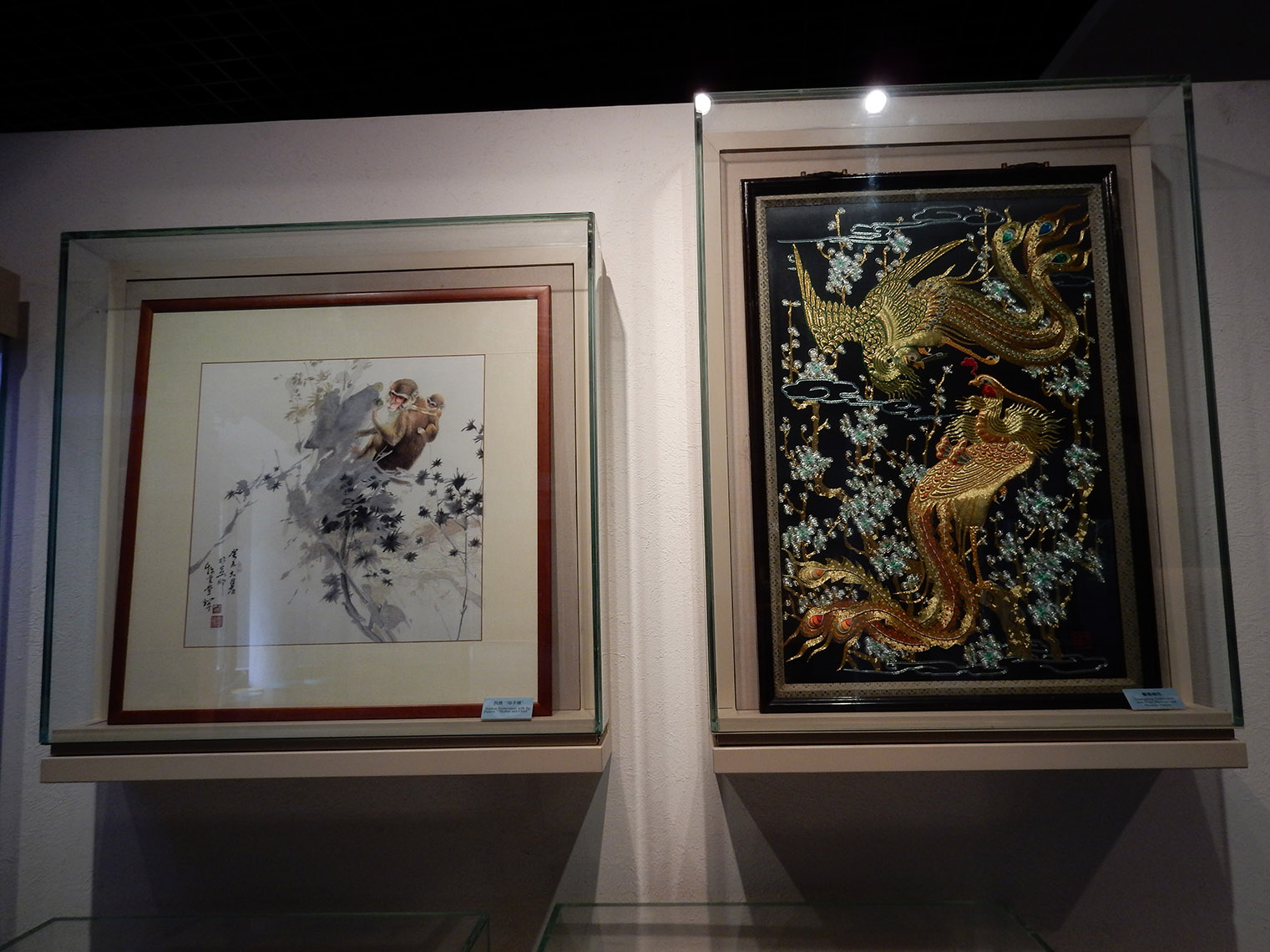
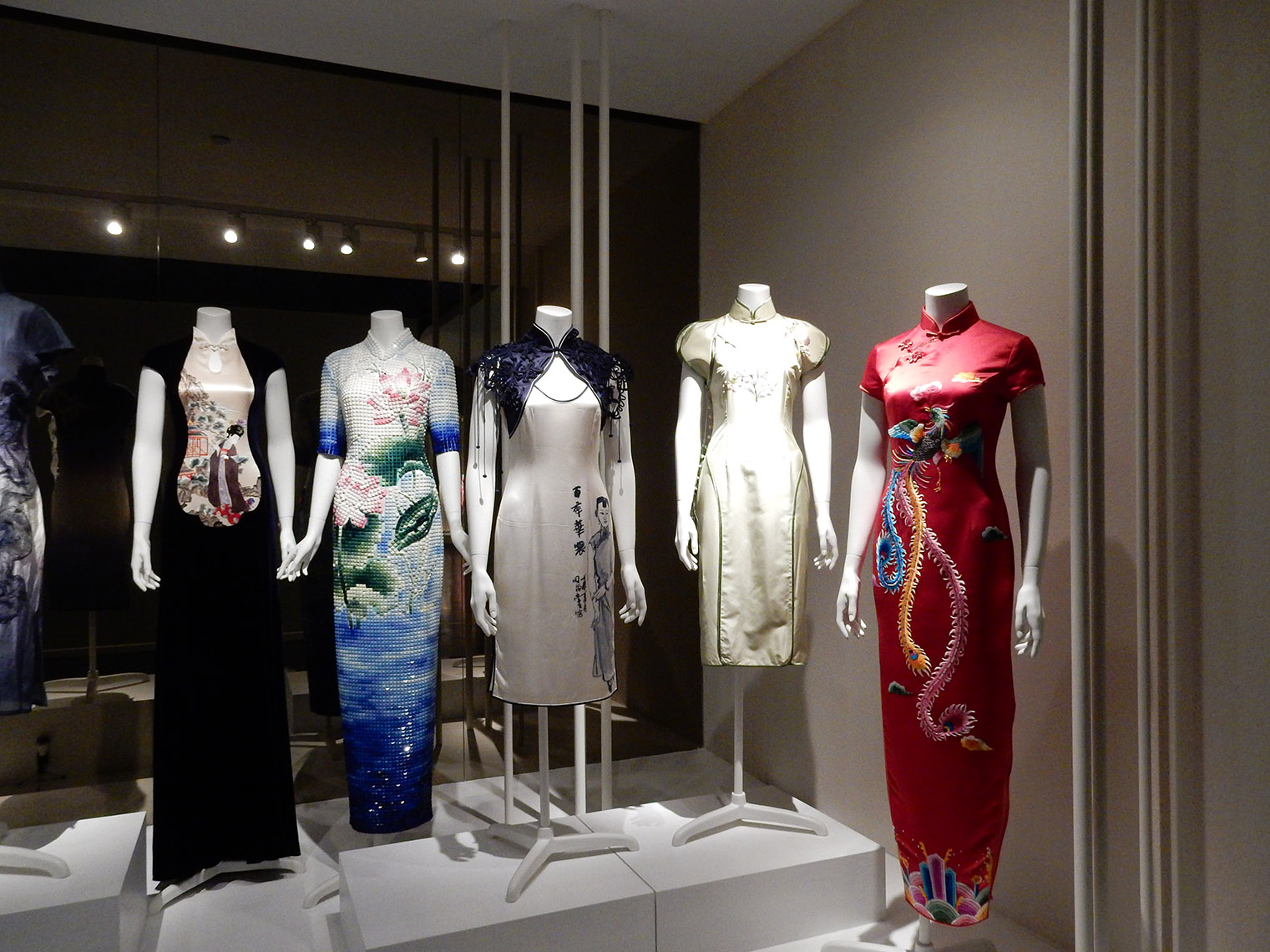
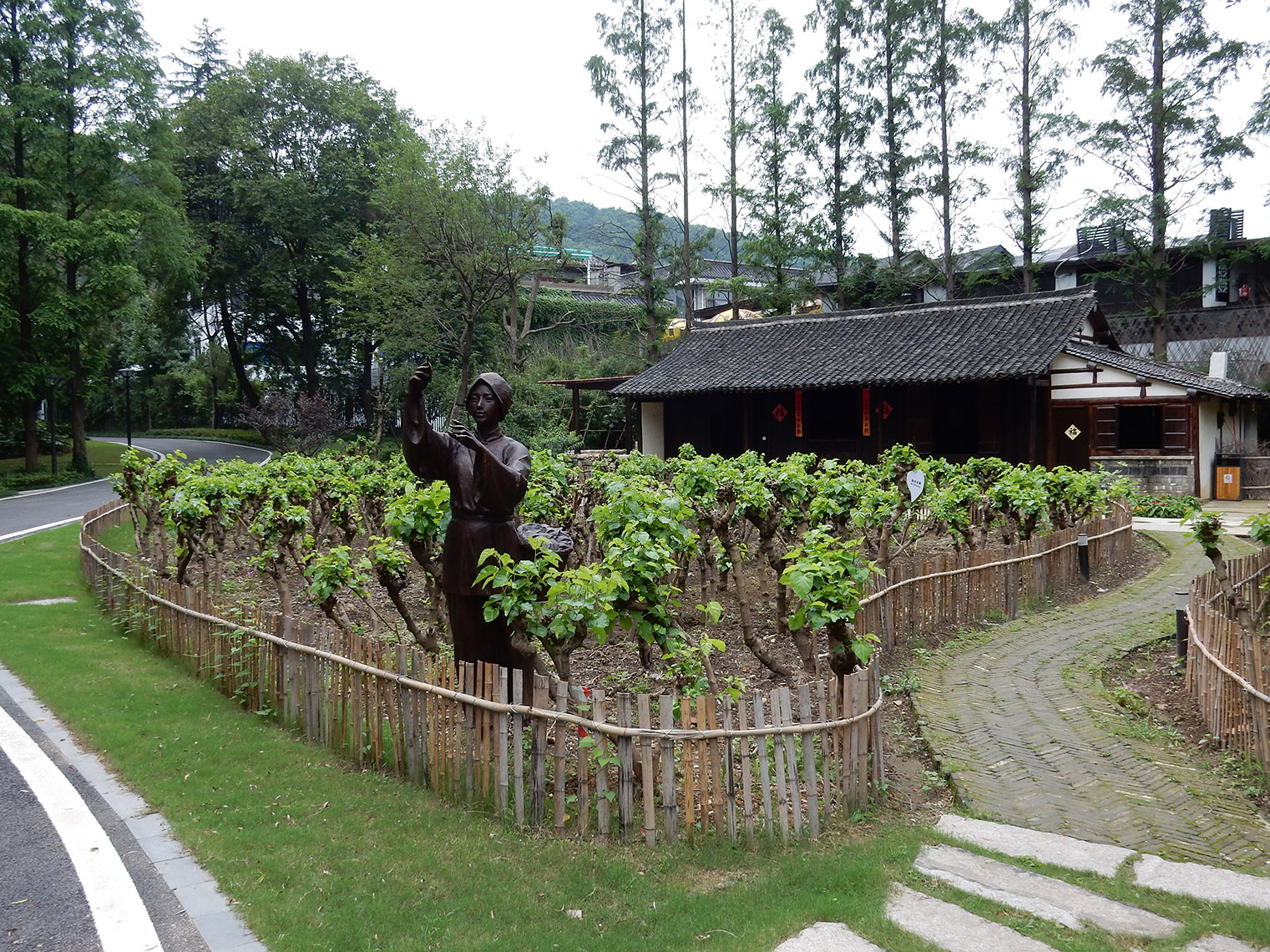
The park ended just before I reached the Chinese Silk Museum. It's a large modern complex which can best be described as "everything you ever wanted to know about silk and then much, much, much more". The first building combines an exhaustive history of the creation and use of silk (including weaves, cuts, patterns, fashion trends, etc.) with an equally detailed history of the Silk Road and its influence on Chinese silk production. Everything had English translations and there were lots of samples, from ancient silk garments found in tombs, to those worn during China's most famous dynasties, up until modern times. Honestly, I eventually went into a sort of information overload and resorted to just skimming a lot of the signs since there was so much to take in. There was another building dedicated to silk worms and how silk thread is actually made from their cocoons, another featuring a huge collection of looms, and one on dying and silk art. Next up was the silk shop and cafe and then, finally, a temporary exhibition (silk use among a certain ancient people group), and the final exhibit hall, which was dedicated to more modern fashion (silk and otherwise). As I was leaving, I also noticed this reproduction of an ancient silk making shed (those are mulberry trees outside, since silkworms feed on their leaves). It was an interesting and well done museum though I left feeling like I now know way more about silk than I ever wanted to.
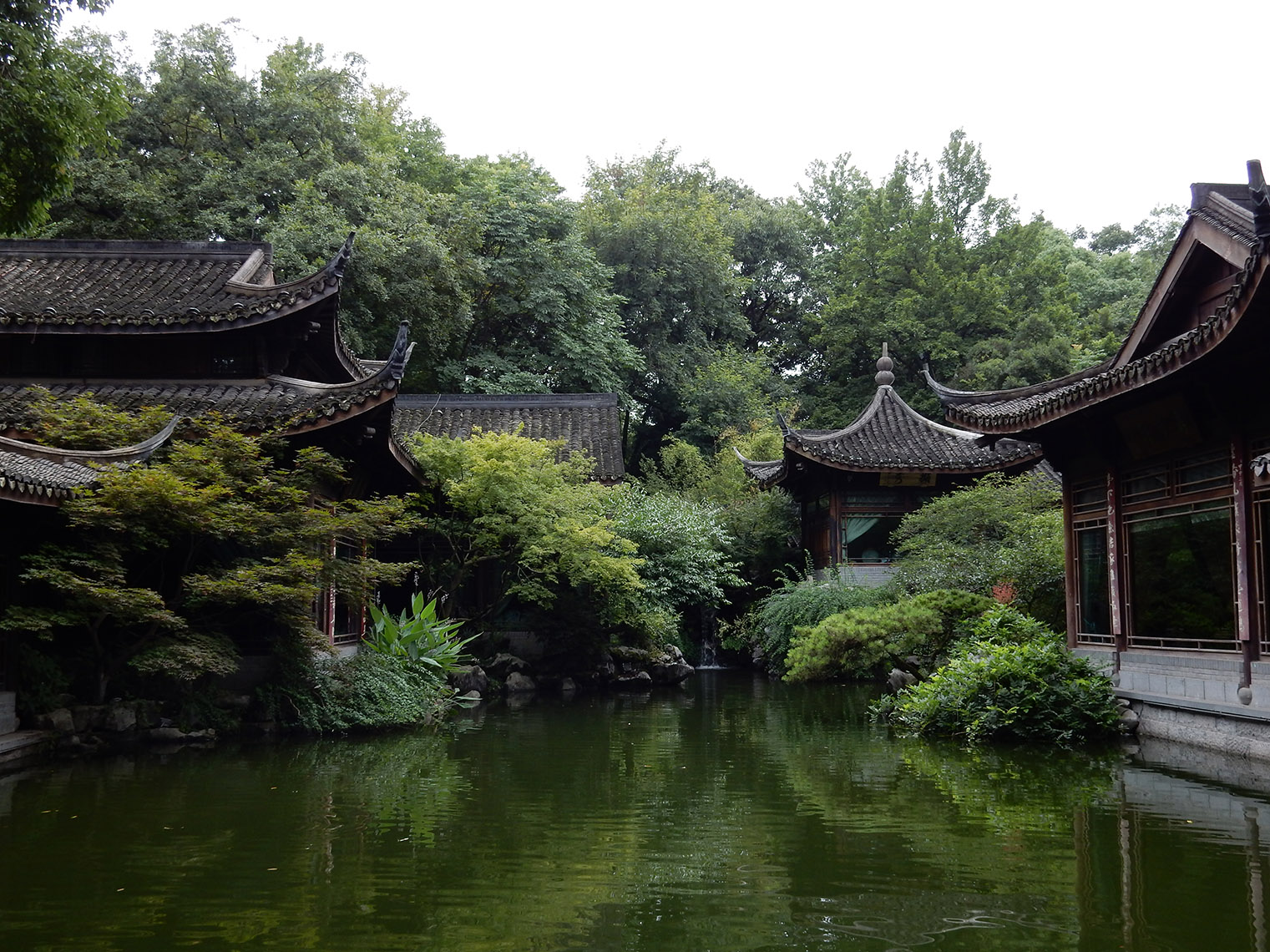
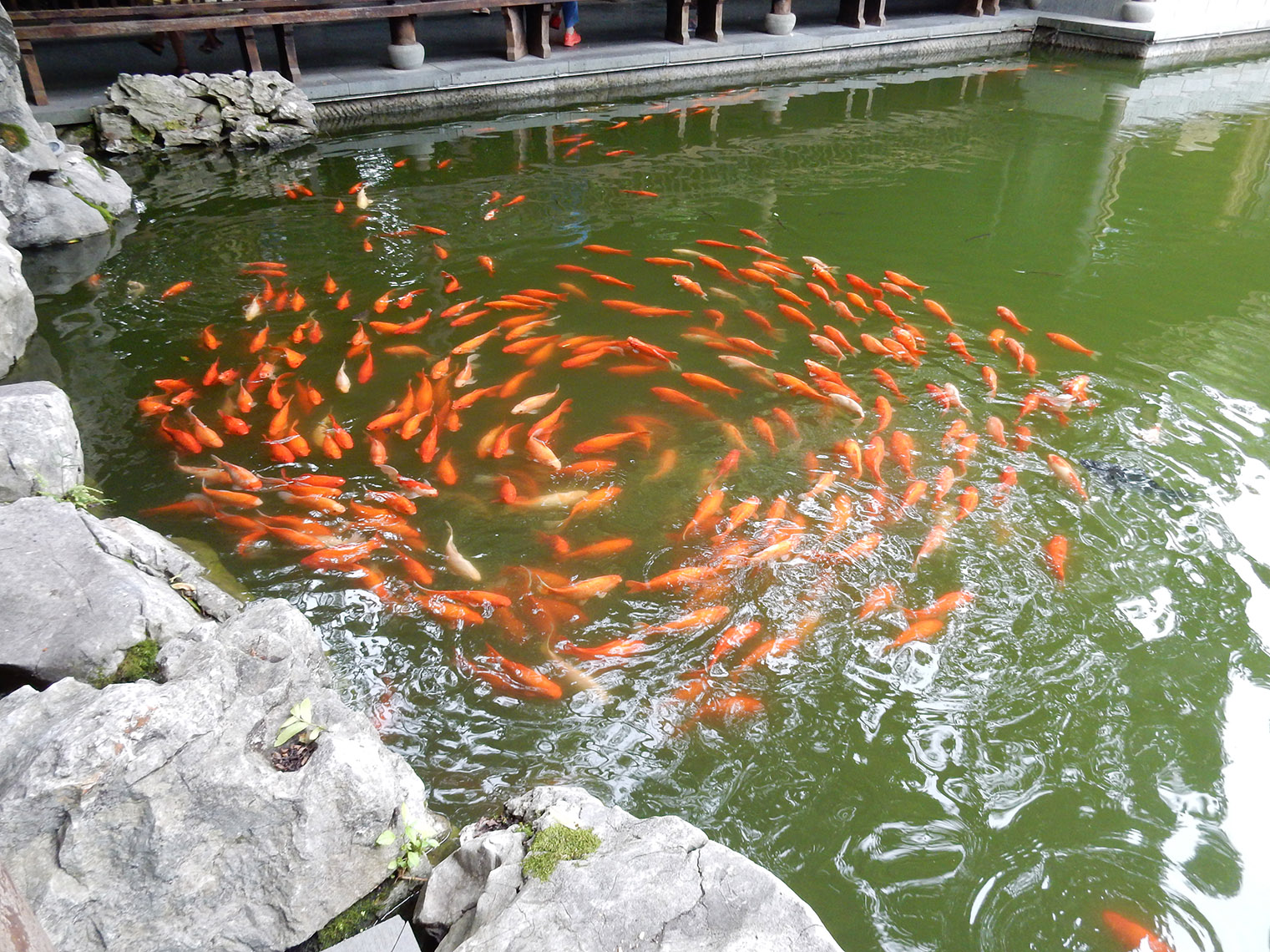
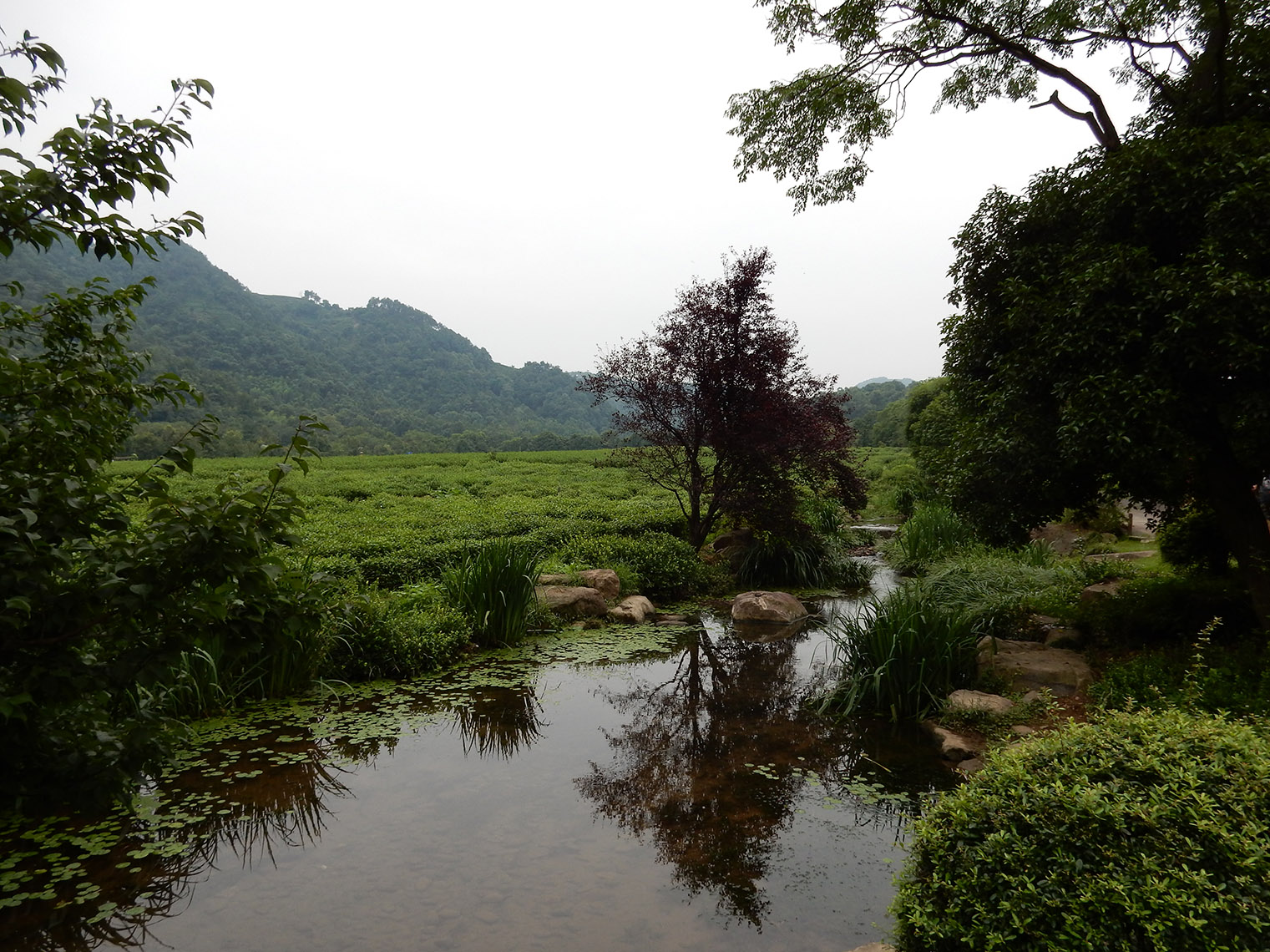
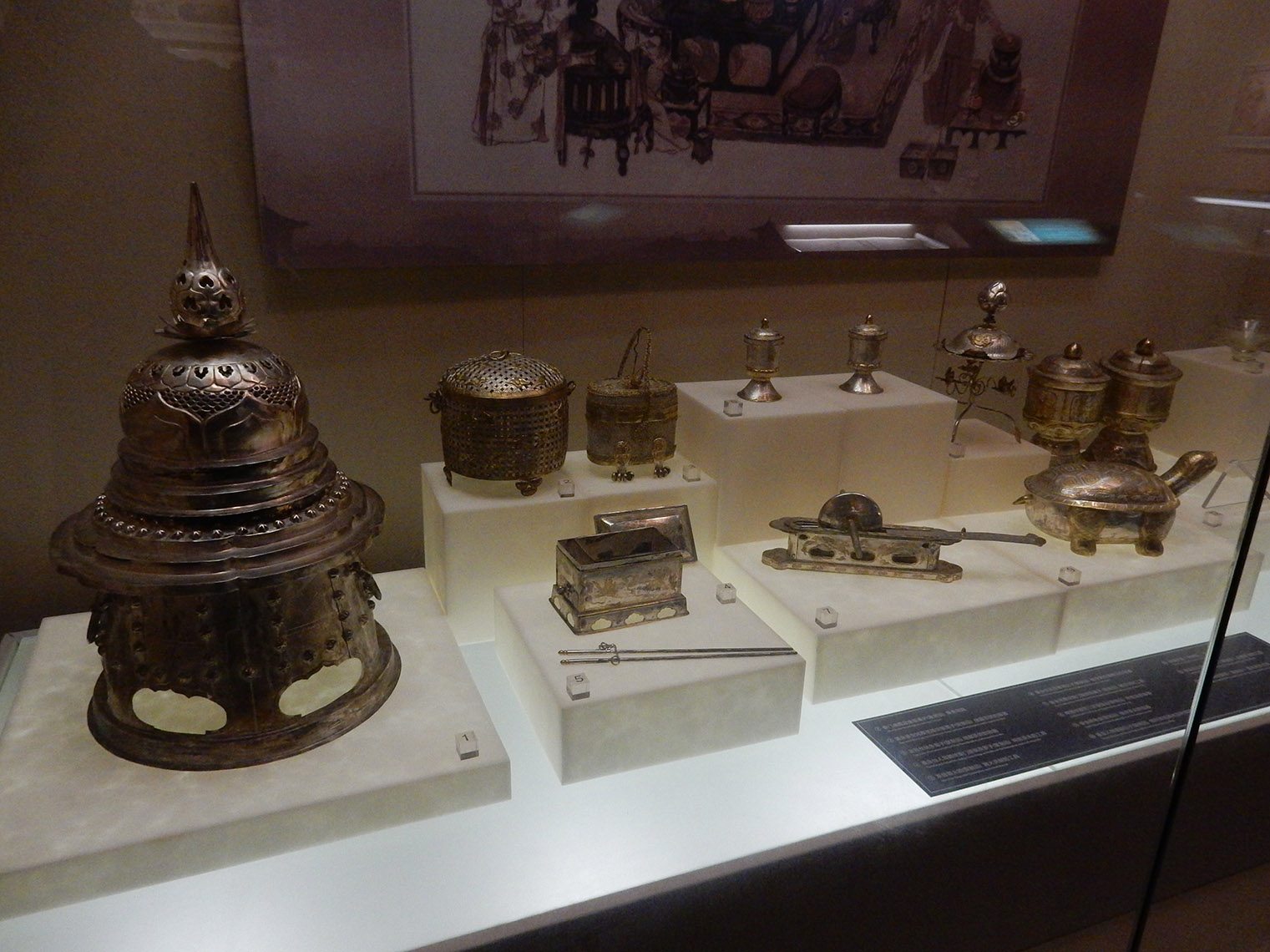
From there, I made my way back to West Lake and began going clockwise along the west side, following the route Connie and I had bypassed last time by taking the more popular causeway. There were a lot of little islands and streams breaking up the shore and before long I reached an area known as Viewing Fish at Flower Pond (here are the fish). A little further on, and I once again began following a road away from the lake. After a little walking, the scenery changed considerably, giving way to fields and fields of Hangzhou's most famous product, tea. Which, of course, made it a great location for the China National Tea Museum. Like the Silk Museum, it too contained excellent English translations. The tea museum opted for a somewhat less exhaustive exhibit, though it did cover the basic history of tea and its role in Chinese life and culture, the development of tea utensils, how tea is processed, and the like. There was also some basic information about how tea is rated and all the different kinds of mainstream tea (not counting tea mixed with fruit and stuff like that). They also had some particularly large and fancy tea cakes on display. If you're not familiar with the term, a tea cake is an old Chinese way of storing tea which involves packing the leaves into a mortar like substance which is then formed into various shapes. Later, pieces can be broken off and put in hot water to create the tea. Tea cakes were once the main way to store and brew tea in ancient China, but later fell out of fashion in most regions. Outside of its main building, the tea museum complex housed more tea fields and several tea houses. I found the shop in the main building underwhelming, but it turned out there was a separate building with free tea sampling and a much better shop for tea and all necessary brewing and serving accessories. I tried a few teas (the lady in the shop spoke decent English and was able to describe them all) and ended up getting a couple. They were a little on the expensive side, at least compared to what you normally see in stores in the US, but very good quality and the ones I picked are rather hard to find back home anyway. According to my tour book, there's a more freeform tea market further down the road from the museum, but it requires a lot of tea knowledge and bargaining (and presumably some Chinese reading and/or speaking ability) to get good deals, so the museum is an easier place to shop.
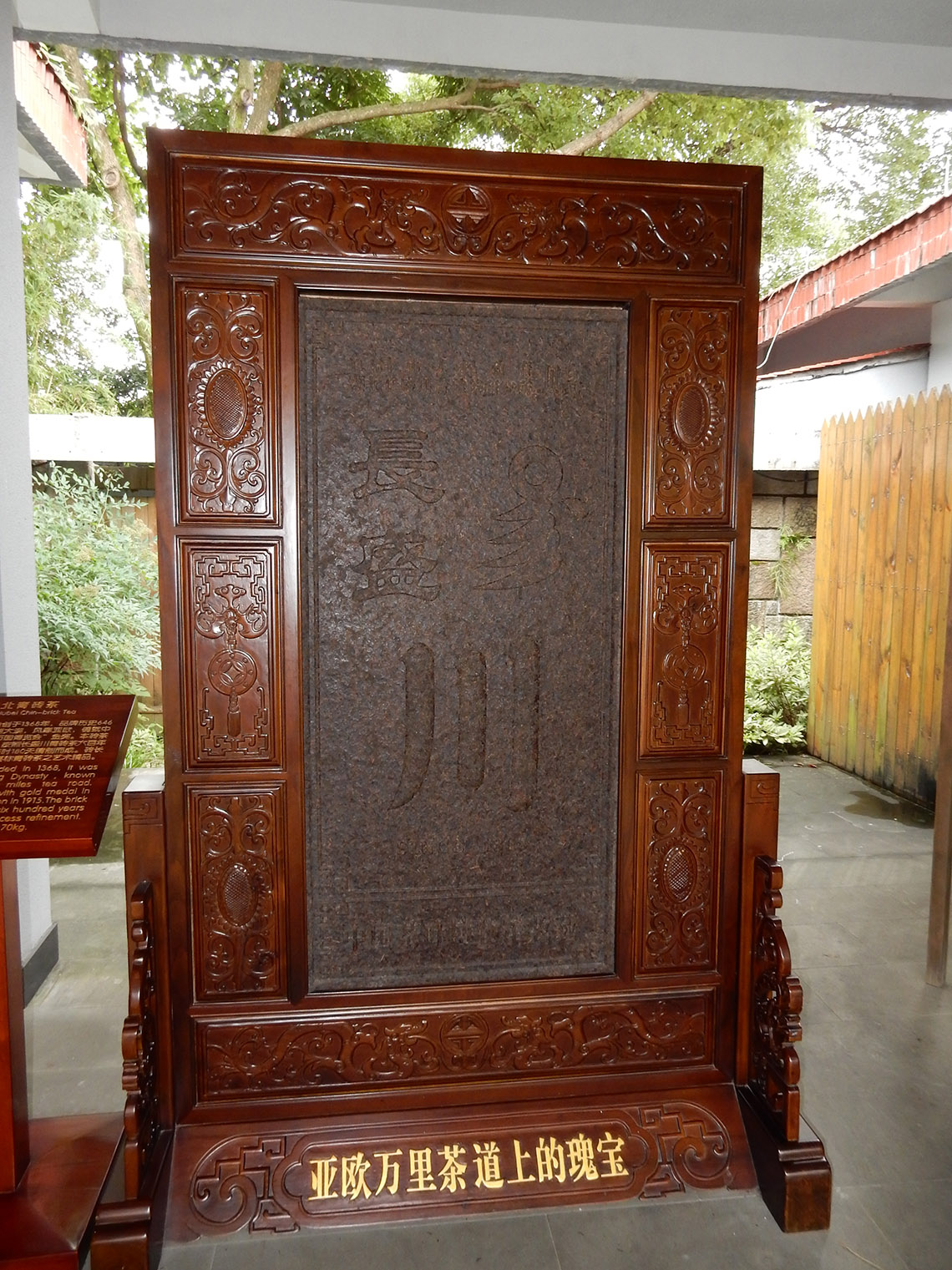
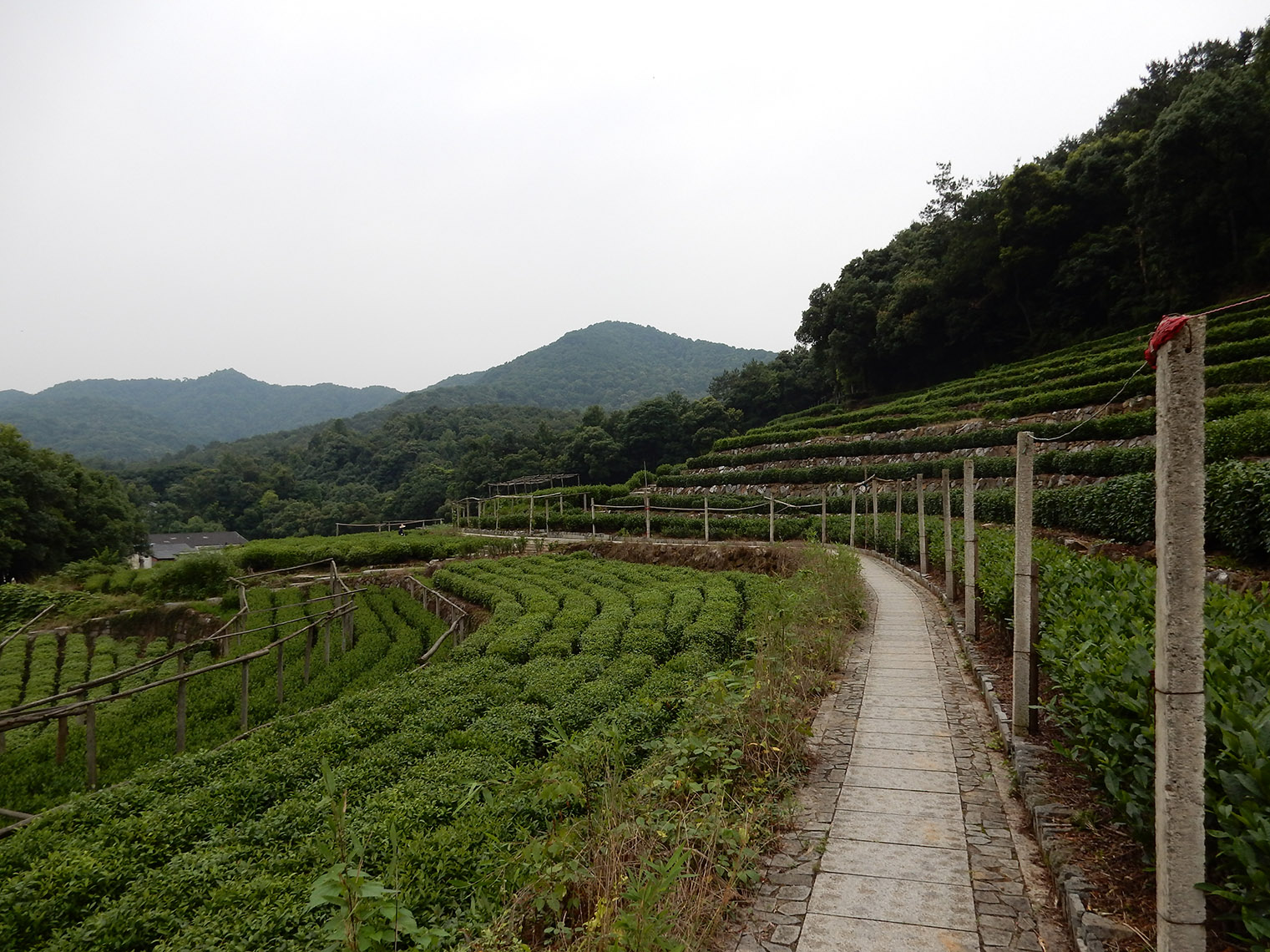
After I'd had my fill of tea, I once again made my way back to West Lake, continuing to follow the shore to the north. At this point, I was actually really hungry. I was still feeling a touch off in the morning so I'd only eaten some very simple bread and I'd pretty much skipped lunch entirely due to not feeling hungry and not being near a good restaurant anyway. Looking at the map, I determined that I could get to my chosen dinner spot within an hour so I decided to forgo any more sightseeing and head there. Of course, I was still walking on the shore of West Lake, so it's not like I was just ignoring the scenery or anything.
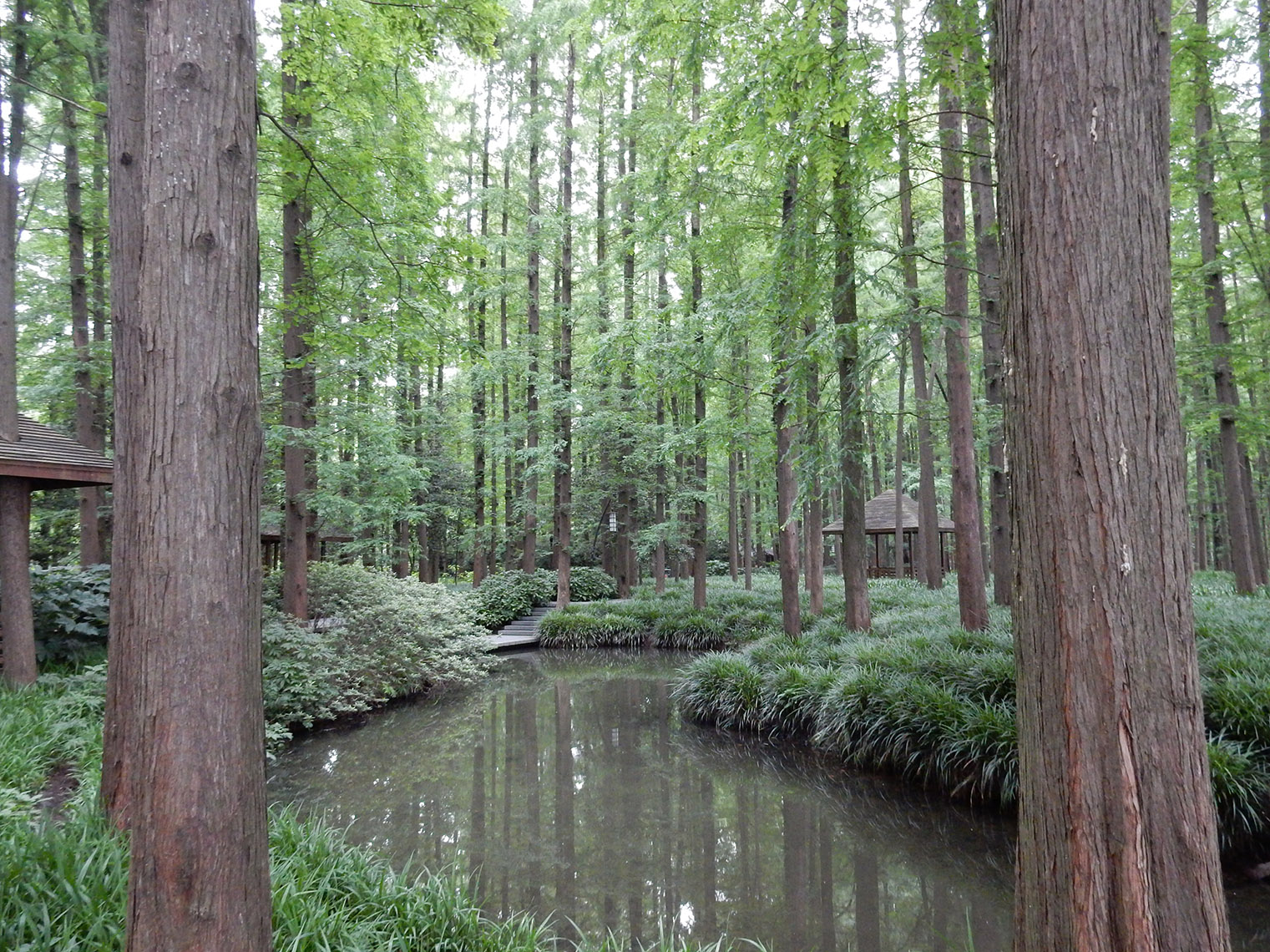
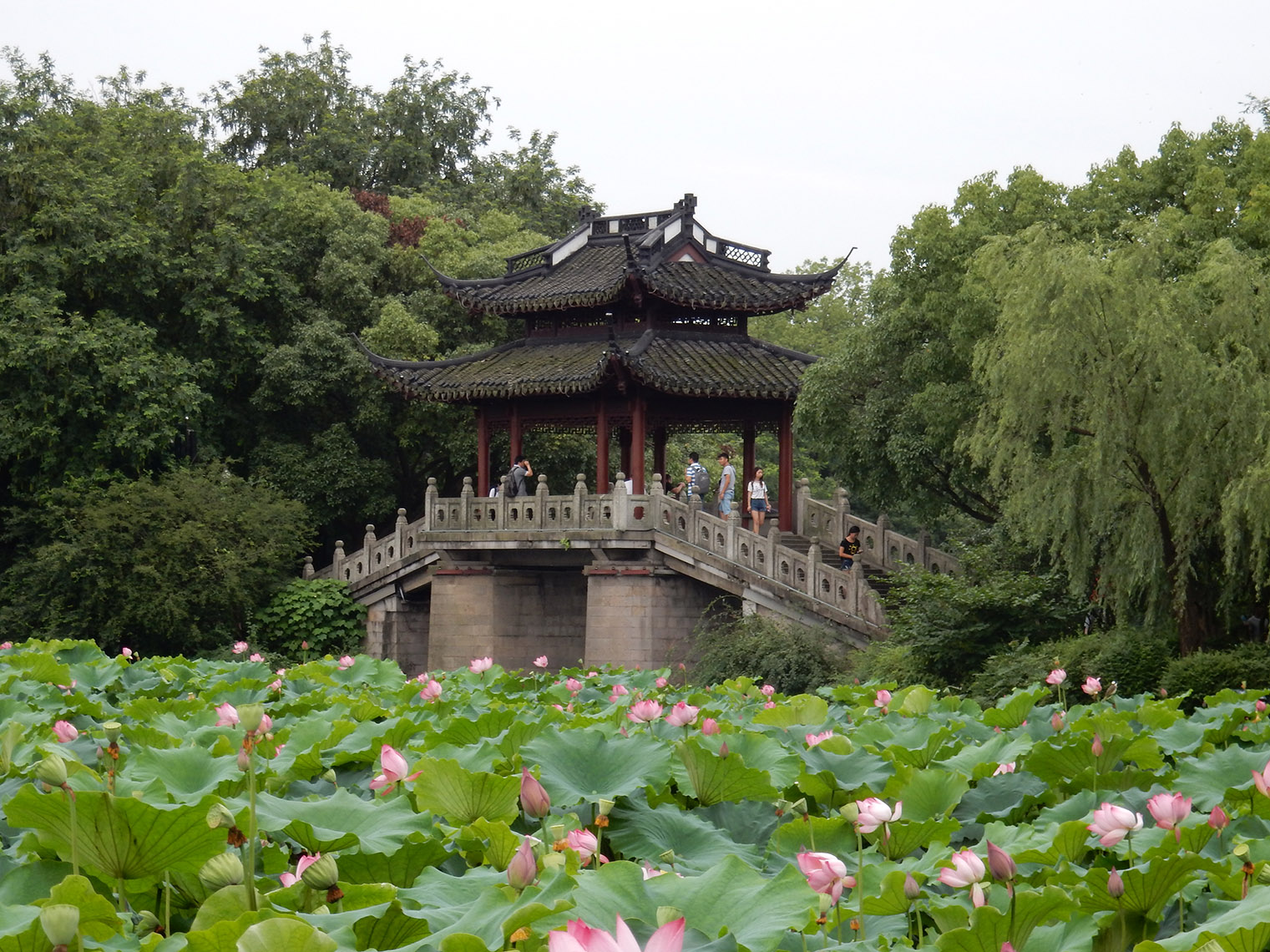
Right on schedule, I found myself back where I'd started on Solitary Hill Island. Specifically, at Louwailou, a former fish shack turned fancy restaurant that's been around for over 100 years and become one of Hangzhou's most famous places to eat. Fortunately, I arrived just before the dinner rush and had no trouble getting a seat. Connie and I had eaten there last time but there was a dish I'd wanted to try but didn't. While fish is naturally one of Louwailou's specialties, the other is beggar's chicken, which involves stuffing a chicken (with beef and mushrooms, in this case), wrapping it in a lotus leaf, then covering it in clay (though many modern restaurants skip that step or use a substitute) and roasting it. It originated in the Hangzhou area (supposedly due to a beggar hiding a stolen chicken in the mud before cooking it) and since became a legendary dish throughout the country. So how does it taste? Pretty good. The whole process traps the juices inside and leaves the chicken moist and soft. Though I'll note that the bottom half (where all the stuffing a juice collected) was considerably more flavorful than the top.
That would have been a good time to end the day but I wasn't done quite yet. A little before reaching Solitary Hill Island, I'd passed the entrance for Enduring Memories of Hangzhou (aka Impressions of West Lake), a show I'd been seeing a lot of signs for. I did some research online while eating, and it got good reviews, so I decided to see if I could get a ticket. The sites I saw online recommended booking at least a day in advance. I, however, managed to buy a ticket about an hour before show time. That said, the stands were mostly full and it was a weekday that didn't fall during vacation or holiday season. On a side note, these types of shows have become very popular across China recently. Connie and I saw two at various theme parks (in Hangzhou and Lijiang) and I've seen ads for several in other cities. What set this particular show apart is that it takes place on West Lake itself. There's a series of nearly invisible walkways that make it look like the performers are dancing on the water, combined with beautiful live music (mostly traditional Chinese, but with Swan Lake and Ode to Joy thrown in for good measure), and excellent use of lights and projectors. Unfortunately, photos and videos weren't allowed (though I seemed to be the only person in the audience actually following the rules), but you can get a preview on the ticket web site. Luckily (and/or thanks to the clerk in the ticket office), I had a really good seat right in the front row. All in all, it was a great show and I'm glad I went.
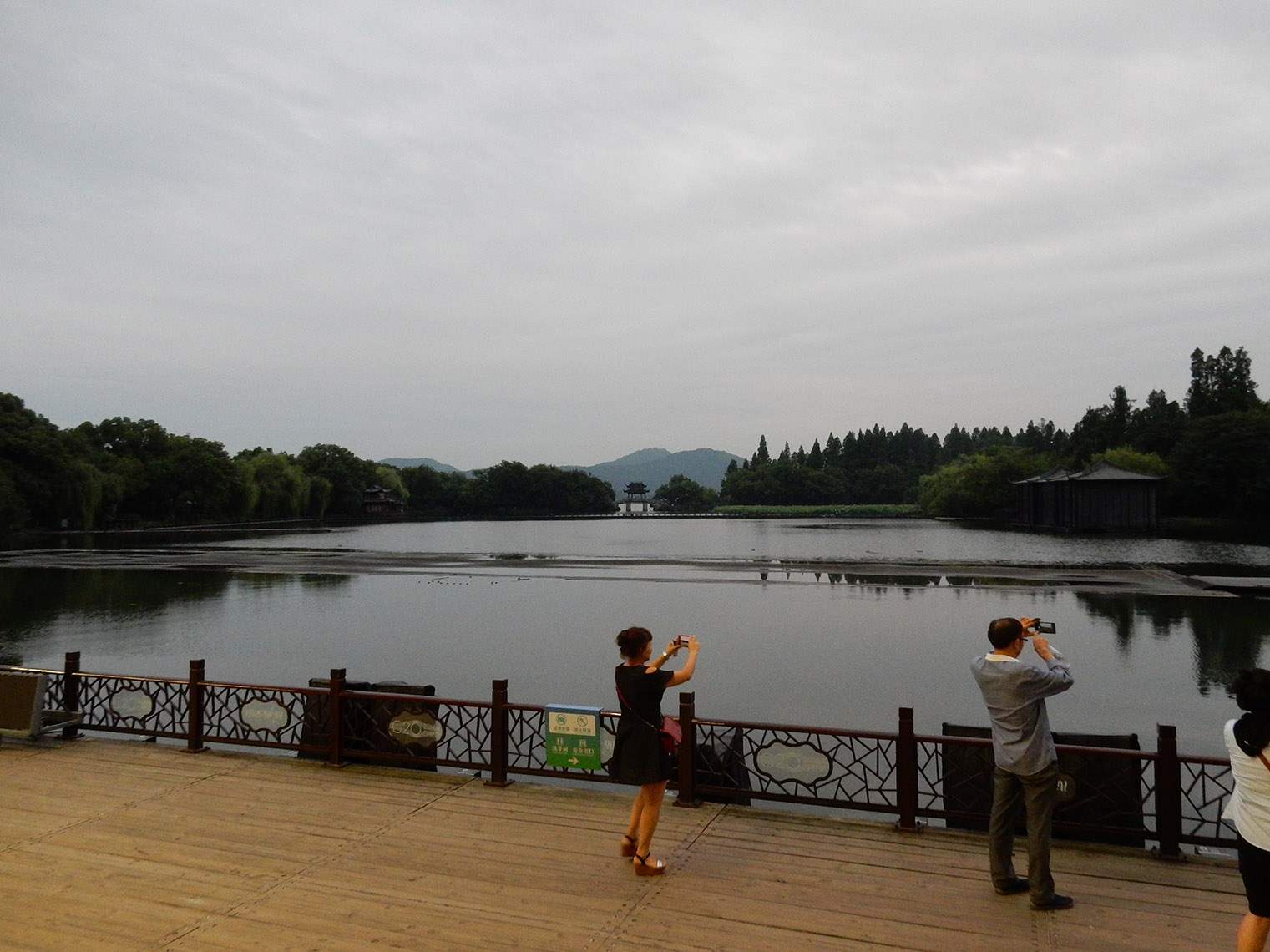
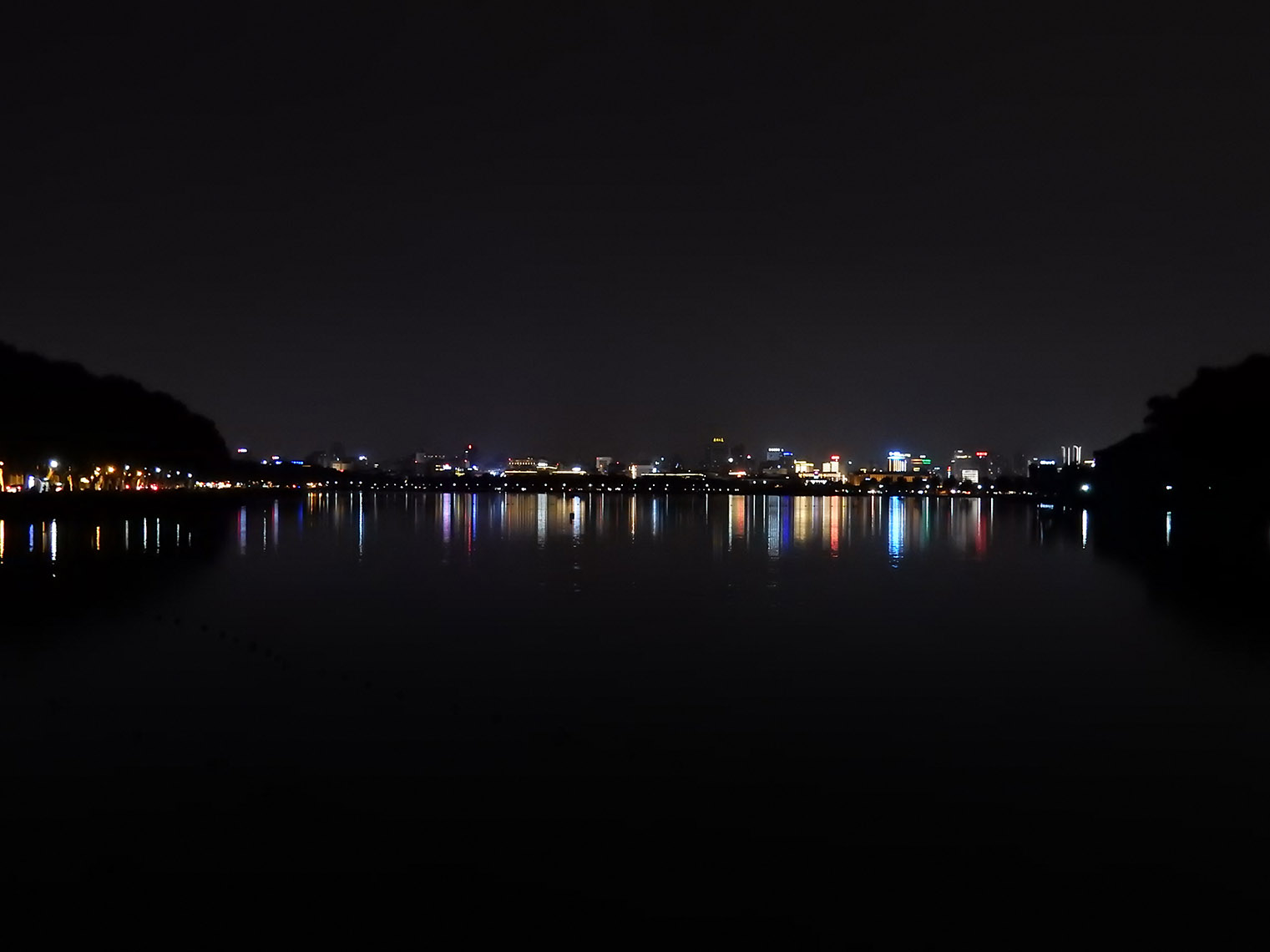
By the time the show got out, it was nearly 9 PM and I still had a thirty minute or so walk back to the area with my hotel. Despite the late hour, the area around the lake with still busy, with many people enjoying a nighttime stroll or lounging in the restaurants and tea houses, making for a pleasant walk back to finish up the day.
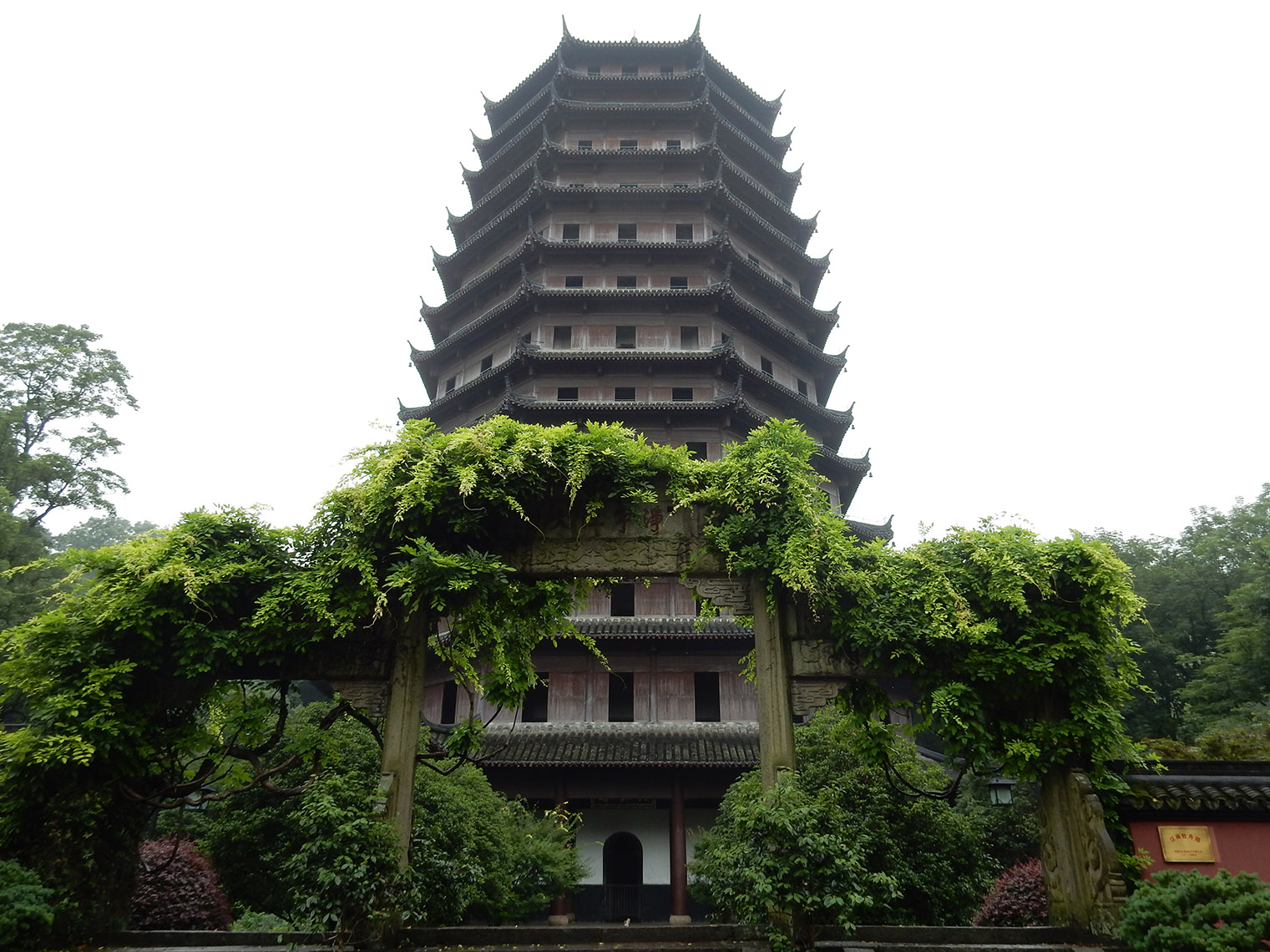
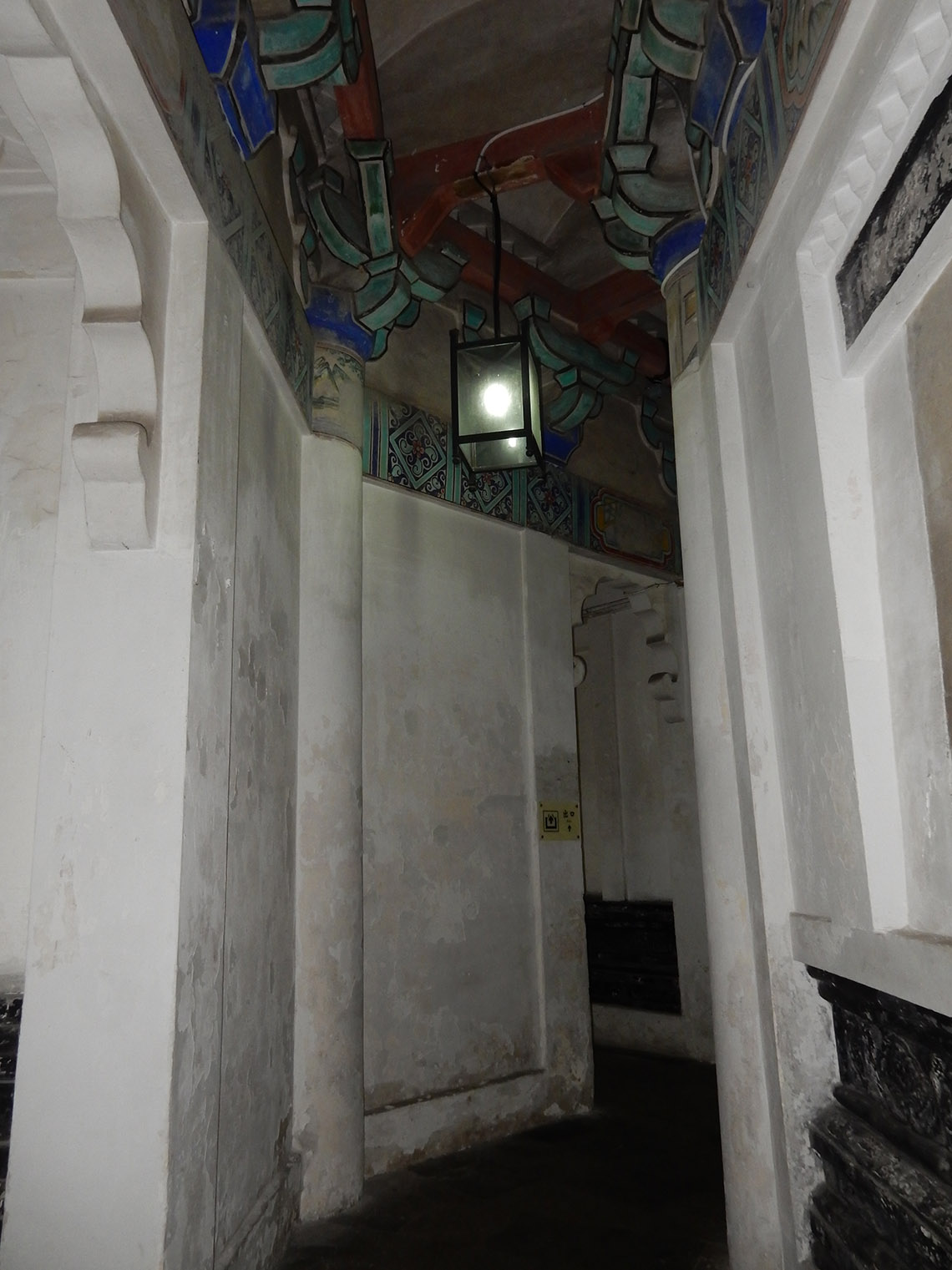
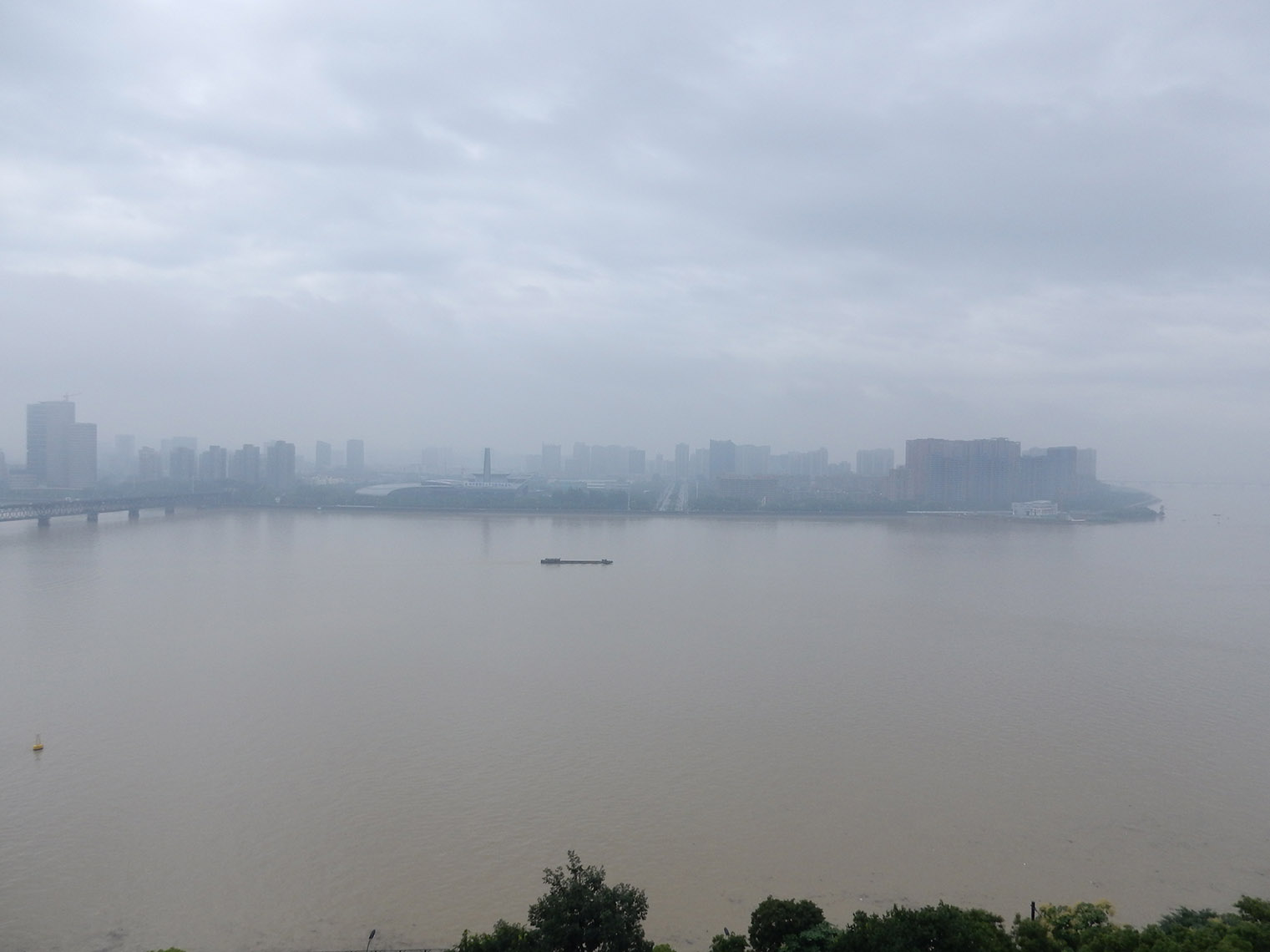
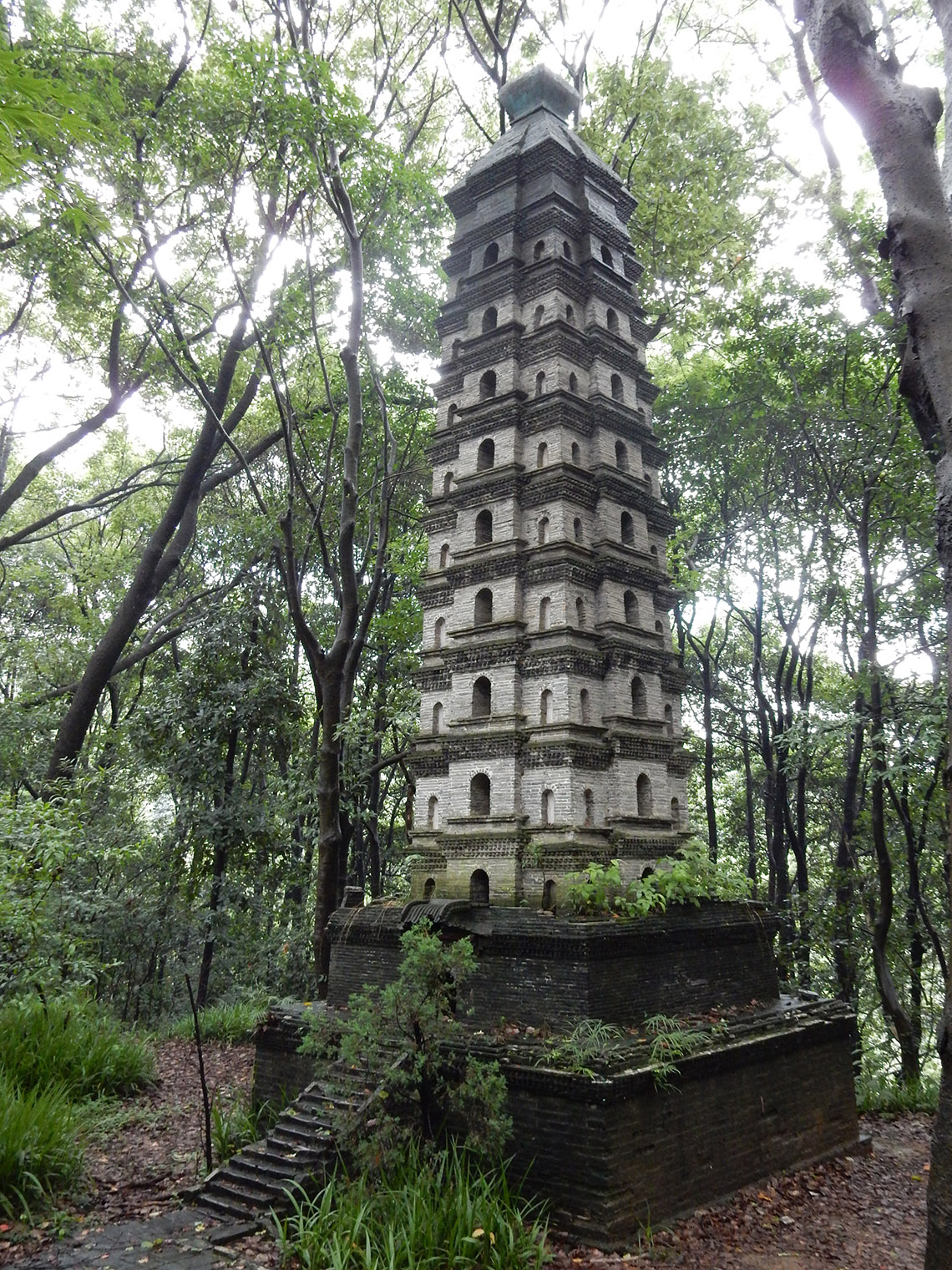
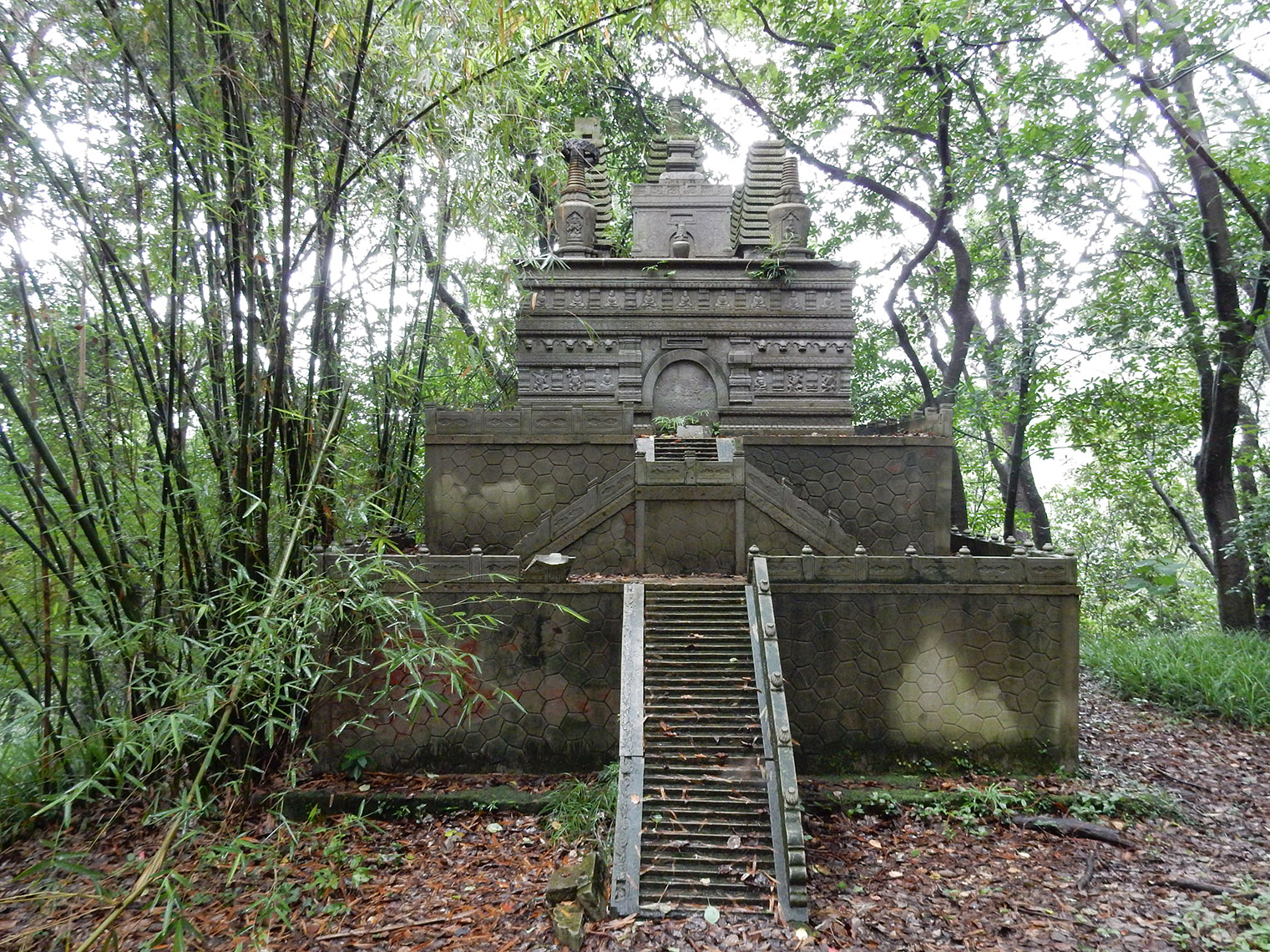
Things went smoothly, and soon I was on my way to Liuhe Pagoda, which is about an hour's walk from the south end of West Lake, near the river. While not as famous as Leifeng Pagoda, which is actually on the shore of West Lake, Liuhe is a lot older. It's undergone some renovations, and the entirety of the wood work had to be replaced once after a fire, but the main structure has been there for around 1,000 years. Unfortunately, it clearly shows. Like all the older Chinese pagodas I've been in (as opposed to modern reconstructions like Leifeng), they really haven't done anything to restore or maintain the interior, which is kind of sad. While the interior wasn't much to look at, climbing to the top gave me a view (albeit a very foggy one) of the southern part of Hangzhou, which is across a large river. Behind the pagoda are a couple small structures, some statues, and a big bell (which you can pay to ring). There's also a pathway leading into the woods with marks the start of the Liuhe Pagoda Garden. There's not really a garden, just some paths through the forest, but the entire area is dotted with scale recreations of various pagodas from across China (some of which, I believe, no longer exist). I think my guide book said that there's around one hundred of them. I didn't see half that many, but a number were hidden a bit off the beaten path and, thanks to the weather, the mosquitos were out in force so I rushed through somewhat.
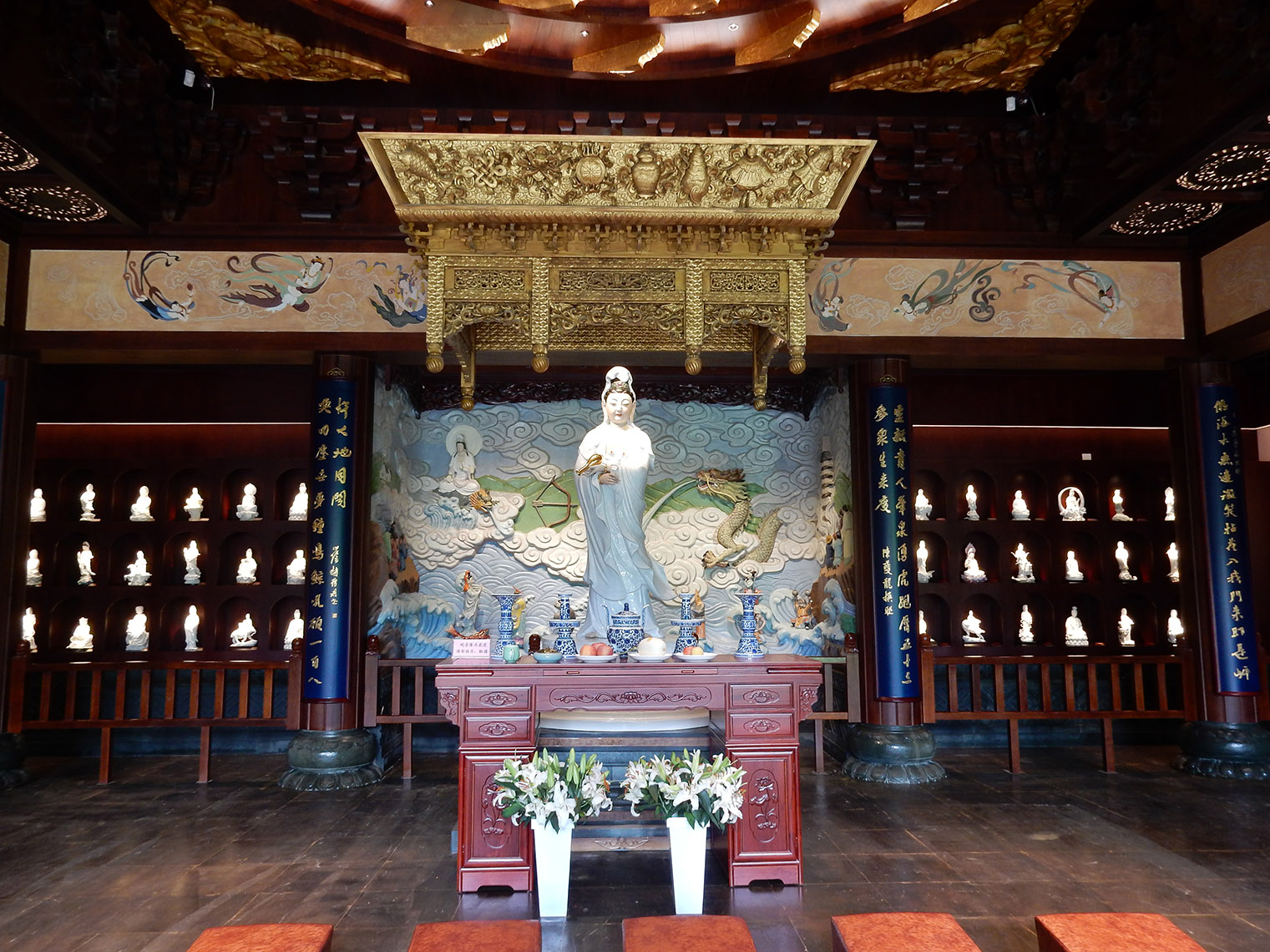
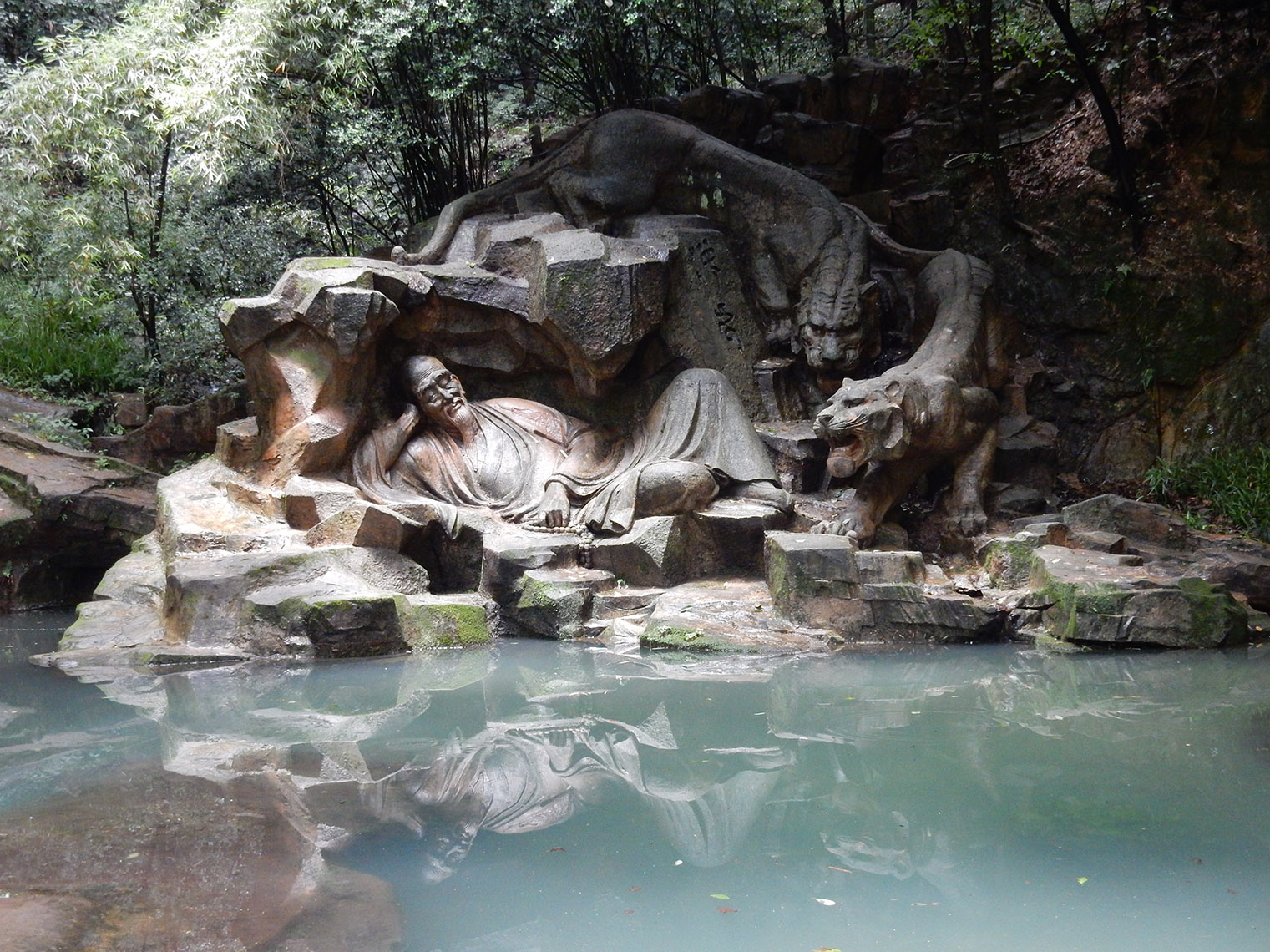
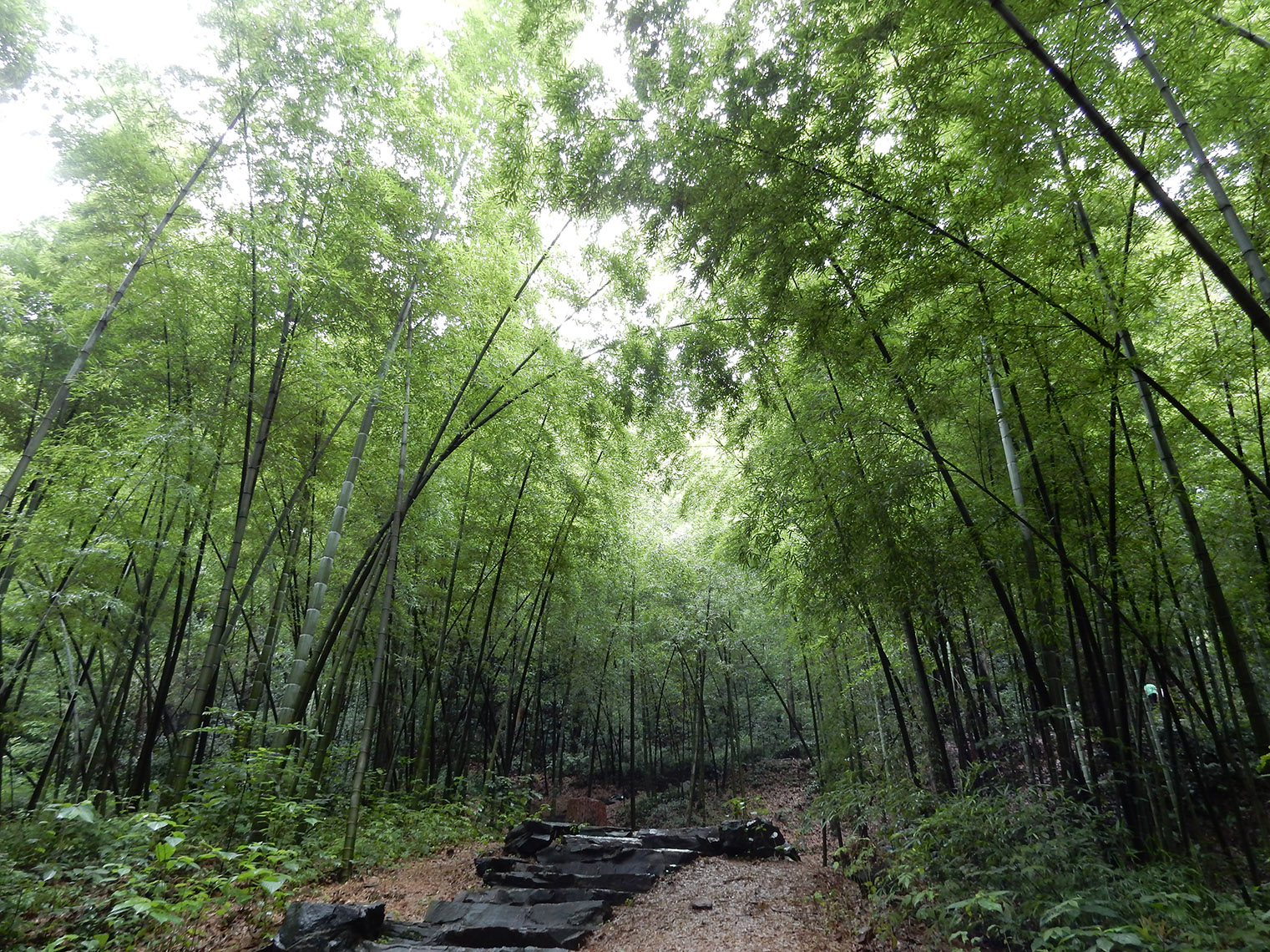
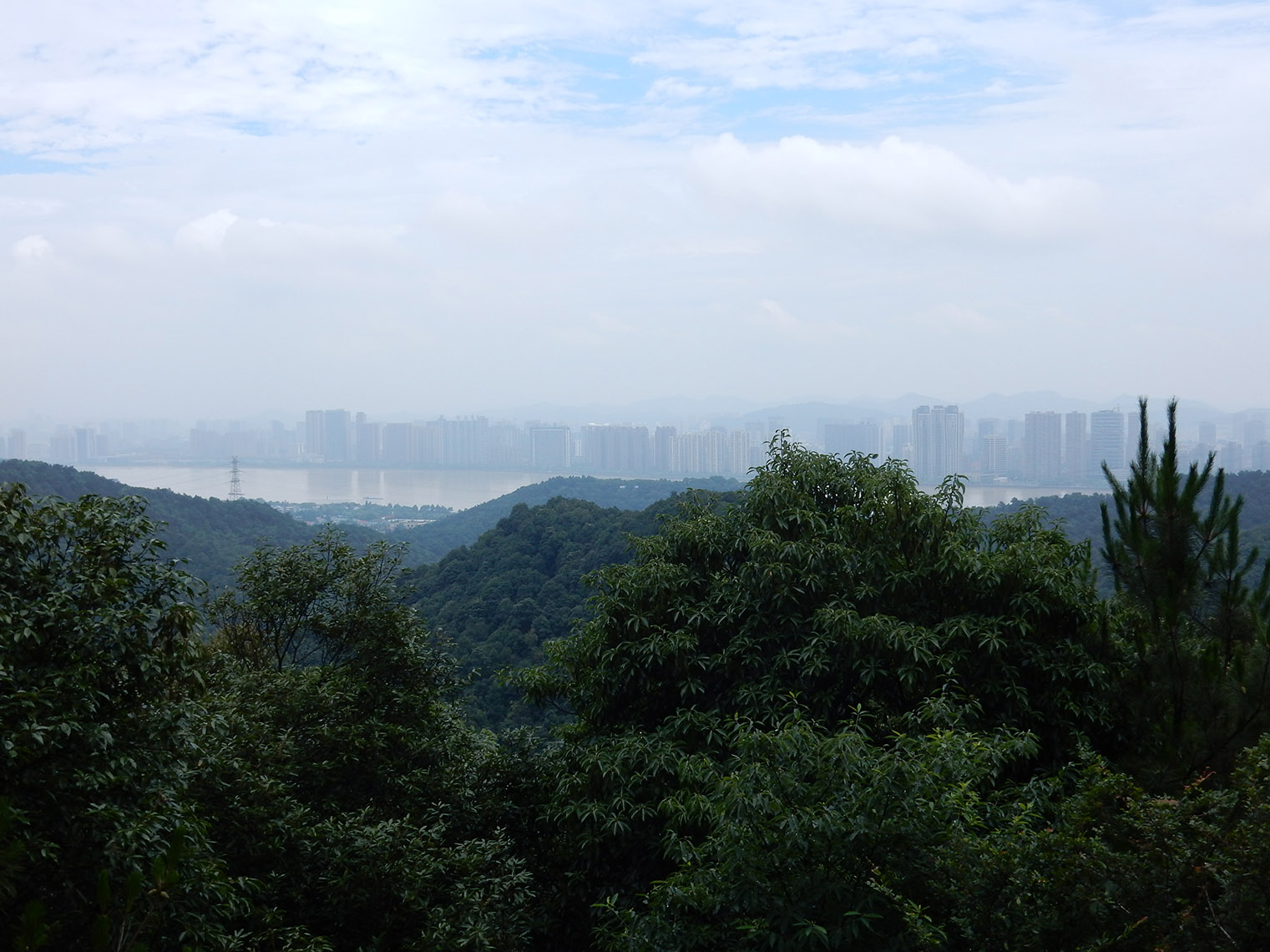
Leaving Liuhe, I walked about 20 minutes back towards West Lake to Dreaming of Tiger Spring (near Hangzhou Zoo, which I skipped). Naturally, there's a story behind the name. Long ago there was a monk who came to live in the area but, due to the lack of a good water source, was planning to move on. However, one night he dreamed of two tigers tearing up the ground to create a spring. The next morning, there was a spring of clean water nearby. Said spring has remained clean and constant throughout the centuries and was even ranked as China's third best spring long ago by one of the emperors (I can't remember which). As such, it became famous, with people coming from far and wide to collect the water. I wasn't really sure what to expect (other than a spring), but I'm glad I went since it turned out to be an incredibly scenic area. The entrance opens up to a path following a very picturesque (and very clear) steam. There are a few statues, and a spot where you can fill your bottle with the spring water if you'd like. I thought about it but, despite the reassurances, I couldn't really bring myself to trust spring water in modern China (remember, the tap water isn't safe to drink unless it's been boiled). Continuing on, I came to a temple complex. It was a pretty one with lots of plants and little garden displays and the main temple building featured one of the more unique interiors I've come across, with a very unorthodox Buddha statue and display (as a side note, that's not the "normal" Buddha, there's more than one in Buddhism (the most commonly known one is just the first) and some, like this one, are female). A bit further up, I found the the source of the spring and a path leading off into the forest. According to the signs, the trail actually goes through nearby hills and forests, passing some notable scenic spots, and eventually ends up back at Liuhe Pagoda. Though that route is much longer and more strenuous than the walk I took along the road. Could be nice on a day that's not so hot and damp. I followed it for a bit (which turned out to be all up hill on a very steep staircase), though I probably shouldn't have. At first, I went because it looked like there was something to see nearby, and later because I felt like I had already gone so far that it would be a shame to stop before I at least got a view or something. It was a lot of work to get up there, but I least I could say for sure that stairs weren't bothering me any more. After making my way back down, I continued exploring the area and came across a tea house, since the spring water and Hangzhou's tea have a long history together.
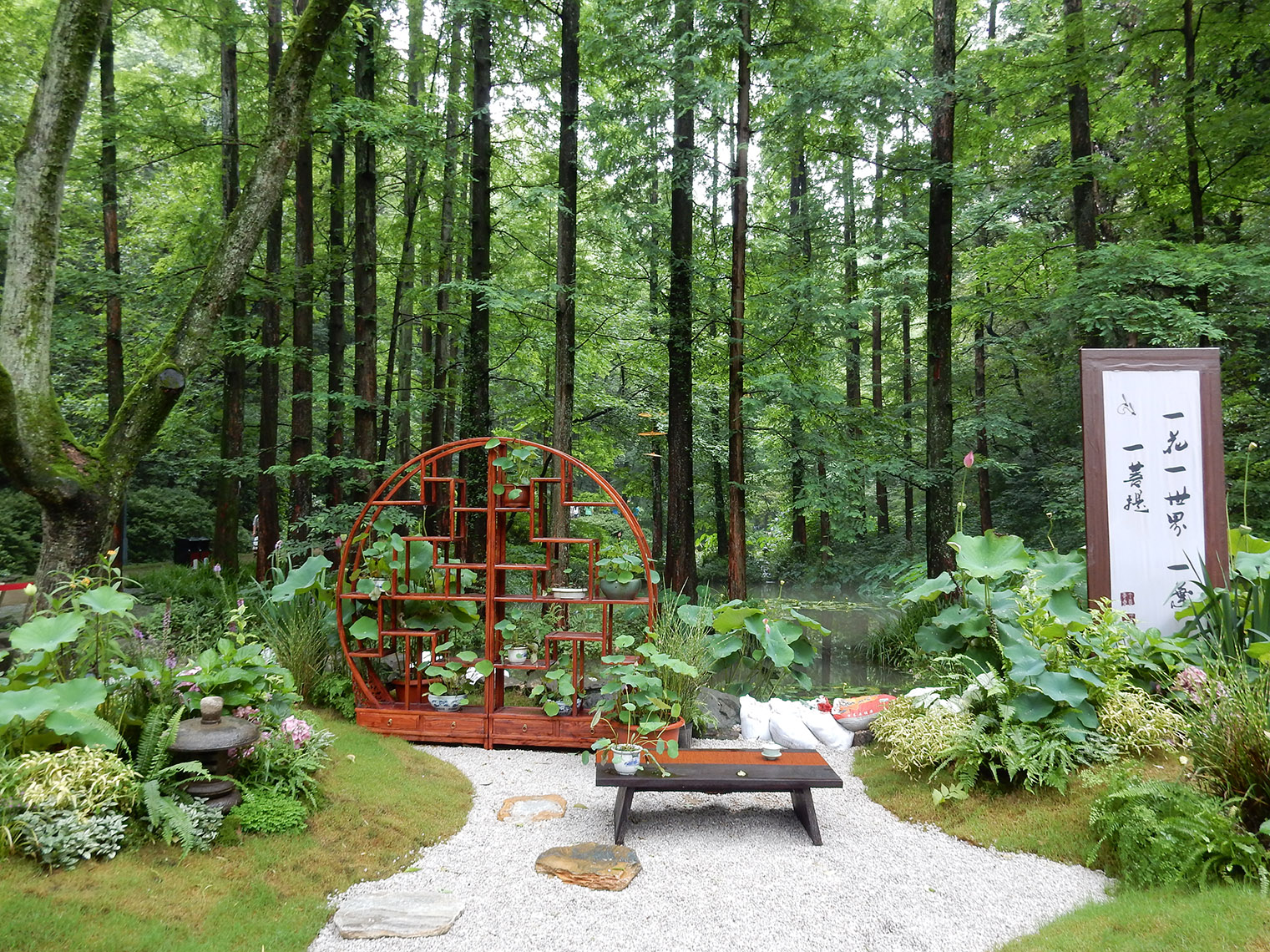
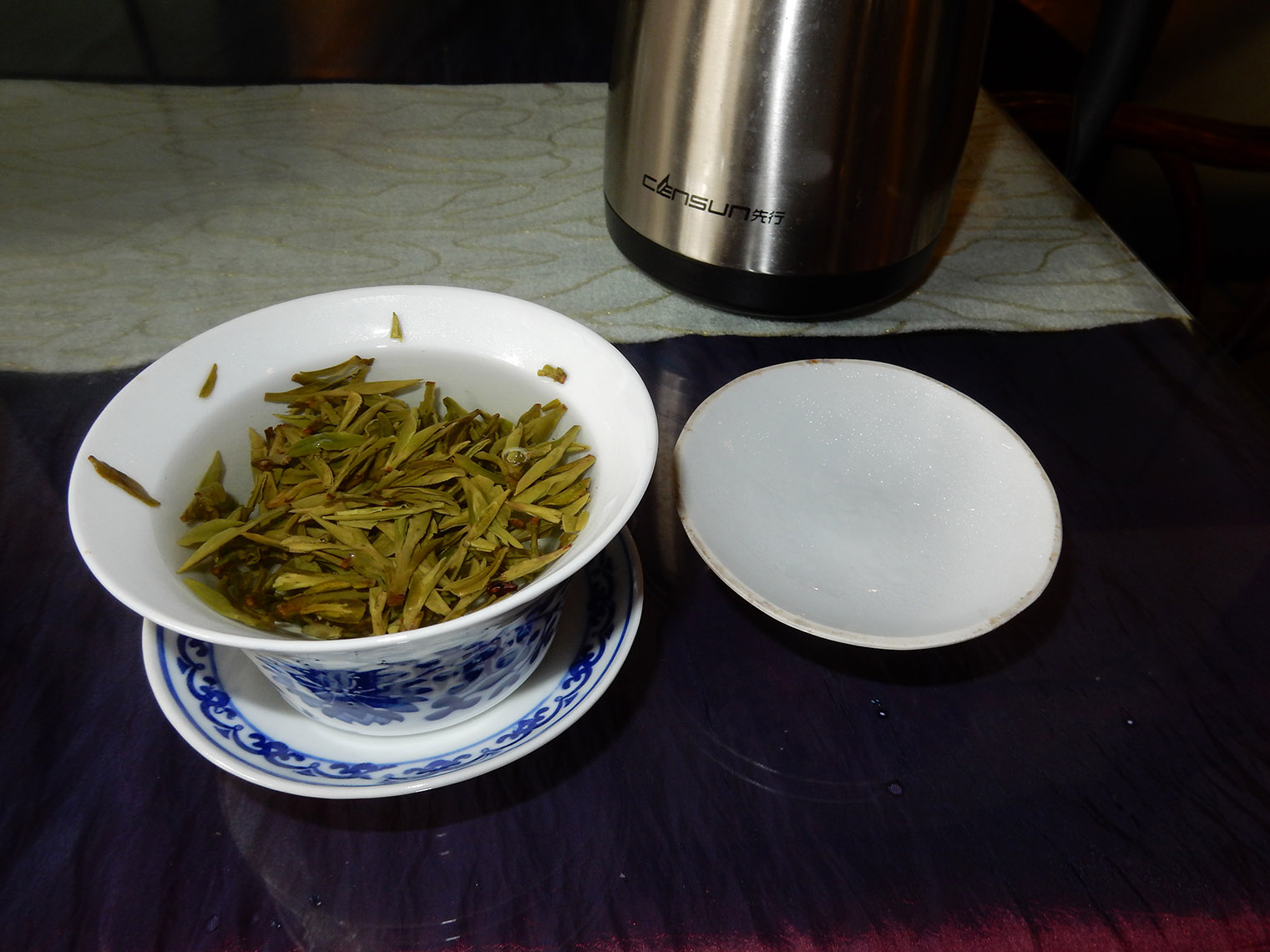
I wanted a break after all the climbing, and I still hadn't really been to a Hangzhou tea house (just a sampling at the museum), so I decided to give it a try. There were a few different kinds of tea, but I got the most famous local green tea, which was also the most expensive, of course. While some teas come in a pot, mine was just a cup of leaves and a separate kettle of hot water. And no, it's not just one cup, whole tea leaves can be used several times in a row (five to eight, depending on the type of tea) without losing much flavor and good green tea doesn't really get bitter even if you leave the leaves in for a while. If you're wondering how you're supposed to drink it without swallowing the leaves (though you technically can eat them if you want), the trick is to put the lid on the cup and leave just a tiny gap for the tea to come through when you drink while keeping the leaves trapped inside. If the cup is too hot to touch, you can just pick up the bowl underneath it instead. As a note, the tea house experience is supposed to be a relaxing one. You sit back, enjoy sipping your tea, and read, watch the scenery, or talk (if you're in a group). I spent a while relaxing before leaving Dreaming of Tiger Spring behind and catching another taxi.
My next stop was off to the west of the northwest side of West Lake and is probably the most popular Hangzhou attraction that's not on the lake itself. My tour book referred to it as the Temple of the Soul's Retreat, though the temple is just a part of a much larger area, with the Feilai Feng Grottoes actually being the main attraction. Anyway, I arrived to find an entire little shopping and dining plaza and big ticket window. It took me a few minutes to determine that the tickets were probably for where I wanted to go, due to a lack of English and the fact that the temple is just one part of the larger area, and not even what you buy a ticket for. But soon, ticket in hand, I joined the crowds and headed in. The path goes along side the Feilai Feng Grottoes, which are a large collection of Buddhist statues carved into niches in the rocks next to a stream. There's somewhere around 70 carvings, and a few are even inside a small cave. It's a very atmospheric spot, despite the crowds. And the mist brought on by the rain (which had started up again) and the mugginess only enhanced that. There were some trails leading up the side of the mountain up above the carvings. Unfortunately, the signs were all in Chinese but I decided to take a look and see what was there. As far as I could tell, not much. I did find a stone with the name of the area carved in it and colored red, which seemed to be a moderately popular photo spot, but in my opinion that didn't really justify the climb.
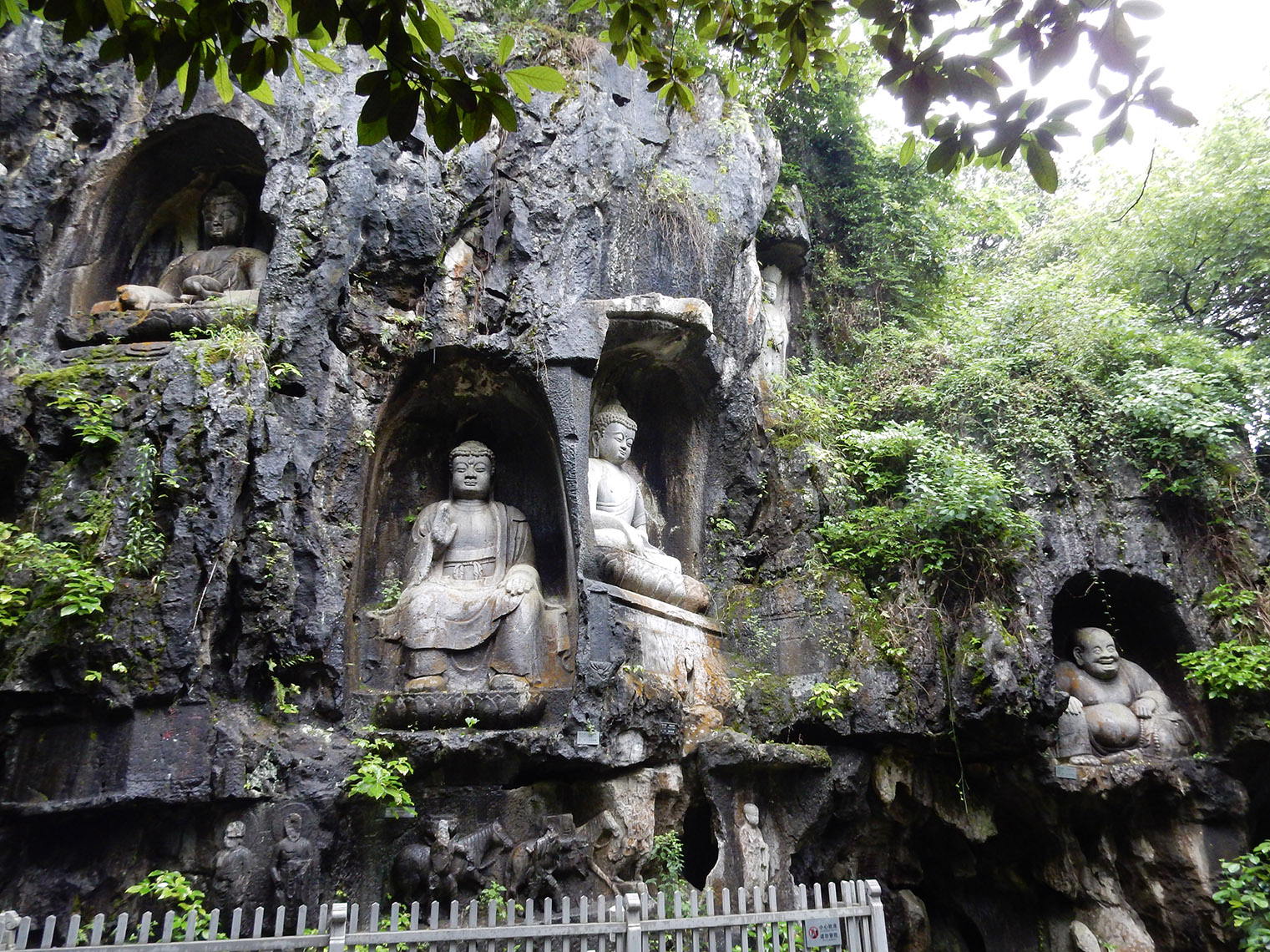
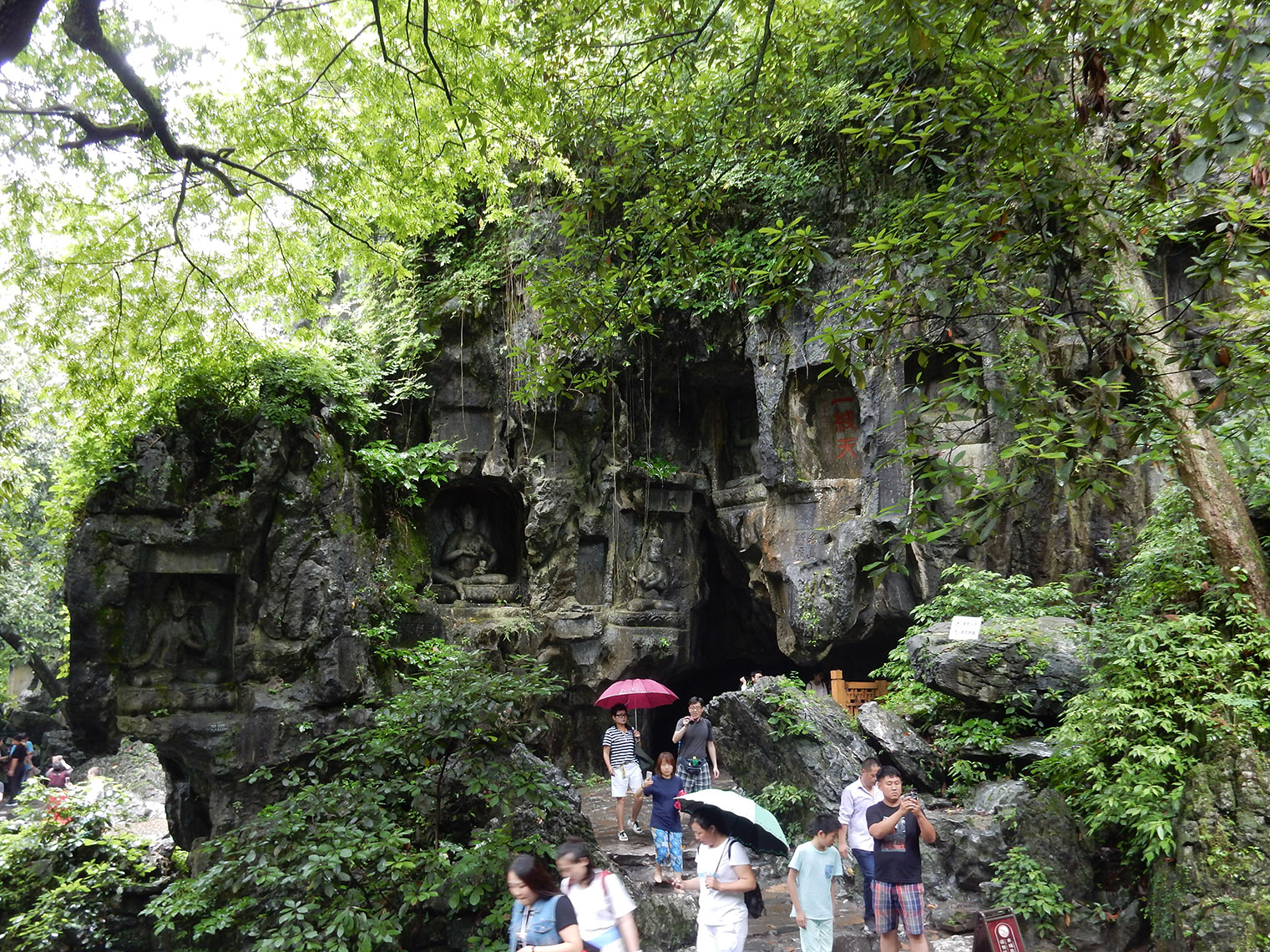
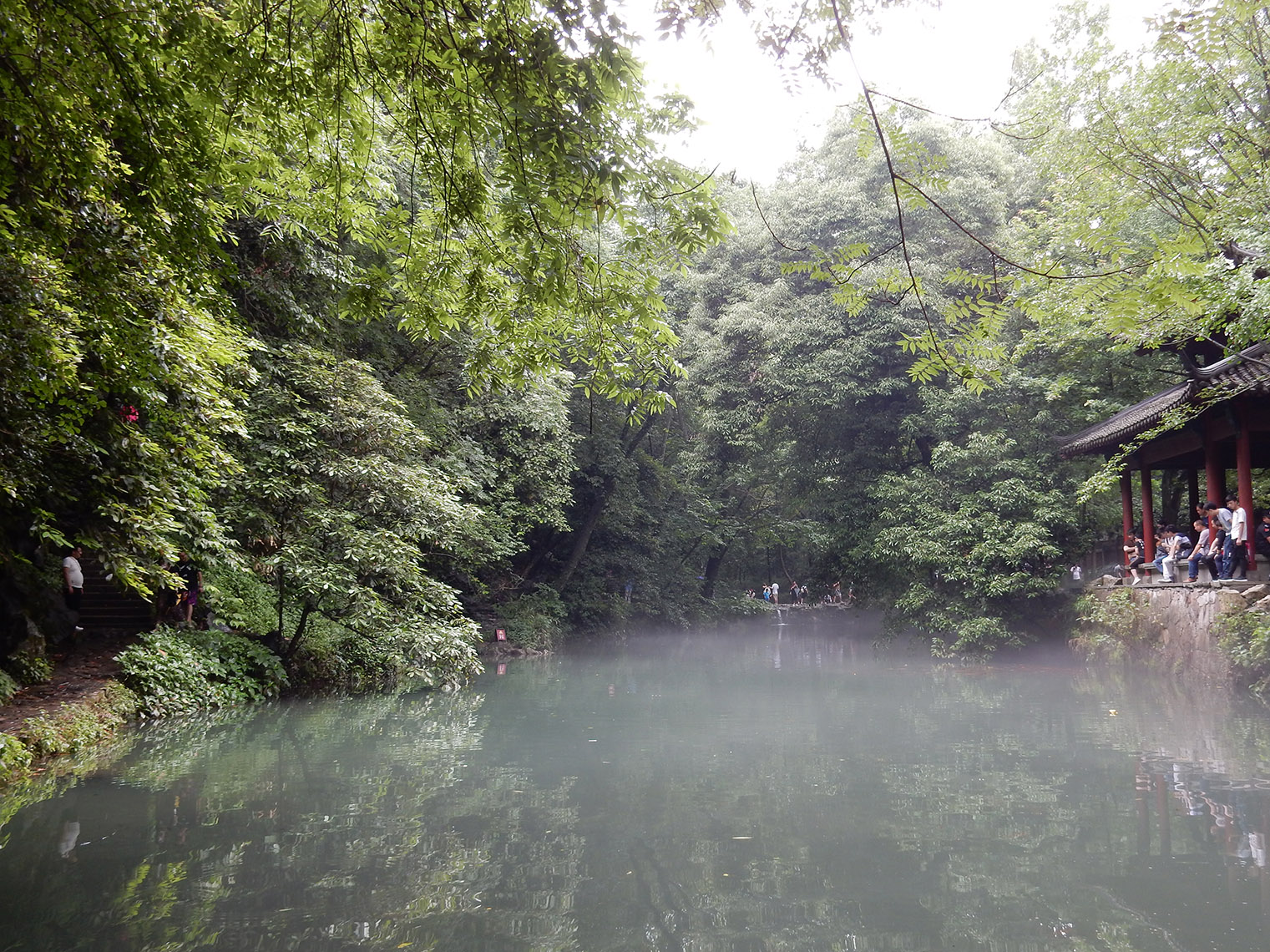
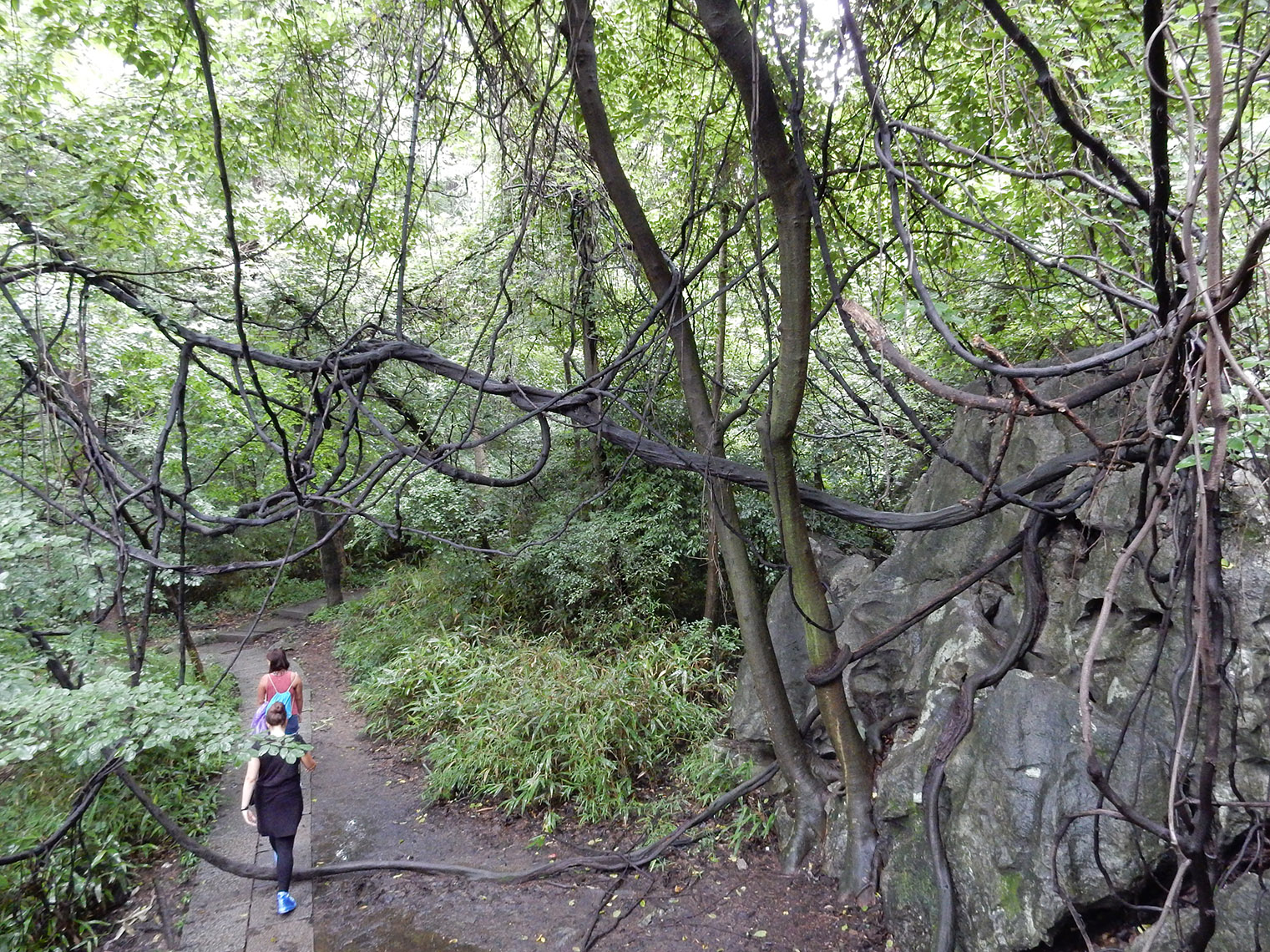
Back on the main path, I found the actual Temple of the Soul's Retreat close to where the grottoes ended. Though getting in required a separate ticket. It's a very big temple complex that has been around for over 1,000 years. The stone pagodas near the entrance are actually around that old, while the rest of a buildings are a mix of somewhat old and fairly modern. It is a very nice temple, with a number of halls and large and small features, several giant Buddha (of varying designs and materials), and some halls dedicated to other things as well. One of the more interesting ones, in my opinion, is the Hall of 500 Arhats. Not exactly sure who or what an Arhat is, but it's filled with 500 bronze statues, all different, along with a large set of four bronze Buddhas. I wish I had a better picture, but you weren't supposed to take photos inside so I kind of snuck one through the door (I pretty much always follow the letter of the photography rules at the places I visit, though I do occasionally break the spirit of them if something is especially cool).
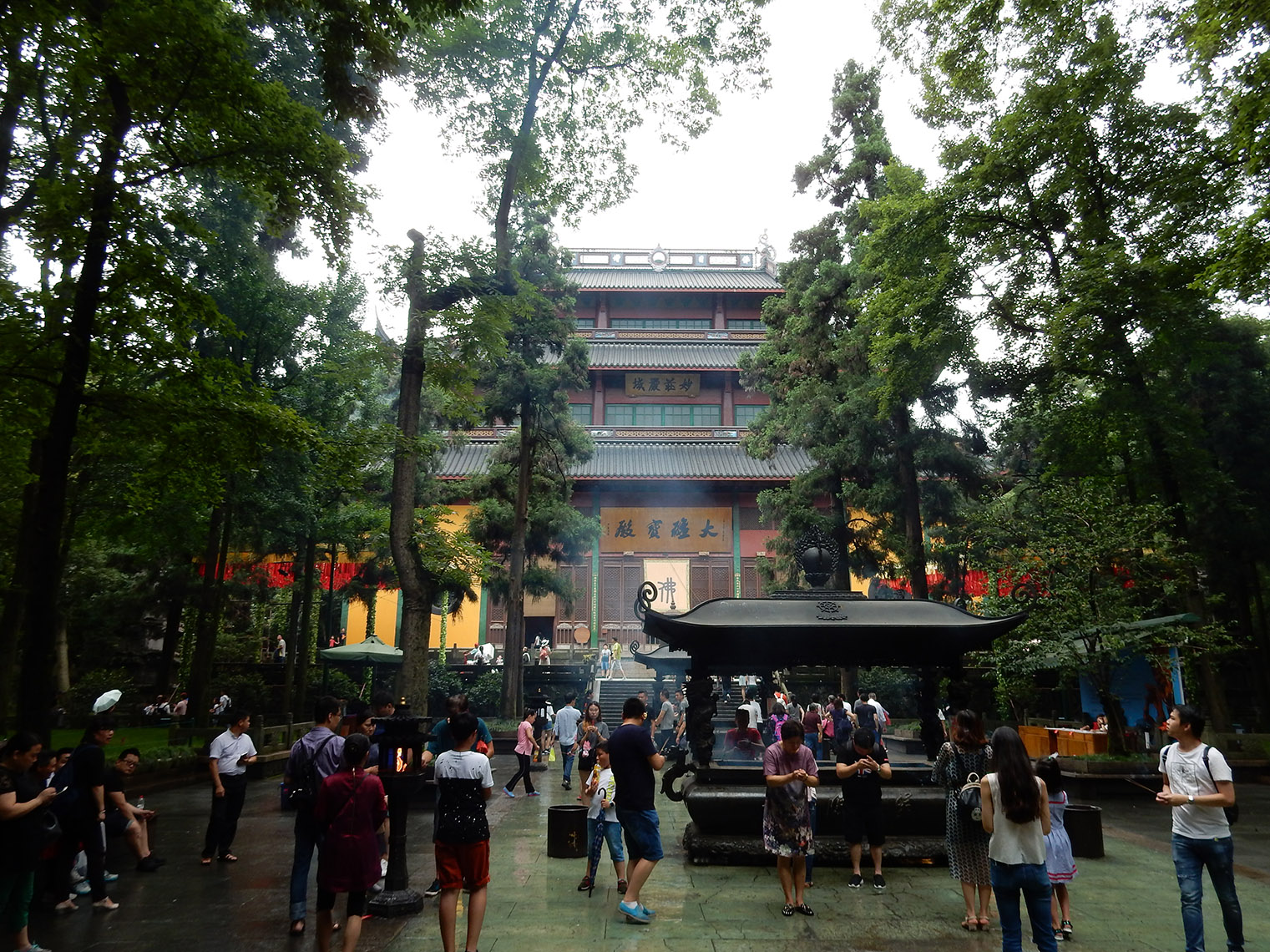
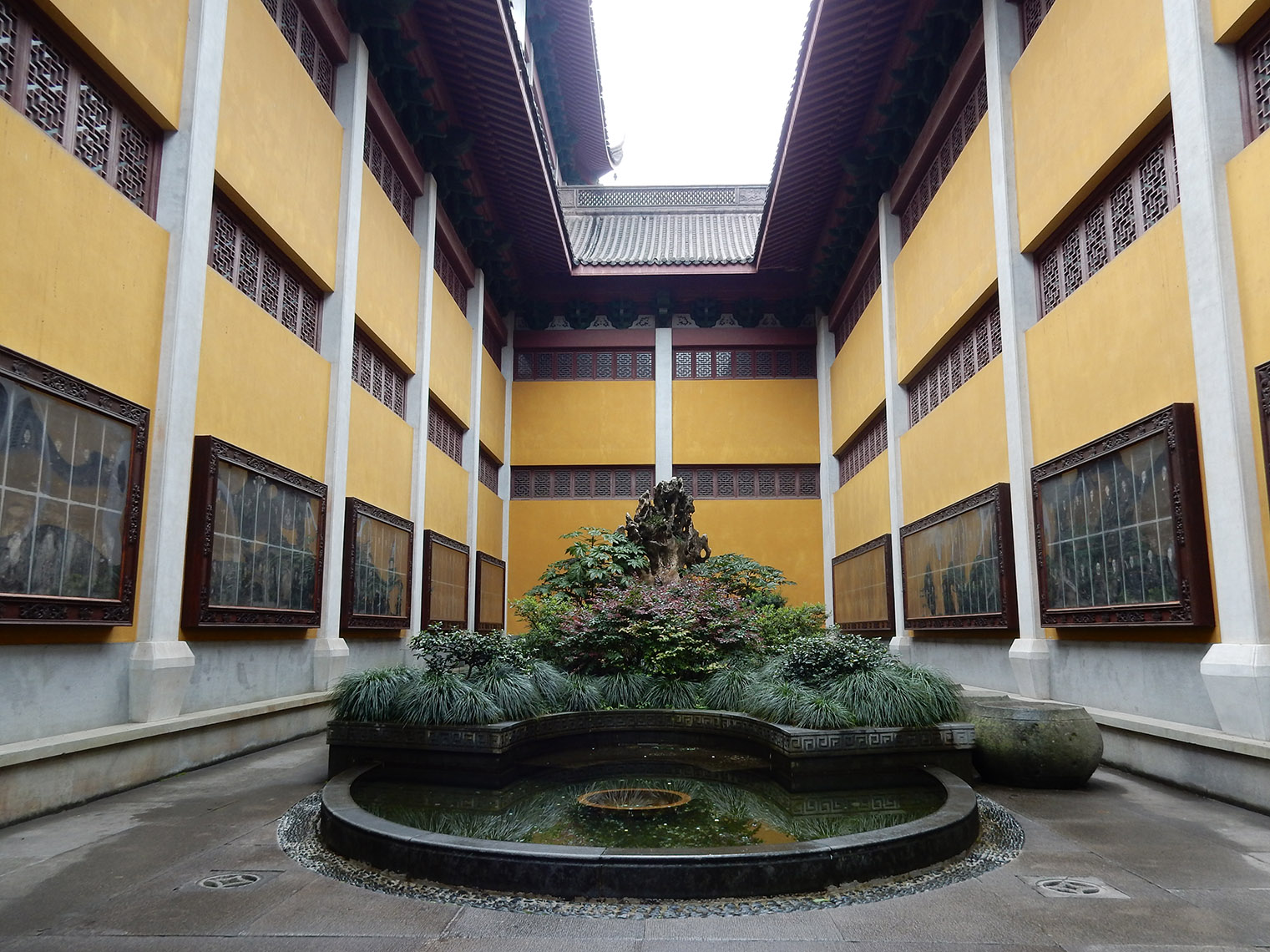
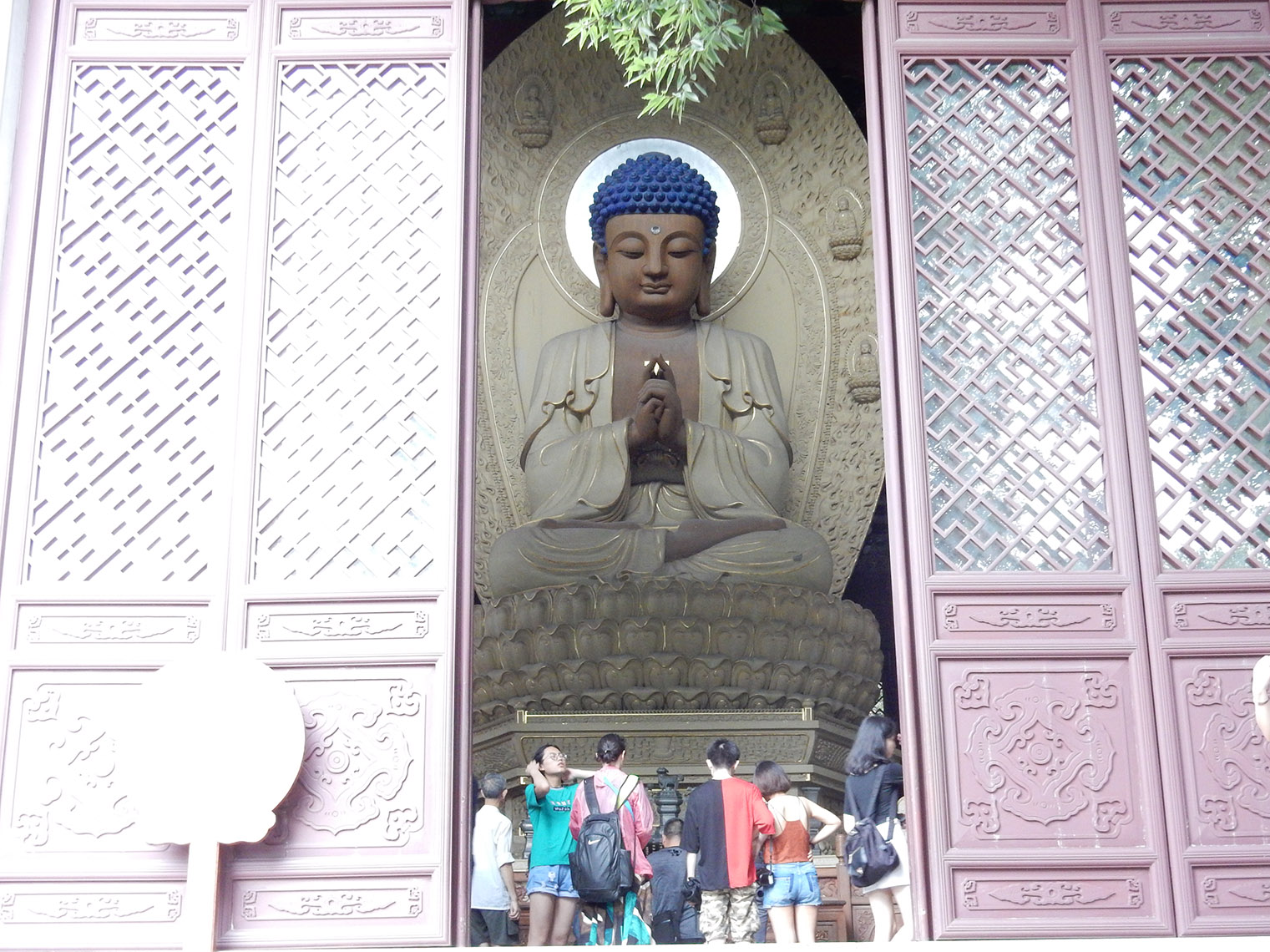
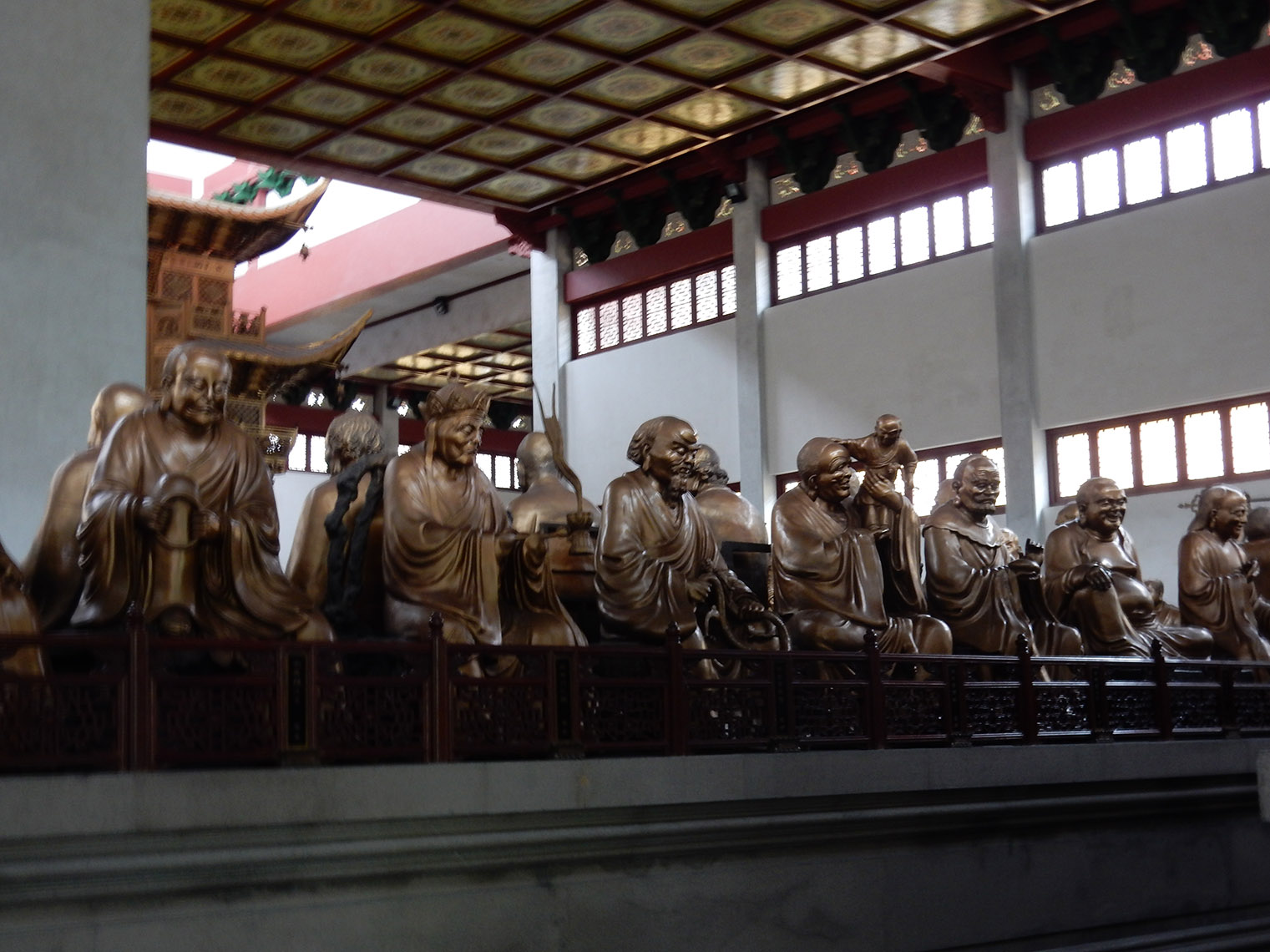
At this point, it was getting near two and I hadn't eaten lunch yet. My tour book said that the temple had a fancy vegetarian restaurant that it highly recommend so I planned to eat there. Only problem was, I couldn't find the thing. My book just said it was in the temple, but it wasn't listed on any of the temple's maps or directory signs. There was one sign that mentioned the restaurant (indicating that it probably does exist), but it was sitting in the midst of an empty courtyard without an arrow or any other indication of where the place was. After walking all around the temple complex and failing to find it, I gave up. But the temple did have a small vegetarian noodle place as well, and that was very obviously marked. There wasn't any English, so I basically had to order at random. I ended up with a noodle soup with vegetables. Not bad, though nothing too special either. But I was hungry and it worked.
Leaving the temple, I followed the path by the grottoes further upstream to Yongfu Temple (which didn't need an extra ticket). While not nearly as big or elaborate as the Temple of the Soul's Retreat, it was very picturesque, with its various halls set in the side of the mountain amidst a collection of tea fields. The upper areas offered a distant view of West Lake as well. All in all, it was a really pretty location, and very much worth the extra walk.
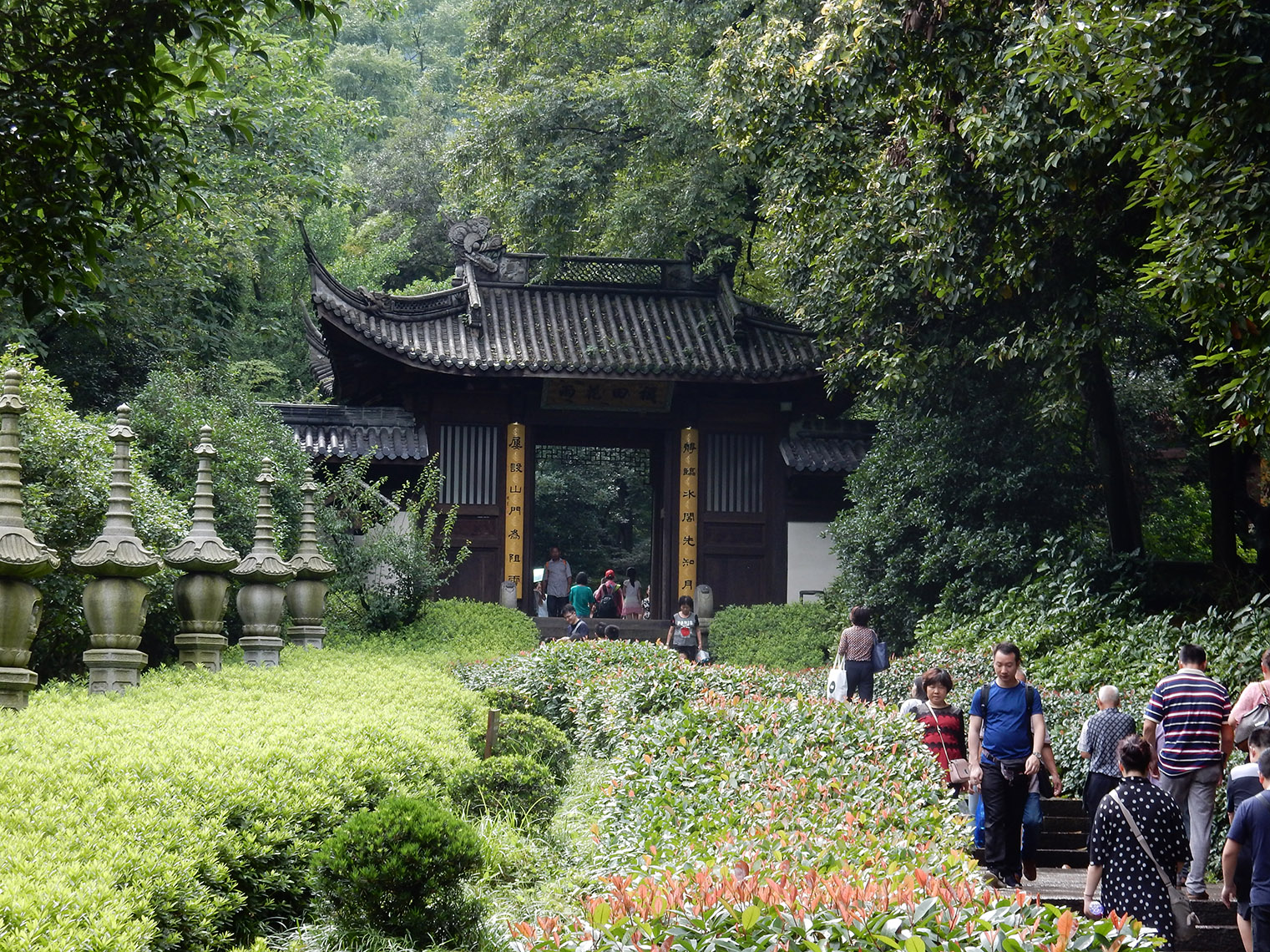
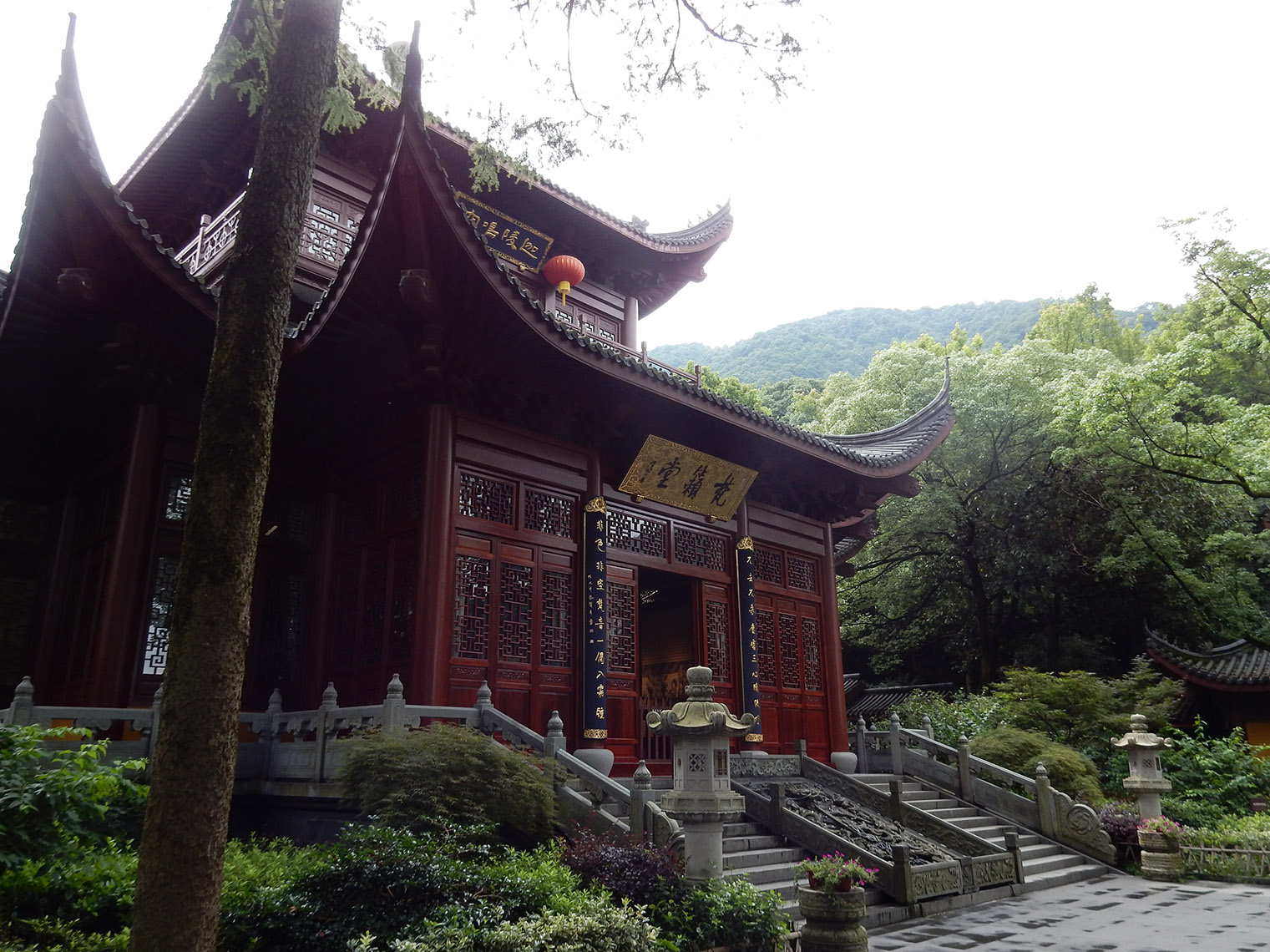
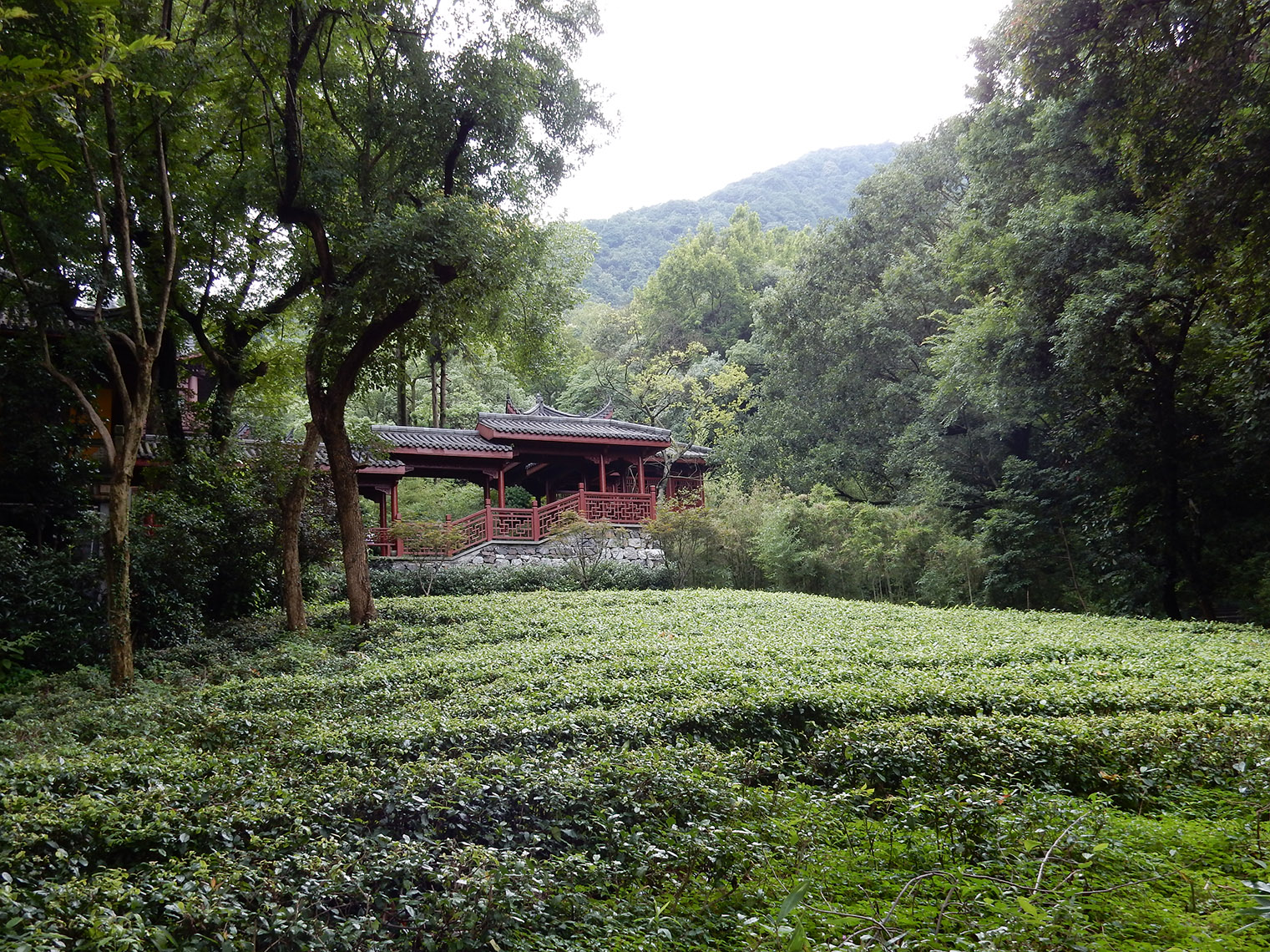
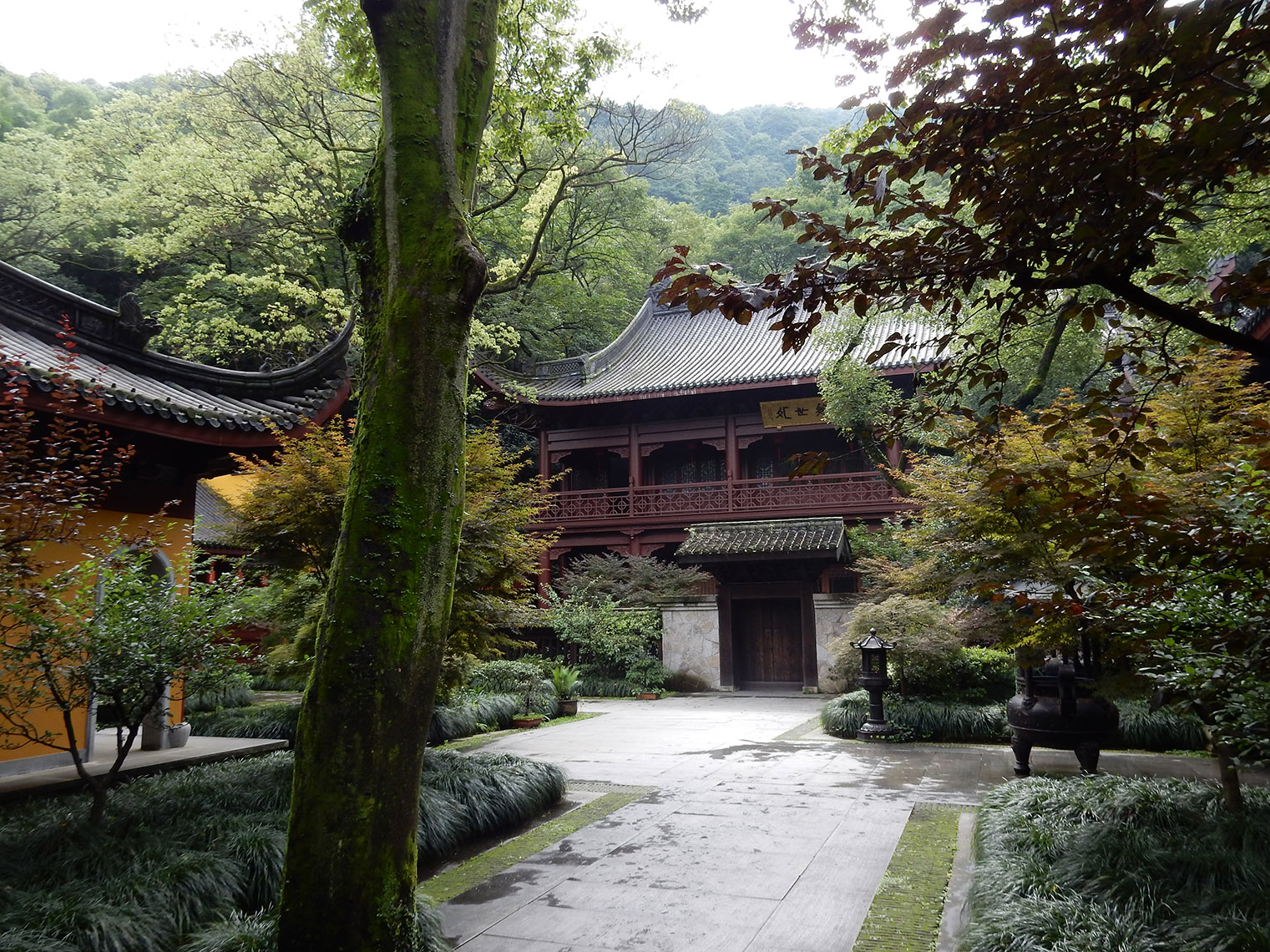
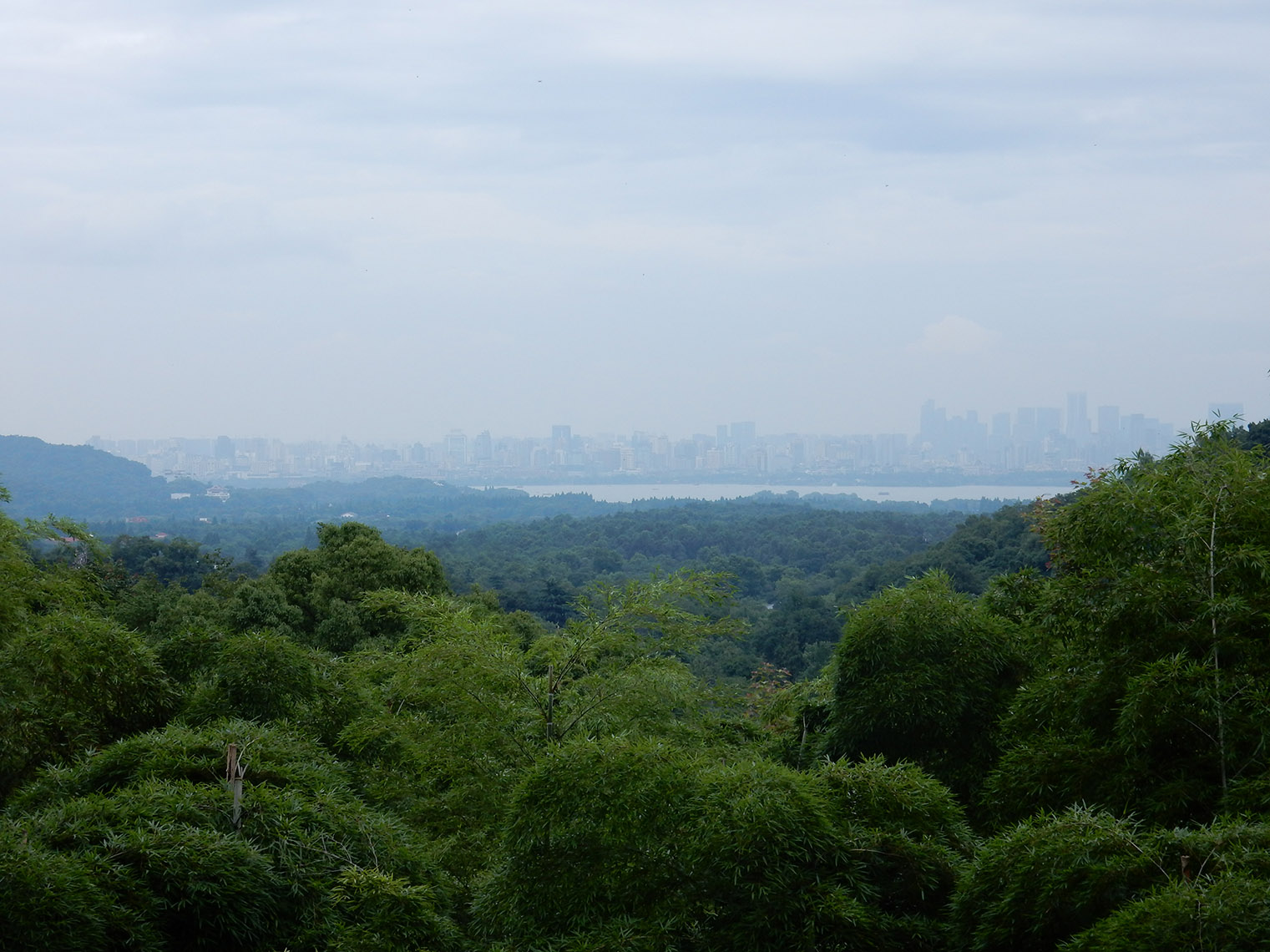
There was also one other temple complex in the area (also included with the main ticket), though it was set much further up the mountain and getting there required climbing a ton of stairs, only to find even more stairs waiting for you when you arrived. It was an ok temple, and the view was nice, but it was a pretty serious climb and neither the temple or the view were really worth the effort, in my opinion, unless you just want to make to the climb for fun.
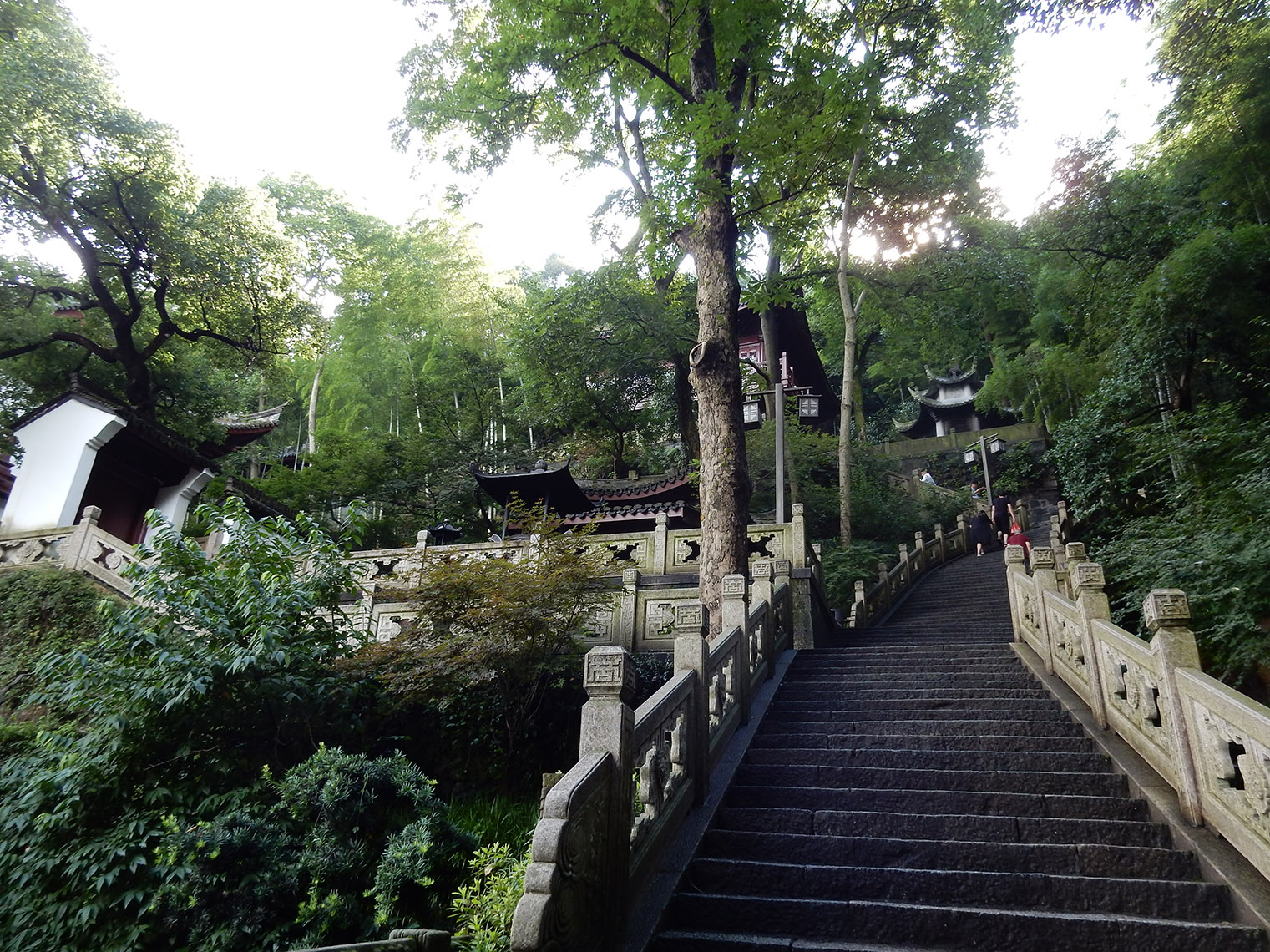
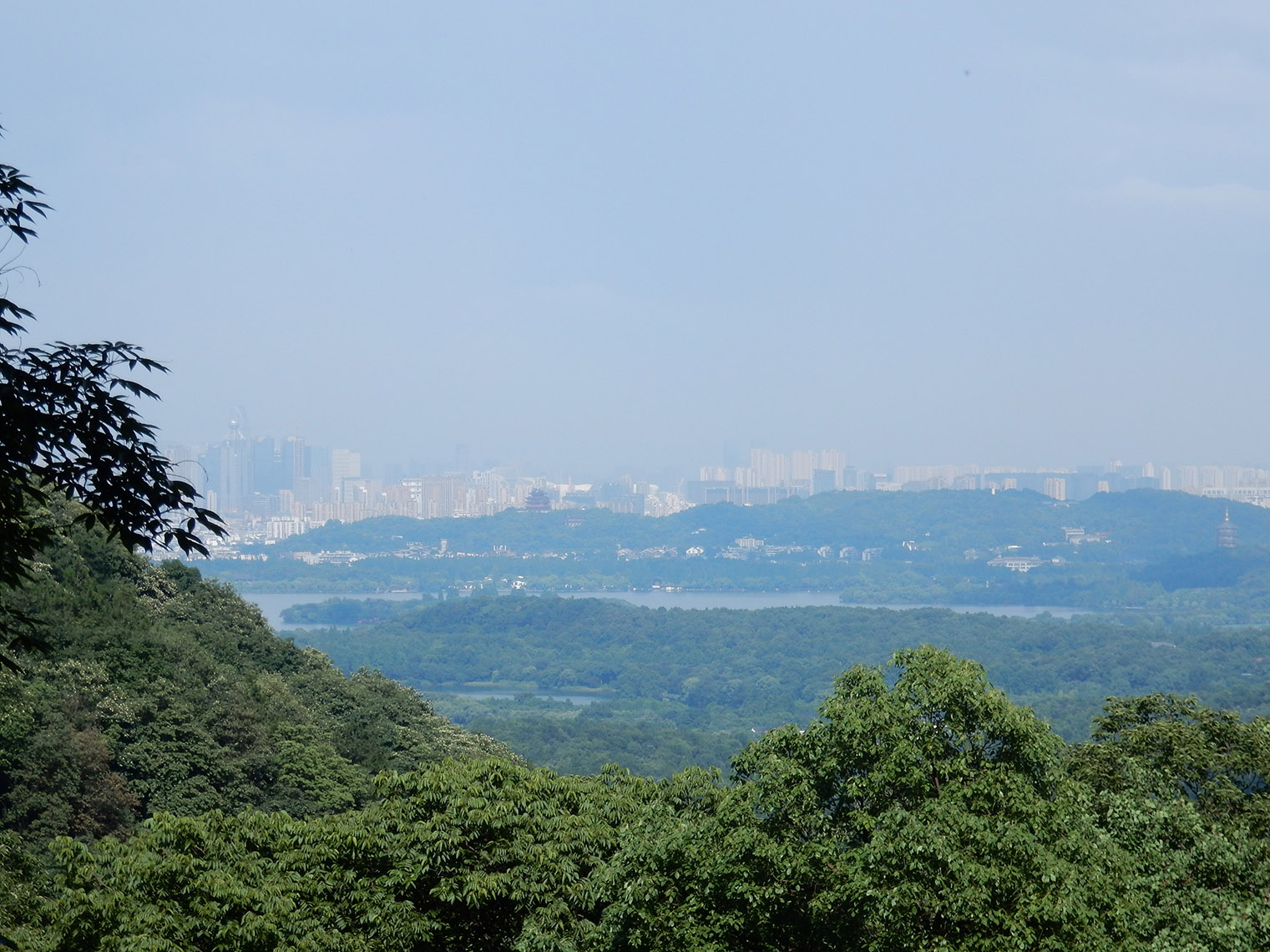
By that point, I had pretty much seen everything inside the Grottoes area, so I headed back towards my started point. There is an area nearby where you can pay to take a cable car up to a nearby peak, but I'd gotten enough views already, so I didn't feel the need. Instead, I went to look for a taxi back to West Lake. I did consider walking but, after all that climbing (which was just the latest in a number of steep climbs I'd made that day), on top of the walking, I kind of wanted a break and a 45 minute walk just to get to West Lake (and a part of the lake that wasn't anywhere near where I wanted to go next) wasn't very appealing. Strangely, while there were plenty of taxis dropping people off near the entrance, they all seemed to be making a point of not picking up any new passengers. I wasn't the only person having trouble finding a ride back and, since I can't speak Chinese, I really didn't know what was going on. After waiting around fruitlessly for a bit, I started walking back, while trying to flag down any empty taxi that passed. Before too long one did stop next to me and the driver offered to take me where I wanted to go but off the meter for a flat fee (as a note, official taxi drivers really aren't supposed to do that, though some do). Now I'd ridden enough taxis in the area to know that the amount he asked for was 3 - 4 times what the ride should have cost. But, while that was really expensive by Chinese standards, it wasn't that bad by American standards (official Chinese taxi rates are really cheap) and I really wanted to save some time and get off my feet for a bit so I took him up on it. Unfortunately, it didn't go so well. Before we'd gone very far, he indicated to me that he had to get gas and then proceeded to drive out of the way (and through a small traffic jam) to get to his gas station. The guy tried to be nice about it (he offered me a cigarette twice along the way, despite having a non-smoking cab, and bought me a Red Bull (which I don't drink) at the gas station), but I was still rather annoyed. We finally got back on route, only to get stuck in traffic (not really the driver's fault, but still annoying) and he kept trying to pick up additional fares along the way, another thing that's against the official taxi rules (fortunately, none were going in my direction). Finally, he dropped me off a solid ten minutes walk from where I'd asked to go, though at that point I was already considering getting out early due to the traffic so I didn't complain. I was seriously tempted to text Connie and have her send me a note demanding half my money back because of that gas station detour (he still would have made a solid profit off me), but decided against it. While I have been occasionally tempted to argue with people in China, the fact that I'm a foreigner and can't speak Chinese has always made me a bit nervous about what would happen if things escalated. In the end, I made it fairly close to my destination, and I did get a rest, but I don't think it ended up being all that much faster than walking.
Back at West Lake, I walked the rest of the way to the fountain area (where I began my day) and headed south (clockwise), passing through some of the areas I'd previously walked through with Connie but hadn't yet been back to on this trip. The rain had ended and taken away the mist and much of the smog with it, leaving the lake clearer than I'd ever seen. Because of that, I kept stopping to take photographs, which slowed me down a bit on my way to Orioles Singing in the Willows, a park area on the side of the lake. But that wasn't really my destination. From there I turned away from the lake one last time, heading into the city. I passed the park with this neat pagoda (or maybe pavilion) that I'd been seeing a lot in the distance. Part of me would have liked to go up, but it was likely closed for the day at that point (though I didn't actually check) and I'd had enough climbing for one day. My actual destination was a short distance past the park on Hefeng Street, where several blocks are lined with old buildings which have been converted into shops and restaurants. A bit touristy, but fun to walk around. There was also this Buddha (which I personally found a little creepy). It looked like there were some little museums as well, though it was getting a bit too late in the day for that, though all the lights and evening activity was fun. The area was rather crowded, but that did enhance the atmosphere to a certain point, and there were some quieter alleyways and side streets. The old section of Hefeng Street ran east for a few blocks before coming to an end at Nansongyu Street, another old street turned tourist attraction, though with a different and slightly newer style of building. I hadn't actually known about it, but couldn't really complain about having a larger area to explore. I had a good time walking around, looking at some unusual buildings, and snacking a bit (though not on the dodgy street food, of course).

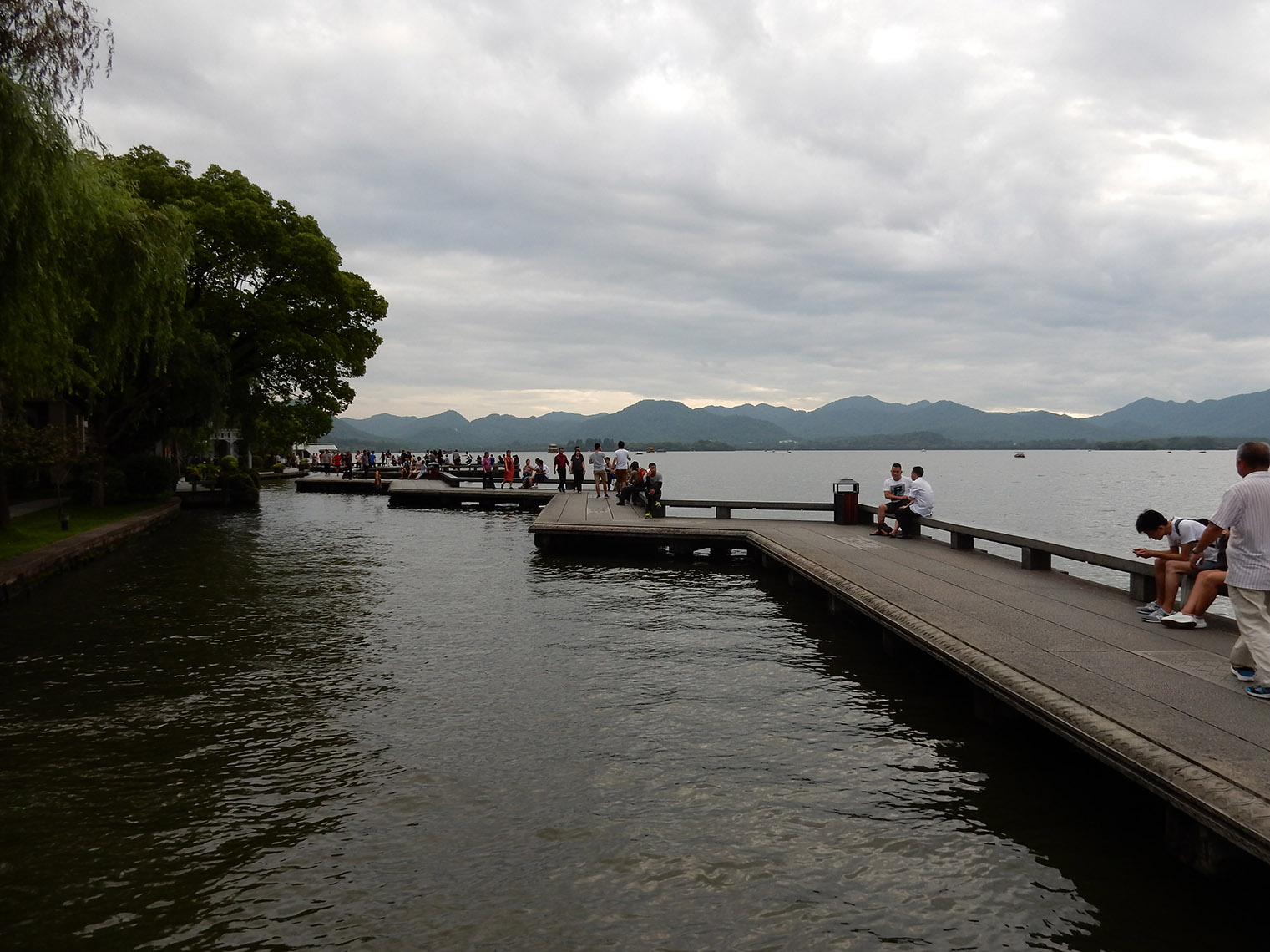
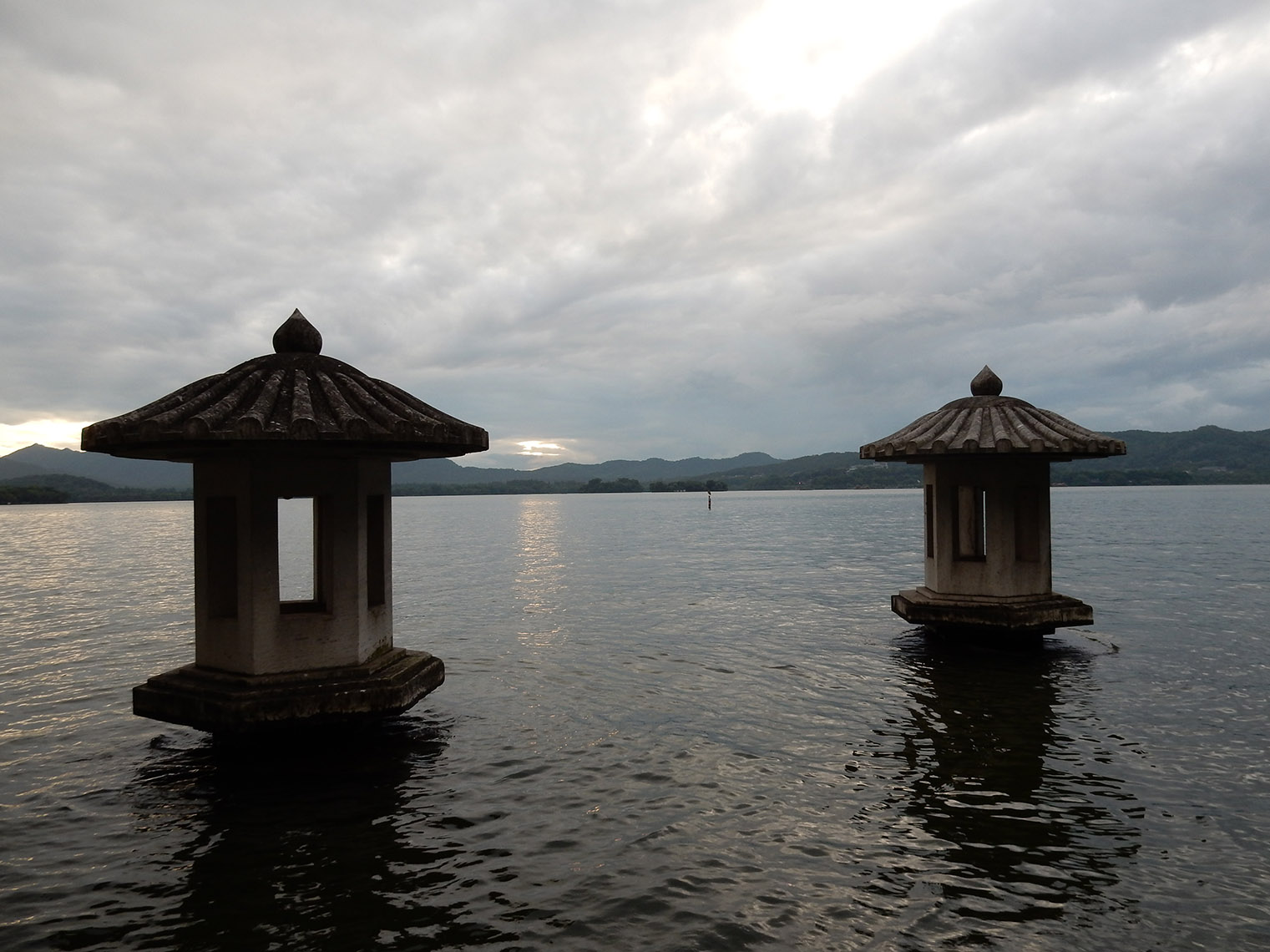
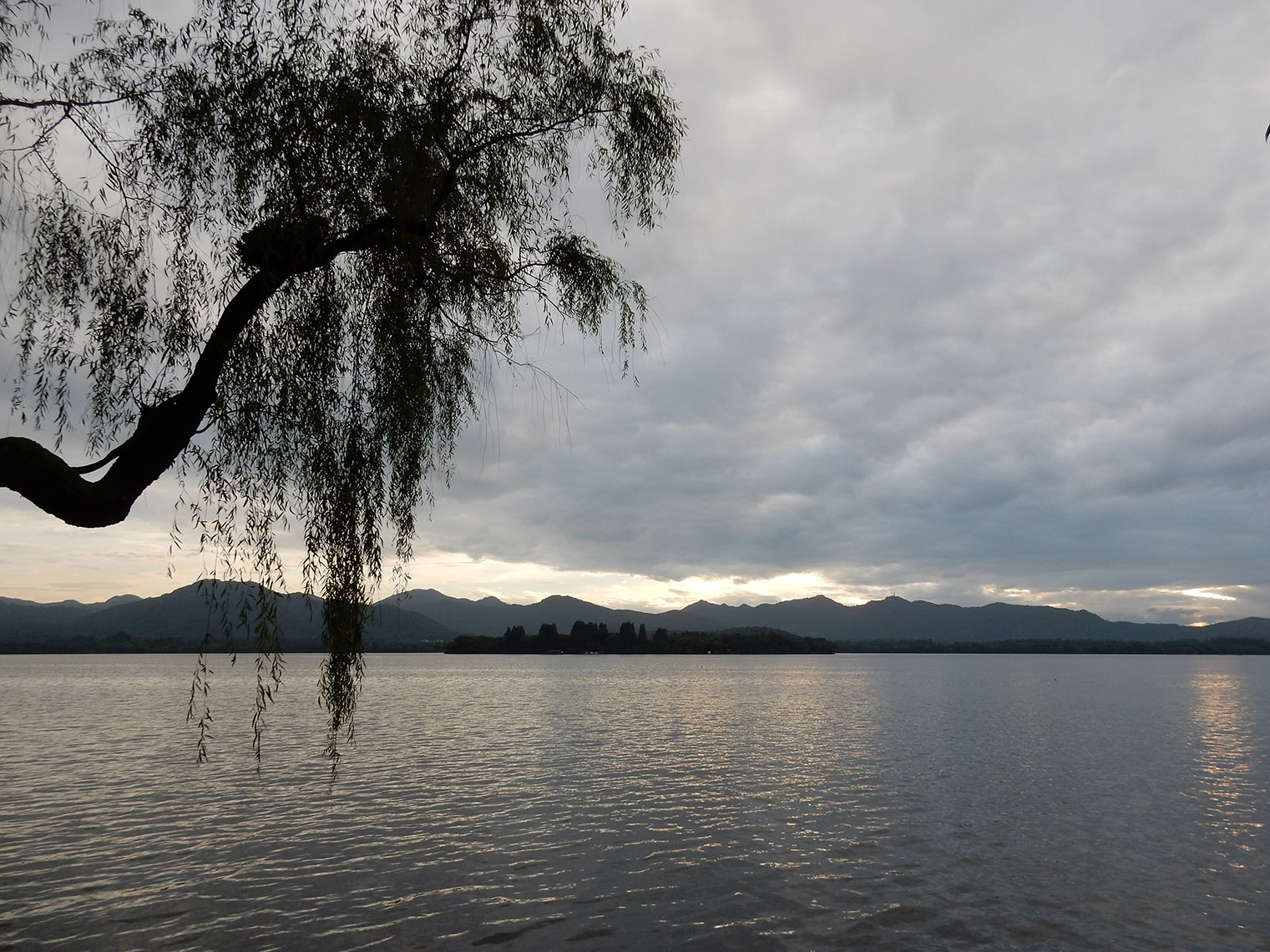
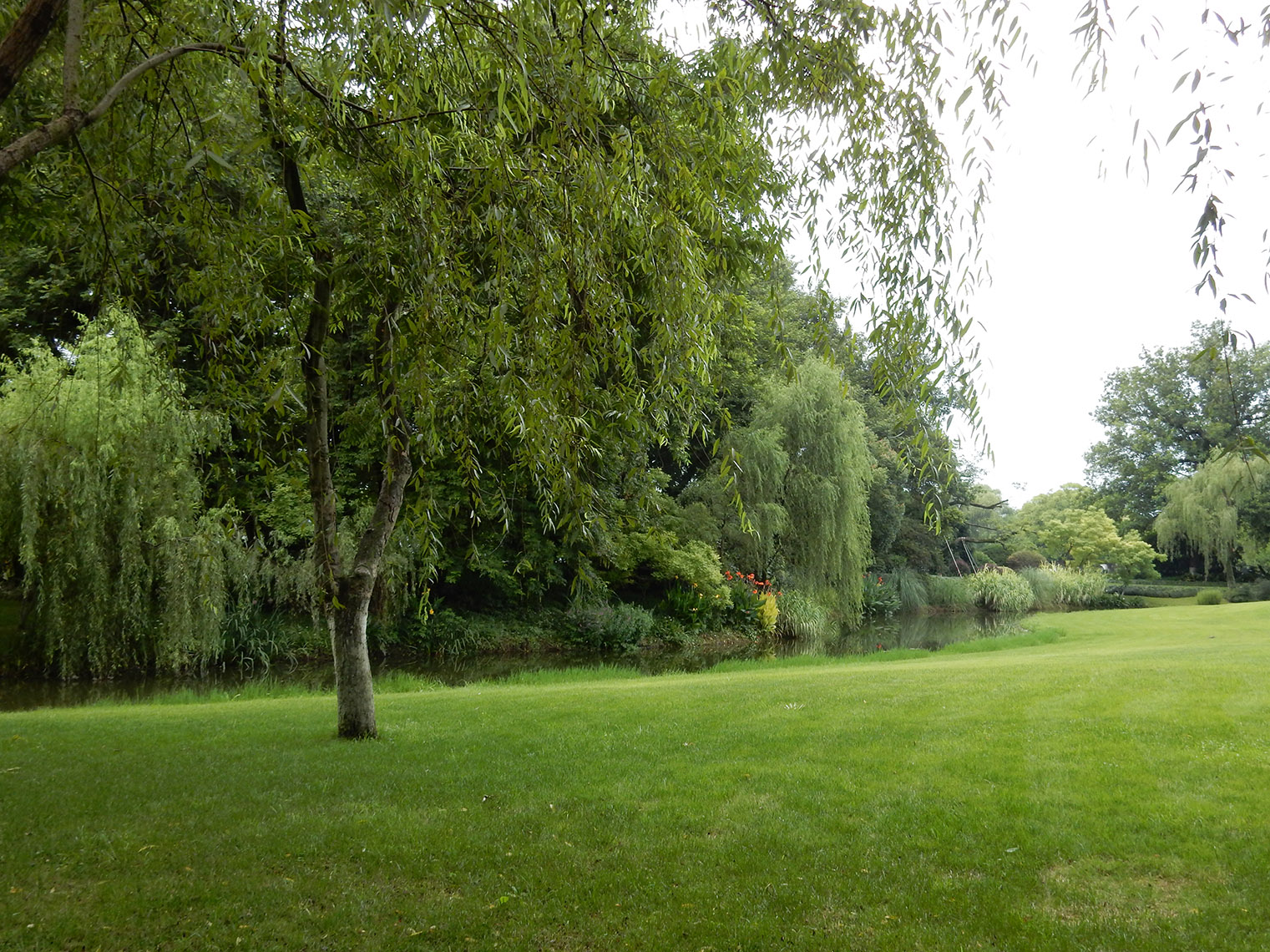
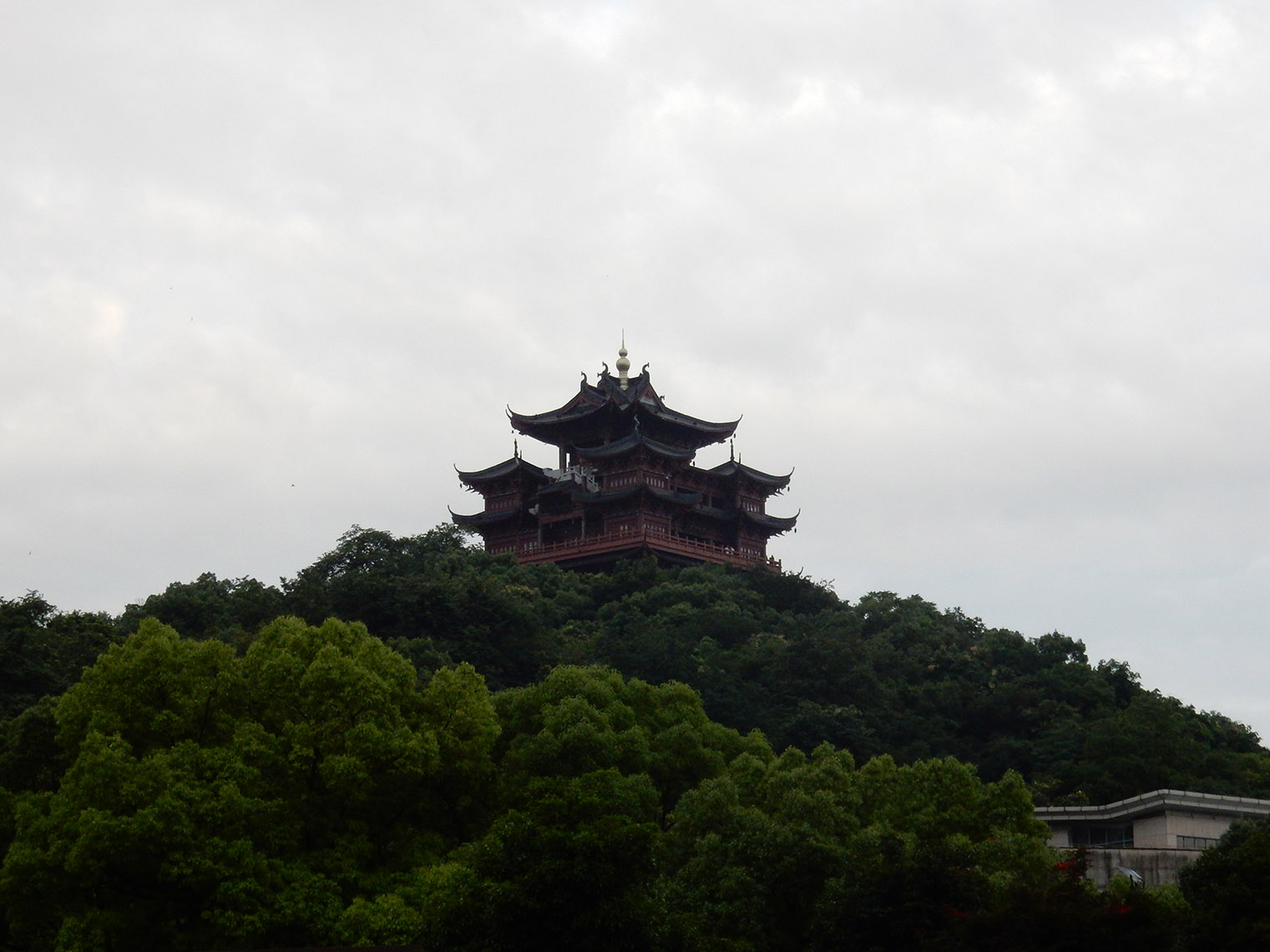
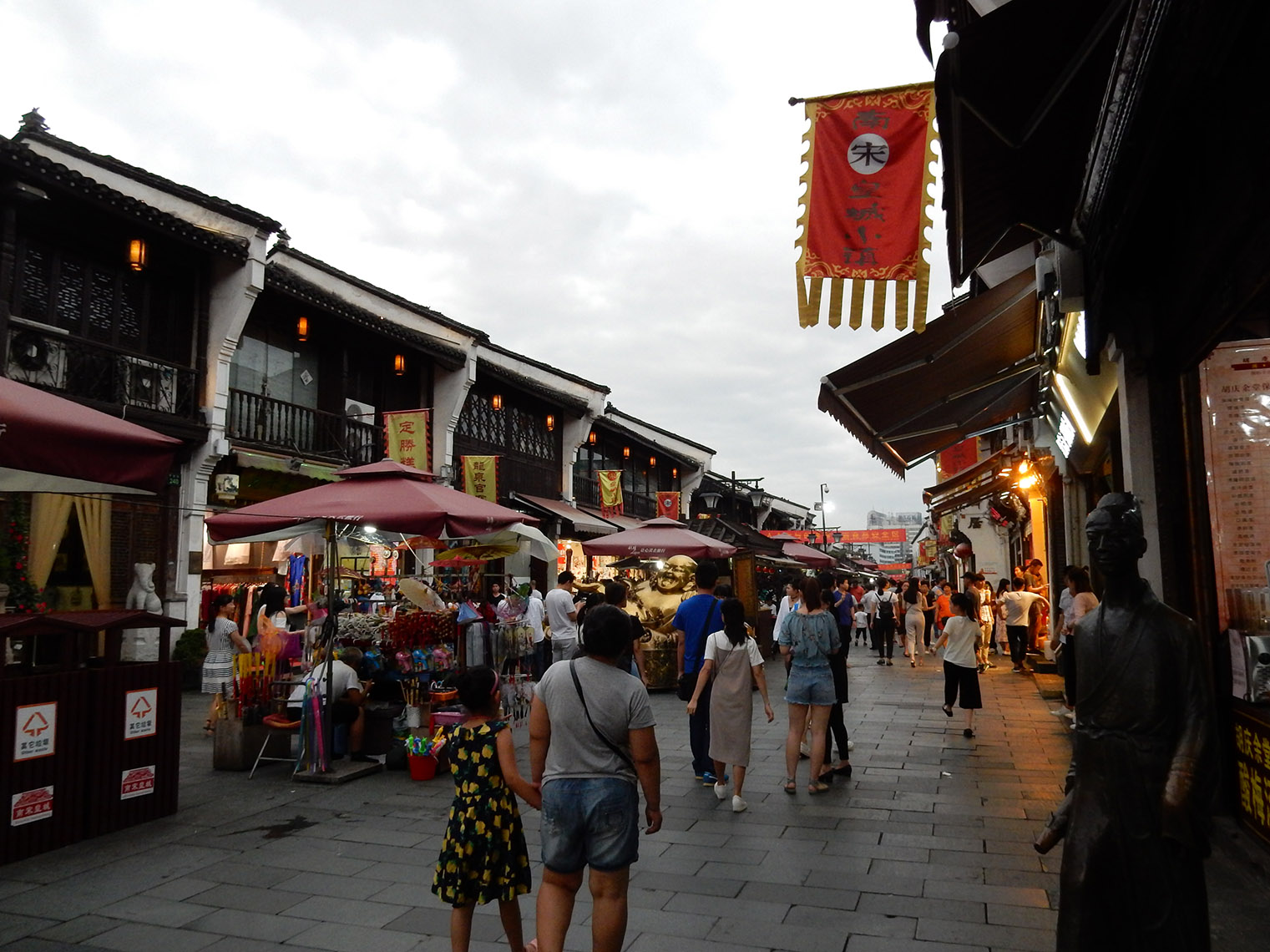
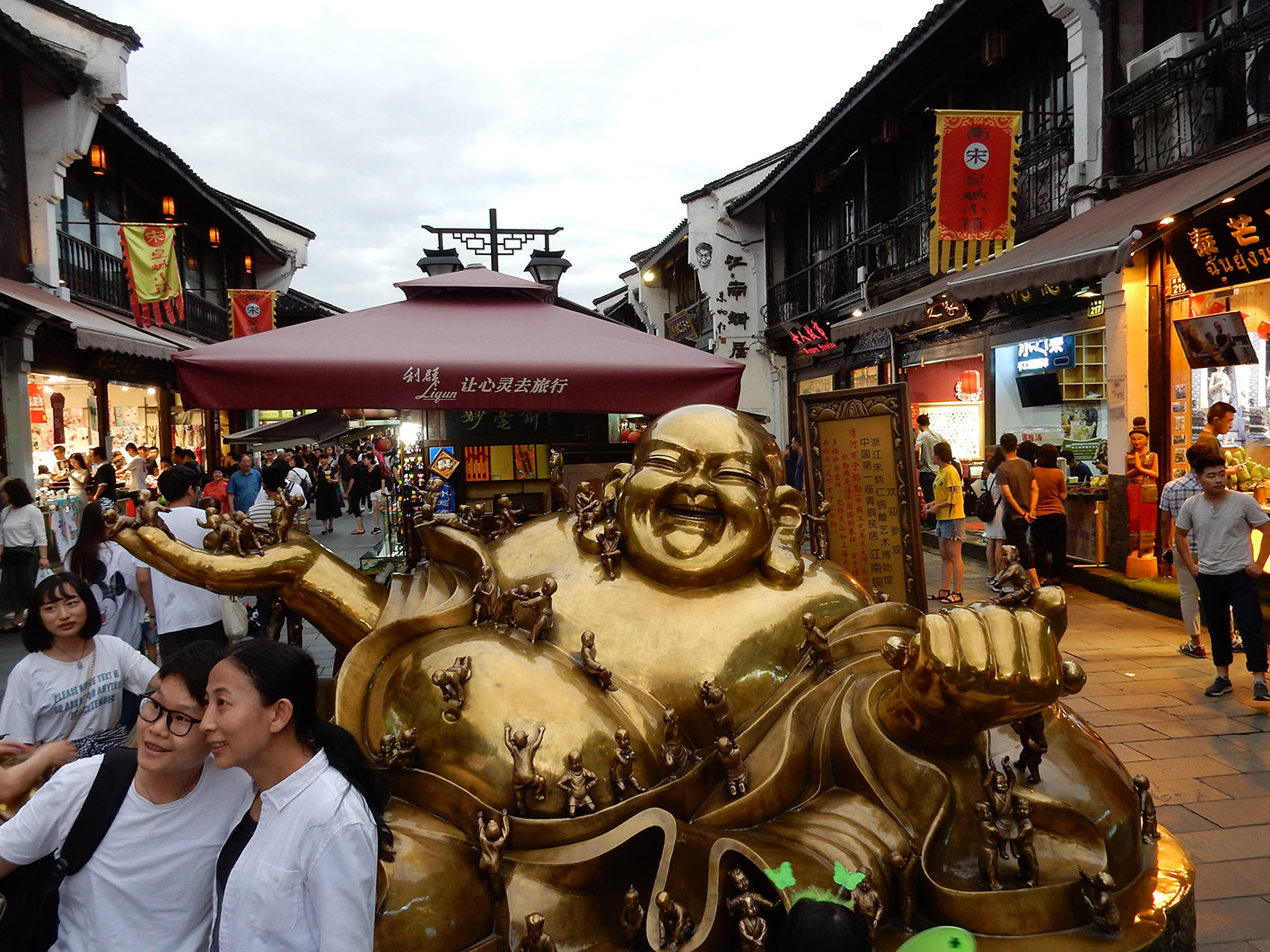
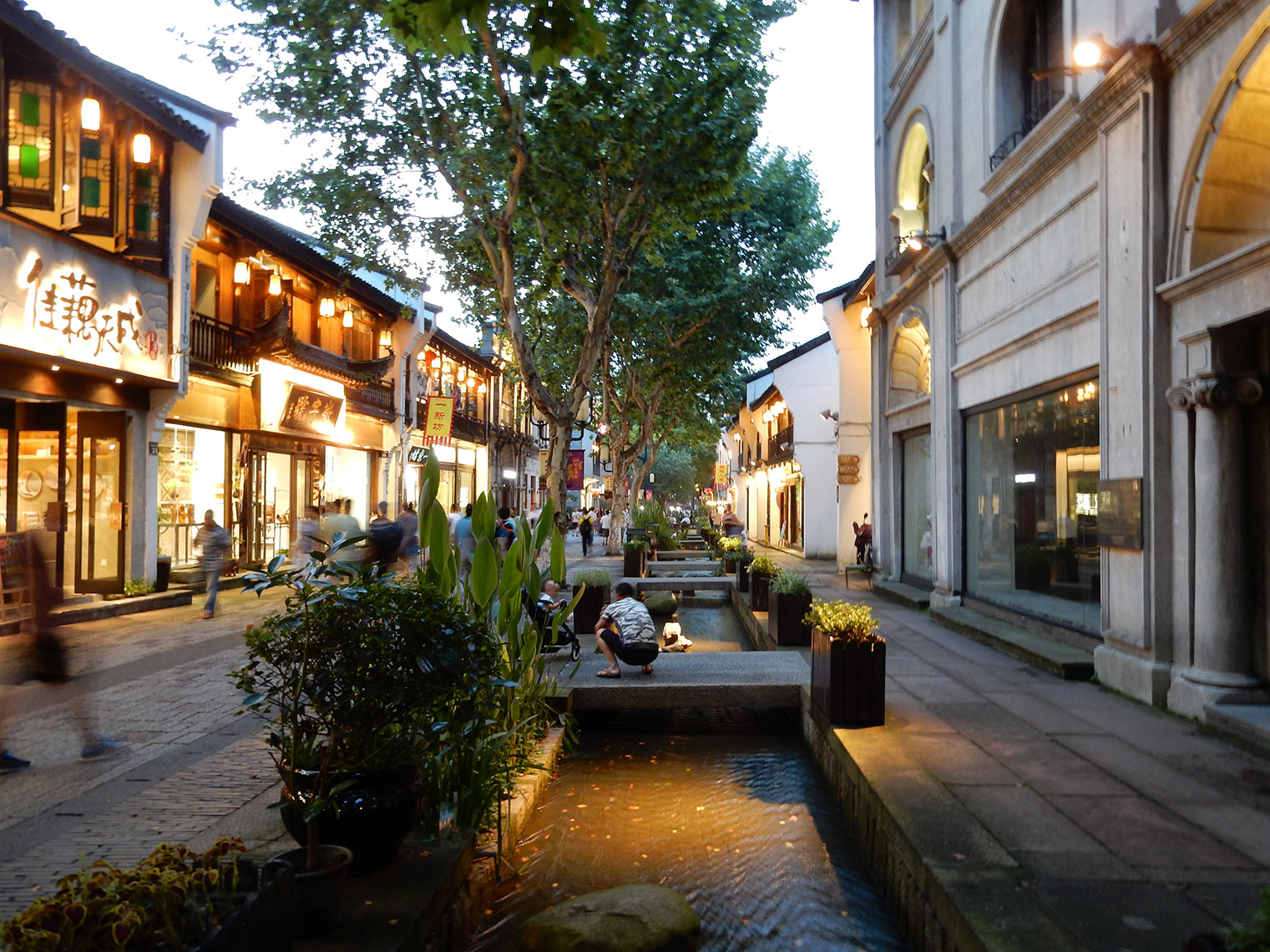
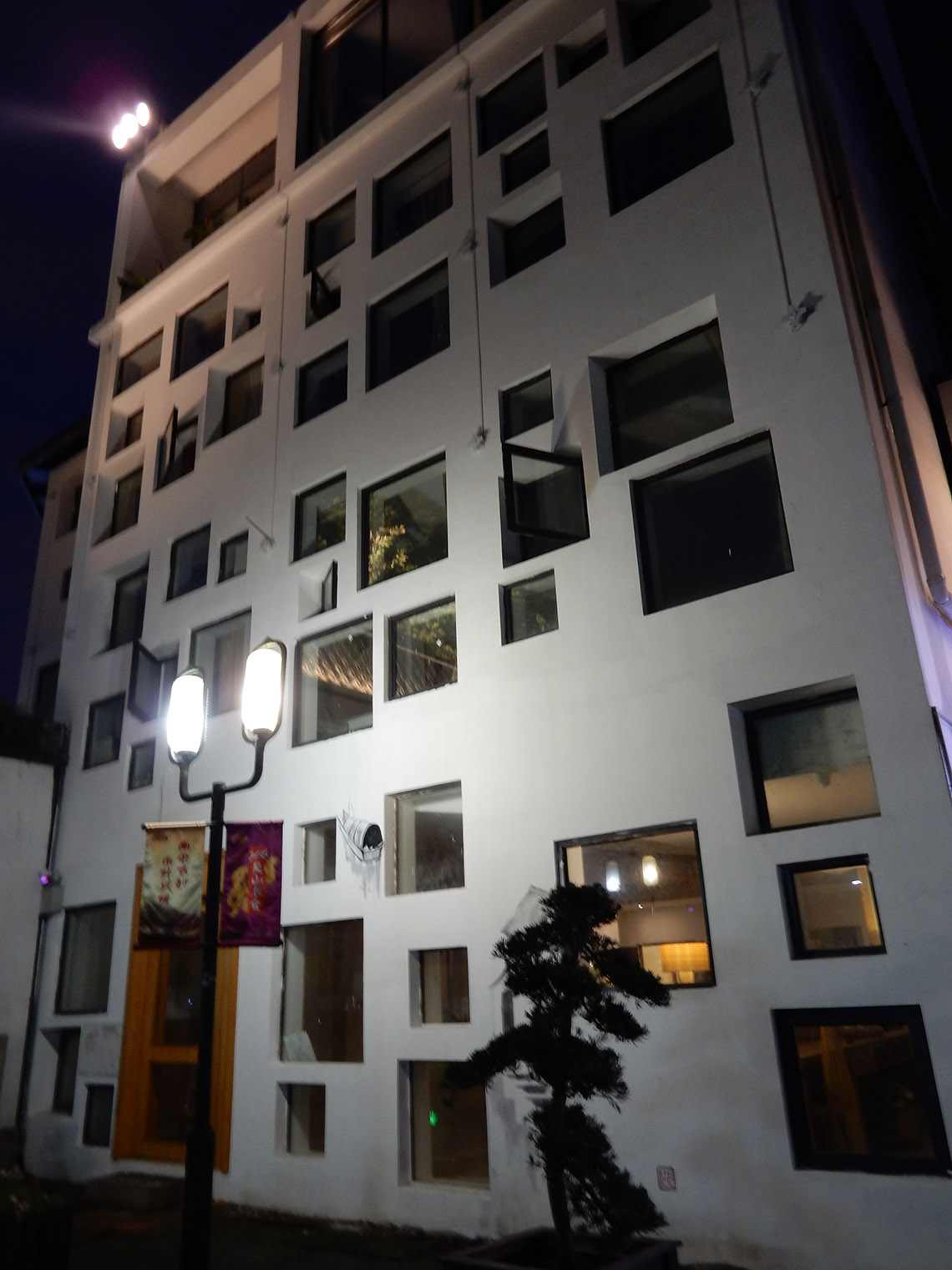
I had originally planned to go back the way I came but, by the time I reached the end of Nansongyu Street, it rather late and I still hadn't eaten a solid meal so I decided to take a more direct route back towards my hotel. I had a particular restaurant in mind that I'd seen the other day but, after checking my map, noticed that I'd be passing by Grandma's Home, a very popular restaurant focusing on Hangzhou cuisine. It had good reviews, and I'd been curious about it, so I decided to go there instead. There ended up being a moderately long wait, so I ate much later than I usually do, but it was a neat restaurant with a huge menu and the food was good. I certainly wouldn't mind going back again and trying some other dishes.
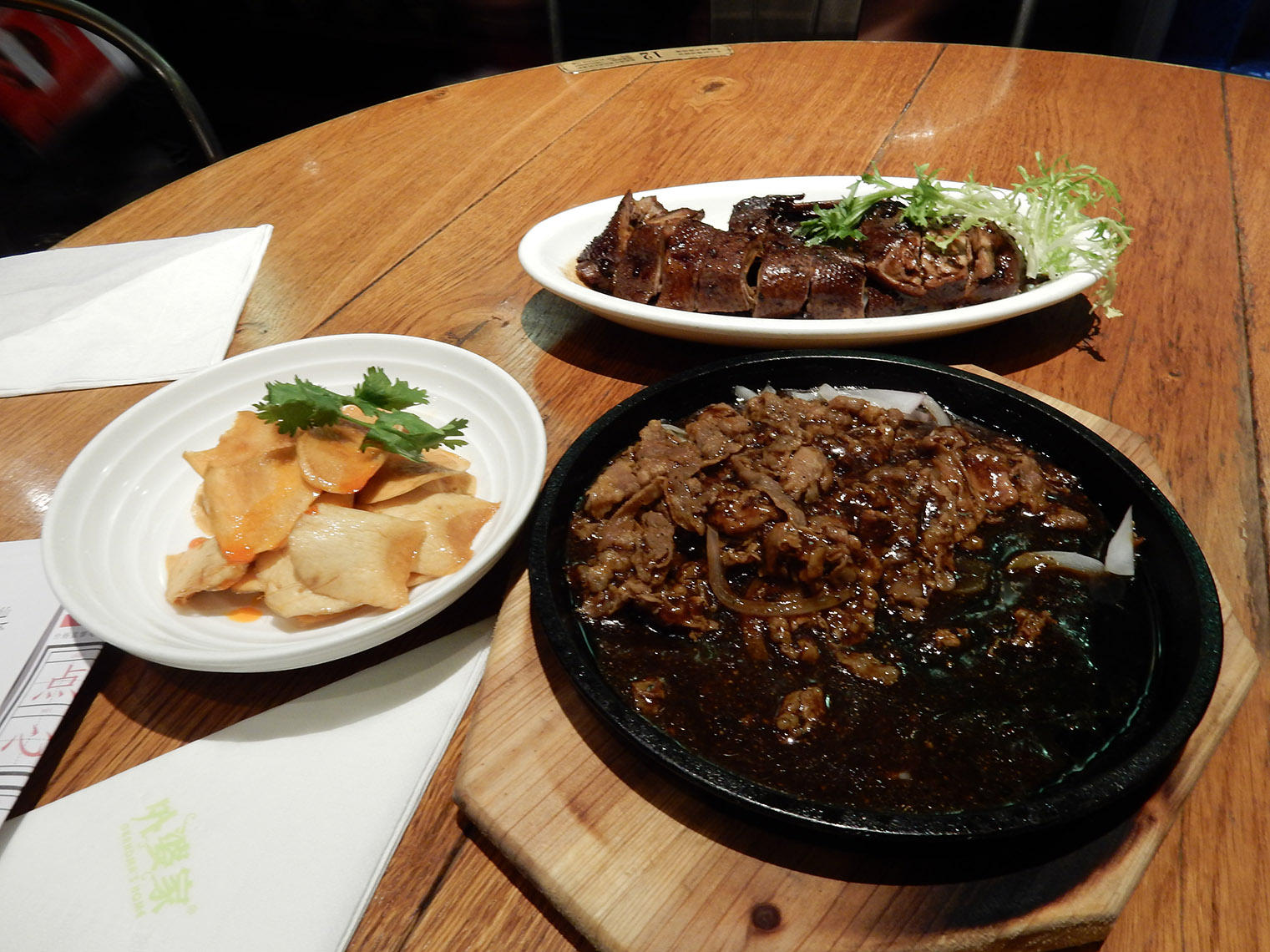
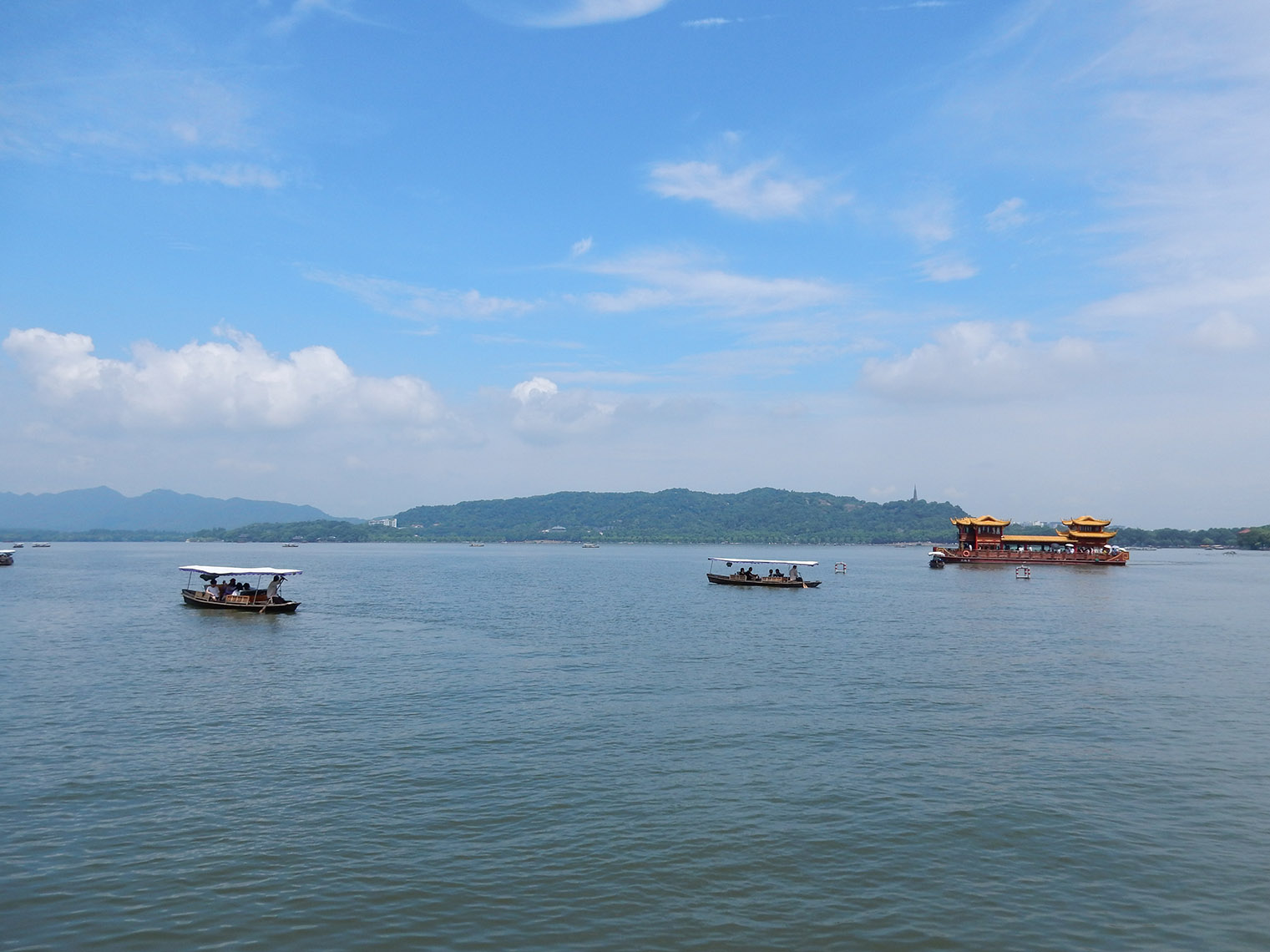
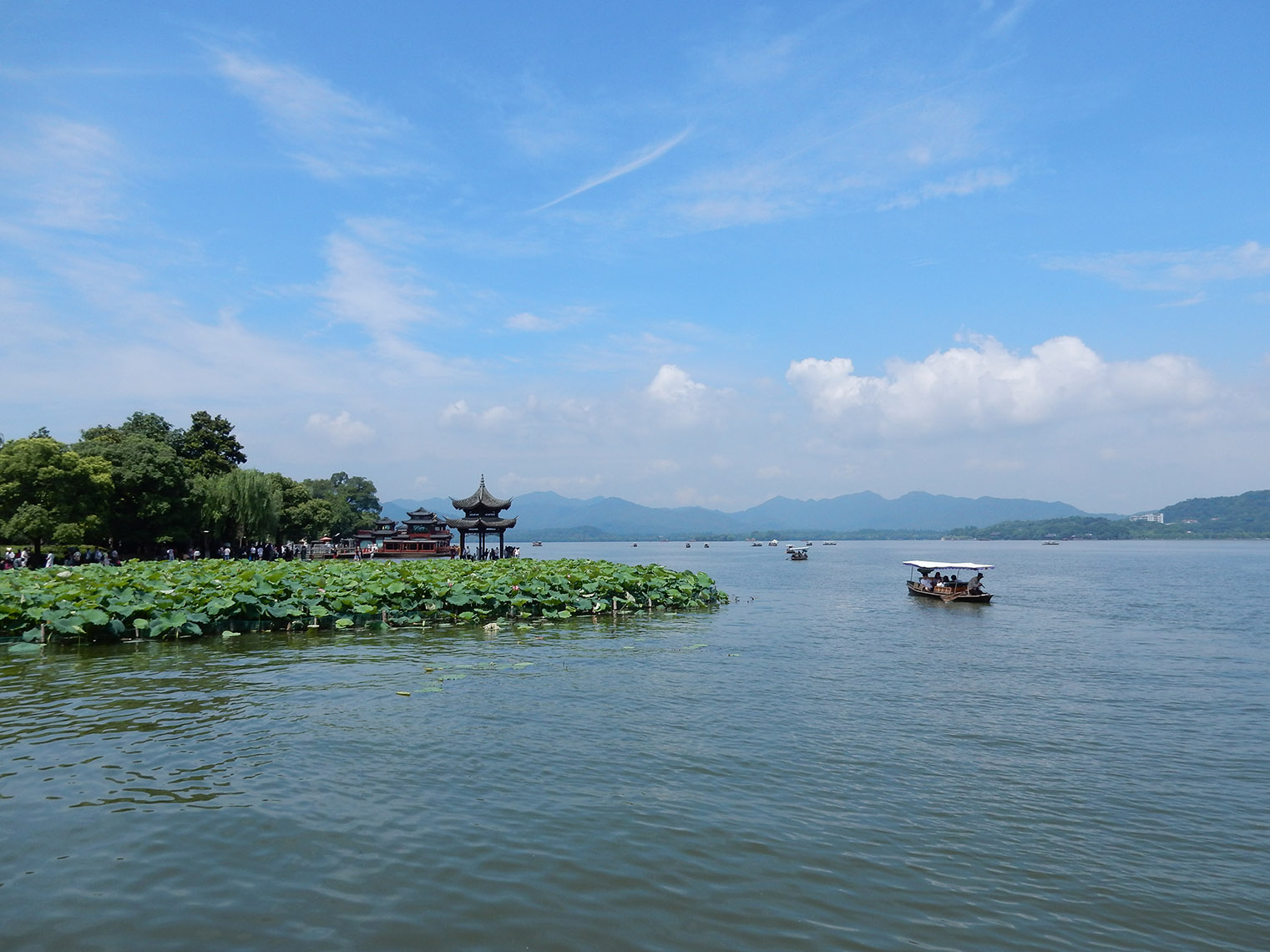
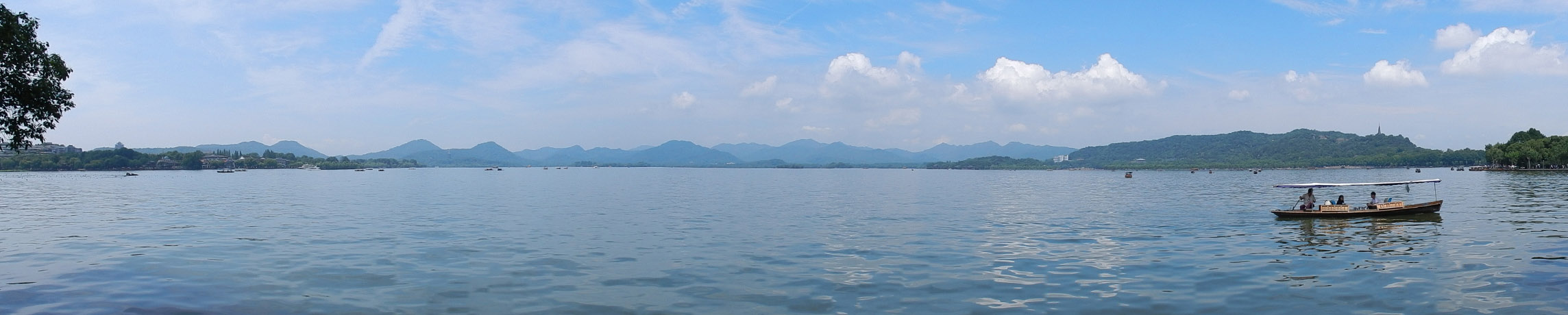
I really liked Hangzhou the first time I was there and, now that I've spent a few more days exploring the area, I'd say that, of all the towns and cities I've been to in China, it's my favorite. It's got a great variety of things to see and do (the lake park, temples, pagodas, theme parks, museums, old shopping streets, etc.), great shopping and dining (doesn't have all my favorite Chinese resultants, but still good), and it's conveniently located too. While I did hit the vast majority of sightseeing spots, there's a couple areas I visited that I wouldn't mind exploring more, and a few more locations in the city itself that could be worth visiting. And that's not counting any potential days trips, so I could definitely see myself going back again in the future.
Anyway, after enjoying the view and getting breakfast, I made my way back to Maanshan. Nothing too much happened there, other than one last big meal, this time with relatives from Connie's mom's side. And I actually had someone I could talk to at that one. Said person was a 10 year old girl who only knew elementary school level English (similar to the stuff I taught my first time in Japan), but it was still fun.
The next day, after hanging around the hotel for a while, it was off to the airport. We ate lunch there, said goodbye to Connie's parents, and made our way to our gate (after waiting in a series of very long lines). Annoyingly, they later changed the gate to one half way across the airport. And, being China, the flight got delayed. First, it arrived about half an hour late. Then, once we actually got on the plane, it was held up by air traffic control for another hour or so. Suddenly, our two hour layover in Toronto wasn't sounding long enough... I was hoping we'd make up some time in the air but, unfortunately, that didn't happen and we, along with quite a lot of the other passengers, ended up missing our connecting flight. So instead of getting back home on Monday night, we had to spend the night in Canada. On the bright side, the airline paid for the hotel. On the down side, we only got several hours of sleep before heading back to the airport for our flight back to Virginia. In the end, I still had time to get all the grocery shopping done after getting home, but I was, unfortunately, way too tired to go see the 4th of July fireworks, which was a bit disappointing. At this point, I'm thinking that, in the future, if I book any flights leaving from, or changing planes in, China, I should assume a 1 - 2 hour delay and time connecting flights accordingly.
But what matters is that we made it back ok. It was a great trip and it was good to see that we can still do big trips, even with Zack.